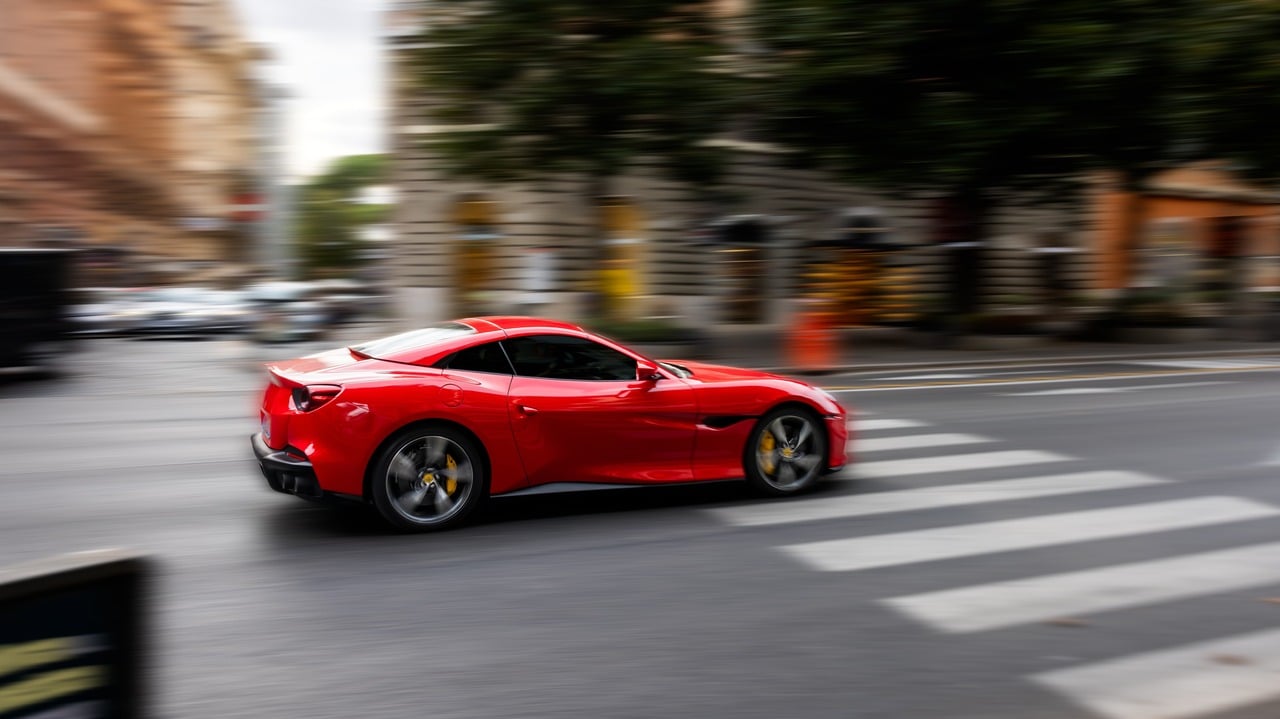
If you have ever had a moment of weakness on an empty back road and let your car tell you what it is really made of, you are far from alone. Performance vehicles are more accessible than ever before, and the temptation to use all that horsepower is real. A straight stretch of open pavement, no traffic in sight, perfect weather, the right song on the radio, and suddenly your right foot starts having a conversation with the floorboard that your brain did not fully approve.
The problem, of course, is that not everyone who drives fast does so responsibly or in safe conditions. While the casual speeder might push 10 or 15 mph over the limit on a highway, a growing population of so-called “super speeders” are pulling triple-digit runs through public roads like they are auditioning for a racing video game. Law enforcement agencies and safety advocates have taken notice, and they are not happy about it.
Right now, getting caught going excessively fast can already result in fines that will make your wallet feel considerably lighter, points stacking up on your license, and in some states, mandatory license suspensions and even potential jail time. In New York, for example, a super speeder ticket can tack on 10 insurance-killing points to your record along with a driver responsibility assessment that keeps costing you long after the initial fine is paid. Most people would rather not learn that lesson the hard way.
But here is where things get really interesting, and potentially frustrating depending on which side of this debate you land on. The consequences for extreme speeding are about to get significantly more personal. A wave of new legislation is pushing for technology that would not just punish you after the fact but physically prevent your car from going fast in the first place.
What Is Intelligent Speed Assistance and Why Should You Care
Intelligent Speed Assistance, or ISA, is a device that can be installed in a vehicle and programmed to cap how fast that vehicle can travel. If you are thinking this sounds like something out of a dystopian future, welcome to 2025. Several states are already exploring bills that would require convicted super speeders to have this technology installed in their vehicles as a condition of getting their driving privileges restored.
And before you think you can outsmart it by taking your car to a track day on the weekends, think again. According to advocates pushing for these laws, the speed cap applies to the vehicle itself, not just public roads. If the limiter is installed, the car simply will not go above a set speed, full stop, regardless of where you are driving it.
How Much Public Support Is There for These Laws
More than you might expect. A recent survey conducted by polling company Big Village gathered responses from over 2,000 American adults and asked about various road safety topics. The results on ISA technology were striking: 72 percent of respondents said they support laws requiring convicted super speeders to have the technology installed in their vehicles.
That is not a slim majority. That is nearly three out of four Americans who are perfectly fine with the government electronically putting a leash on your car if you have already proven you cannot be trusted with it. Safety advocacy groups like Advocates for Highway and Auto Safety are citing these numbers as proof that the public is ready for stricter enforcement targeting repeat offenders, not just first-time lead-foots.
Which States Are Already Moving on This
Several states have already taken steps to get tougher on extreme speeders. Florida, Georgia, Virginia, Washington state, and Washington, D.C. have enacted or are enforcing stricter super speeder provisions. Additionally, a growing list that includes Arizona, California, Hawaii, Illinois, Maryland, and New York is actively considering new legislation that could change the rules significantly for drivers caught going way over the limit.
The trend is clear. What was once handled with a steep fine and a wag of the finger is turning into a conversation about long-term behavioral intervention. Politicians, police agencies, and advocacy groups are all rowing in the same direction on this one, which is rarely a great sign if you enjoy driving fast on public roads.
The Bigger Picture: Too Much Power, Too Little Consequence
Part of what is driving this conversation is that cars have never been faster or more accessible. A midsize family SUV today can outrun sports cars from two decades ago. Pickup trucks that haul lumber on weekdays can break 100 mph without working very hard. Performance sedans, electric vehicles, and muscle cars that used to be niche products are now common sights in suburban driveways. When that kind of power is everywhere, the statistical likelihood of someone misusing it goes up dramatically.
The National Highway Traffic Safety Administration estimated roughly 36,000 fatal crashes occurred on American roads in 2025. Speed is a contributing factor in a significant portion of those accidents, and that reality is what gives these legislative efforts real momentum. And police chases are part of the problem. Nobody wants to be the lawmaker who voted against reducing traffic fatalities.
For now, if you enjoy pushing your car to its limits, the window may be narrowing. The smart move is to find a legitimate track, pay the entry fee, and get your speed fix in a place where nobody gets hurt and nobody gets arrested. Because the alternative, losing control of your vehicle’s top speed by court order, is about as fun as it sounds.