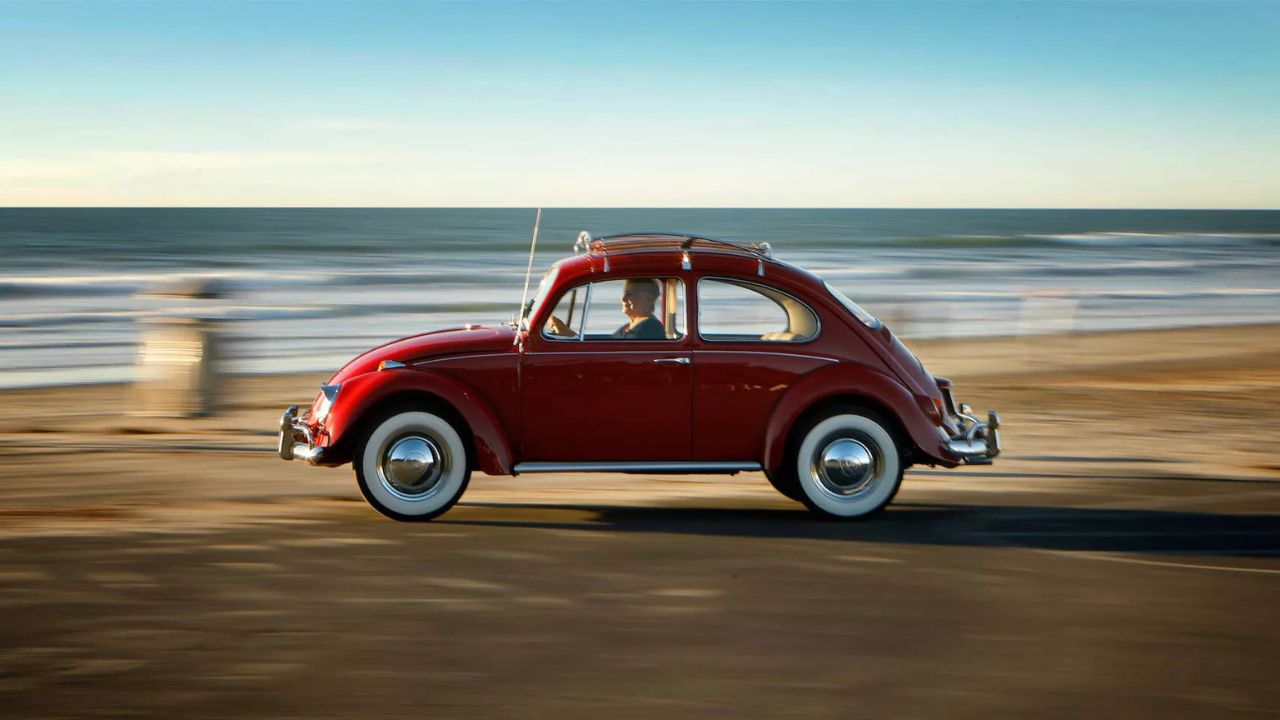
The Volkswagen Beetle is more than just a car at this point. It’s a cultural icon that rolled its way into hearts worldwide. With its unmistakable rounded shape and cheerful demeanor, this little German automobile became one of the most recognizable vehicles ever made.
But beyond its cute appearance lies a fascinating story filled with unexpected twists, global adventures, and surprising influences that shaped automotive history.
It Was Originally Hitler’s “People’s Car.” Project
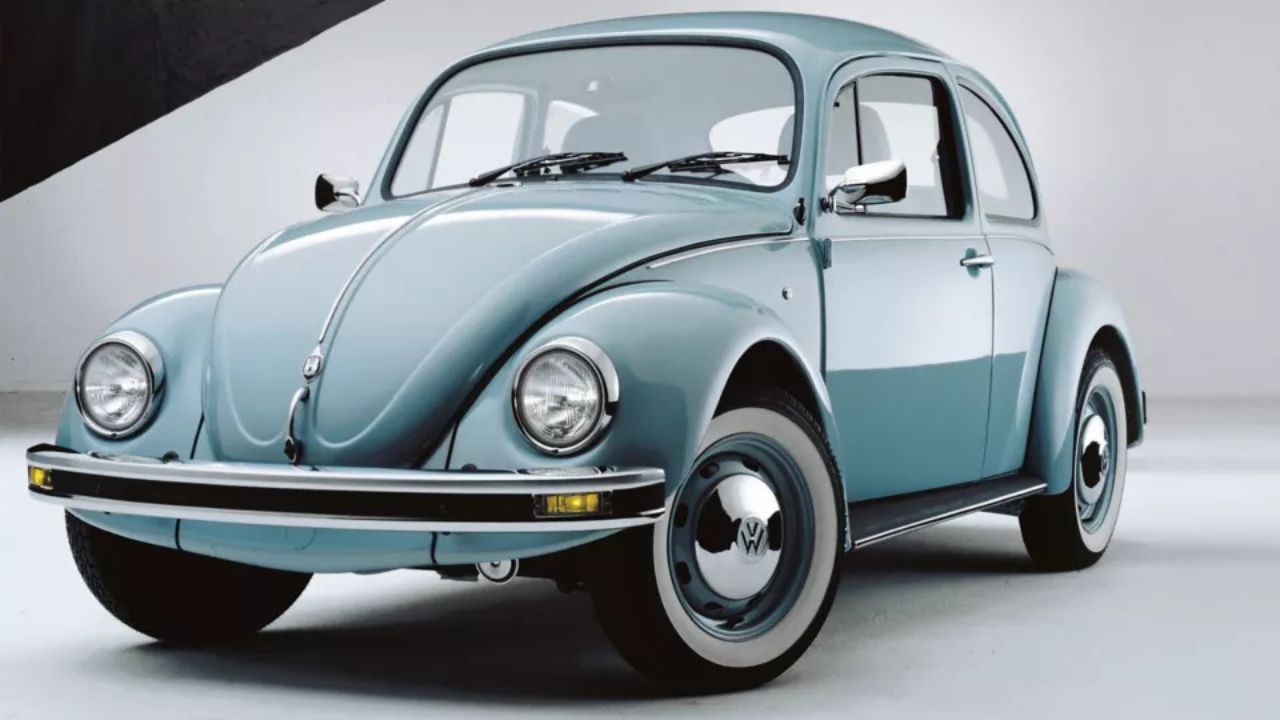
The Beetle’s origins trace back to a propaganda initiative called the “Kraft durch Freude” (Strength through Joy) program in the 1930s. Adolf Hitler envisioned a car that every German worker could afford, commissioning Ferdinand Porsche to design what was initially called the KdF-Wagen.
In reality, no KdF-Wagen savings scheme members received their cars by the end of World War II, and the factory shifted to military production instead.
British Officers Nearly Killed the Project

After World War II, the British Military Government took the Volkswagen factory into trusteeship, and the plant’s future was uncertain. Volkswagen’s history notes that British pragmatism protected the factory from being dismantled, with Senior Resident Officer Major Ivan Hirst playing a key role in restarting civilian production, beginning with a British order for 20,000 cars in August 1945 and series production starting on December 27, 1945.
The cars initially served practical transport needs in the British occupation zone, which helped keep production alive.
It Became Mexico’s Taxi King for Decades

In Mexico City, the Beetle reigned supreme as the unofficial taxi of choice from the 1970s through the early 2000s. These green and white “vochos” became as much a part of Mexico City’s identity as street tacos and mariachi music.
The last classic Beetle rolled off the production line at Volkswagen’s Puebla plant on July 30, 2003, marking the end of production for the original Type 1 design.
It Starred in Hollywood Before Most Actors Were Born

The Beetle’s movie career began long before Herbie became a household name in 1968’s The Love Bug. Disney’s anthropomorphic racing Beetle spawned multiple sequels and turned the car into a genuine movie star with its own personality.
The success of these films helped cement the Beetle’s reputation as more than just transportation—it became a character people could relate to and root for.
It outsold the Model T Ford by millions.

While Henry Ford’s Model T is often credited as the first mass-produced car, the Beetle broke the Model T production record on February 17, 1972, when the 15,007,034th Beetle rolled off the line. Total classic Beetle production ultimately reached 21,529,464 cars worldwide.
This achievement is even more impressive considering the Beetle’s design remained largely unchanged throughout its production run.
It Accidentally Launched the American Counterculture Movement
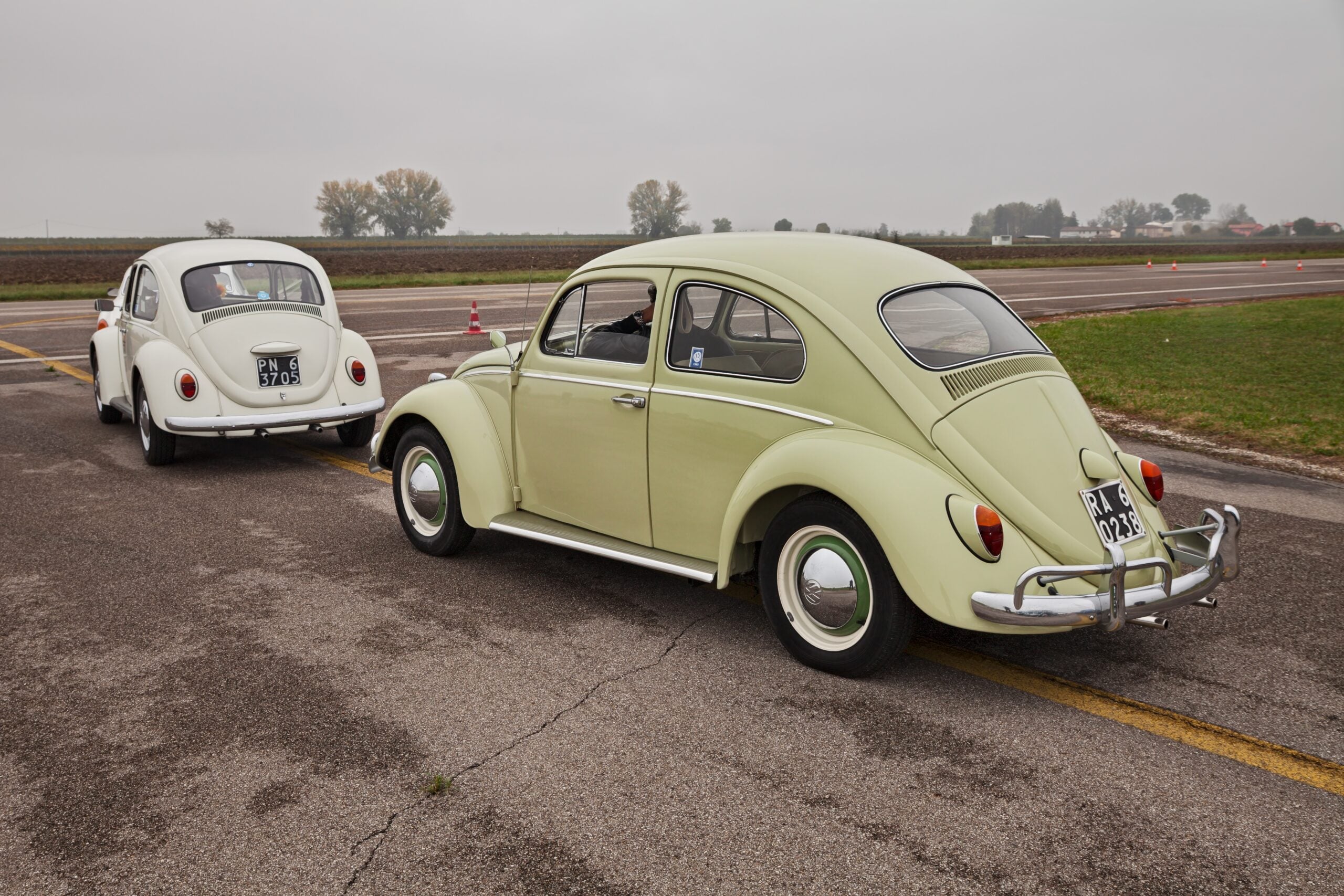
Doyle Dane Bernbach’s famous “Think Small” campaign debuted in 1959, with copy by Julian Koenig and art direction by Helmut Krone. It helped reshape American advertising by leaning into the Beetle’s modest size and simplicity at a time when many U.S. cars were getting bigger and more elaborate.
The campaign later aligned well with a growing appetite for honesty and minimalism, but it is more accurate to say it reflected cultural shifts rather than launching the counterculture movement on its own.
It Had a Secret Life as a Luxury Car in Some Countries

While Americans knew the Beetle as an affordable, no-frills vehicle, it commanded premium prices in many developing nations due to import taxes and limited availability. In countries like Brazil and Nigeria, owning a Beetle became a status symbol that signified middle-class success.
The car’s German engineering reputation added to its prestige factor in markets where European imports were considered superior to domestic alternatives.
The Beetle Ended Far From Where It Began
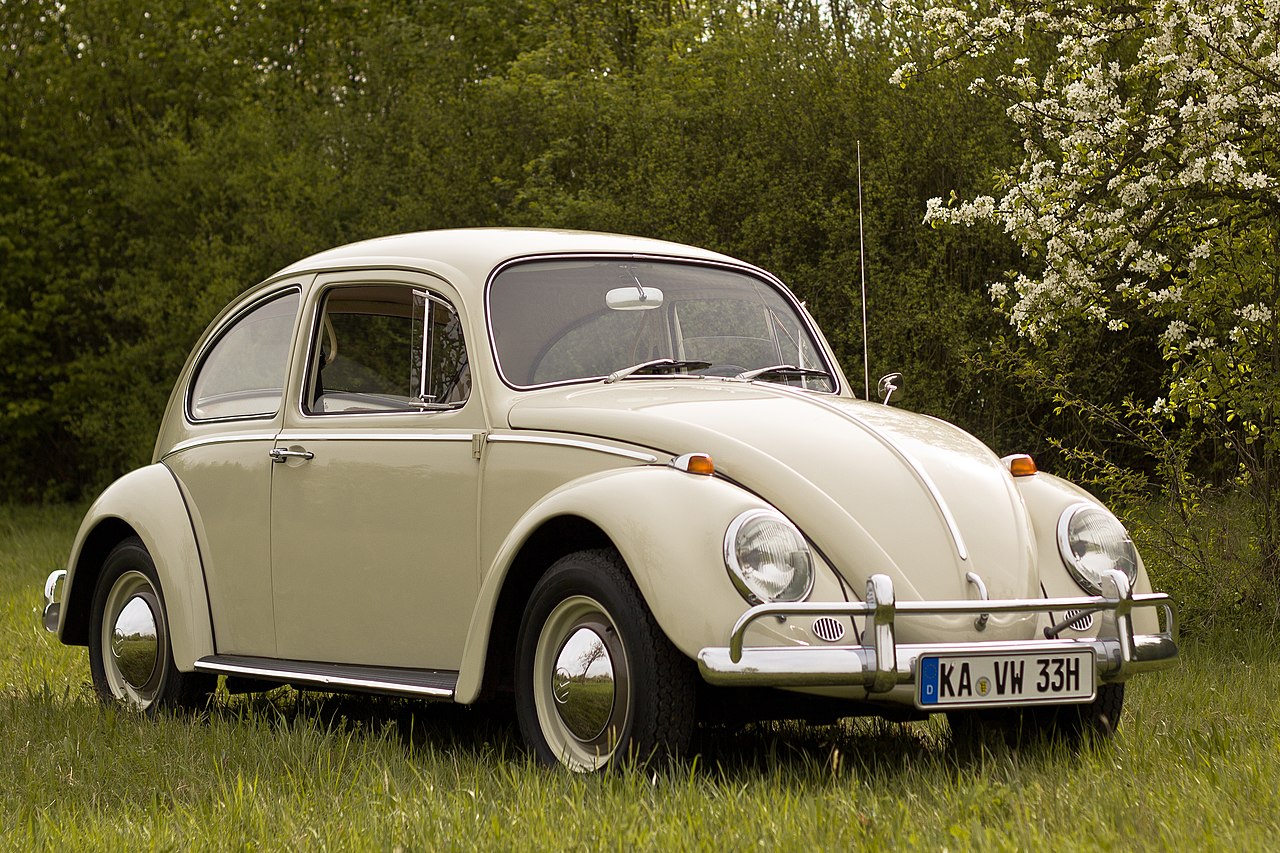
Beetle production ended at Volkswagen’s Wolfsburg plant in 1974, and German Beetle sedan production ended in Emden on January 19, 1978, but the convertible production ran for 2 more years. The final classic Beetle was built much later in Puebla, Mexico, on July 30, 2003, closing out worldwide production at 21,529,464 cars.
So while Wolfsburg is closely tied to the Beetle’s story, the last classic Beetle did not come from the Wolfsburg line.
It Inspired an Entire Genre of “Punch Buggy” Games
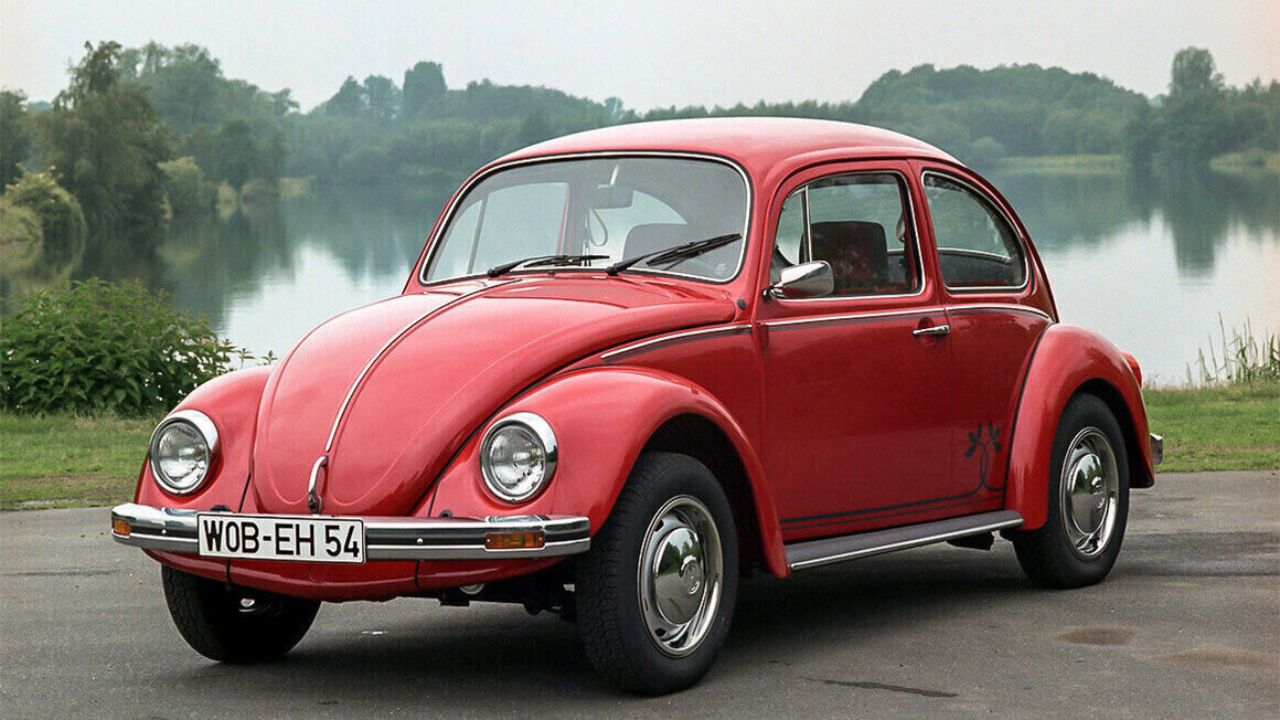
The simple act of spotting a Beetle and playfully punching your companion became a global phenomenon that transcended cultures and generations. This grassroots game required no equipment, no rules, and no organization, just the universal appeal of the Beetle’s distinctive silhouette.
Even today, decades after peak Beetle popularity, many people still instinctively scan traffic for that familiar rounded shape.
Conclusion
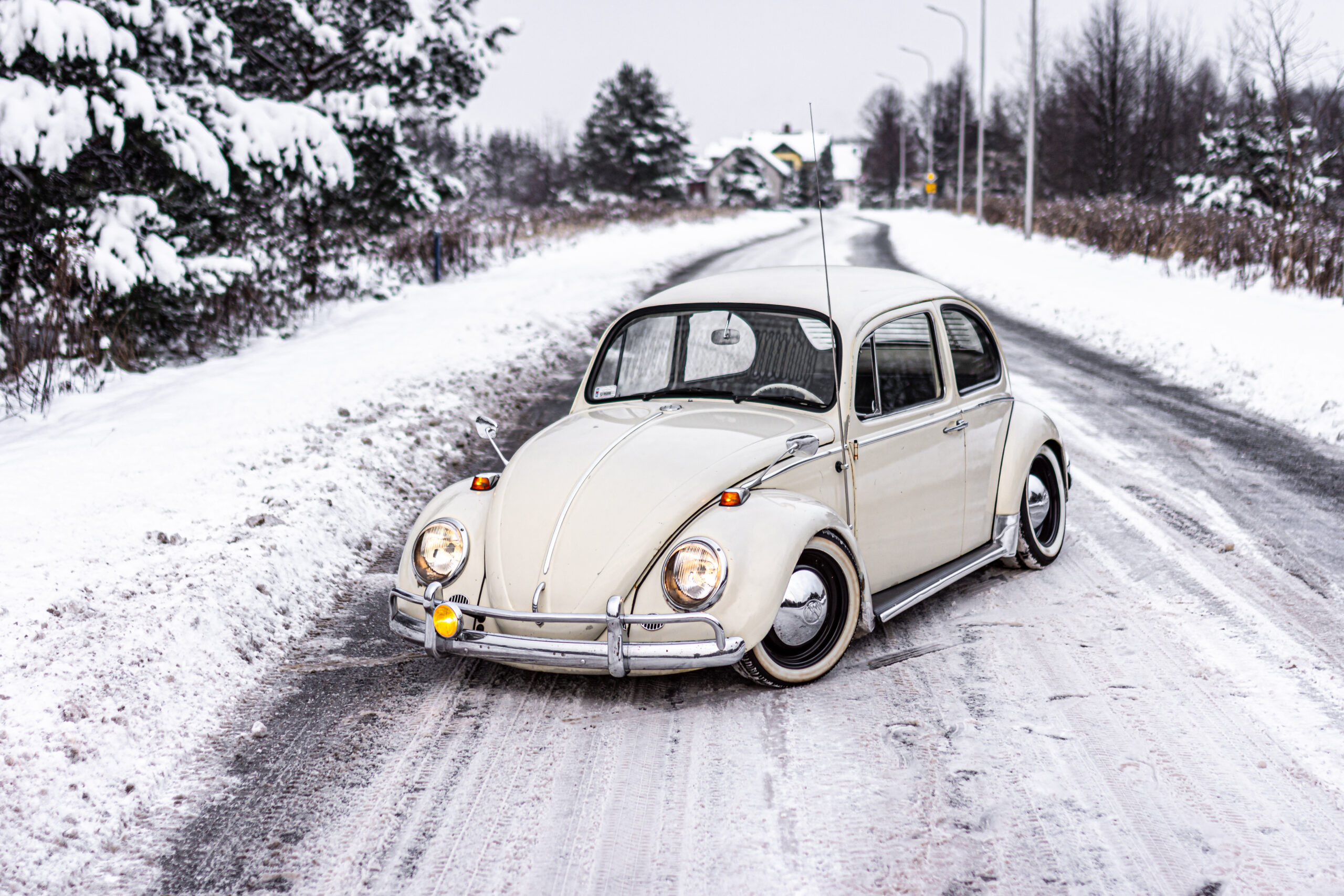
The Volkswagen Beetle’s legacy extends far beyond automotive history into the realms of culture, advertising, and human connection. From its troubling origins to its triumphant global success, the little car that could proved that sometimes the most unlikely designs capture the world’s imagination.
While modern Beetles share little more than a name and general shape with their predecessors, the original’s influence on how we think about cars, marketing, and design continues to ripple through our culture today.