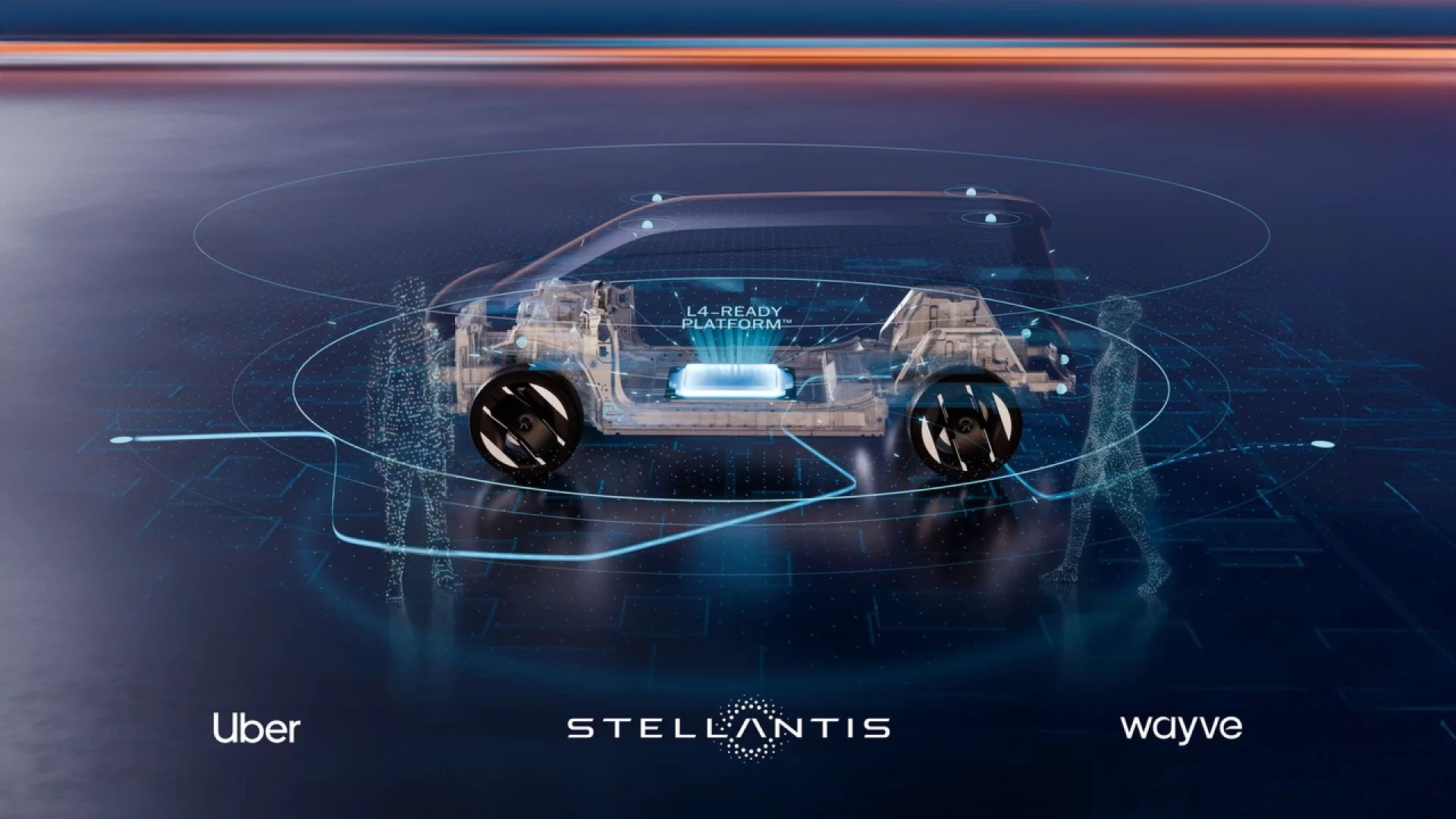
Autonomous driving development is entering a new phase as major industry players shift their focus from isolated technology demonstrations to large-scale commercial deployment. In one of the most significant robotaxi announcements of the year, Stellantis, Wayve, and Uber have signed an agreement to jointly develop and deploy Level 4 autonomous ride-hailing services around the world.
The partnership brings together three critical pieces of the autonomous mobility puzzle. Stellantis will supply purpose-built autonomous vehicle platforms, Wayve will provide its AI driving software, and Uber will serve as the customer-facing mobility network.
Rather than attempting to build every component in-house, the companies are betting that a collaborative ecosystem will accelerate the rollout of driverless transportation. The agreement also expands existing relationships between the three firms as competition in the robotaxi sector continues to intensify.
If successful, the partnership could help bring autonomous ride-hailing services to cities across Europe, North America, and other global markets in the coming years.
Three Companies, Three Key Roles
Under the agreement, Stellantis will develop and manufacture vehicles built on its L4-Ready Platforms. These vehicles are designed specifically for autonomous operations and include integrated sensor systems along with the safety redundancies required for driverless service.
Wayve will contribute the artificial intelligence responsible for navigating real-world environments. The British technology company has attracted significant attention for its mapless autonomous driving approach, which differs from many competing systems that rely heavily on high-definition mapping.
Uber will provide access to its global ride-hailing platform. Customers would be able to request autonomous rides through the same Uber app they already use today, allowing the company to leverage its existing customer base and operational infrastructure.
Wayve’s Mapless AI Could Be A Key Advantage
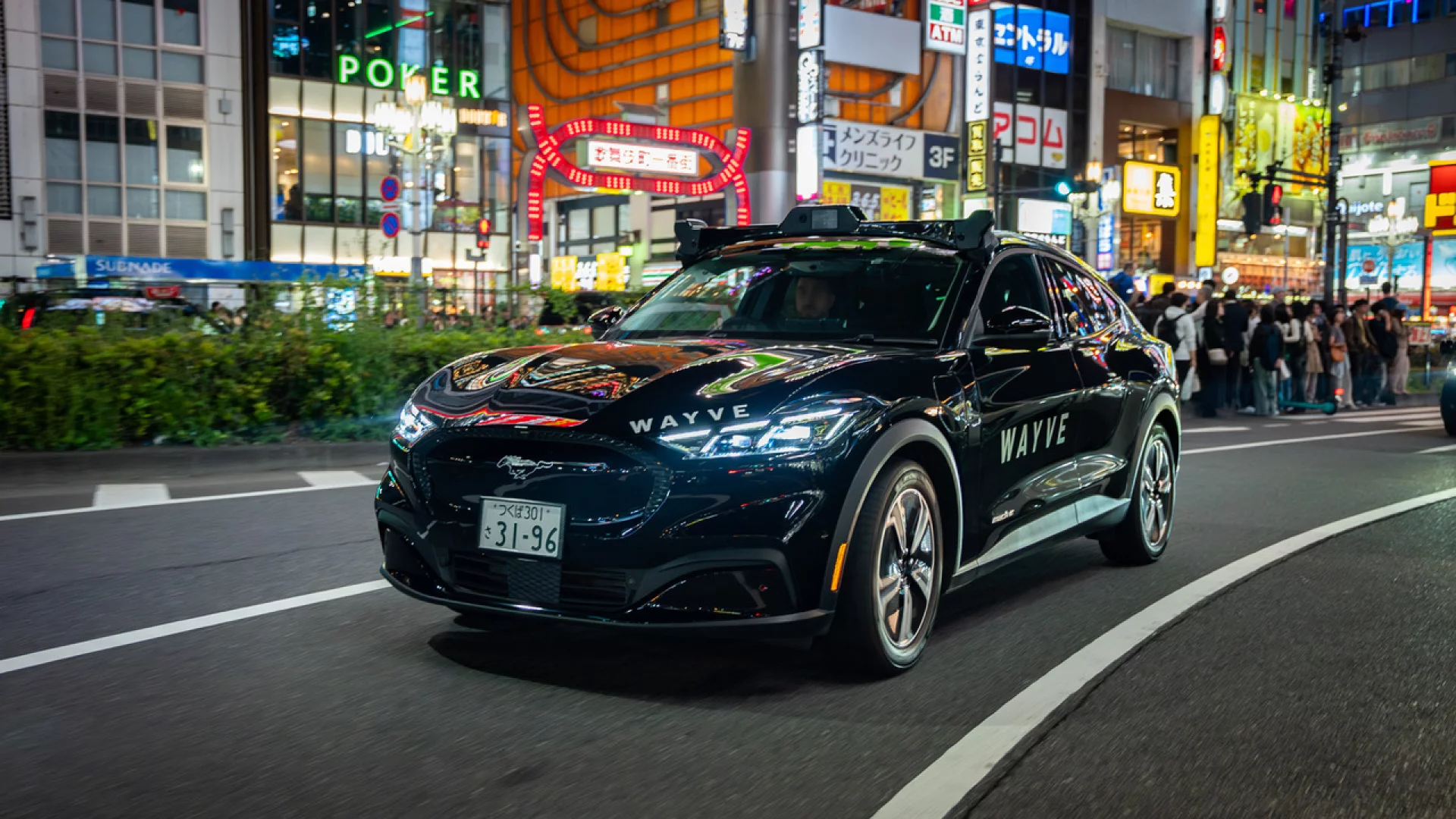
One of the most notable aspects of the partnership is Wayve’s autonomous driving technology. Many current Level 4 robotaxi systems depend on highly detailed maps that must be created and maintained for every city in which they operate. While effective, that process can be expensive and time-consuming, limiting how quickly companies can expand into new markets.
Wayve takes a different approach, as its AI-driven system uses real-time sensor data to interpret and navigate the environment without relying on pre-mapped routes. The company says this allows the software to adapt more easily to different regions, road conditions, and driving environments.
If the technology performs as intended, it could significantly reduce deployment costs and speed up expansion compared with traditional geofenced autonomous systems.
Uber Continues Building Its Autonomous Ecosystem
For Uber, the agreement represents another major step in its strategy of partnering with autonomous technology providers rather than developing its own self-driving system.
The company has spent the past several years building relationships across the autonomous vehicle industry, positioning itself as the platform through which future robotaxi fleets reach customers.
By integrating autonomous vehicles from multiple partners into its network, Uber can offer driverless rides without assuming the massive development costs associated with building autonomous vehicles or AI systems from scratch.
That strategy could prove increasingly valuable as robotaxi services move from pilot programs to larger commercial operations.
Testing And Deployment Plans Are Already Underway
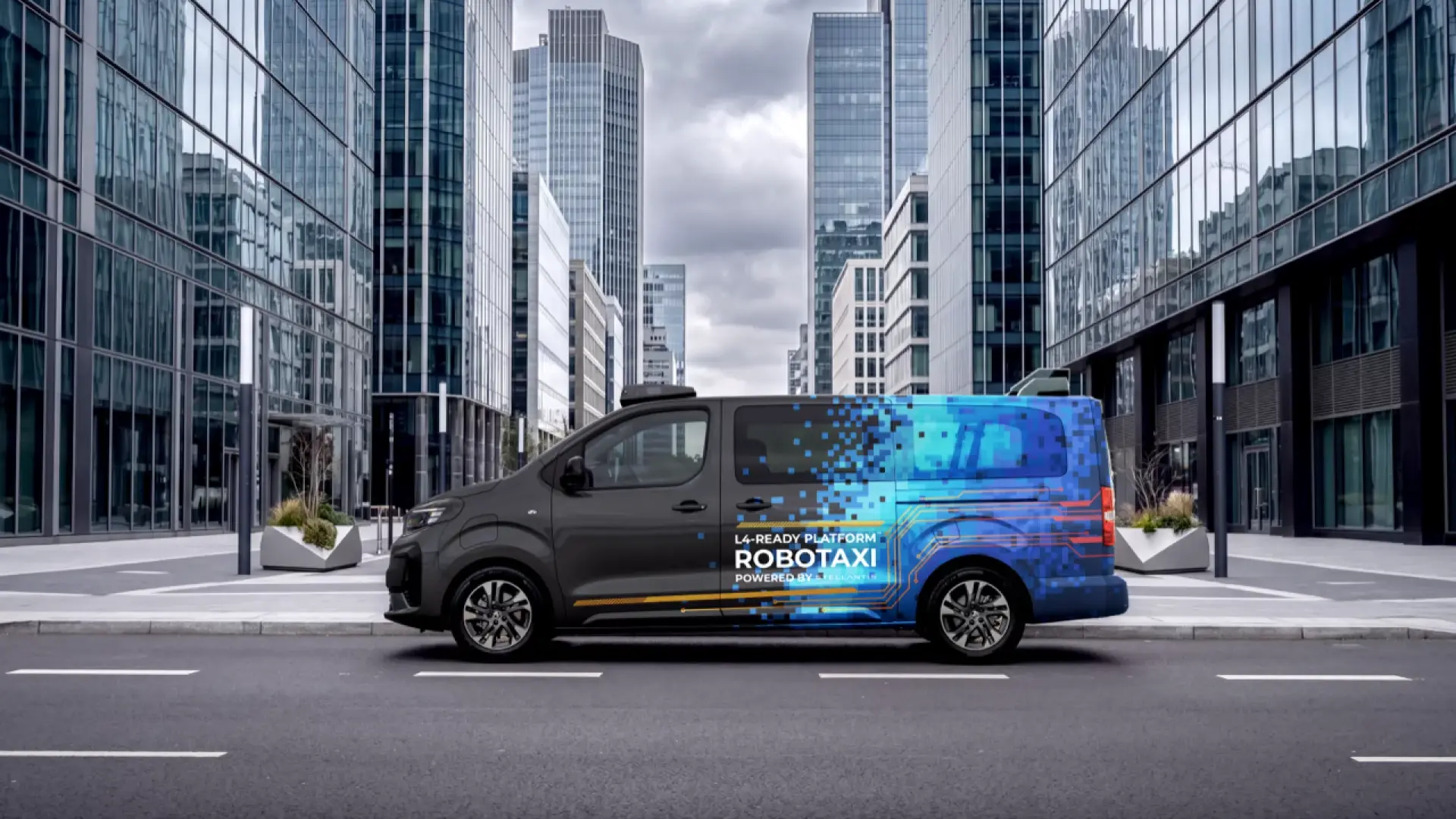
The companies say they plan to begin work immediately on vehicle integration, testing, validation, and deployment efforts.
Initial operations are expected to focus on Europe and North America before expanding to additional markets. The partnership is currently governed by a non-binding memorandum of understanding that establishes a framework for future agreements covering vehicle production, licensing, and technology development.
Each company retains the ability to pursue other autonomous driving partnerships independently.
The Race To Scale Robotaxis Is Accelerating
The announcement highlights a growing trend across the autonomous vehicle industry. Instead of pursuing entirely self-contained solutions, many companies are increasingly relying on partnerships that combine expertise in vehicle manufacturing, software development, and mobility services.
Stellantis brings manufacturing scale. Wayve contributes advanced AI technology. Uber supplies one of the world’s largest mobility networks.
Whether that combination can successfully challenge established autonomous vehicle operators remains to be seen, but the alliance demonstrates how rapidly the industry is moving toward large-scale commercialization. As robotaxi competition intensifies, the winners may not be the companies with the best individual technology, but those capable of building the strongest ecosystem around it.