
Electric vehicles have not been kind to first owners. Many early adopters paid premium prices, only to watch values fall sharply within a few years.
For used-car shoppers, that pain has created an opportunity. Some relatively modern EVs now cost thousands less than comparable new models while still offering strong performance, useful range, and remaining warranty coverage.
According to iSeeCars, EVs lose an average of 57.2 percent of their value after five years. That is far worse than the overall market average of 41.8 percent.
The result is a used market full of tempting deals. Buyers willing to accept yesterday’s battery tech can now get into an EV for dramatically less money than the original owner paid.
EVs Are Depreciating Faster Than Almost Everything Else
iSeeCars analyzed over 950,000 five-year-old used vehicles sold between March 2025 and February 2026. The study found that trucks and hybrids held value best, while EVs remained the weakest major segment.
Trucks lost an average of 34.2 percent after five years, while hybrids lost 35.4 percent. EVs, by comparison, dropped 57.2 percent over the same period.
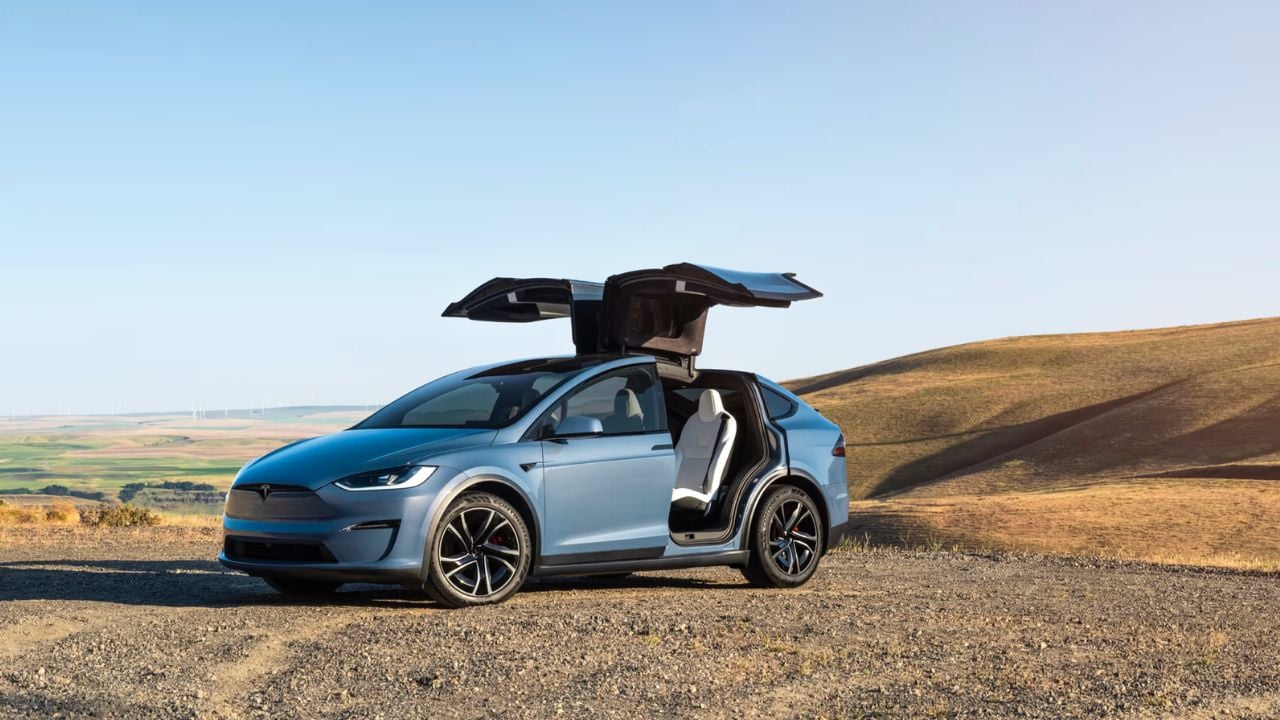
The worst offenders include the Nissan Leaf, Volkswagen ID.4, Tesla Model S, Tesla Model X, Ford Mustang Mach-E, Tesla Model Y, and Kia Niro EV. Several of those models have lost around 60 percent of their original value.
Why Used EV Prices Fell So Hard
Several factors have pushed EV resale values down. One of the biggest is aggressive price cutting, especially from Tesla, which forced other brands to respond with discounts and incentives.
When new EV prices fall, used EV values tend to follow. Buyers are less willing to pay strong used prices when newer models become cheaper or better equipped.
Technology also moves quickly in the EV world. Battery chemistry, charging speeds, range, software, and efficiency can improve rapidly, making older models feel outdated sooner than comparable gas vehicles.
Range anxiety and inconsistent public charging access have also hurt resale demand. Even when an older EV still works well, buyers often discount it heavily because they worry about battery degradation or charging convenience.
The Bargains Are Getting Hard To Ignore
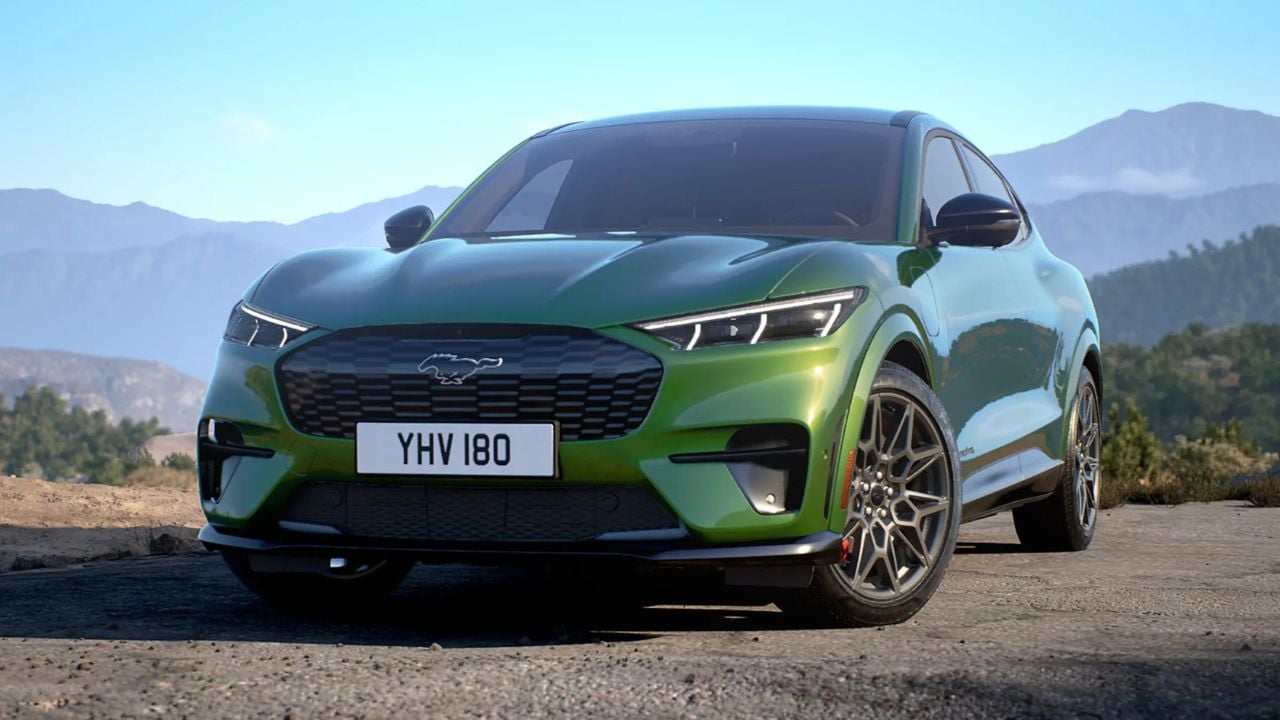
A five-year-old Volkswagen ID.4 that may have cost around $45,000 new can now be found for under $20,000. A Ford Mustang Mach-E from the early production years may sell for around $15,000 despite originally costing close to $38,000.
Tesla models show the same pattern. A Model Y that may have cost roughly $45,000 new can now fall below $20,000 on the used market.
Luxury EVs have taken even bigger dollar hits. A Tesla Model S or Model X can lose tens of thousands of dollars in only a few years, creating major savings for second-hand buyers.
Warranty Coverage Makes The Math Better
Used EVs can be less risky than they look because battery and electric-drive warranties are often longer than standard vehicle coverage. Many EV batteries and motors are covered for roughly eight years or up to 100,000 miles or more, depending on the manufacturer.
That means a five-year-old EV may still have meaningful protection on its most expensive components. Buyers should still verify warranty status, battery health, charging history, and recall completion before purchasing.
For shoppers with home charging, the value case becomes even stronger. A heavily depreciated EV can deliver low running costs, quiet performance, and modern tech for the price of a basic used compact car.
Not Every Cheap EV Is A Smart Buy

Low prices do not automatically make every used EV a good deal. Short-range models like older Nissan Leafs may be excellent local commuters but poor choices for road trips.
Early Volkswagen ID.4 models offer strong value, though some owners have criticized the infotainment and touch-control layout. Used Mach-E models can be compelling, but buyers should check software updates and charging compatibility.
Luxury EVs may be cheap to buy but expensive to repair once warranties expire. A discounted Tesla Model S or Porsche Taycan can still carry premium maintenance and insurance costs.
Patience Is Finally Paying Off
For buyers who skipped the early EV rush, the used market now looks far more attractive. The first owner absorbed the steepest depreciation, while the second owner gets much of the same technology at a major discount.
EV depreciation may eventually stabilize as battery improvements become more incremental and charging infrastructure improves. Future models may not lose value as brutally as the first wave did.
For now, though, the market is unusually favorable for used-EV shoppers. Anyone with realistic range needs, access to charging, and a careful inspection process can turn EV depreciation into a major win.