
HONOLULU, Hawaii Hawaii has joined a growing movement of U.S. states implementing what lawmakers and safety advocates call daylighting laws to improve road safety. On January 1, 2026, a new statewide regulation officially went into force that prohibits motorists from parking their vehicles within 20 feet of crosswalks or intersections, even in locations without posted signs or curb markings.
Local drivers, commuters and businesses are confronting the practical and social effects of a law designed to reshape everyday street habits.
The law is rooted in Senate Bill 1195, a transportation safety bill passed by the Hawaii Legislature in 2025. The statute adds a new section to chapter 291C of the Hawaii Revised Statutes that bans street parking within twenty feet on each side of any crosswalk or intersection. It also specifies that such enforcement may proceed whether or not there are official signs or curb markings. Those in support of this measure argue that keeping intersections “daylighted” improves visibility for pedestrians, bicyclists and motorists alike.
The Science of Sightlines
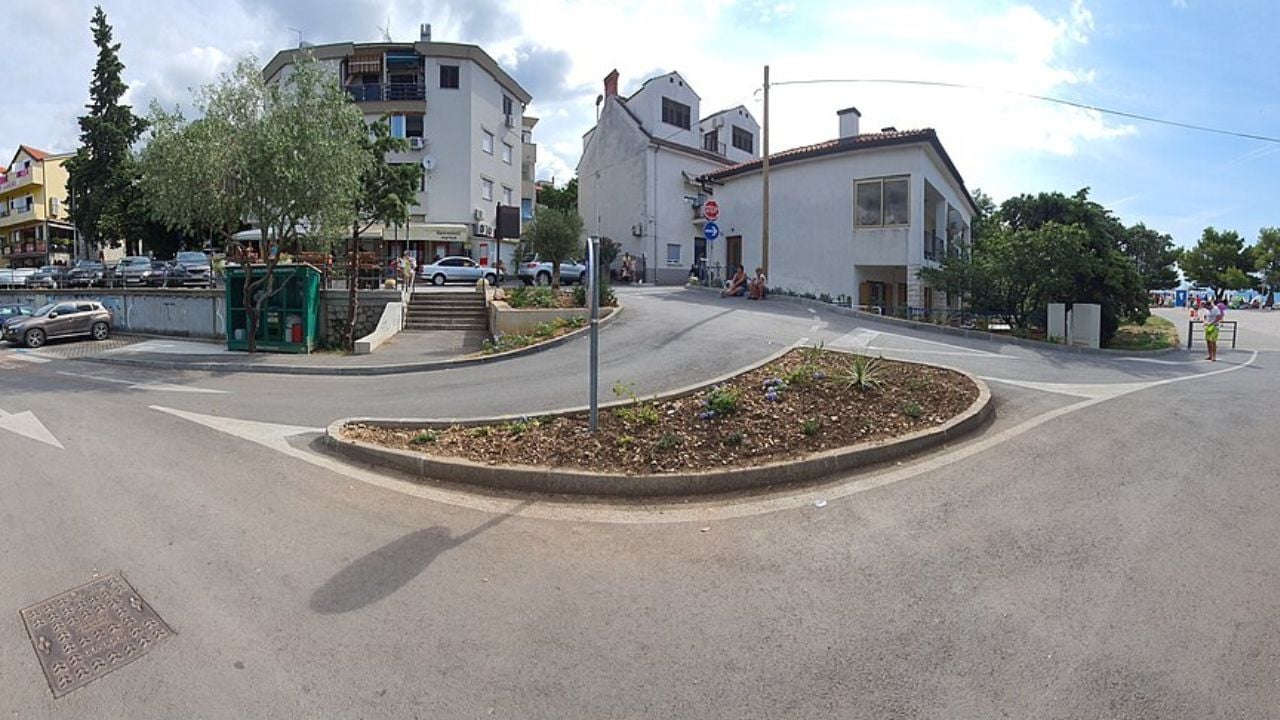
At the heart of the policy is a simple premise: physical obstructions created by parked vehicles can block the line of sight at busy corners or mid-block crossings. Intersections are among the most hazardous points on urban streets for pedestrians and cyclists, and limited visibility increases the risk of collisions. The National Association of City Transportation Officials has recommended daylighting as a strategy to reduce such incidents.
Under the measure, enforcement officers are empowered to cite vehicles regardless of the presence of signs or curb paint. Officials emphasize that motorists must understand that the absence of visible parking prohibition markers does not imply legal parking within daylighting zones. Violators face a $50 fine for each day the vehicle remains in violation of the rule, with fines supporting pedestrian safety programs such as Hawaii’s Safe Routes to School fund.
Lawmakers who backed the bill highlighted data showing rising numbers of pedestrian injuries and fatalities at intersections across the state. During legislative debate, proponents pointed to studies and crash data that link obstructed sightlines with increased risk to vulnerable road users, especially schoolchildren and older pedestrians. Visibility improvements are seen as a low-cost, high-impact intervention compared with large-scale infrastructure projects.
No Sign? No Excuse

While pedestrian safety advocates have praised the law, some residents and drivers have worry about its implementation. They point to the possibility that large sections of residential streets will lose street parking entirely. In urban neighborhoods where street parking is already scarce, the rule could exacerbate parking competition without providing clear alternatives. Others have expressed frustration that motorists may be ticketed for “invisible” violations where there are no signs or painted curbs to delineate the 20-foot boundaries.
Comparisons with similar laws in other states offer context. California’s daylighting law, known as Assembly Bill 413, has faced similar challenges, with cities balancing enforcement and public education. In parts of the Bay Area, transportation agencies initially issued warnings before issuing citations, and some municipalities have moved to physically mark daylighted zones with red curbs or remove parking spaces entirely to make compliance intuitive.
Transportation planners see daylighting as part of a broader shift toward Vision Zero principles, which aim to eliminate traffic deaths and serious injuries. In that context, reducing blind spots at crosswalks and intersections is an incremental but measurable improvement. Honolulu Police Department traffic safety units have noted that pedestrian involvement in crashes has increased in recent years. This reinforces the need for multiple safety strategies, including public education campaigns about the new law.
The Premise and Penalty
State officials in Hawaii have conducted limited outreach to warn drivers before full enforcement began. Honolulu and county traffic authorities issued reminders through local media and social platforms, but some drivers say they still feel unclear about where they can legally park, especially on narrow urban streets.
Enforcement officers have been instructed to focus on compliance and education in the early weeks while balancing fairness with safety priorities.
Business groups in high-traffic commercial districts worry about the impact on customers who rely on convenient curbside parking. Restaurant and small business owners in Waikiki and other dense business corridors have testified that removing parking spaces near intersections may reduce foot traffic, although some transportation advocates argue the improved safety will ultimately benefit local commerce by making pedestrian zones more attractive.
Whether the policy will achieve its intended effects without undue burden on motorists remains a key question for lawmakers and residents in the months ahead.