
Pull up a seat, grab a cold one (of your preferred non-alcoholic beverage, obviously, because we’re responsible… mostly), and let’s talk about some unsung heroes of the sports car world. Every era leaves behind a group of forgotten champions. These aren’t the million-dollar hypercars or the track-day monsters that dominate Instagram. No, these are the cars built with vision, sometimes a dash of eccentricity, and genuine care, yet they never quite reached the recognition they so truly deserved. They carried the spirit of driving in its purest form, made for those who find joy in every corner, every straightaway, and even every painfully slow commute.
Have you ever come across a car that just stopped you in your tracks, made you do a double-take, and then left you scratching your head, wondering why on Earth no one ever speaks about it? Why isn’t it getting hyped up by TikTok trendspotters or endlessly debated on forums?
That feeling, that nagging sense of injustice for an underappreciated machine, is precisely what inspired this list. Each of these rides had personality, often surprising performance, and a clear purpose that too often went unnoticed by the masses who were busy chasing the latest, flashiest thing. As someone who admires the underdogs, the quirky, and the genuinely well-engineered machines that just missed the spotlight, I see them as rare treasures. They tell a story of ambition and artistry that stretches far beyond the mainstream hype.
True enthusiasts, the ones who really get it, know their worth, even if history decided to give them the cold shoulder. These sports cars deserve their moment to shine, even if it’s just in this humble digital space.
Why These Sports Cars Finally Deserve Recognition

Selecting these sports cars meant looking past mere sales numbers and headline-grabbing fame. We weren’t just picking the fastest or the most expensive, but the ones that brought a truly unique mix of design, performance, and innovation that made them stand out in their time, even if that distinction was lost on the general public.
We dug through critical reviews from back in the day (when car mags still smelled of ink and stale coffee), considered their historical context, and meticulously compared how these cars stacked up against their rivals when they were brand new. Many of them dared to introduce features or styling cues that subtly influenced the industry yet somehow never became household names. Collector interest and modern appreciation (the kind that bubbles up from the internet’s obscure corners) also played an important role in shaping this list.
These cars were chosen for their undeniable character, not their popularity. They represent genuine ambition from designers and engineers who dared to create something special, something that didn’t just follow the herd. Enthusiasts still talk about their surprising qualities in hushed tones in forums, at local car meets where they’re often the only ones in attendance, and within tight-knit clubs. We wanted to bring those conversations, those knowing nods, to a wider audience.
So, consider this list a long-overdue standing ovation for cars that genuinely earned it.
Mitsubishi 3000GT VR-4

The Mitsubishi 3000GT VR-4 (and its Dodge Stealth R/T twin, but we’ll get to that later) was a technological marvel, an absolute missile of bold styling and advanced wizardry. It arrived in the ’90s packed with features that felt genuinely futuristic for the price: all-wheel drive, four-wheel steering, active aerodynamics (front and rear spoilers that moved!), active suspension, and even an Active Exhaust System with Sport/Tour modes. Yeah, you read that right. This thing had more buttons than a fighter jet cockpit, and it all worked (mostly).
Power came from a twin-turbocharged 3.0-liter V6, pushing a respectable 300 horsepower (later 320 hp) to all four wheels. The driving experience blended excitement with control, feeling planted on the road with a sense of balance that genuinely surprised many. Inside, the cabin delivered a driver-focused layout, like a Japanese Batmobile, with supportive seating and a purposeful design. Its bold exterior lines still draw attention today, proving how well its design has aged, unlike some of its contemporaries. It carried an identity distinct from other sports cars of its era, almost daring you to find something else as over-engineered.
The 3000GT VR-4 remains a symbol of ambition and forward-thinking, a car that pushed boundaries but often gets overlooked in favor of its Supra and Skyline brethren. It deserves recognition for cramming more tech into one car than most automakers did in a decade.
Mazda RX-8

The Mazda RX-8 was a triumph of graceful design meeting unconventional engineering. It offered unique styling, highlighted by its flowing lines and, perhaps most famously, its “freestyle” rear-hinged half-doors that added a touch of practicality to its otherwise sleek coupe form. No, they weren’t full suicide doors, but they were pretty darn close, and made ingress/egress for rear passengers (whoever they were) surprisingly easy.
But the real party piece was under the hood: the Renesis 1.3-liter rotary engine. It might have been small on displacement, but it revved to 9,000 RPM in manual-transmission models (7,500 rpm in automatics), sounded like a howling banshee, and was buttery smooth. Behind the wheel, it felt light and incredibly responsive, encouraging drivers to explore its capabilities with a precision that rewarded skill. The cabin carried a modern yet minimalist look, placing the focus squarely on the act of driving, which, for a sports car, is exactly what you want.
It stood apart from others in its class with a character that never felt copied, truly balancing sportiness with everyday usability, a rare quality in its category. Despite often being overshadowed by flashier names and plagued by the usual rotary jokes (oil consumption, apex seals, etc.), it left a lasting impression on those who drove it. The RX-8 provided a glimpse into Mazda’s commitment to creativity and the rotary engine. Even today, it feels fresh and distinctive, a testament to Mazda’s willingness to be different.
And it did all that without pop-ups!
Alfa Romeo GTV6

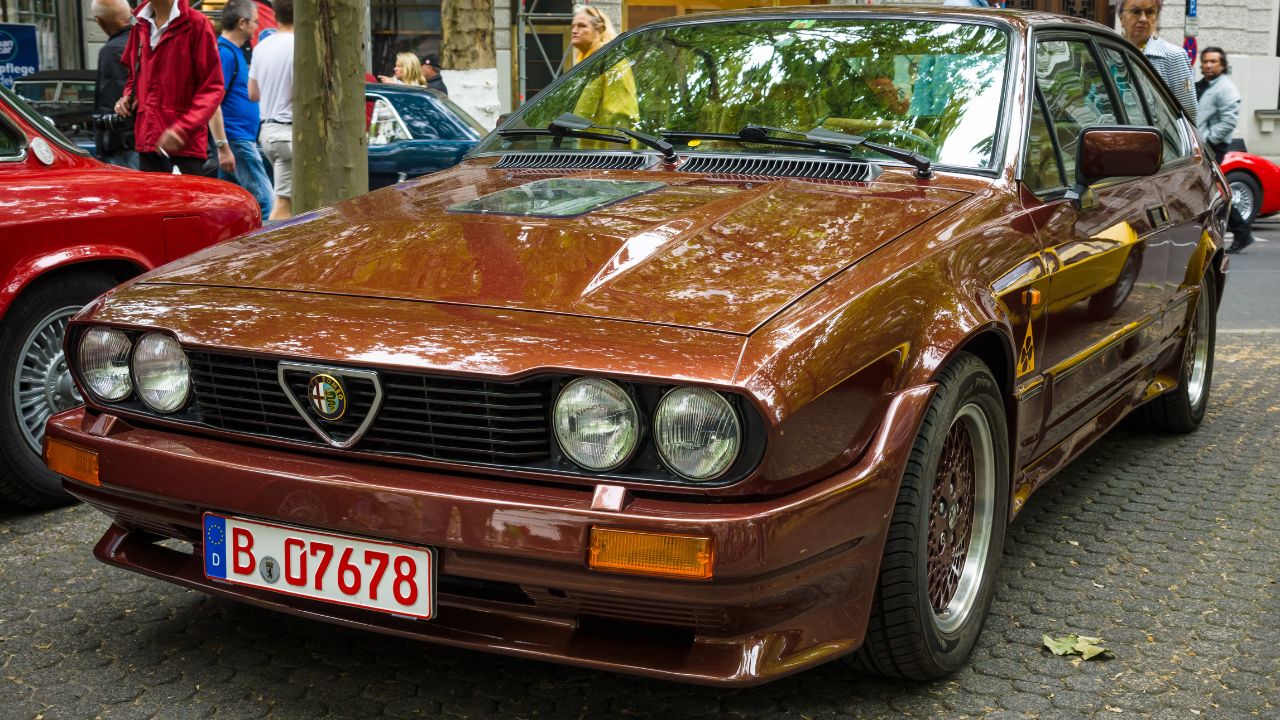
Italian charm radiated from this car like exhaust fumes from a rich mixture. Its distinctive wedge-shaped body, sculpted hood with that power bulge, and subtle curves created an unmistakable silhouette that was unmistakably posh and European. Stepping inside revealed a proper cockpit-like interior, tailored for those who valued a sense of connection to the car, with gauges angled just so and a perfect driving position.
The real magic lay in its transaxle layout (front engine, rear gearbox for near-ideal weight distribution) and that glorious 2.5-liter Busso V6 engine. That Busso V6 wasn’t just an engine; it was an orchestra. It delivered agile handling and a spirited drive that felt alive on winding roads, singing a glorious, induction-heavy symphony as it climbed the revs. This model expressed its personality through every detail, from the quirky placement of the gauges to the “thunk” of the doors.
The GTV6 built a reputation for offering an experience that lingered long after the drive ended. It represented Alfa Romeo’s ability to craft cars that felt emotional and engaging, a proper driver’s car. Overlooked by many in its time (probably too busy fixing their Maseratis), this coupe holds a special place for those who appreciate character and a proper analog driving experience.
It remains a rewarding find for anyone who discovers its unique charms, assuming you can find parts.
Honda CR-Z

The Honda CR-Z was, let’s be honest, a bit of an oddball. It dared to blend fuel efficiency with sporty intentions, carving its own path in a crowded segment, much like a confused platypus trying to be both a duck and a beaver. The exterior looked sleek and futuristic, like a chopped CRX from the future, drawing the eye with its distinctive shape and controversial split rear window. Inside, the dashboard wrapped around the driver with a layout that felt almost concept-like, bathed in cool blue ambient lighting.
Driving the CR-Z delivered a mix of composure and surprising agility (especially with the manual transmission), making it fun for both city commutes and open roads, as long as those roads weren’t too steep. It was powered by a 1.5-liter four-cylinder paired with Honda’s Integrated Motor Assist (IMA) hybrid system, delivering about 122 hp in early models. It served those who wanted style and a hint of sportiness without sacrificing practicality or fuel economy.
This was a car that asked people to rethink what a sporty compact could be, and while it never set the world on fire, it showed Honda’s willingness to experiment and push boundaries. The CR-Z remains an underappreciated model that hinted at what could be possible if hybrids actually tried to be fun.
Toyota MR2 Spyder

Compact and undeniably playful, the Toyota MR2 Spyder (the third generation, ZZW30) truly embodied the joy of simple, lightweight driving. It was Toyota’s answer to the Mazda Miata, but with a crucial twist: a mid-engine layout. This gave it balance and responsiveness that made every trip memorable, a genuine scalpel on winding roads.
The exterior carried soft curves and a friendly, approachable style that stood apart from aggressive competitors, looking more like a cheerful insect than a predatory sports car. Inside, space was tight (it’s a tiny roadster, what did you expect?) but thoughtfully arranged, keeping the focus squarely on the essentials of driving.
It excelled on winding roads, rewarding smooth and deliberate inputs with incredibly direct steering and minimal body roll. Many drivers found themselves smiling behind the wheel, appreciating its lightweight feel and nimble chassis. This car never tried to dominate with size or brute force; it was about finesse and connection.
The MR2 Spyder captured the heart of what makes small roadsters so appealing: pure, unadulterated fun. It is a reminder that pure joy often comes in the simplest, lightest form, and sometimes, less really is more.
Porsche 944
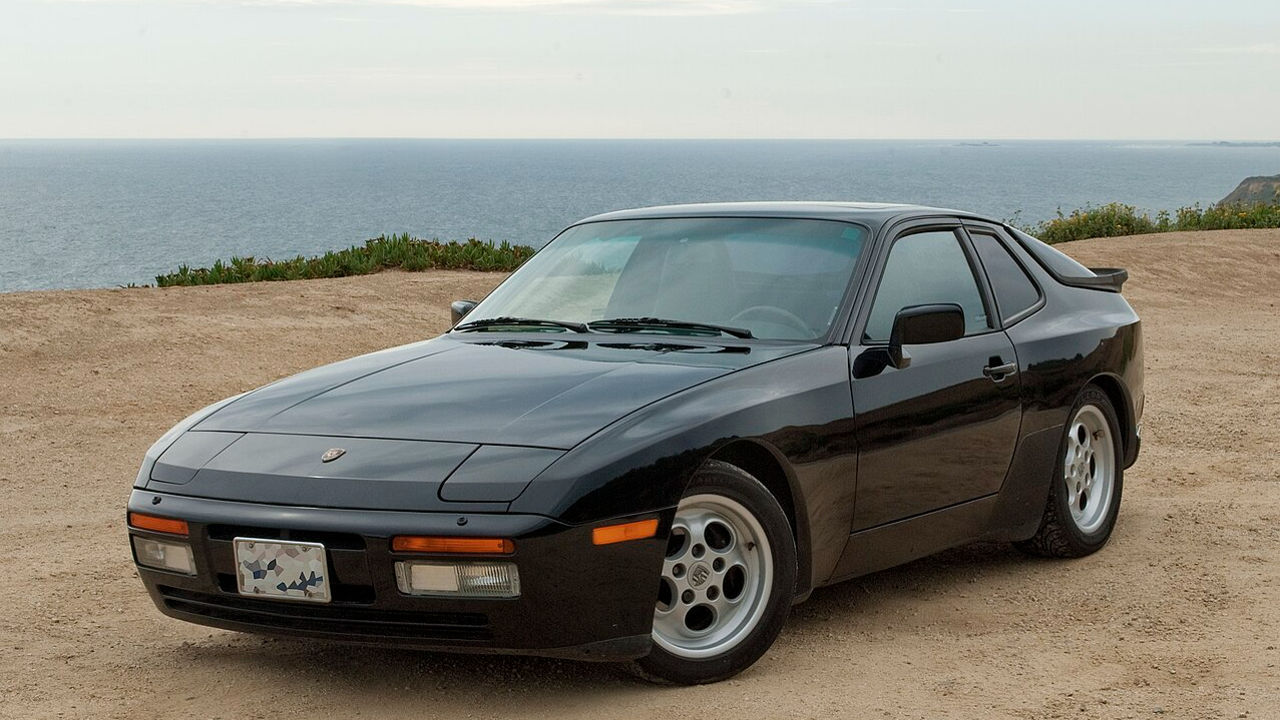
The Porsche 944 combined legendary Porsche precision with a more approachable price tag than its more famous (and expensive) 911 stablemates, opening the revered brand to an entirely new set of buyers. Its wide stance and perfectly balanced proportions (thanks to its front-engine, rear-transaxle layout) gave it a look that still feels purposeful and timeless today.
Driving the 944 delivered a sense of unflappable control and stability, even when pushing hard. The interior kept things straightforward, creating a space focused on driving above all else, no unnecessary frills. Long trips felt surprisingly comfortable, while spirited drives brought out its dynamic personality, revealing a perfectly weighted steering and a satisfyingly mechanical gearbox. It often stood in the shadow of more famous Porsches, constantly facing the “Is it a real Porsche?” question, but it undeniably carved its own identity as a fantastic sports car in its own right.
This coupe represented German engineering tailored for real-world enjoyment, a genuine driver’s car that didn’t demand you sell your firstborn’s kidney. It still commands respect as a classic that quietly proved its worth, reminding us that there’s more to Porsche than just the rear-engined icons.
Nissan 300ZX (Z32)
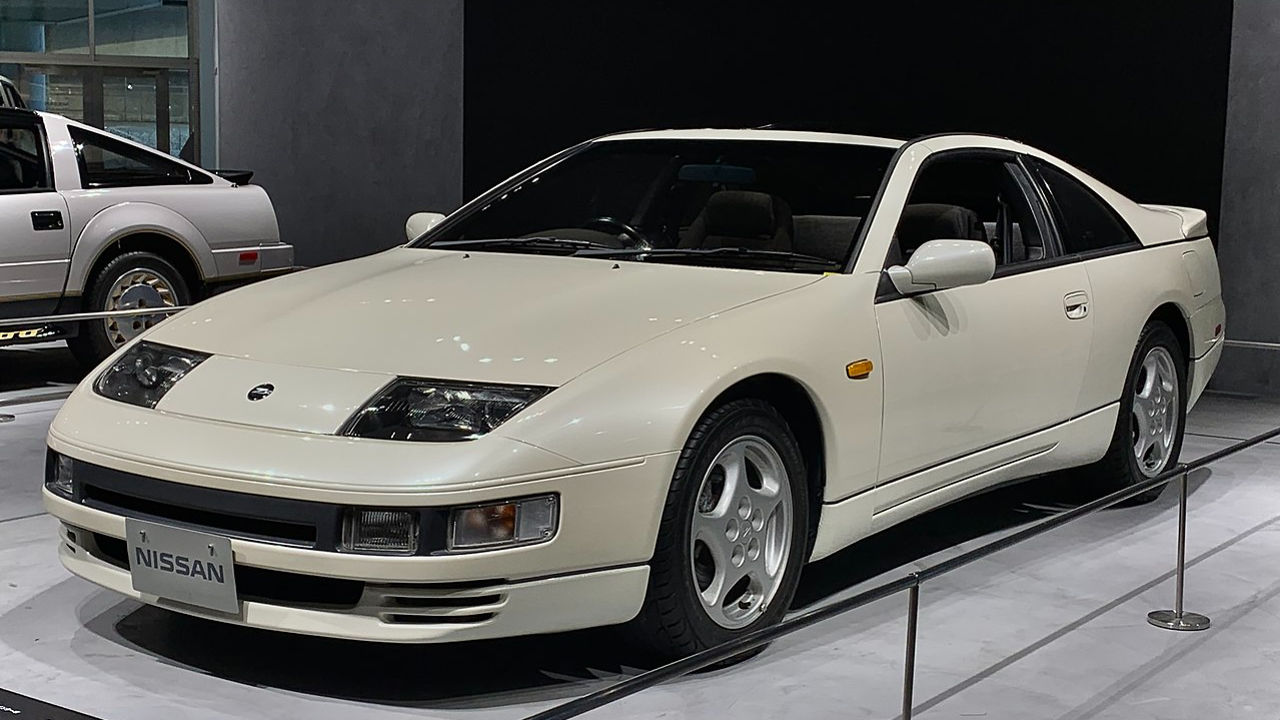
Sleek, modern, and jaw-dropping for its time, the Nissan 300ZX (Z32 generation) captured attention with its smooth, organic lines and incredibly advanced features. It carried an unmistakable presence, offering refinement alongside serious performance, especially in twin-turbo guise. The cabin featured a wraparound design that immersed drivers in the experience, creating a true sense of focus and control, like you were sitting in a fighter jet, only more comfortable.
On the road, it felt composed and incredibly capable, equally suited for long, high-speed cruises or spirited drives on twisty backroads. The twin-turbocharged 3.0-liter V6, producing 300 horsepower in twin-turbo form (naturally aspirated models made about 222 hp), gave it real urgency, and its sophisticated multi-link suspension offered a sublime balance of ride and handling. The 300ZX showed how innovation and accessibility could live side by side in a sports car, a true Japanese GT.
Its timeless design continues to hold appeal, even decades later, still looking fresh and modern. While often overshadowed by its direct competitor, the Supra, or even its Skyline GT-R brethren, it retains an enduring charm and quietly delivers excellence. This Nissan remains a shining example of thoughtful design meeting driving pleasure, and a serious contender for best-looking Japanese sports car of its era.
Lotus Elan M100
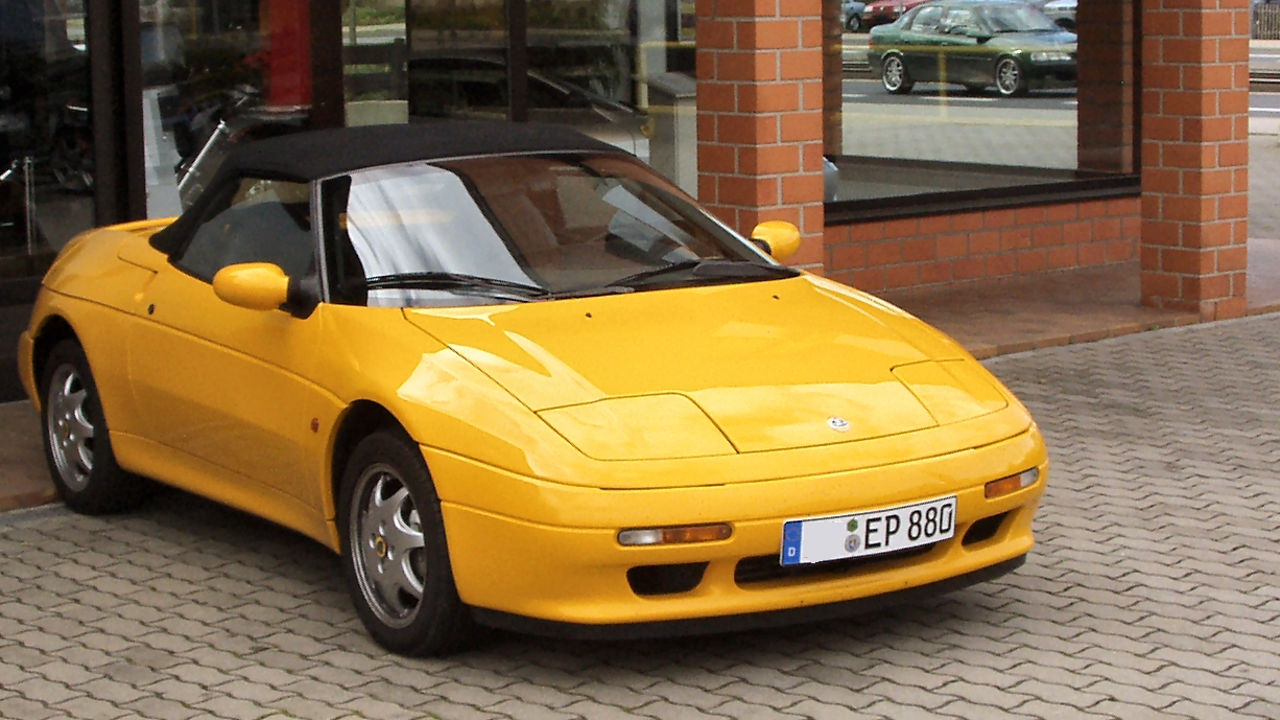
Even among enthusiasts, it’s a model that, that nobody seems to talk about this model. The Lotus Elan M100 was, for Lotus, a bit of a departure, blending traditional British lightweight engineering with sharp styling and a very modern (and controversial for some purists) twist: front-wheel drive. Yes, a front-wheel-drive Lotus.
Despite the heresy, its compact size and low stance created a car that felt deeply connected to the road, pure driving feedback. Steering precision was one of its greatest strengths, offering communication that delighted drivers and made you feel every pebble. The interior leaned toward minimalism, keeping attention firmly on the experience behind the wheel, because honestly, what else do you need in a Lotus?
Powered by an Isuzu-sourced 1.6-liter turbocharged four-cylinder engine (a surprising choice, but a good one), it delivered around 162 hp in Turbo SE form (about 130 hp for naturally aspirated models), which was plenty for its feather-light frame. Even in everyday use, it maintained a lively character that made driving enjoyable, proving that FWD could still be fun in the right hands (and chassis). It stood apart by combining Lotus heritage with a level of usability uncommon for the brand.
This car deserved greater appreciation for its boldness and balance, but it was expensive for a FWD car and Lotus’s reputation for reliability (or lack thereof) didn’t help. The Elan M100 remains a testament to Lotus’s creative approach to performance cars, a delightful paradox.
Acura NSX (First Generation)

The first-generation Acura NSX arrived in 1990 with a clear, audacious purpose: to redefine the supercar. And boy, did it ever. Its low, sleek design, reportedly inspired by an F-16 fighter jet, exuded speed and exotic flair, while its handling offered a level of precision and ease of use that rivaled far more expensive, temperamental machines from Italy.
Stepping inside revealed a cabin that was shockingly comfortable and ergonomically brilliant for a car of its class, with excellent visibility. It bridged the seemingly impossible gap between raw performance and everyday usability, making supercar ownership less intimidating and actually fun.
Powered by a high-revving, all-aluminum 3.0-liter (later 3.2-liter) VTEC V6 (a marvel of engineering, producing 270 hp in 3.0-liter form and up to 290 hp in 3.2-liter manual models), the NSX delivered exhilarating performance without demanding a full pit crew after every drive. This balance allowed drivers to experience excitement without constant compromise or the fear of a massive repair bill. Its influence reached well beyond its own nameplate, pushing competitors to rethink their approach to supercars, forcing them to become more refined and reliable.
The NSX left an indelible imprint on automotive history that is still felt today. It stands as proof that ambition paired with meticulous execution can change expectations forever. It was a Ferrari fighter that actually worked every day, but gave Ferrari all the credit.
Mazda MX-6 GT
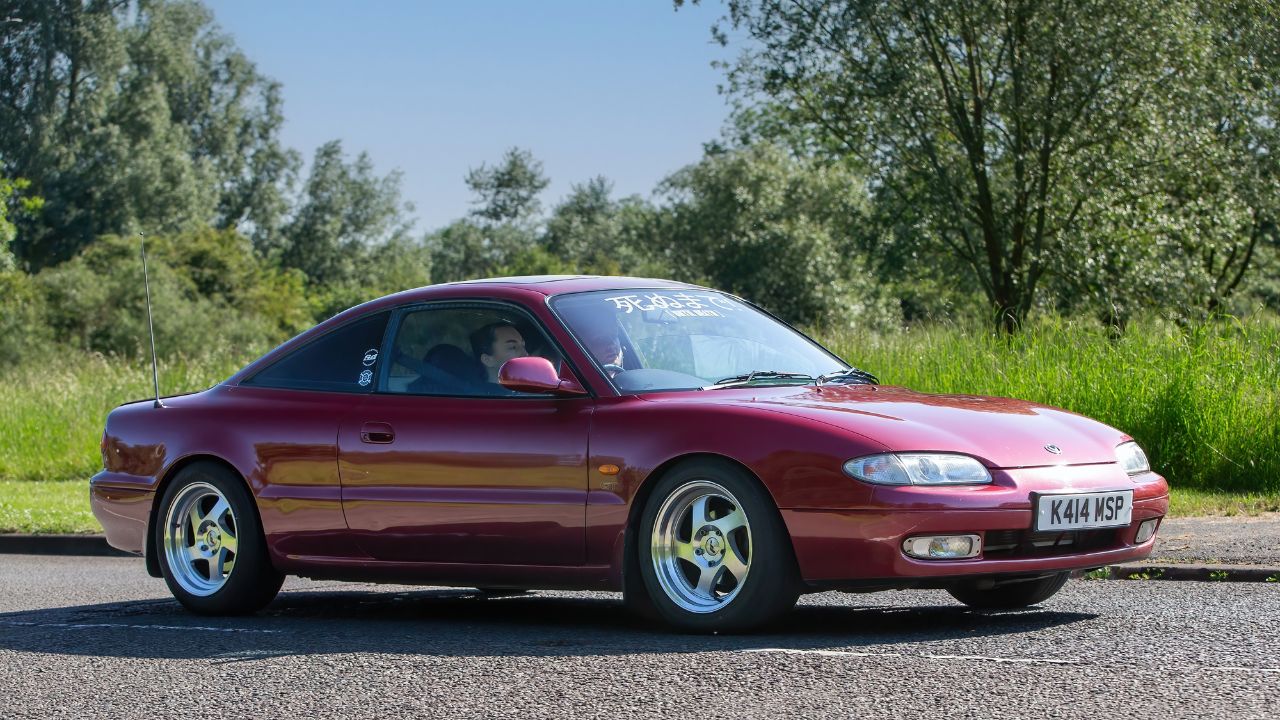
The Mazda MX-6 GT was a masterclass in understated style and impressive capability. Its sleek coupe design struck a perfect balance between subtlety and sportiness, offering a refined, almost European look that aged gracefully, unlike some of its more flamboyant Japanese counterparts.
The driving experience felt remarkably composed, delivering smooth, confident responses that encouraged spirited driving in all conditions, especially with its optional four-wheel steering (notably offered on the 1989 MX-6 GT in the U.S.) (because the ’90s loved four-wheel steering!). Inside, the layout emphasized clarity, giving drivers everything they needed without distraction.
Powered by Mazda’s excellent 2.2-liter turbocharged four-cylinder engine (producing 145 horsepower), it offered brisk acceleration and a satisfying torque curve. It served as a reliable companion for both daily commutes and spirited weekend drives, a truly versatile coupe. The MX-6 GT proved that performance and style could come in a package that did not shout for attention, a quiet achiever.
Many overlooked its talents, perhaps dismissing it as “just another coupe,” but those who experienced it understood its true value and hidden depths. It remains an overlooked coupe that quietly delivered excellence in its own way, a fantastic and reliable used car buy for those in the know.
Dodge Stealth R/T

So, is it called the Stealth because nobody noticed it? While its Mitsubishi 3000GT VR-4 sibling often gets the spotlight, the Dodge Stealth R/T was a magnificent beast in its own right, a true example of American muscle styling meeting Japanese engineering. This partnership produced a car that looked bold, aggressive, and undeniably cool, and importantly, backed up its appearance with serious capability. Its striking design, especially the distinctive quad headlights and taillight treatment, made it a conversation starter everywhere it went.
Inside, the interior wrapped around the driver, creating a proper cockpit feel that enhanced the driving experience. On the road, particularly in twin-turbo R/T Twin Turbo guise (packing 300-320 horsepower and all-wheel drive), it offered poise and power in equal measure, making it a joy to command, especially in a straight line.
Although often compared to its platform sibling (and sometimes dismissed as “just a rebadged 3000GT”), it carved its own identity with distinct styling features that gave it a more aggressive, Americanized look. The Stealth R/T brought much-needed diversity to the sports car market of its time, proving that a Dodge could be sophisticated and high-tech.
It deserves a place in the spotlight for combining two worlds into one impressive, often forgotten, package.
Subaru SVX

The Subaru SVX was, to put it mildly, futuristic and daring, standing apart from anything else on the road, almost like it arrived from another planet. Its most unique (and controversial) feature was the “aircraft-inspired” window-within-a-window design, which gave it an instantly recognizable (and often mocked) look. The cabin felt airy and surprisingly refined, offering a level of comfort that perfectly matched its grand touring intentions.
Under the hood sat a 3.3-liter flat-six “Boxer” engine, producing about 231 horsepower, all sent through an automatic transmission (no manual was ever offered, sadly). Driving the SVX brought a sense of stability and smoothness that made long trips effortless, thanks to its sophisticated all-wheel-drive system. It carried a blend of practicality and eccentric flair rarely seen in sports-oriented cars, truly a unique beast.
While its unusual styling undeniably divided opinions (you either loved it or thought it was hideous), it certainly set it apart from the crowd. The SVX showcased Subaru’s willingness to take risks in design and performance, pushing boundaries even if the market wasn’t quite ready for it.
It remains a fascinating chapter in automotive history, one worthy of renewed attention for its sheer audacity and surprising competence as a comfortable, capable cruiser.
Why These Underrated Sports Cars Still Matter
If seeing this list doesn’t make you want to drive all night on an open highway with the windows down and music blasting, you’re just crazy. We know that the Porsche 911 gets all the love and adoration, but that doesn’t mean the 944 doesn’t provide an exceptional driving experience and glorious silhouette. As that meme once said: Why not both?
We’re not saying to forget the staples of the sports car world, but it’s definitely worth celebrating these awesome yet overlooked models as well. They remind us that true greatness is not always loud or obvious. These models delivered driving experiences that still resonate for those willing to look past the mainstream, past the “top 10 fastest” lists, and appreciate the nuances of clever engineering and bold design.