There’s a certain romance to buying a sporty car: the sound, the speed, the way it makes an ordinary Tuesday feel like a movie. But there’s another feeling that tends to show up a few years later when you check the trade-in value and realize your pride and joy has lost more than some people make in a year.
Depreciation is the quiet tax on excitement, and for some sporty cars, it hits harder and faster than almost anything else on the road. These aren’t bad cars, far from it. Many of them are genuinely thrilling to drive. They just happen to shed value at a pace that would make any accountant’s eye twitch.
Whether you’re shopping smart or just curious about where all that money goes, here’s a look at twelve performance and sporty cars known for their, let’s say, ambitious approach to depreciation.
Dodge Viper

Few cars announce themselves quite like the Viper. It’s loud, it’s wide, it has zero interest in making life easy for you, and enthusiasts absolutely love it for all of those reasons.
What’s less celebrated is that Viper prices can be volatile, but late generation cars and especially ACR models have tended to hold value strongly compared with typical new car depreciation. The last-generation models, in particular, experienced steep declines in the years following production, partly because the market for a car this intense is always going to be a smaller crowd. If you can handle the performance and the insurance bill, a used Viper can represent genuinely strong value, you get a supercar experience at a significant discount simply because someone else absorbed the early losses.
The trick is knowing what you’re getting into mechanically, because this is not a car that rewards casual ownership.
BMW M6
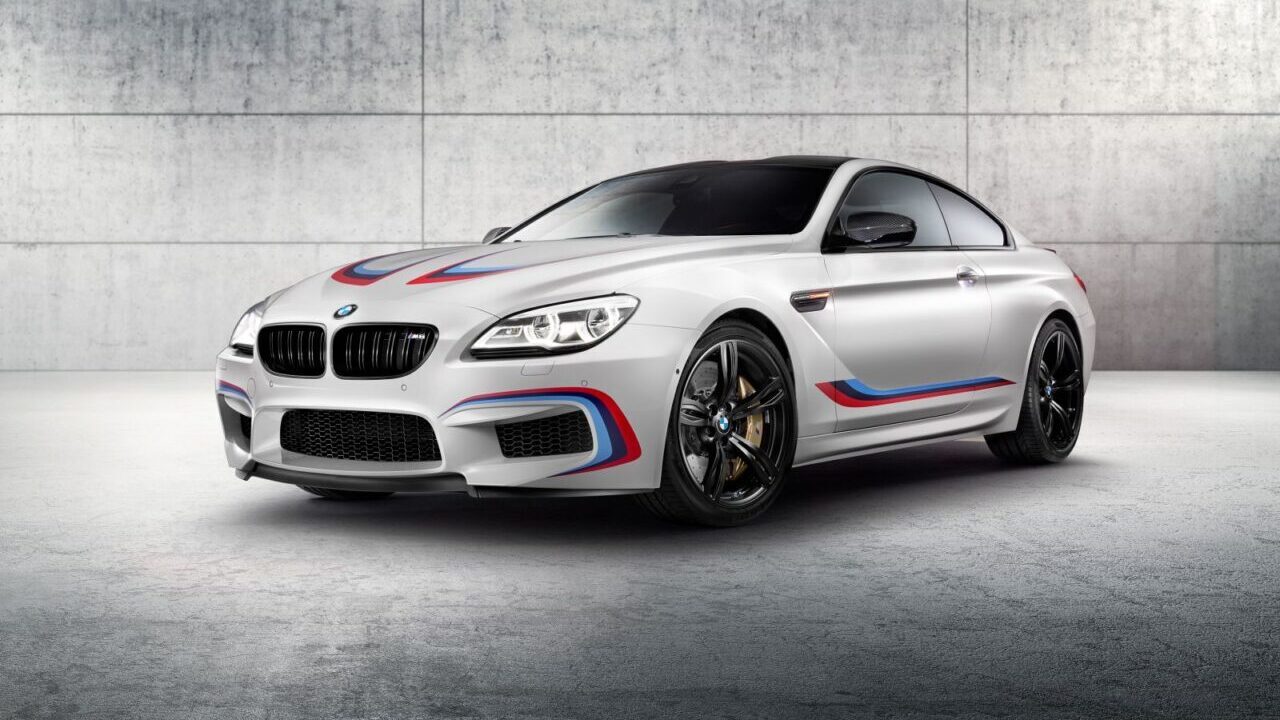
On paper, the M6 has everything going for it, a twin-turbocharged V8, an interior that feels like a first-class cabin on wheels, and performance numbers that could embarrass far more exotic machinery.
In practice, it also has something less flattering going for it: some of the steepest depreciation you’ll find on a high-performance car from a premium brand. A 2016 M6 that rolled out of the showroom with an MSRP of about $119,195 to $125,495 depending on body style can now be found for a fraction of that in the used market. Part of that is the complexity and associated maintenance costs that follow aging BMWs; part of it is that the M6 occupied an awkward space between sports car and grand tourer that made it easy to overlook.
The buyer who goes in clear-eyed about ownership costs, though, gets a serious performance car at a price that would have been unthinkable at launch.
Maserati GranTurismo
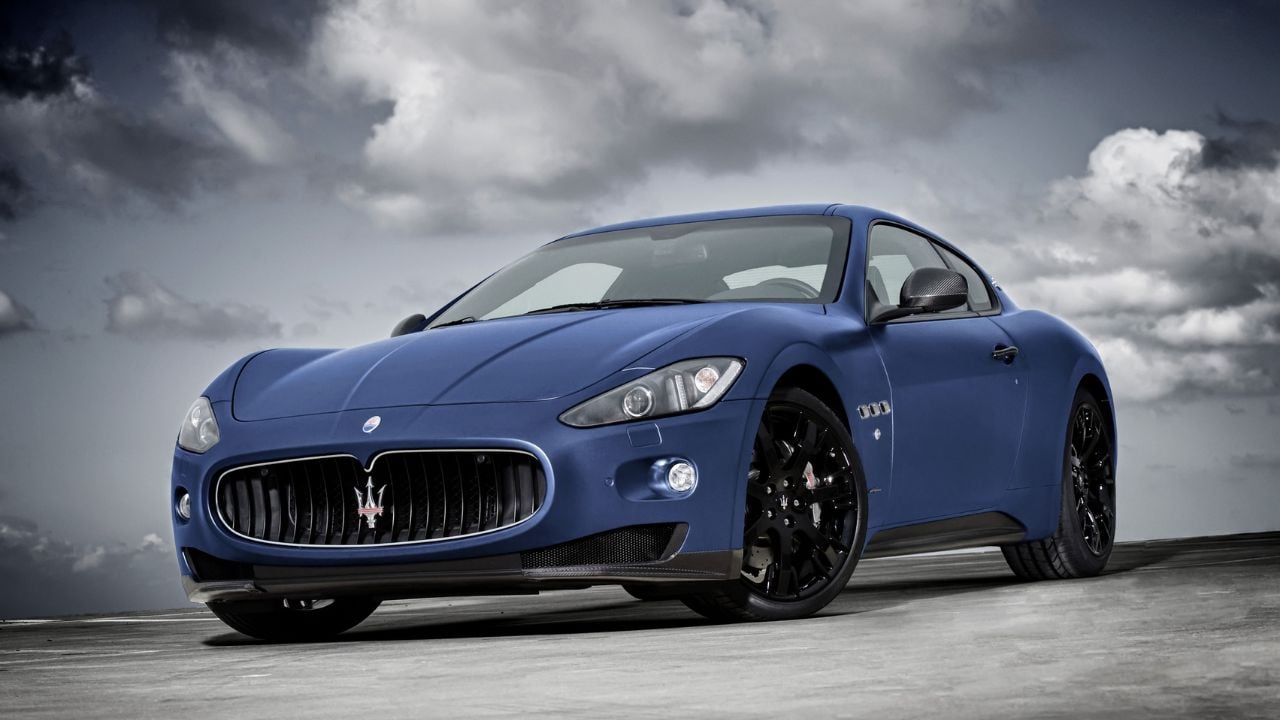
Italian sports cars carry a mystique that’s hard to put a dollar figure on, until the depreciation curve does it for you.
The GranTurismo is a genuinely beautiful car: long hood, sweeping lines, an exhaust note that sounds like it was composed rather than engineered. It also loses value at a pace that reflects the reality of owning an exotic from a brand where maintenance costs can be, shall we say, enthusiastic. The GranTurismo is consistently cited among the steepest depreciators in the luxury sports car segment, with older models sometimes available for a fraction of their original sticker.
For buyers who go in with eyes open about running costs, it’s one of the more dramatic ways to get Italian drama on something resembling a budget.
Jaguar F-Type
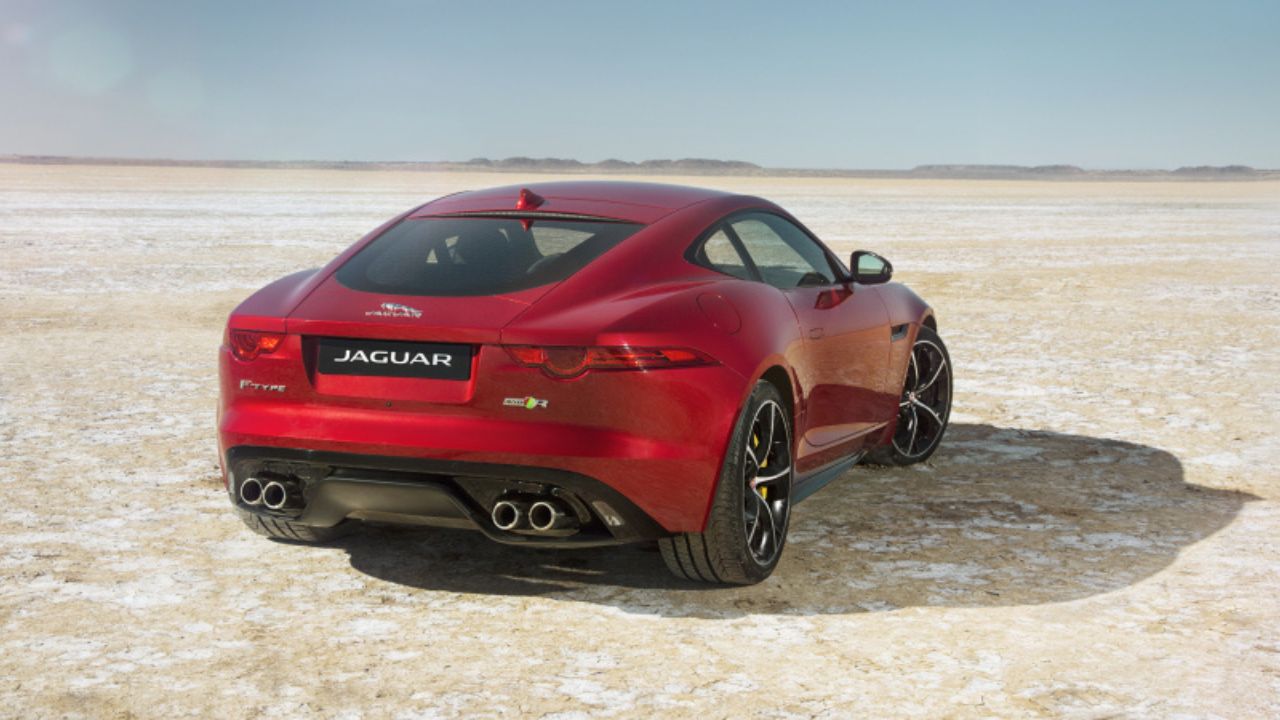
The F-Type might be the best-looking car Jaguar has made in decades, and its supercharged V8 variants produce a sound that genuinely stops people on the street.
So why does it depreciate the way it does? Partly brand perception, partly competition from German rivals with stronger resale reputations, and partly the reality that the sports car segment is competitive enough that even excellent cars don’t hold value the way practical vehicles do. According to iSeeCars data, the Jaguar F-TYPE coupe retains 62.7% of its value after five years and the convertible retains 56.3%, which corresponds to about 37.3% depreciation for the coupe and about 43.7% for the convertible.
If you’ve ever wanted a proper sports car with genuine character and a soundtrack to match, the used F-Type market deserves a look.
Cadillac ATS-V

Here’s a car that genuinely surprised people who drove it back to back against European competition.
The ATS-V was sharp, quick, and had more personality than Cadillac sometimes gets credit for. It was also priced in a segment where BMW M and Mercedes-AMG ownership comes with decades of brand cachet, and that’s a tough hill to climb.
Depreciation hit the ATS-V harder than it deserved on pure merit, and Kelley Blue Book depreciation tracking shows steep value loss on recent model years, which is why used examples can look like strong performance bargains. The upside is that used examples are now available at prices where the value proposition becomes very compelling.
You get a track-capable American sports sedan with legitimate performance credentials, often at a cost that makes the European alternatives seem rather indulgent by comparison.
Porsche Panamera
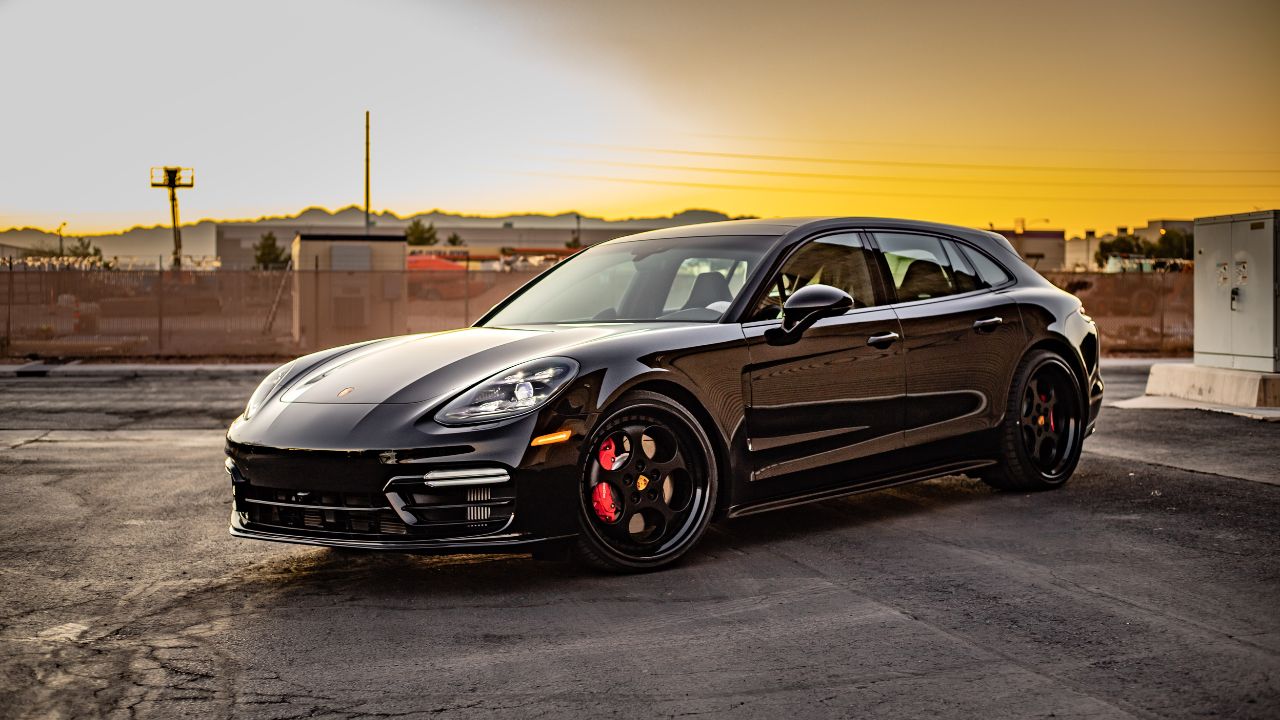
Yes, a Porsche on a depreciation list, but before any pitchforks come out, this one requires an asterisk.
The 911 holds value unusually well compared with most new cars. The Panamera, however, plays by different rules entirely. As a large, expensive performance sedan, it draws buyers who tend to refresh their garages on a fairly regular basis, which means supply of used examples is consistently strong.
Combine that with the eye-watering cost of out-of-warranty Porsche maintenance, and even this badge takes a meaningful hit over five years. iSeeCars data says a new Porsche Panamera depreciates 45.7% after five years, a number that would make a 911 owner wince.
That said, a used Panamera at the right price represents a genuinely compelling performance bargain, assuming your relationship with a good independent Porsche shop is already in place.
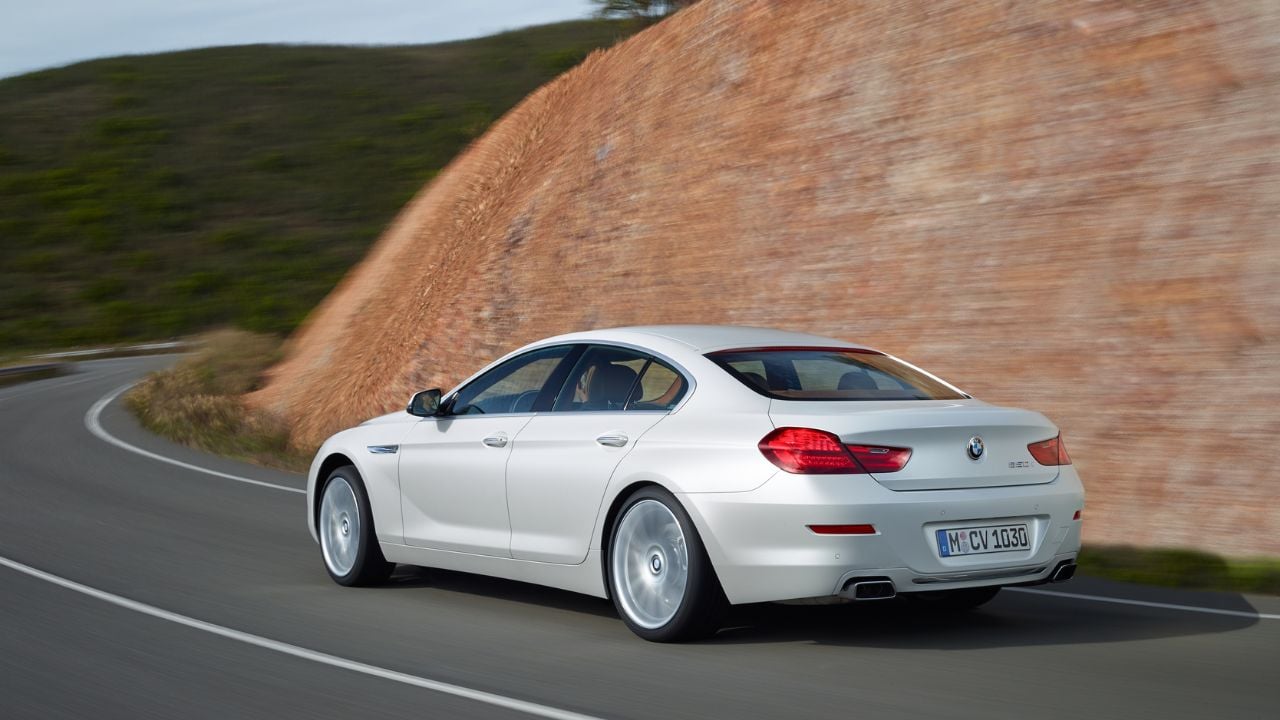
BMW 6 Series Gran Coupe (F06)
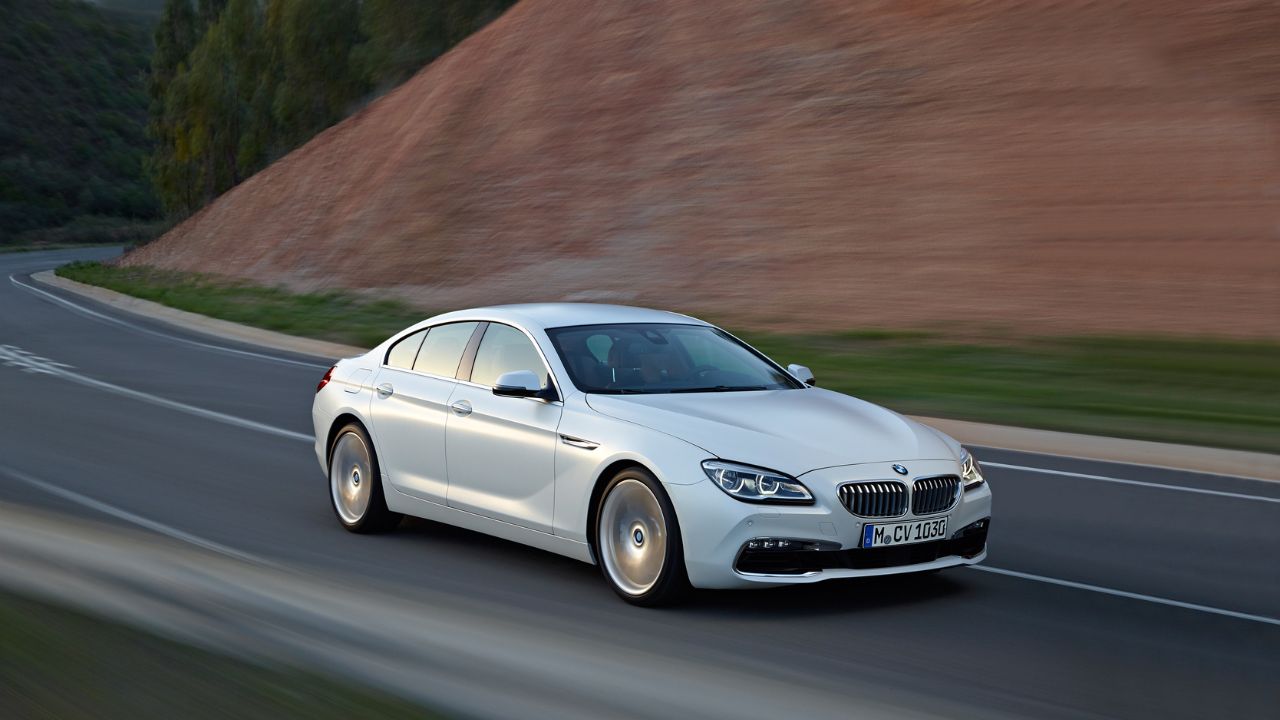
The 6 Series Gran Coupe was BMW’s attempt at combining sport and luxury in a longer, more elegant package, and in many ways it succeeded.
It also managed to combine two categories, grand tourer and luxury sedan, in a way that meant buyers of either type could find something more purpose-built for similar money. That’s not ideal for resale.These cars can drop significantly over five years, particularly as service costs become a known quantity and buyers factor in the prospect of maintaining aging German complexity.
What that creates is a market where a beautifully equipped, six-cylinder or V8 BMW grand tourer is available at prices that make the monthly math work in ways it never would have new.
Mercedes-Benz SLK/SLC
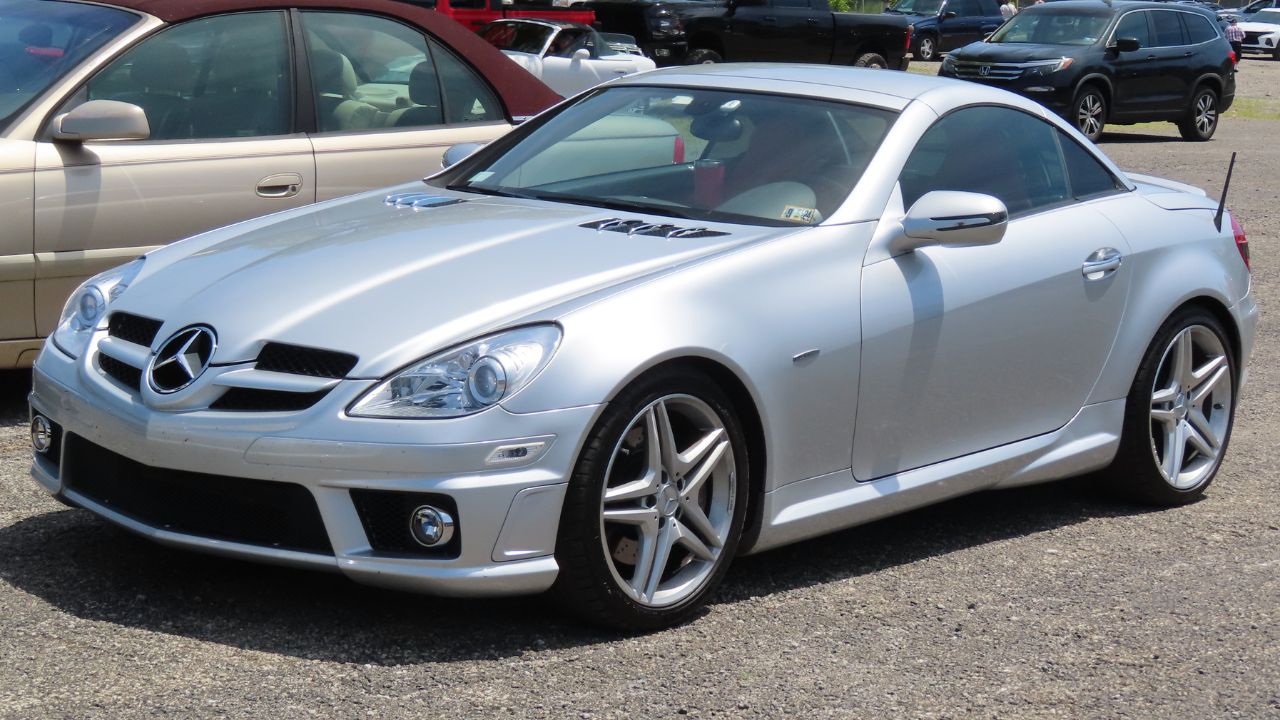
The SLK, later renamed SLC, was Mercedes’ compact roadster, a stylish two-seater with a retractable hardtop and enough presence to turn heads in any parking lot.
It was never quite as sporting as it looked, positioned more toward the comfortable touring end of things, and that middle-ground positioning contributed to meaningful depreciation over time. As the model aged and newer Mercedes products arrived, values softened considerably. The AMG variants held slightly better but still represent significant discounts from original MSRP in the used market.
For someone who wants an open-top Mercedes experience without the financial commitment that usually comes with the badge, the used SLK/SLC can deliver a lot of enjoyment per dollar.
Infiniti Q60
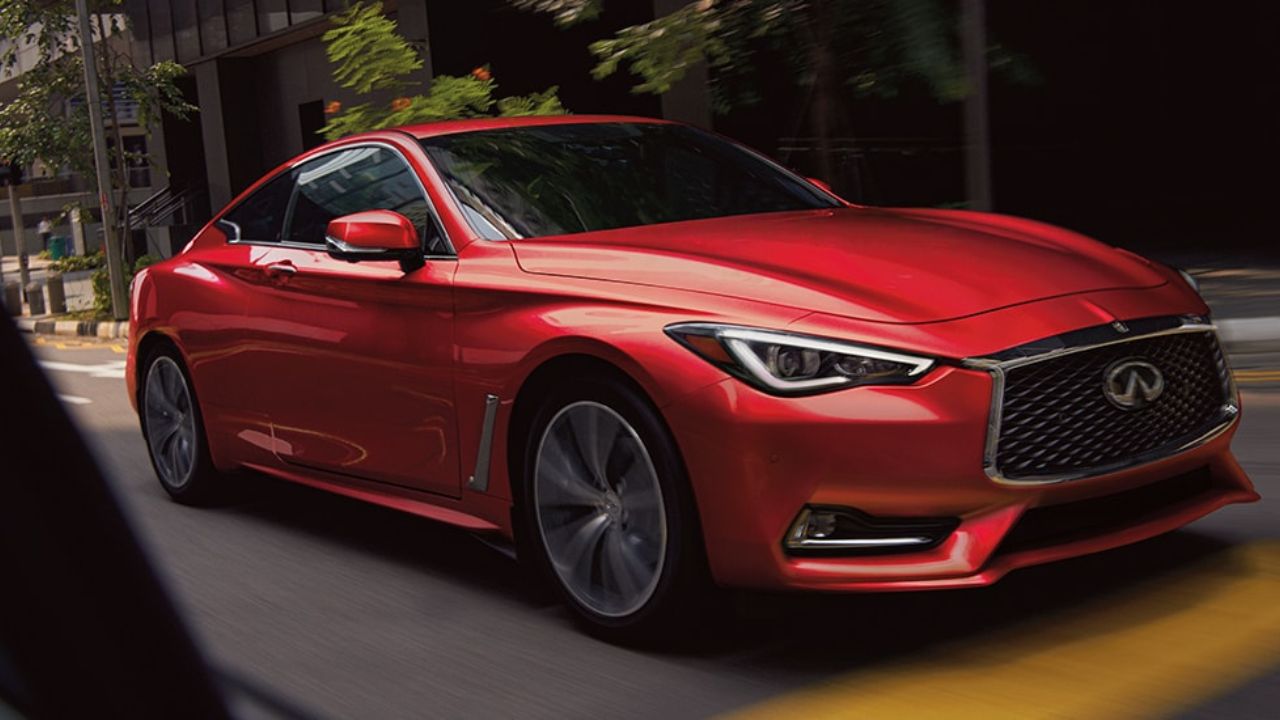
Infiniti made a genuinely compelling case for itself with the Q60.
Attractive styling, a twin-turbocharged V6 option with real punch, and a price point below comparable German offerings, it had the ingredients. What it couldn’t quite overcome was the perception gap between Infiniti and the European brands in the premium sports coupe segment.
That gap showed up clearly in the depreciation numbers, with Q60s losing value faster than rivals from BMW and Mercedes. The silver lining is that the used Q60 market offers a car with legitimate style and performance at prices that undercut the competition significantly.
It’s one of those situations where the numbers make a strong argument even if the badge doesn’t carry the same prestige.
Dodge Challenger SRT Hellcat

It puts out over 700 horsepower, it’s the size of a small aircraft carrier, and it makes the kind of noise that causes people to step outside and look around. The Hellcat is genuinely extraordinary, and used prices have started to soften versus their recent peaks, making some examples more attainable than they were a couple of years ago.
Part of this is simply volume: Dodge sold a lot of these, and the market for a car this extreme, however devoted, has a finite ceiling. What’s left is a secondhand performance landscape where serious horsepower is available at prices that would have seemed implausible a few years back.
For buyers who want maximum performance per dollar and aren’t concerned with subtlety, the used Hellcat market makes a very loud case for itself.
Audi TT

The TT has always been something of a design object that also happened to be drivable, which is either a compliment or a critique depending on who you ask.
Audi’s little coupe earned a devoted following for its build quality and refinement, but it never quite shook the perception that it was more style than substance. That perception, fair or not, contributed to depreciation that outpaced many of its competitors. Used TTs, especially the non-S versions, are now available at very approachable prices.
You get Audi interior quality, all-wheel drive in quattro trim, and a shape that still looks fresh, for a price that reflects the car’s quiet position in the market rather than its genuine quality.
Alfa Romeo 4C
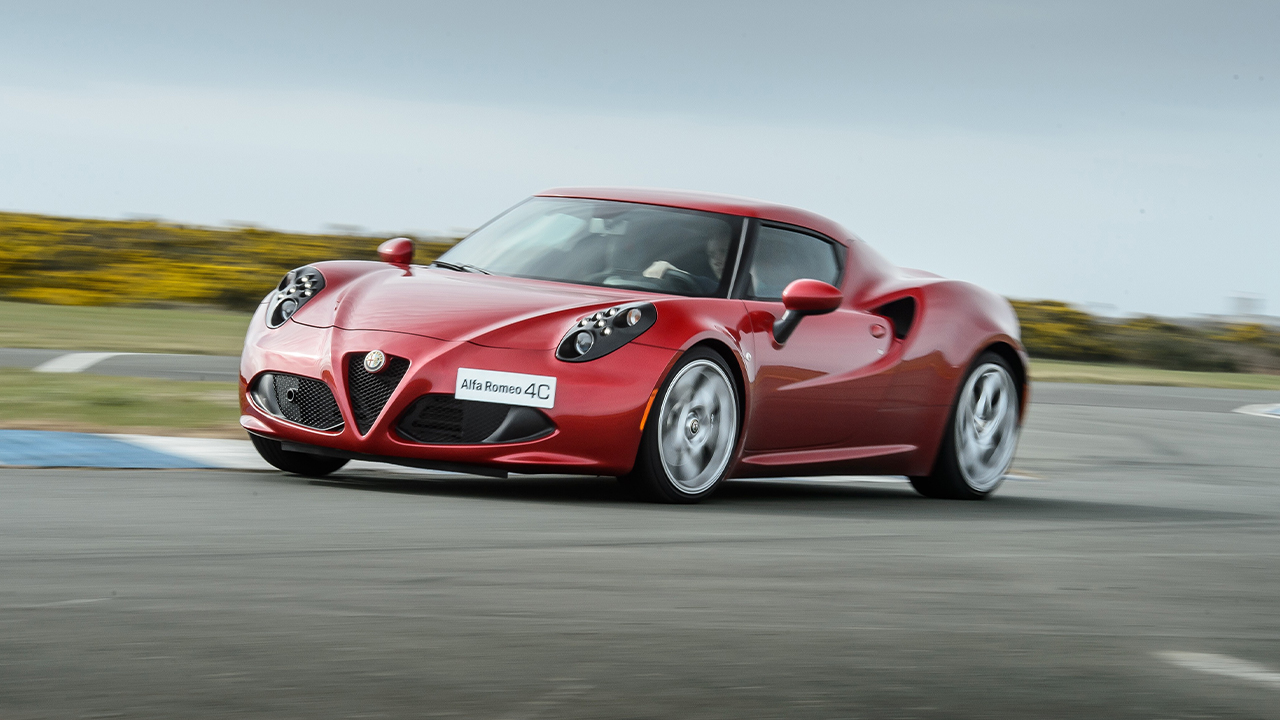
The 4C is an argument in car form, an argument that driving feel matters more than amenities, that lightness is a feature, that a sports car doesn’t owe you a comfortable ride or a quiet interior.
It’s polarizing by design, which is both what makes it interesting, and while it did depreciate, value tracking on recent model years suggests it has not collapsed the way some people assume. Many buyers discovered that daily life with a 4C required more commitment than they’d anticipated, and the used market filled with examples from owners who’d made peace with that discovery. Today, the 4C represents a genuinely rare proposition: a lightweight, mid-engine sports car with genuine Italian heritage, available at prices that would have seemed impossible when it was new.
It’s not for everyone. It knows that, and it’s fine with it.
The Bottom Line

Sporty car depreciation has a way of rewarding patient buyers who let someone else take the early hit. The cars on this list aren’t cautionary tales, they’re opportunities hiding inside balance sheets. Every one of them offers something genuine: performance, character, driving involvement, or all three. The catch is that value in the used market comes with a responsibility to do your homework. Inspection history matters, maintenance records matter, and for the more exotic entries, knowing your preferred independent shop before you sign anything matters a great deal.
But if you approach the used sports car market with clear eyes and a willingness to look past the sticker price mythology, there are real driving experiences to be had at prices that make the equation work. The only thing that depreciates faster than these cars is the excuse not to go find one.