
Ferrari has always owned the supercar spotlight, but plenty of other manufacturers built machines that could match or beat the prancing horse in a straight line. These cars had the speed, the engineering, and sometimes even better performance figures, yet they never quite captured the same mystique.
Here are 12 supercars that deserved more recognition than they got, but Ferrari just outshone them due to its earned prestige.
Vector W8 (1989-1993)
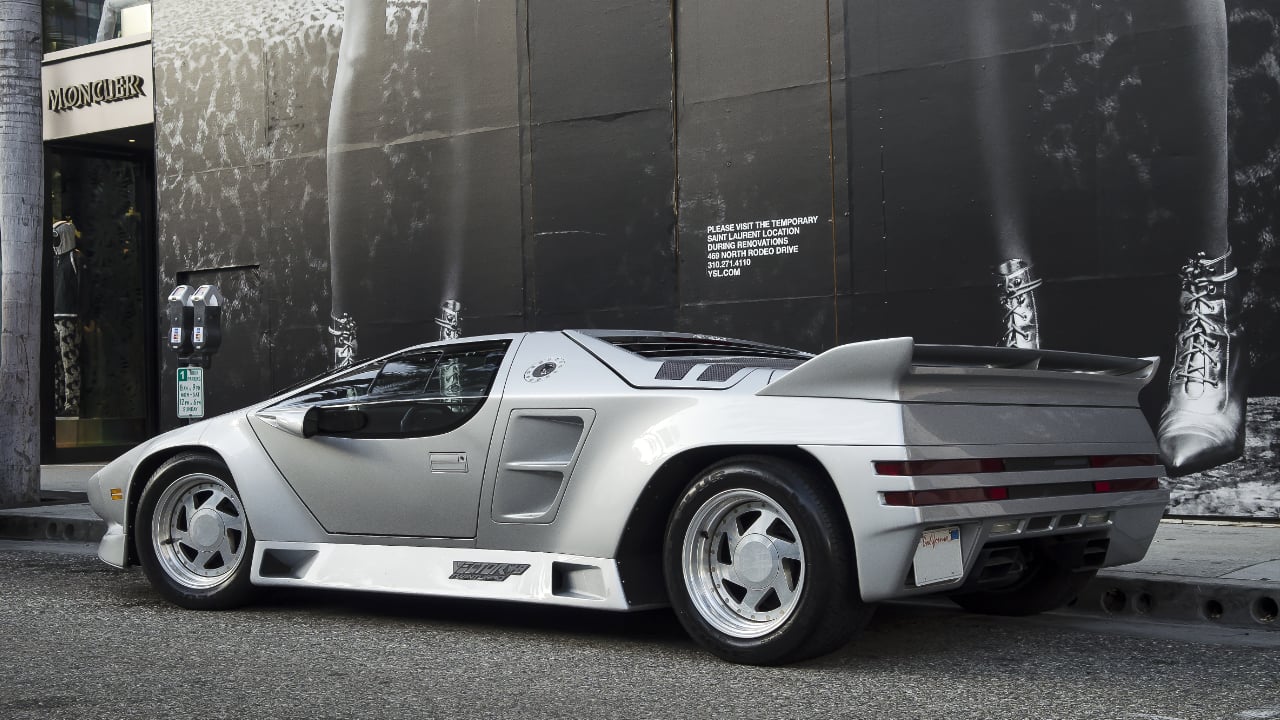
The Vector W8 was an American attempt at supercar supremacy with a twin-turbo 6.0-liter Rodeck V8 (GM small-block–derived) advertised at 625 horsepower, with top-speed figures commonly cited around 218 mph and sometimes claimed higher depending on the source. That put it ahead of the Ferrari F40’s 201 mph, yet the Vector remained a curiosity rather than a legend.
The aircraft-inspired cockpit and wild styling should have made it iconic, but limited production and reliability concerns kept it in the shadows.
Jaguar XJ220 (1992-1994)
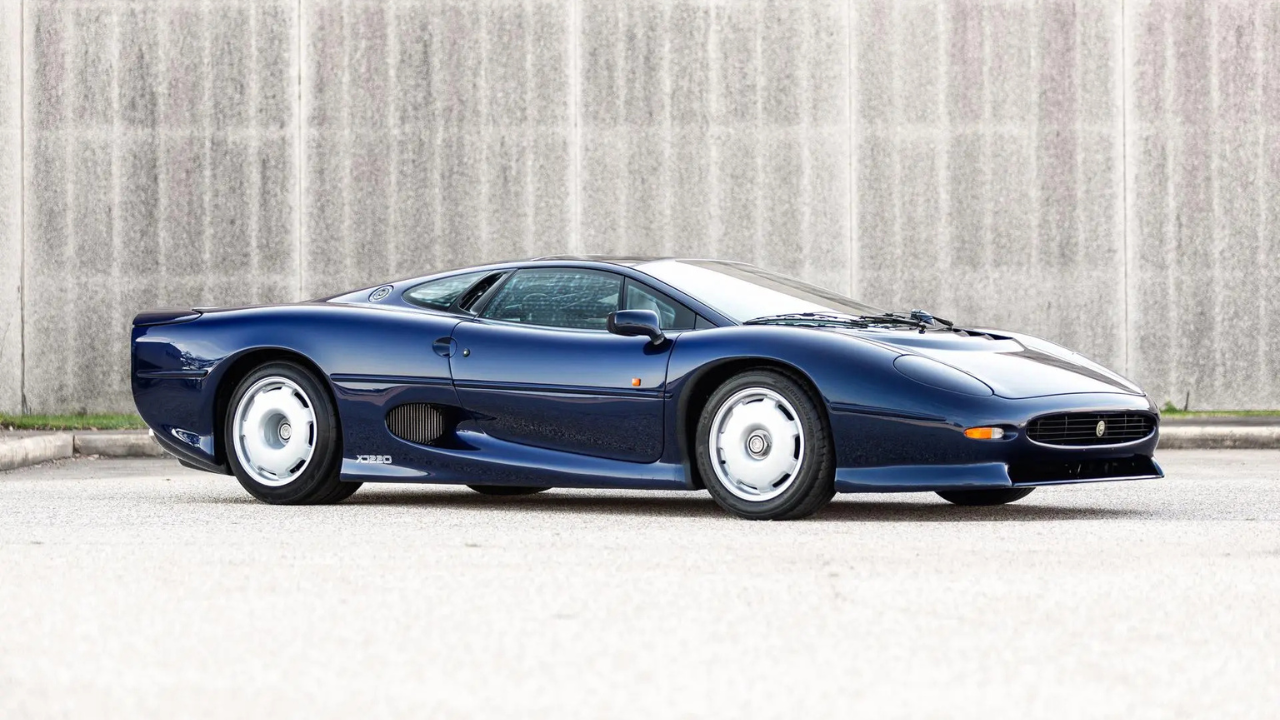
When Jaguar’s XJ220 hit 217 mph in testing (with catalytic converters removed), it briefly held the production car speed record and easily outpaced the Ferrari 512 TR’s 195 mph. The twin-turbo V6 delivered 542 horsepower in a surprisingly manageable package.
Despite being the fastest production car of its time, the XJ220 never achieved the collector status of its Italian rivals, partly due to customers feeling misled about the engine swap from the promised V12.
Lotus Esprit V8 (1996-2004)

The Esprit V8 packed a twin-turbo 3.5-liter engine producing 350 horsepower and could hit around 175 mph, putting it in the same general performance conversation as the Ferrari F355, especially for the money at a fraction of the price. It handled like a go-kart thanks to Lotus’s chassis wizardry and weighed considerably less than most Ferraris.
The Esprit remained a niche choice, perhaps because it looked too similar to its four-cylinder predecessors and lacked Ferrari’s racing pedigree.
Callaway Sledgehammer (1988)
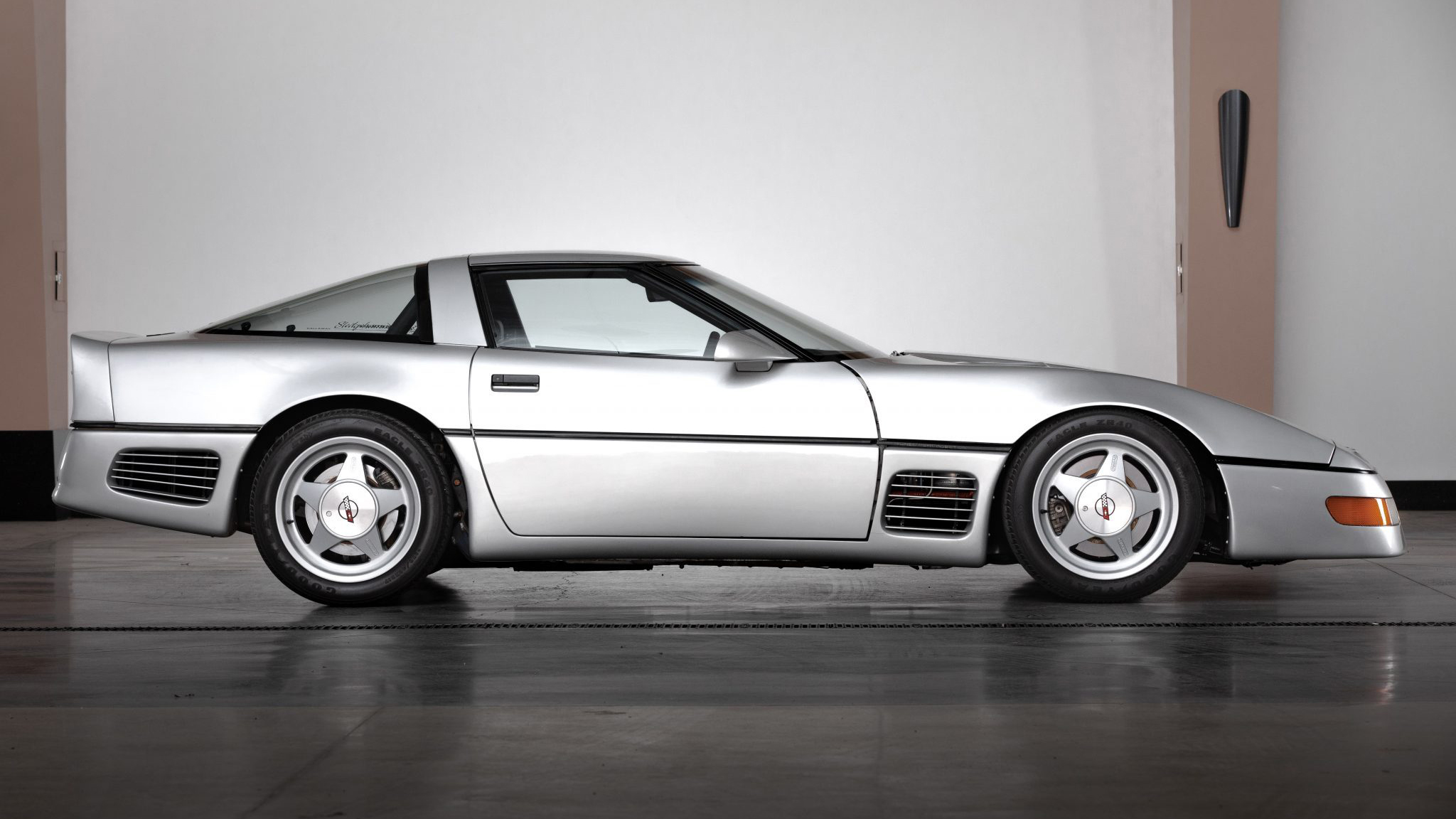
This heavily modified Corvette reached an astonishing 254 mph in 1988, destroying the Ferrari F40’s top speed by over 50 mph. Reeves Callaway’s team fitted a twin-turbo small-block V8 making 880 horsepower, proving American muscle could hang with European exotics.
As a heavily modified car rather than a clean-sheet design, it never got mainstream supercar recognition despite its incredible performance.
Porsche 959 (1986-1993)

The 959 was arguably overengineered with its sequential twin-turbo flat-six, all-wheel drive, and adjustable suspension, delivering 444 horsepower and a 197 mph top speed that came close to the Ferrari F40. It cost nearly twice as much as an F40 and offered far more sophistication, yet Ferrari’s raw appeal overshadowed Porsche’s technical masterpiece.
The 959’s influence on automotive technology was enormous, but it never captured hearts the way the F40 did.
Venturi Atlantique 300 Biturbo (1998-2000)
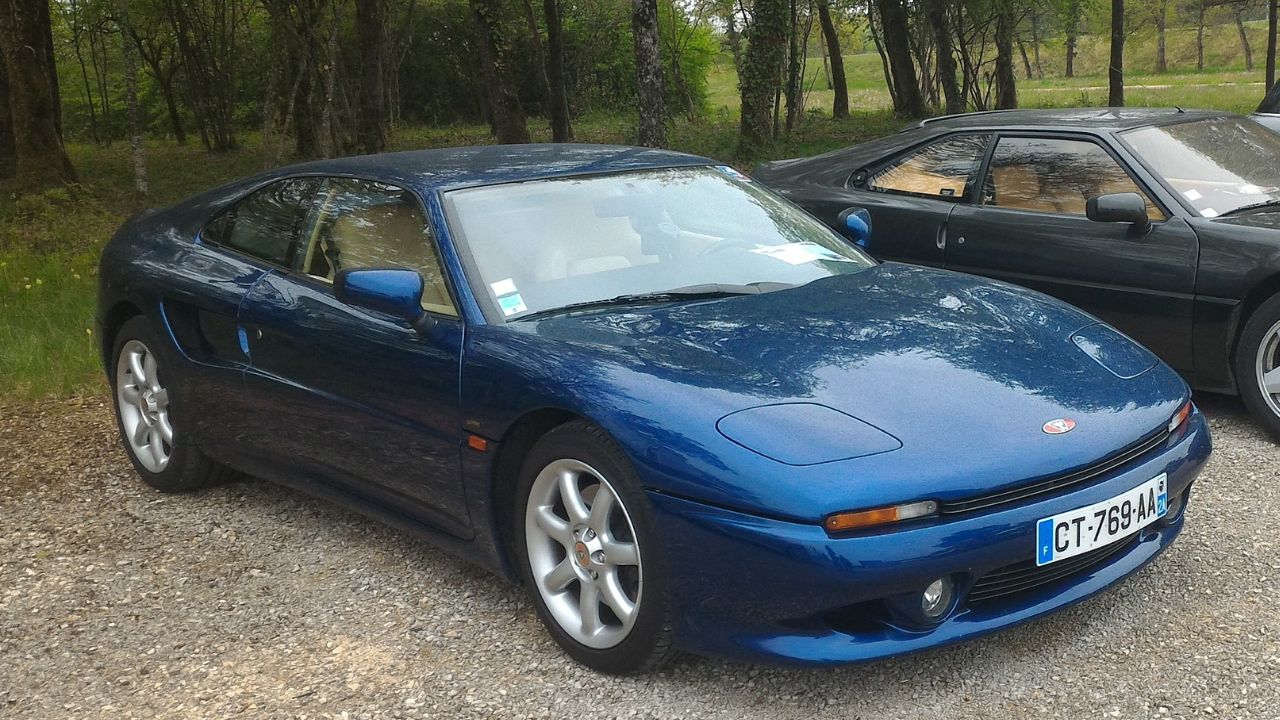
This French supercar used a twin-turbo V6 producing about 306 horsepower and could reach around 171 mph (figures vary by source and spec), competing directly with the Ferrari F355’s performance figures. The mid-engine layout and distinctive styling gave it legitimate supercar credentials at a lower price point.
Venturi’s lack of racing history and limited dealer network meant few people even knew it existed, let alone considered buying one.
Bugatti EB110 (1991-1995)

Before the Veyron, Bugatti built the EB110 with a quad-turbo V12 making about 553 horsepower (EB110 GT) and a top speed around 212–213 mph depending on version and source, handily beating the Ferrari 512 TR. The all-wheel-drive system and carbon fiber chassis made it technologically advanced for its era.
Financial troubles at Bugatti and poor timing with the early ’90s recession meant the EB110 became a footnote rather than a success story.
Cizeta-Moroder V16T (1991-1995)
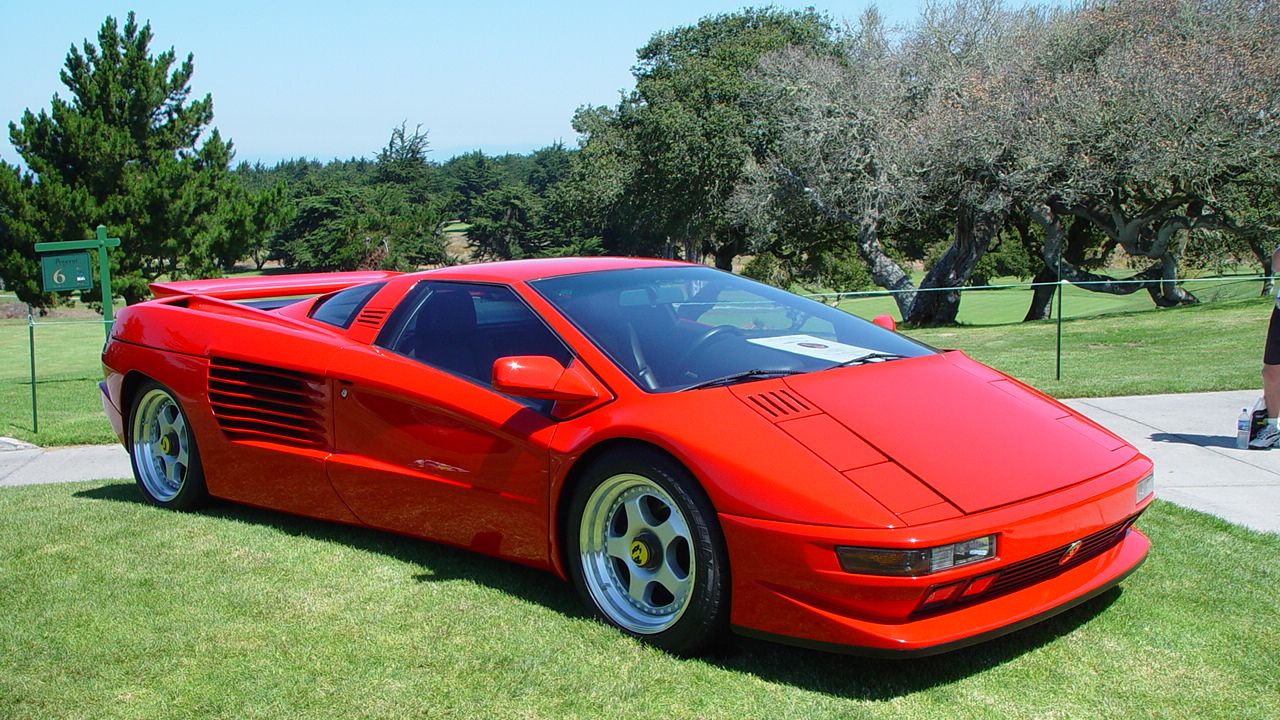
Former Lamborghini engineer Claudio Zampolli created this wild machine with a transverse-mounted V16 producing around 540 horsepower (commonly cited). Only about 11 were built, including prototypes/variants, with a handful completed outside the initial early-’90s run, and the complex engine layout meant servicing was a nightmare.
The Cizeta looked incredible and performed well, but without proper backing, it remained an automotive curiosity.
Lister Storm (1993-1994)
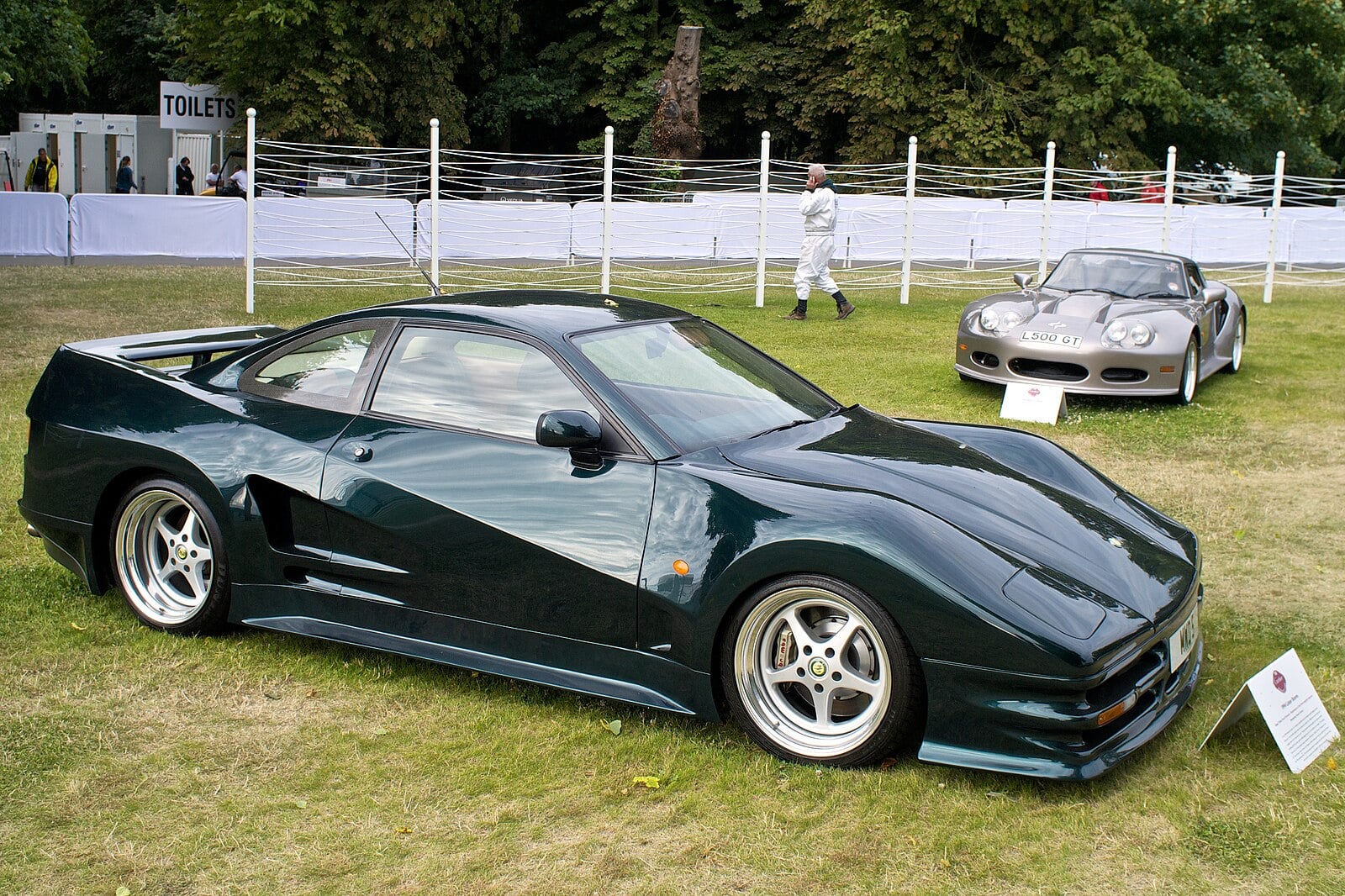
This British supercar used a Jaguar V12 producing up to 546 horsepower in street trim, with a top speed around 200 mph that competed with Ferrari’s F50. The Storm actually competed at Le Mans, yet it never escaped the shadow of more established brands.
Limited production numbers and Lister’s relatively unknown name in the supercar world kept it from gaining traction with collectors.
Yamaha OX99-11 (1992-1993)

Yamaha’s Formula 1-inspired supercar featured a V12 engine producing around 400 horsepower in detuned form, with a projected top speed over 200 mph. Only three prototypes were built before the project was cancelled, but it would have competed directly with Ferrari’s ’90s offerings.
The unconventional seating arrangement and Yamaha’s lack of automotive brand recognition doomed it before production could begin.
Mosler MT900 (2001-2011)
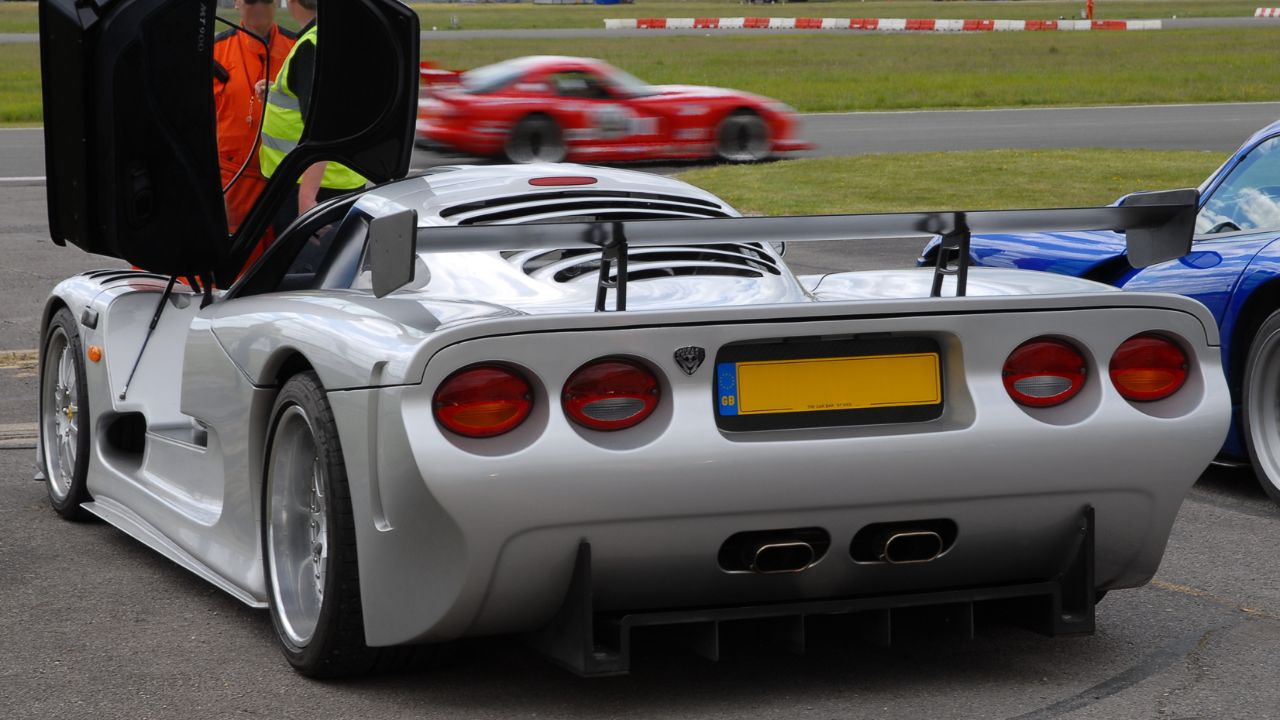
The MT900 was a purpose-built track weapon that weighed roughly 2,200–2,600 pounds depending on the version and used a Corvette-sourced V8 making up to around 600 horsepower in higher-output trim, resulting in performance that embarrassed Ferraris costing twice as much. Top speed was version-dependent and often quoted around 190 mph, and it lapped faster than most supercars of its era.
Mosler’s virtually nonexistent marketing and bare-bones interior meant serious drivers knew about it, but the general public didn’t.
TVR Cerbera Speed 12 (1996-1998)
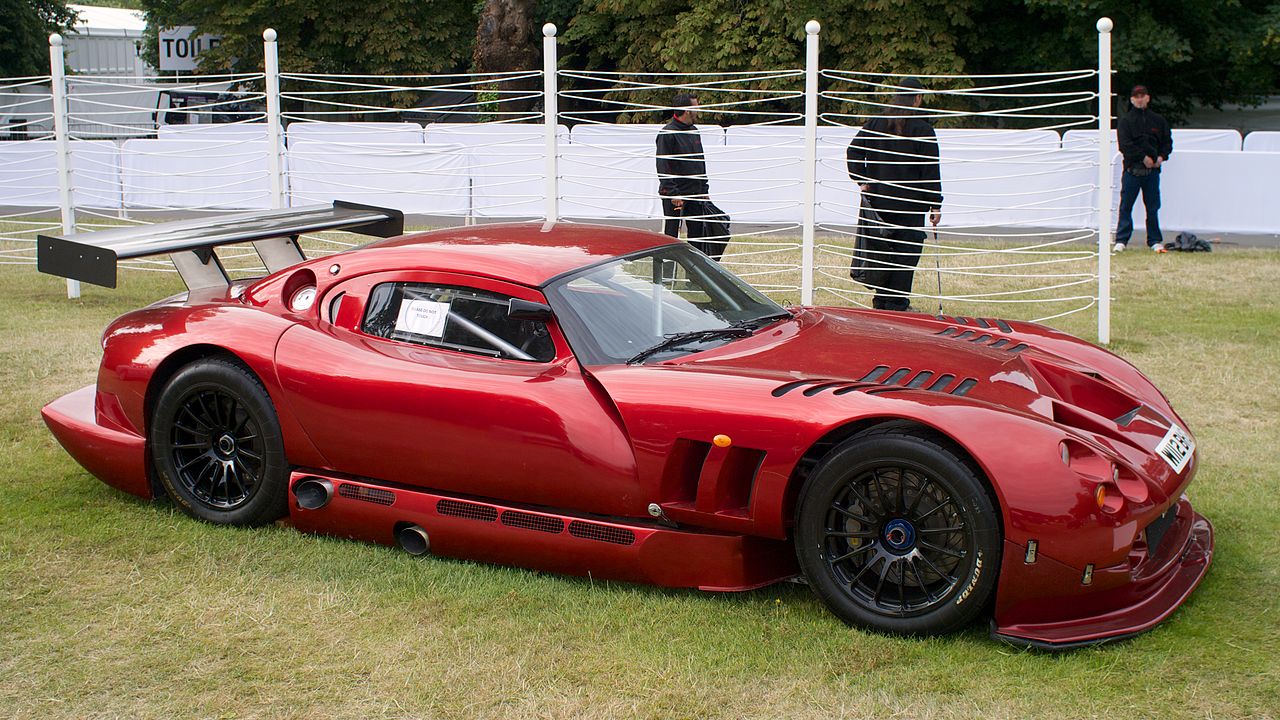
TVR’s insane Speed 12 packed a 7.7-liter V12 with an output claimed to be around 800+ horsepower and a top speed often speculated/claimed to exceed 240 mph, making contemporary Ferraris look tame by comparison. The car was so violent that TVR’s owner decided it was too dangerous to sell to the public.
Only one street-legal example is widely reported, ensuring the Speed 12 would remain a “what if” story rather than a proper rival to Ferrari.
Conclusion

Speed and performance don’t automatically translate to legendary status in the supercar world. These 12 cars proved they could run with or beat Ferraris on paper, but the prancing horse had something beyond numbers, heritage, emotion, and decades of carefully crafted mystique.
Some of these underdogs failed due to poor timing, others due to limited production or financial troubles, but all of them deserve recognition as serious performance machines that simply never got their moment in the spotlight.