
On an ordinary morning in Slovenia, the ritual of filling up a tank has taken on the quiet tension of a ration line. The hum of engines, the shuffle of drivers, the glance at the pump meter all carry a new weight. This is not just about fuel anymore. It is about geopolitics, economics, and the curious ways everyday life bends under global pressure.
According to reporting from the BBC, with additional details from Reuters, Slovenia has become the first European Union country to introduce fuel rationing in response to disruptions tied to the recent US and Israeli strikes on Iran and the subsequent ripple effects across energy-producing regions.
When the world’s energy arteries tighten, even a small, well-ordered country in Central Europe feels the squeeze.
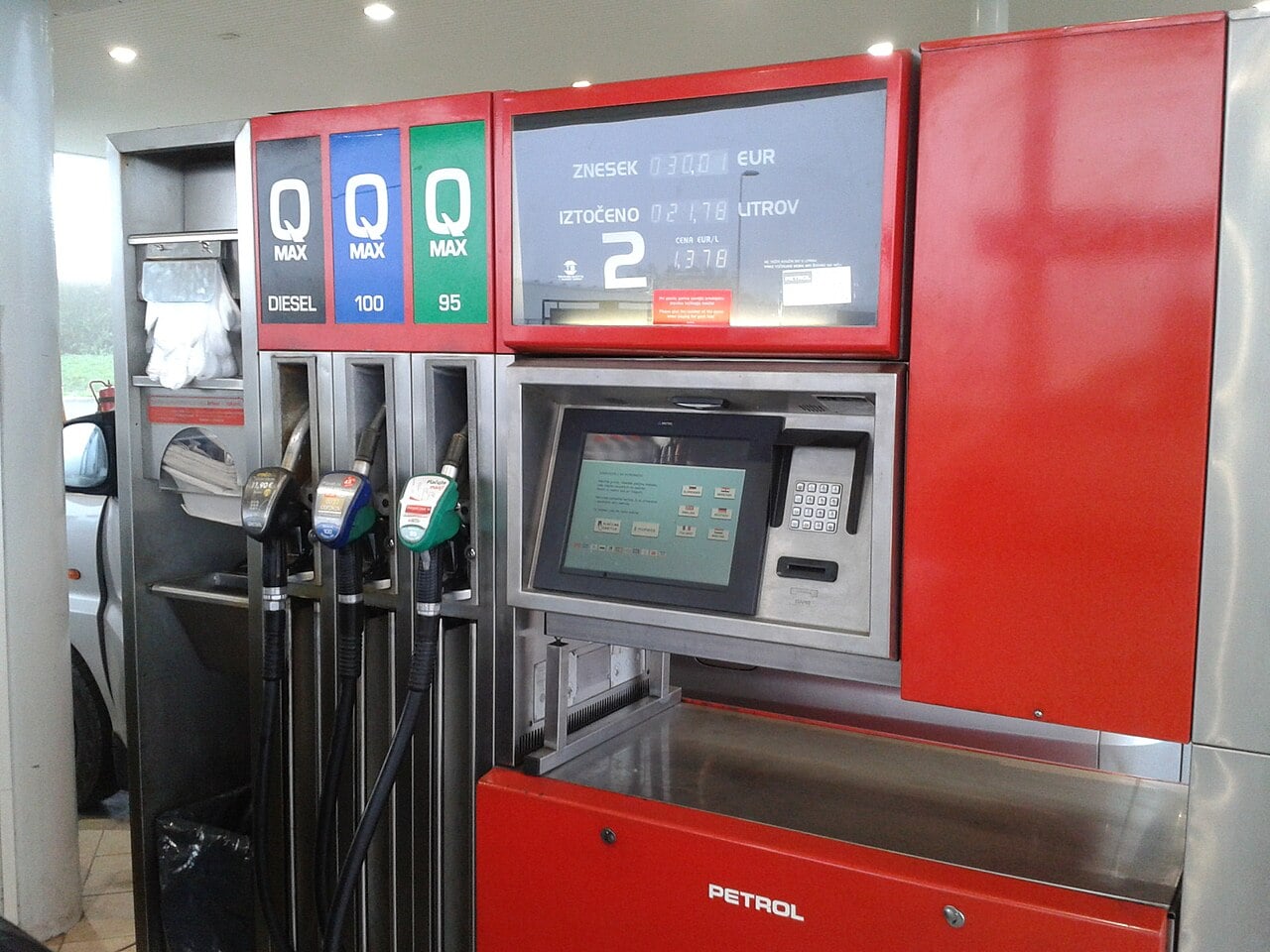
The government’s solution is simple on paper but complicated in practice. Private motorists are now limited to 50 liters (13 gallons) of fuel per day.
Businesses and farmers receive a more generous cap of 200 liters (53 gallons). The rations sound manageable. For the average driver, 13 gallons of gas is a full tank or close to it. Yet the policy is less about individual needs and more about collective behavior.
Fuel Tourism
Slovenia’s problem is not just supply. It is popularity.
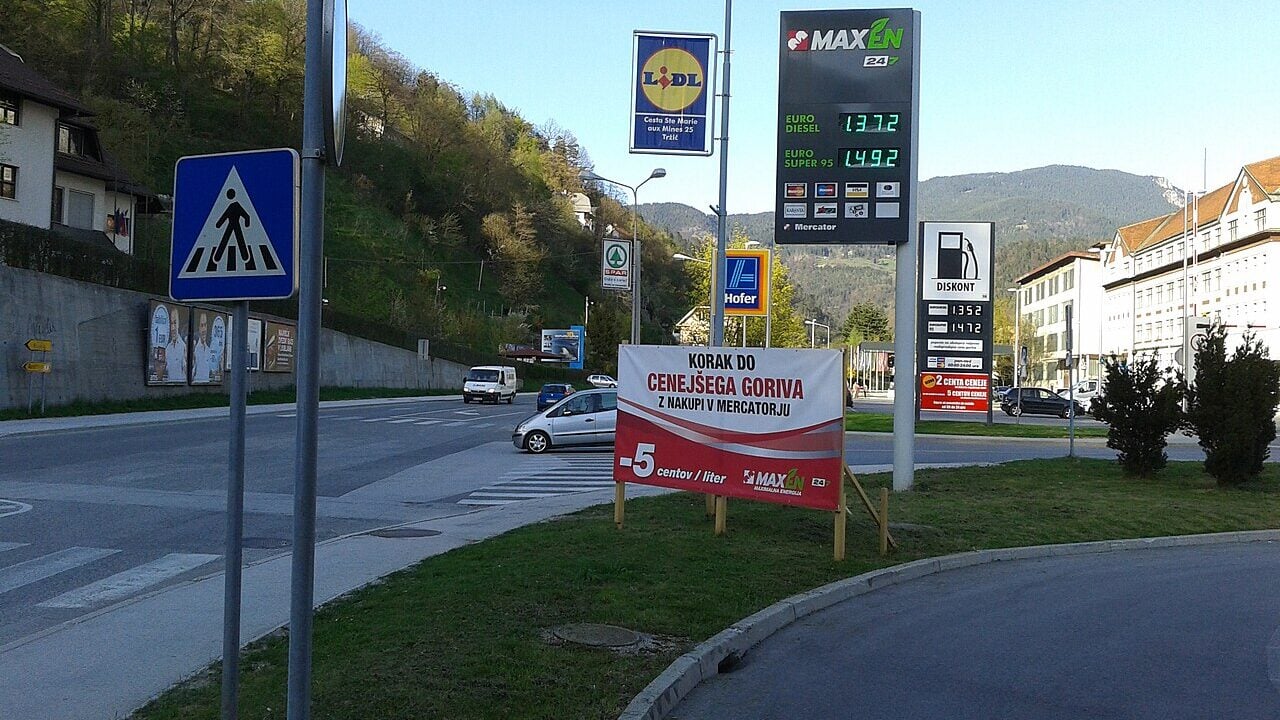
Fuel prices in Slovenia are capped, making them noticeably cheaper than in neighboring Austria. While Austrian drivers are watching petrol prices creep toward €1.80 per liter and diesel flirt with €2.00, Slovenians are paying closer to €1.47 for petrol and €1.53 for diesel, at least for now.
That price gap has turned Slovenia into an unlikely magnet for bargain hunters on wheels.
They come in waves. Austrian plates line up at border stations, engines idling, drivers calculating the savings. A quick trip across the border can shave meaningful euros off a fill-up. In a time of rising costs, that kind of math is irresistible.

This phenomenon has earned a nickname that sounds almost playful: fuel tourism. But there is little amusement for the station attendants tasked with enforcing the new rules. Under the government’s directive, petrol stations themselves must police the limits. Staff are now frontline regulators, ensuring that no driver exceeds the daily cap.
Some companies were ahead of the curve. Hungary’s MOL, which operates stations across the region, had already imposed a stricter 30-liter limit before the government stepped in. Now the rules are unified, though the pressure on workers remains uneven and, at times, intense.
Queues, Frustration, and Unexpected Benefits
Prime Minister Robert Golob has tried to steady nerves, insisting that Slovenia is not running out of fuel. Warehouses are full, he says. Supply exists. The issue is distribution under strain, shaped by human behavior and price disparities.
Still, scenes on the ground tell a more complicated story. Near the northern border at Sentilj, one lorry driver arrived to find a station completely dry. His reaction captured the surreal mood spreading through the region. He wondered aloud if the country was at war. It was not a literal question, but it reflected a very real sense of disruption.

For Slovenians, the influx of foreign drivers is a mixed blessing. Some see long queues and empty pumps and feel frustration bubbling. Others take a more entrepreneurial view. Fuel tourists do not just buy petrol. They grab lunch, browse shops, and spend money in town. What begins at the pump often spills into the local economy.
Across the border, Austrian politician Herbert Kickl has seized on the optics. He has posted images of Austrian cars lined up in Slovenia, framing the scene as a symbol of economic imbalance. He pressed the message that when citizens must leave their country to afford basic necessities, something is out of sync.
A Preview of What’s to Come?
Historically, gasoline has been rationed in the United States during major crises, most notably in World War II (1942–1946) and during the 1970s oil crisis. These were the only times when official or widespread rationing policies were implemented.
During World War II, gasoline rationing in the United States began on May 15, 1942, in 17 Eastern states. By the end of that year, it had become mandatory across all 48 states. The purpose was to conserve both fuel and rubber for the war effort, since rubber was critical for military vehicles and tires.
Citizens were issued ration coupons that strictly limited how much gasoline they could purchase. This system remained in place until June 1946, when restrictions were finally lifted after the war had concluded.
A few decades later, the country faced another fuel crisis during the 1970s. The OPEC oil embargo of 1973 and subsequent supply disruptions in 1979 led to severe shortages. Gas stations saw long lines and panic buying became common.
To manage demand, some states adopted odd-even rationing, where the last digit of a car’s license plate determined which days you could buy gas. The federal government even printed ration stamps as a backup plan, though they were never widely distributed.
These shortages reshaped American driving habits, encouraged interest in fuel-efficient vehicles, and pushed policymakers to rethink U.S. energy strategy.
Back in Slovenia, the rhythm of daily life continues, just slightly altered. Drivers keep one eye on their fuel gauge and another on the evolving rules. Station workers juggle customer service with enforcement duties. And through it all, the limits hold, and the lines grow and shrink with the day.
But as long as price gaps persist and global tensions ripple through energy markets, Slovenia’s experiment with rationing may be less of an exception and more of a preview.
Sources: The BBC