In the golden era of the 1960s and early ’70s, American muscle cars were all about raw power and style. But by the mid-1970s, the dream came crashing down.
A trifecta of troubles hit the industry hard: an oil crisis, stricter emissions regulations, and skyrocketing insurance premiums. High-compression V8s chugging leaded fuel were suddenly dinosaurs, replaced by detuned engines and heavy bumpers. But not all hope was lost. Some cars still looked the part, even if they didn’t move like it.
While many of the true muscle cars faded into history, automakers still tried to keep the spirit alive: sometimes with just a look, sometimes with real muscle under the hood. Let’s revisit the forgotten beauties from one of the worst automotive eras.
How We Chose These Malaise Era Cars
These cars were all built between 1973 and 1984 — the so-called Malaise Era. We picked models that stood out visually, even if they weren’t the fastest or most powerful. Some have genuine performance under the hood, while others just looked the part, but all of them captured the spirit of a changing time in American car culture.
We’ve gone through reviews on reputable sites such as MotorTrend, Car & Driver, Hemmings, and Hagerty, compiled 20 Malaise Era cars that certainly look the part, and listed them from oldest to newest.
1973 Chevrolet Chevelle Laguna

By 1973, the Chevy Chevelle had moved on from the legendary SS 454 LS6, and while there was a Chevelle Malibu SS available, the new top trim was the Laguna, according to Hemmings. While it didn’t have the aggressive styling of the 1970 model, the Laguna stood out with its urethane front end and unique grille.
It looked sleeker than the base models and had solid performance for its era. Standard was a 145-hp 350ci V8, but buyers could upgrade to a 175-hp four-barrel version or even a 454ci V8 pushing out 245 horsepower, making it a respectable offering for a mid-’70s muscle cruiser.
1973-1974 Pontiac Firebird Trans Am SD-455

By 1973, most muscle cars had faded away, but the Pontiac Firebird Trans Am defied the odds. As reported by Hemmings, GM execs nearly killed it off, but a group of engineers fought to keep it alive… and give it the power it deserved. The result was a stunning pony car with serious muscle under the hood.
The top-spec SD-455 engine wasn’t just big, it was race-bred, packed with performance parts, and produced a whopping 290 horsepower. That made the Trans Am the most powerful American car that year, capable of keeping up with even the mighty Corvette. It truly lived up to its phoenix emblem.
1973 Oldsmobile Cutlass 4-4-2
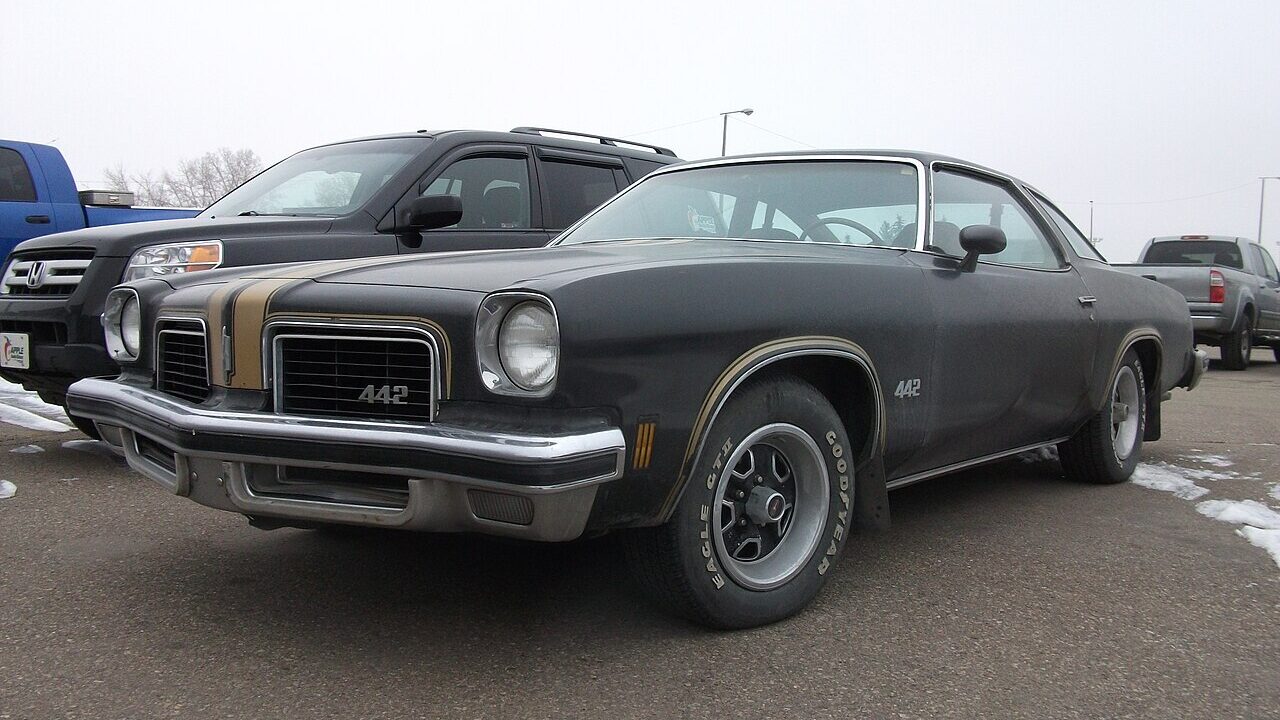
According to Hagerty, the Oldsmobile Cutlass was a crowd favorite in the mid-1970s, and the sporty Cutlass S stood out with its optional 4-4-2 package. This wasn’t just a visual upgrade, as performance was still part of the equation.
Standard models came with a 180-hp 350 Rocket V8, but buyers could order it with a 455 big block producing 250 hp. By the following year, power dropped slightly to 230 hp, but the 4-4-2 retained its bold looks and road presence, keeping the spirit of Oldsmobile performance alive despite tightening emissions rules.
1974 Plymouth Barracuda
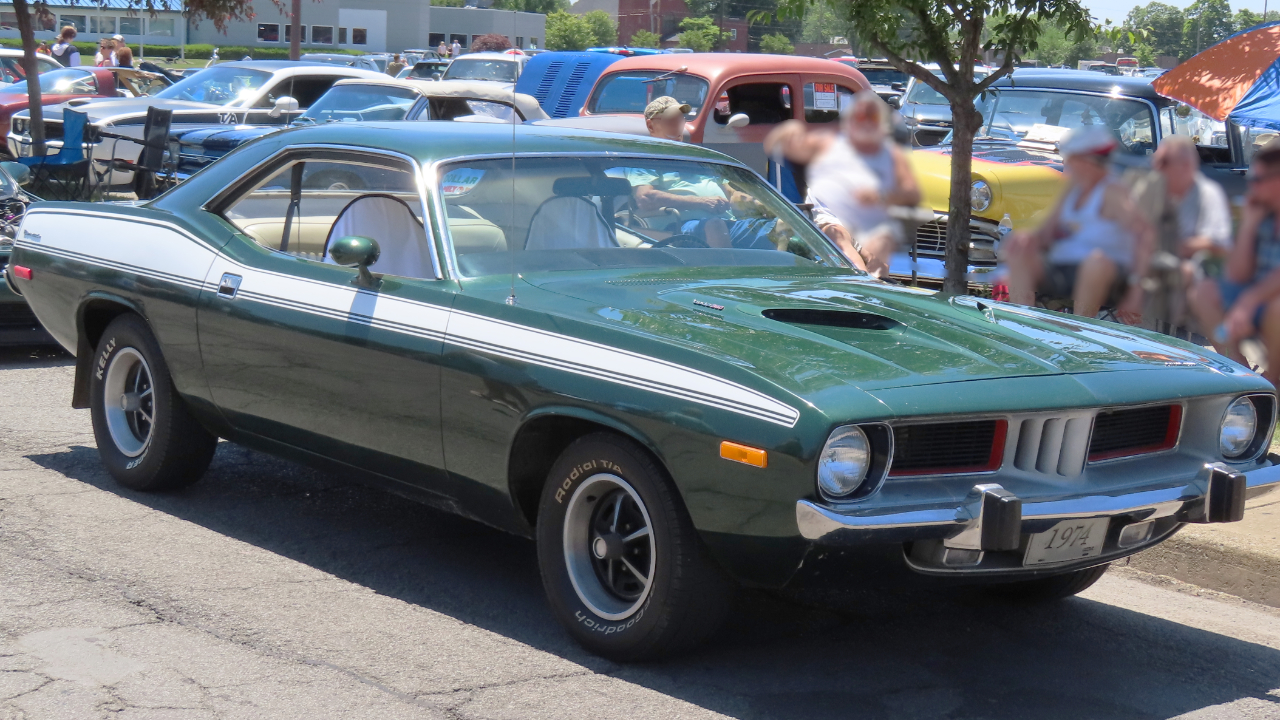
For 1974, the Plymouth Barracuda retained its classic muscle car styling, even as the high-powered 426 Hemi and 440 V8s disappeared from the lineup. According to Hagerty, it was still offered with V8 engines, with a 150-hp 318 as standard and an optional 245-hp 360 for those wanting more punch.
As the muscle car era was fading and with buyers turning to fuel-efficient alternatives, sales took a hit, and Plymouth moved fewer than 12,000 ‘Cudas that year. Still, the ’74 Barracuda stood as a last gasp of old-school muscle before the tide fully turned.
1974 Pontiac GTO
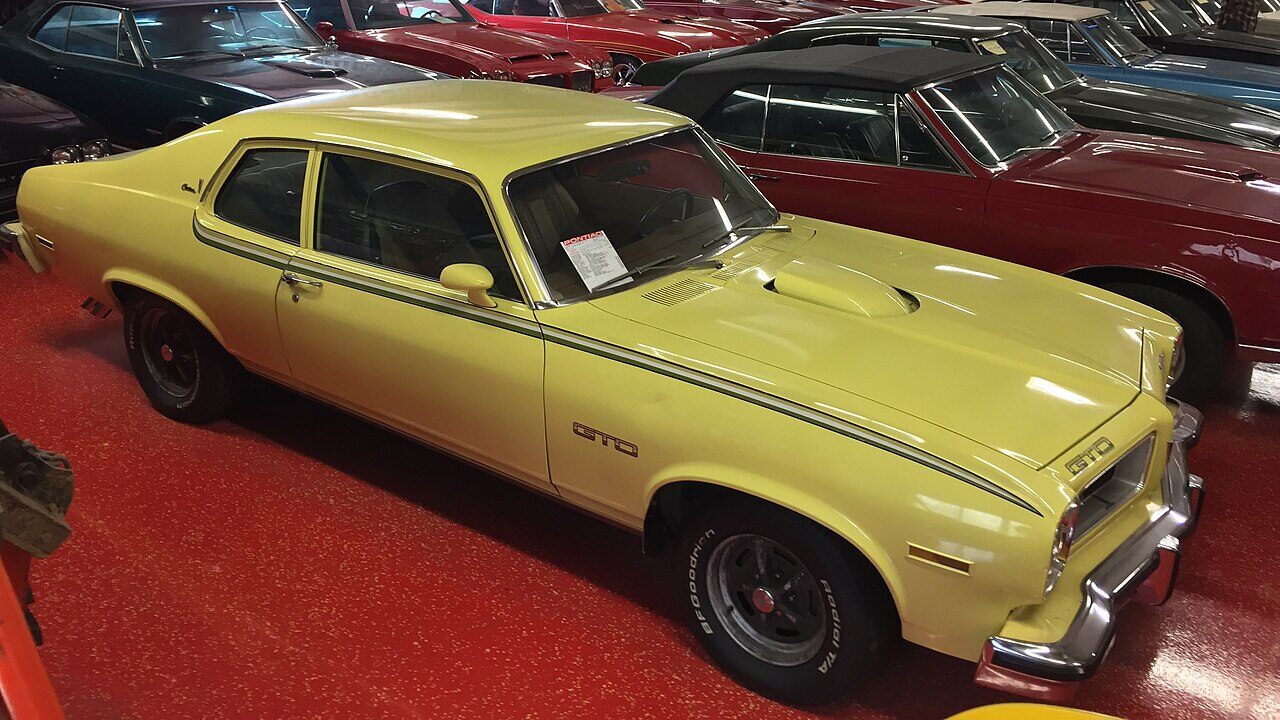
The 1964 Pontiac GTO wasn’t the first muscle car, but it was the model that started the muscle car craze. Ten years later, the once-mighty GTO was a mere shadow of its former self.
According to Hagerty, by 1974, the GTO was just an option on the Pontiac Ventura, which itself was nothing more than a rebadged Chevy Nova. Even so, the ’74 GTO had its charm. It came with a 350 V8 that sent its 200 hp to the Rally II wheels via a floor-mounted three-speed manual gearbox. It also had a functional shaker hood and performance suspension. While it couldn’t match its predecessor’s performance, it still looked the part. Pontiac discontinued the GTO after 1974, but it made a short-lived return in the mid-2000s as a badge-engineered Holden Monaro.
1974 Buick Century
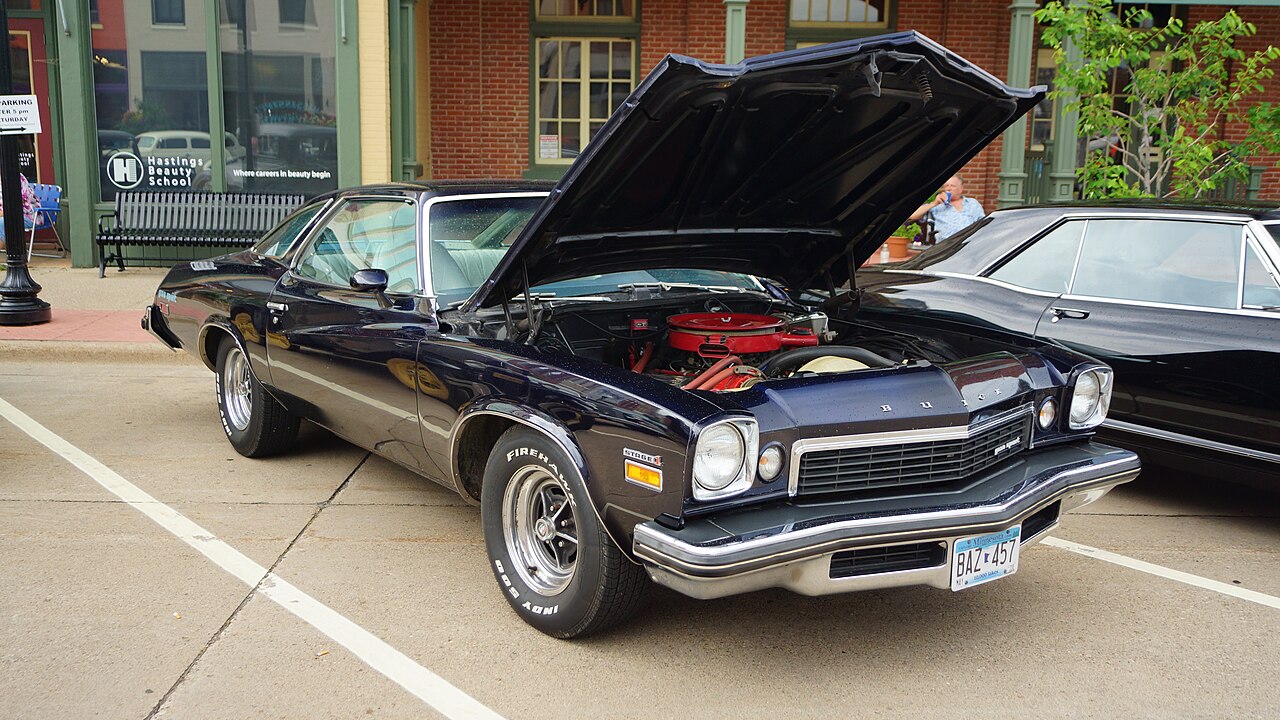
Buick launched the Regal name in 1973 as the top-tier trim of the Century, typically equipped with a Buick 350 V8. However, as reported by Hagerty, in 1973 and 1974, Buick also offered the often overlooked GS Stage 1 trim for those craving more muscle.
It packed a 455-cubic-inch V8 producing 250 horsepower. In a time when performance was on the decline, the GS Stage 1 stood out as a proper sleeper. It could outrun many of its more famous rivals and remains an underrated gem of the Malaise Era.
1974 AMC Javelin

By 1974, most American “muscle cars” were more show than go, but AMC held the line with the Javelin. Unlike its competitors, AMC still offered the mighty 401 V8, paired with the Go Package, which included both performance and visual upgrades.
According to Hagerty, the 401 cranked out 255 horsepower and devoured fuel with reckless abandon, just as gas prices were starting to climb. AMC sold 27,696 Javelins in the model’s final year, but only 745 left the factory with the top-dog 401, making it a rare and underrated Malaise Era survivor.
1976–1980 Plymouth Volare Road Runner

In the 1960s, the Plymouth Road Runner was a muscle car legend, known for its raw power and NASCAR pedigree. But by the mid-1970s, things had changed dramatically.
As Hagerty notes, the Road Runner badge was now slapped onto the modest Plymouth Volare. Its strongest engine was a 360 V8, making between 175 and 195 hp. Hardly thrilling numbers compared to its heyday. Still, the Volare Road Runner had aggressive styling and sporty flair. It may have been a shadow of its former self, but a cool one nonetheless.
1977 Pontiac Can Am

Pontiac’s Can Am may not be as famous as the Trans Am, but it’s still a cool model. Offered only in 1977, the Can Am was a special edition package based on the Pontiac LeMans and named after the SCCA Can-Am racing series.
According to Hagerty, it came exclusively in white with striking red-orange stripes, black rocker panels, and blacked-out moldings. Under its iconic shaker hood, it packed the same 6.6-liter V8 engine found in the ’77 Trans Am, giving it decent muscle and a bold presence on the road.
1977 Pontiac Firebird Trans Am SE

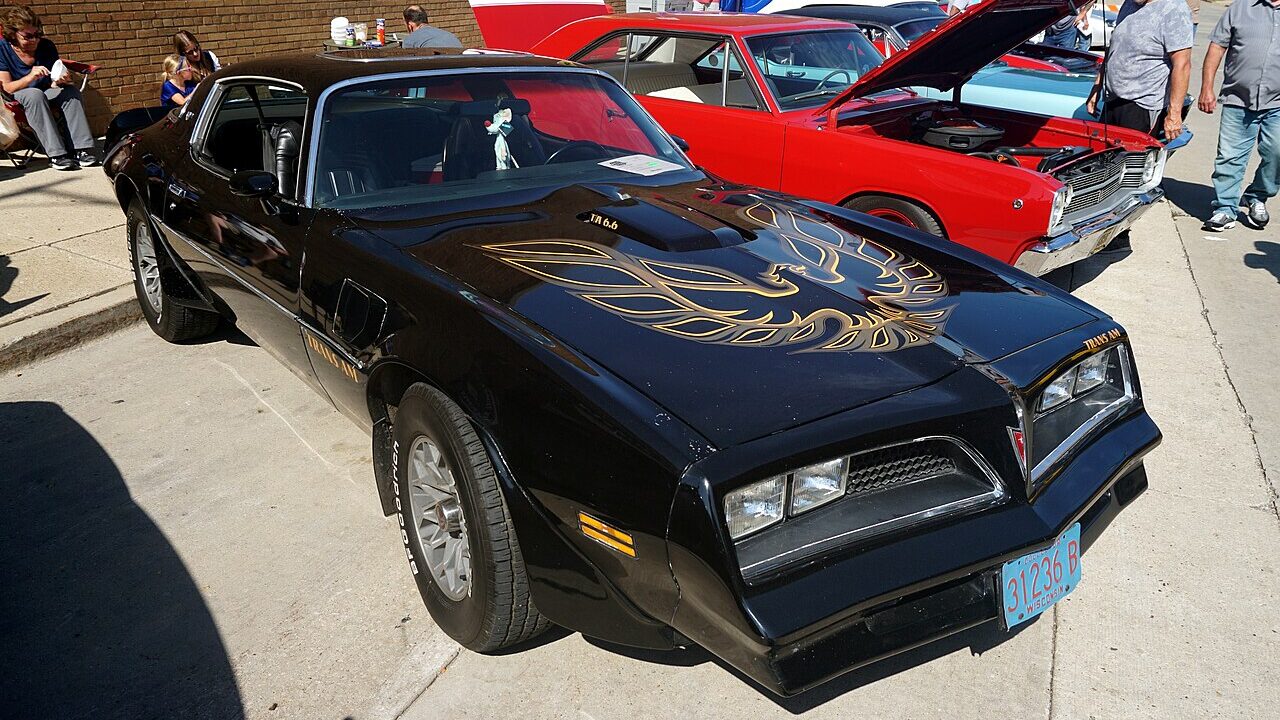
The 1977 Pontiac Firebird Trans Am owes much of its legendary status to the cult classic movie Smokey and the Bandit. With its striking black paint and gold accents, the Special Edition became one of Pontiac’s most popular models and remains a highly sought-after American classic today.
According to Hagerty, it came standard with an L78 400 engine, with optional upgrades including the W72 400 and the Oldsmobile-sourced L80 403. The W72 400 was the preferred choice, boasting higher compression and parts that helped it deliver a solid 200 horsepower.
1978 AMC Spirit AMX
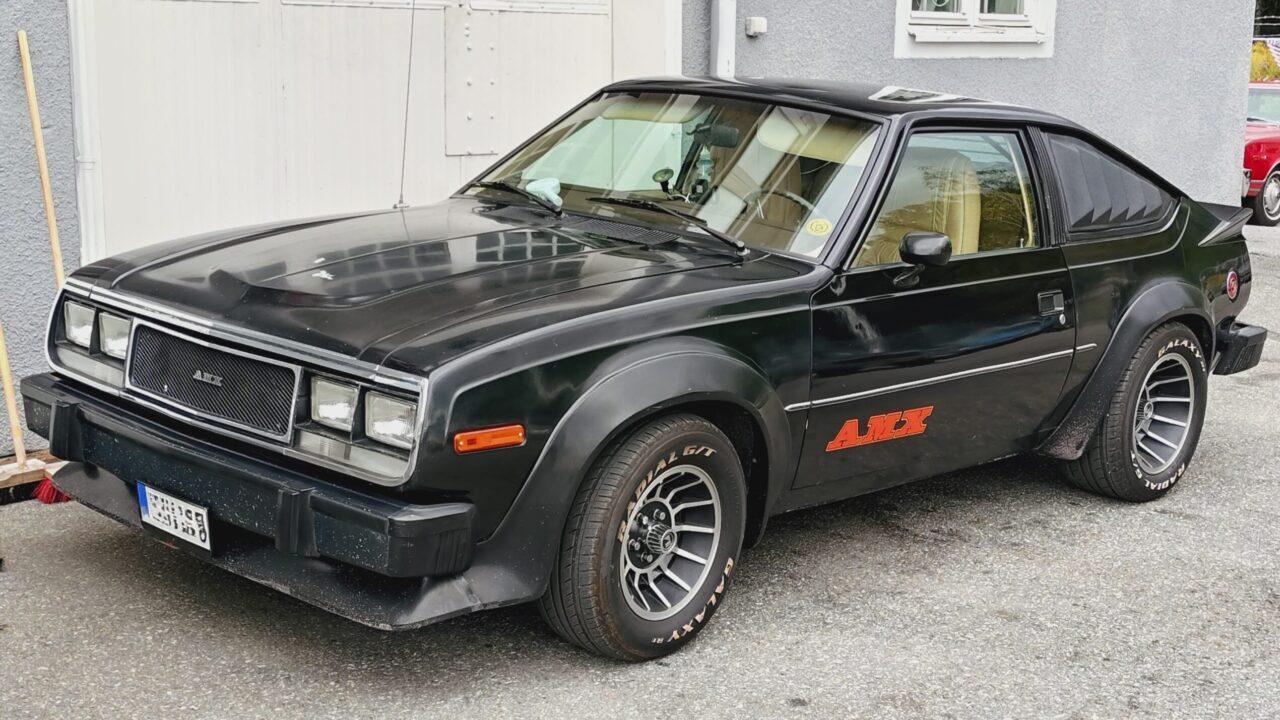
According to MotorTrend, the AMC Spirit AMX might be one of the slowest performance cars ever made. While its 304 V8 churned out a modest 125 hp and 219 lb-ft of torque, it still managed 0-60 mph in 10.6 seconds and a top speed just over 100 mph, which was decent for its time. Power was sent to the rear wheels through a three-speed automatic.
Despite its underwhelming performance, the Spirit AMX stands out with bulging fender arches, front and rear spoilers, and distinctive, wide, turbine-style “Turbocast II” wheels.
1978 Dodge Aspen

In 1978, Dodge tried to cash in on its NASCAR ties with Richard Petty by launching the Aspen Super Coupe. As Autoevolution notes, the car looked the part with front and rear spoilers, black trim, fender flares, and quarter-window louvers, but it lacked serious performance upgrades.
Under the hood, it had a 175-hp 360 V8, which was decent for the time. Unfortunately, just as Dodge launched the car, Petty left Chrysler for Chevrolet. Without The King behind it, the Super Coupe never reached the popularity Dodge had hoped for.
1978 Mustang King Cobra

The Mustang II isn’t exactly a beloved classic, but it sold well in the ’70s thanks to its affordability and fuel efficiency. To spice things up, Ford introduced the King Cobra version in 1978.
As CJ Pony Parts notes, it featured a bold chin spoiler, unique wheels, and a massive King Cobra decal that clearly mimicked the Trans Am’s famous hood art. Unfortunately, the performance didn’t live up to the looks. Its 302 V8 made just 139 hp, and with the aggressive styling, it was more of a poser than a performer.
1980–1983 Dodge Mirada CMX

According to Allpar, the Dodge Mirada was a large, two-door coupe with a roomy interior and angular, yet sporty, styling. Fender louvers and an optional fake convertible roof gave it plenty of visual flair.
Sadly, the performance didn’t match the looks. Even the top-spec Mirada CMX, with its optional 360 V8, managed just 185 hp. Respectable for the time, but far from thrilling. The flashy design hinted at muscle, but the reality fell short. By 1983, the Mirada was discontinued, making way for Chrysler’s improved K-platform models.
1980 Chevrolet Camaro Z/28

Chevrolet never gave up on the Camaro throughout the 1970s, and according to Hagerty, the second generation lasted until 1981. Even the Z/28 performance trim made it into the new decade, though it wasn’t as powerful as before. Still, it looked the part, featuring bold stripes, flared fenders, spoilers, and a rear-facing air scoop that opened electronically.
In 1980, the standard engine was a 305 V8 with 155 hp, while a 350 V8 was optional, delivering a healthier 190 hp. Despite the power dip, the Z/28 remained a head-turning icon of the era.
1982 Ford Mustang GT

By the end of the 1970s, Ford ditched the Pinto-based Mustang II and launched the Fox Body Mustang. According to Hagerty, it was still underwhelming at first, but real performance was just around the corner. In 1982, the GT trim made its return, and unlike the King Cobra package, it offered actual performance, not just aggressive styling.
The revived 5.0-liter V8 cranked out 157 horsepower, marking the start of the Mustang’s comeback as a proper performance car. Ford was finally back on the right track.
1982 Pontiac Firebird Trans Am

The third-gen 1982 Pontiac Firebird Trans Am made the ’77 model look outdated overnight. Sleek, low-slung, and more aerodynamic than ever, it was built for the new decade, and as Hagerty put it, it was “the epitome of ’80s cool.”
Sadly, performance didn’t match the styling, at least in base form. The standard Iron Duke 2.5-liter four-cylinder made just 90 horsepower. Fortunately, buyers could opt for a 5.0-liter V8 with either a 145-hp carbureted version or the 165-hp Crossfire Fuel Injection model, adding a bit more muscle to back up the looks.
1983 Hurst Oldsmobile Cutlass H/O

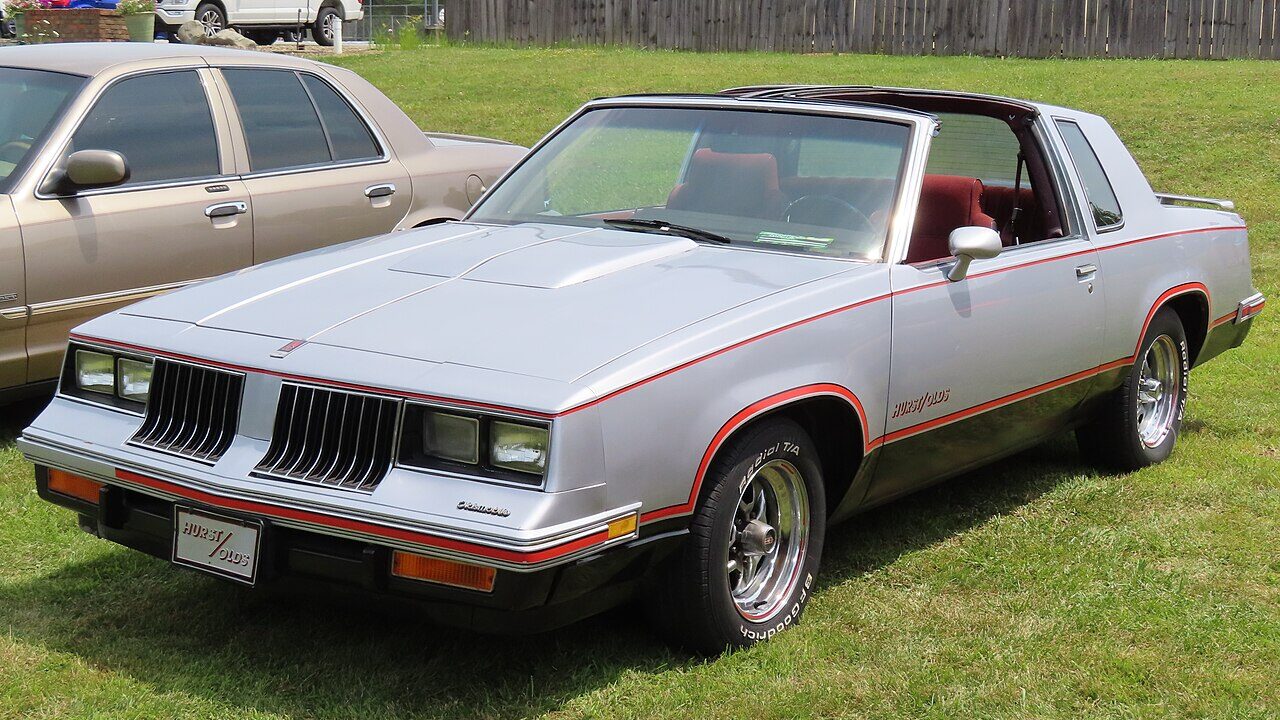
To celebrate 15 years since the first Hurst/Olds debuted in 1968, Oldsmobile released a special 15th Anniversary Edition in 1983, as reported by Hemmings. Dressed in black with silver rocker panels, it featured 15-inch chrome wheels, a power bulge hood, rear spoiler, and the iconic Hurst Lightning Rod shifter.
Under the hood was a 307 V8 producing 180 hp. Originally, just 2,500 units were planned, but strong demand pushed production to 3,001. It was so well received that Oldsmobile brought the Hurst/Olds back for 1984, selling another 3,500 units.
Bonus: 1973 Chevy Corvette 454

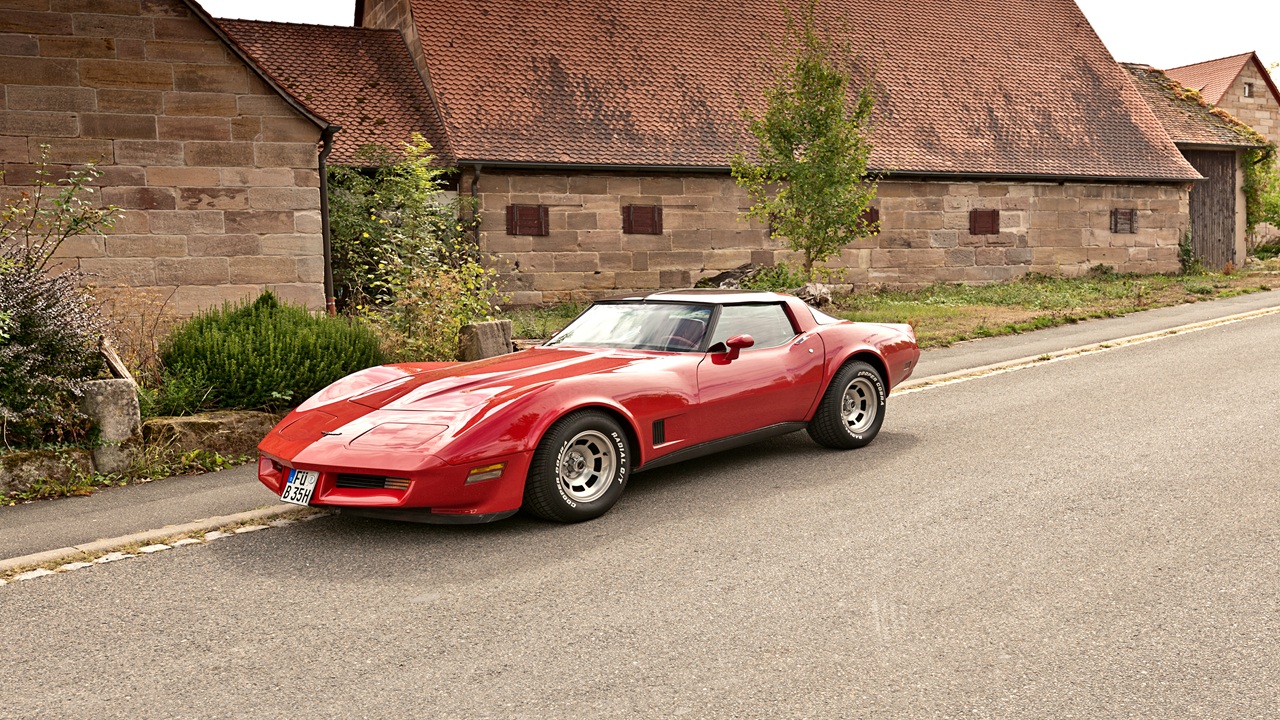
As a bonus, let’s not forget the 1973 Chevrolet Corvette. While technically a sports car, it still packed serious muscle under the hood. According to Car & Driver, 1973 marked the debut of the 454-cubic-inch LS4 V8 in the Corvette, pushing out 275 hp.
About 15% of buyers went for this big-block option. That year also introduced a new cowl induction hood, which boosted performance and helped shave down acceleration times. Unfortunately, the 454 started losing power by 1974 and disappeared entirely from the lineup by 1975.
Faux Muscle
While not every car on this list could run with the heavy-hitters of the ’60s, they still have character, and in the right hands, they can shine.
Often overlooked or viewed as disposable, it may be difficult to find one today that’s in reasonable shape for sensible money. If you can find one, it can be turned into something truly spectacular using modern aftermarket parts and powerplants, and it’ll finally have the performance to match its looks.