Electric vehicles have entered a new phase of development. The first wave focused on introducing battery-powered alternatives to traditional gasoline cars. The second wave pushed driving range, charging speed, and performance to new levels. Now the industry is entering a period of adjustment where manufacturers refine their strategies and update existing models.
Several electric vehicles are temporarily stepping back during 2026 in the United States, often by skipping the 2026 model year or pausing new orders, as brands deal with tariffs, inventory, and platform rollout timing. These pauses do not necessarily mean the end of a model. In many cases they represent a shift toward more advanced battery technology, revised software systems, or refreshed designs intended to keep vehicles competitive in a rapidly evolving market.
Electric vehicle development moves faster than traditional automotive cycles. Battery chemistry improves quickly, charging infrastructure expands, and customer expectations continue changing. Manufacturers therefore sometimes pause production of a specific model to prepare an improved successor.
The following six electric vehicles illustrate how different companies are adjusting their plans. Each model is taking a step back during 2026 while its manufacturer prepares the next stage of its electric strategy.
Why Electric Cars Sometimes Pause Before Their Next Evolution

Electric vehicles rely heavily on technology that continues evolving every year. Battery capacity, charging speeds, and software management systems all improve rapidly. When a manufacturer prepares a major update, pausing production for a short period often becomes necessary.
Engineers use these breaks to introduce more efficient electric motors and higher-energy-density battery packs. Updated electronics and improved cooling systems can dramatically improve range and charging performance. These upgrades often require new platforms or significant design revisions.
Market positioning also influences these decisions. As more competitors enter the EV market, manufacturers sometimes adjust pricing and feature strategies before launching an updated version. A temporary pause allows the next generation to return with stronger specifications and a clearer identity.
Government regulations and battery supply chains also affect production timelines. Changes in incentive programs or sourcing strategies occasionally encourage brands to reorganize their electric vehicle portfolios.
These factors explain why several well-known electric models step away briefly in 2026 while their manufacturers prepare what comes next.
Audi A6 e-tron
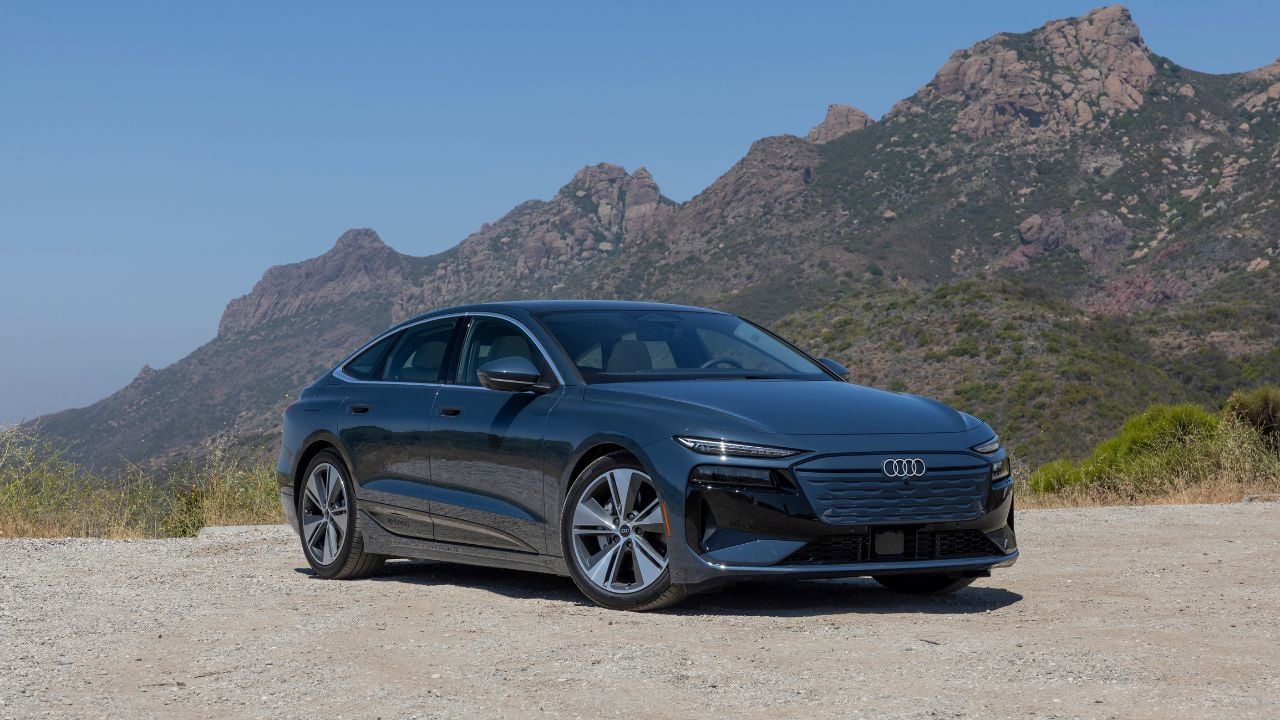
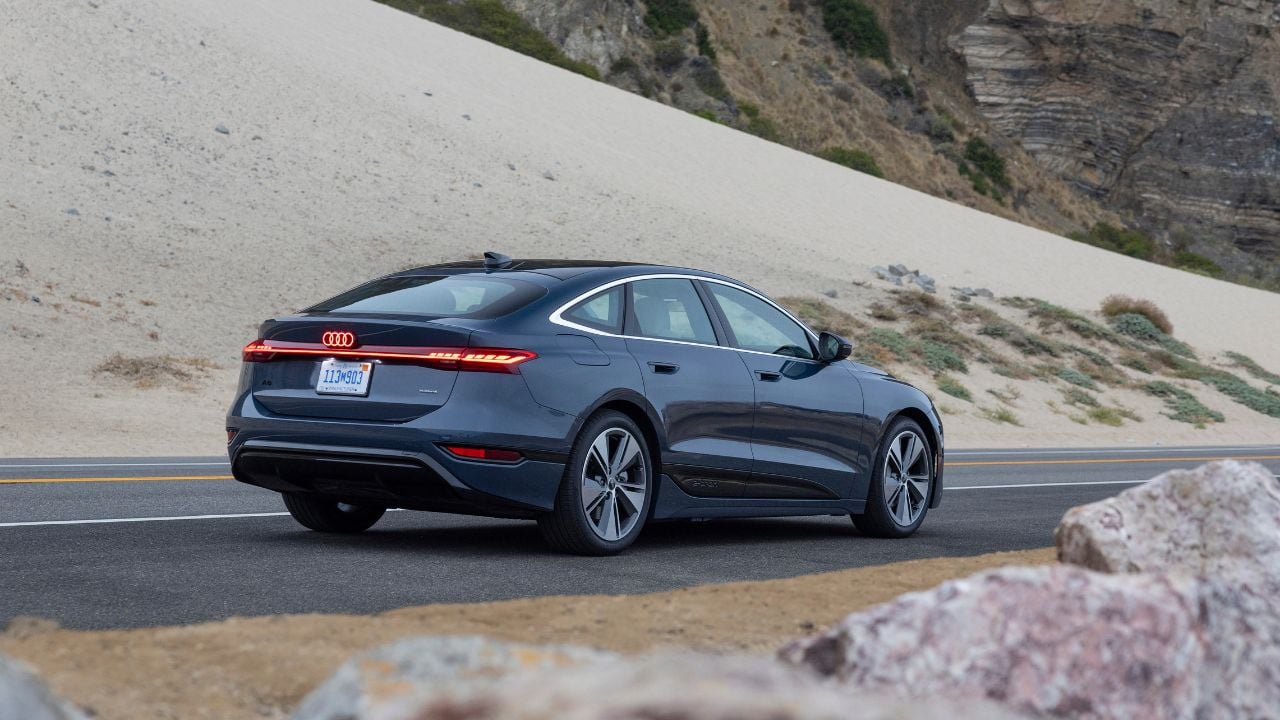
Audi’s transition toward electrification includes several new models built on the advanced Premium Platform Electric architecture. The Audi A6 E Tron represents a major step in that strategy, blending executive sedan luxury with modern electric performance.
Audi lists the A6 e-tron with multiple outputs, including 362 horsepower in single-motor form, 422 horsepower in dual-motor quattro form, and up to 496 horsepower for the S6 e-tron. Audi has cited up to 466 miles on the WLTP cycle, and U.S. EPA range is expected to land roughly in the 350 to 400 mile zone for the most efficient versions, with dual-motor models typically being lower. For the updated 2027 lineup arriving in the second quarter of 2026, pricing starts at $67,995 for the A6 e-tron and $80,895 for the S6 e-tron.
Audi plans to refine its electric lineup as new models arrive, and it confirmed the A6 e-tron will skip the 2026 model year in the U.S. before returning as a 2027 model arriving in the second quarter of 2026. Engineers continue refining battery performance, charging efficiency, and software systems as the company prepares future updates.
The pause allows Audi to strengthen its broader electric platform strategy. When the model returns with updated technology, it will remain an important competitor within the rapidly growing luxury electric sedan segment.
Volkswagen ID. Buzz

Volkswagen’s ID Buzz arrived as a retro-styled electric van, but it is taking a clear pause in the U.S. market. Volkswagen confirmed there will be no 2026 model year ID Buzz for the United States as it manages inventory and prepares a transition to the 2027 model year.
This break is not framed as a cancellation. Instead, Volkswagen has described it as a temporary halt, with the ID Buzz scheduled to return as a 2027 model that is expected to arrive sometime in 2026.
The ID Buzz matters here because it shows how quickly EV plans can change when pricing, demand, and market conditions shift. Skipping a model year is now one of the ways brands reset expectations before a relaunch.
Dodge Charger Daytona
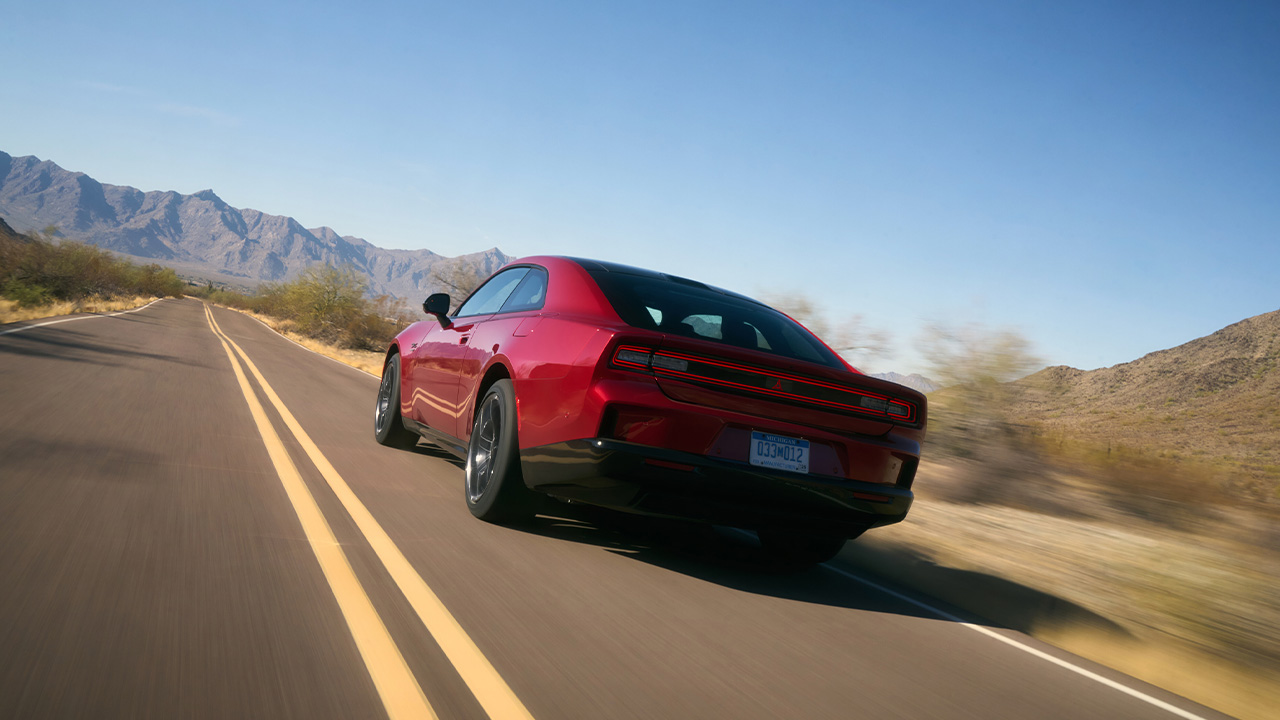
Performance electric vehicles represent a growing segment of the market, and the Dodge Charger Daytona aims to bring the brand’s traditional muscle car identity into the electric era. The model combines aggressive styling with powerful electric propulsion.
Early versions deliver approximately 496 horsepower through a dual-motor all-wheel-drive system. Acceleration and performance figures reflect Dodge’s long-standing emphasis on high-performance vehicles. Initial pricing for the 2025 Charger Daytona was $61,590 before options.
Dodge has said production of the Charger Daytona is postponed for the 2026 model year, citing the effects of U.S. tariff policies, while the Charger Daytona Scat Pack continues.
The break allows Dodge to further develop the driving experience and technology behind its new electric performance platform before the next phase of production resumes.
Polestar 2
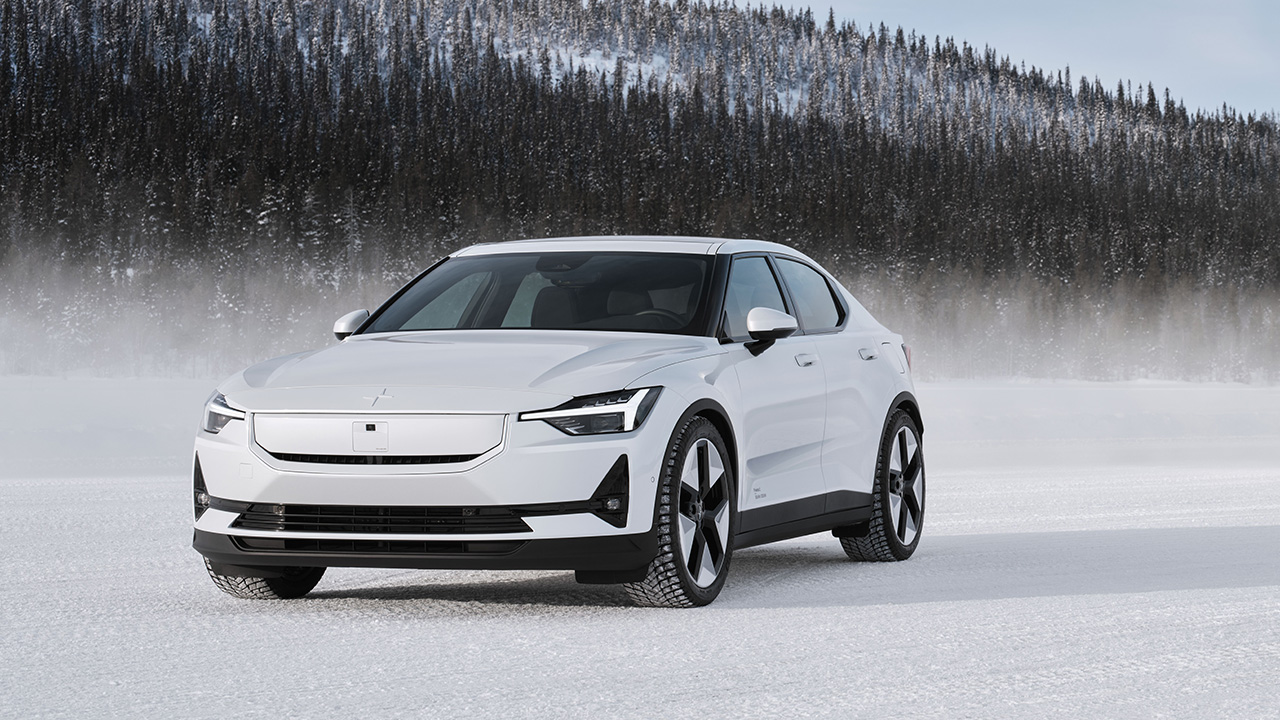
Distinctive Scandinavian design and strong electric performance helped the Polestar 2 establish itself as a serious competitor in the premium EV segment. The fastback-style sedan combines minimalist aesthetics with advanced electric technology.
Dual-motor versions produce about 421 horsepower and deliver confident all-wheel-drive traction. Driving range varies by battery configuration but approaches 300 miles in many versions. Buyers exploring the model usually encountered pricing beginning around $49,000 in the United States.
Polestar continues evolving its lineup as new models join the brand’s portfolio. With the introduction of additional vehicles, the company is adjusting production schedules for existing models.
In the United States, the Polestar 2 pause is driven largely by tariffs on Chinese-built vehicles, which pushed Polestar to stop taking new orders and rely on remaining inventory. Polestar has signaled that refreshed versions and the next generation Polestar 2 will focus on Europe, with the U.S. market plan changing as production strategy shifts.
Hyundai Kona Electric

Compact electric crossovers continue attracting buyers who want practicality combined with battery-powered efficiency. The Hyundai Kona Electric has served this role successfully for several years, offering strong range within a relatively affordable package.
A single electric motor produces around 201 horsepower, delivering smooth acceleration suitable for everyday driving. The driving range approaches 261 miles under EPA estimates depending on battery configuration. In the U.S. market, the Kona Electric generally appears around the $34,000 range before incentives.
Hyundai continues expanding its electric vehicle lineup with new models based on advanced dedicated EV platforms. Hyundai confirmed there will not be a 2026 model year Kona Electric in the U.S., and the model is scheduled to return after a short hiatus as a 2027 vehicle.
This break allows Hyundai to refine future versions and integrate improvements in battery technology and charging performance while maintaining the model’s reputation for efficiency and practicality.
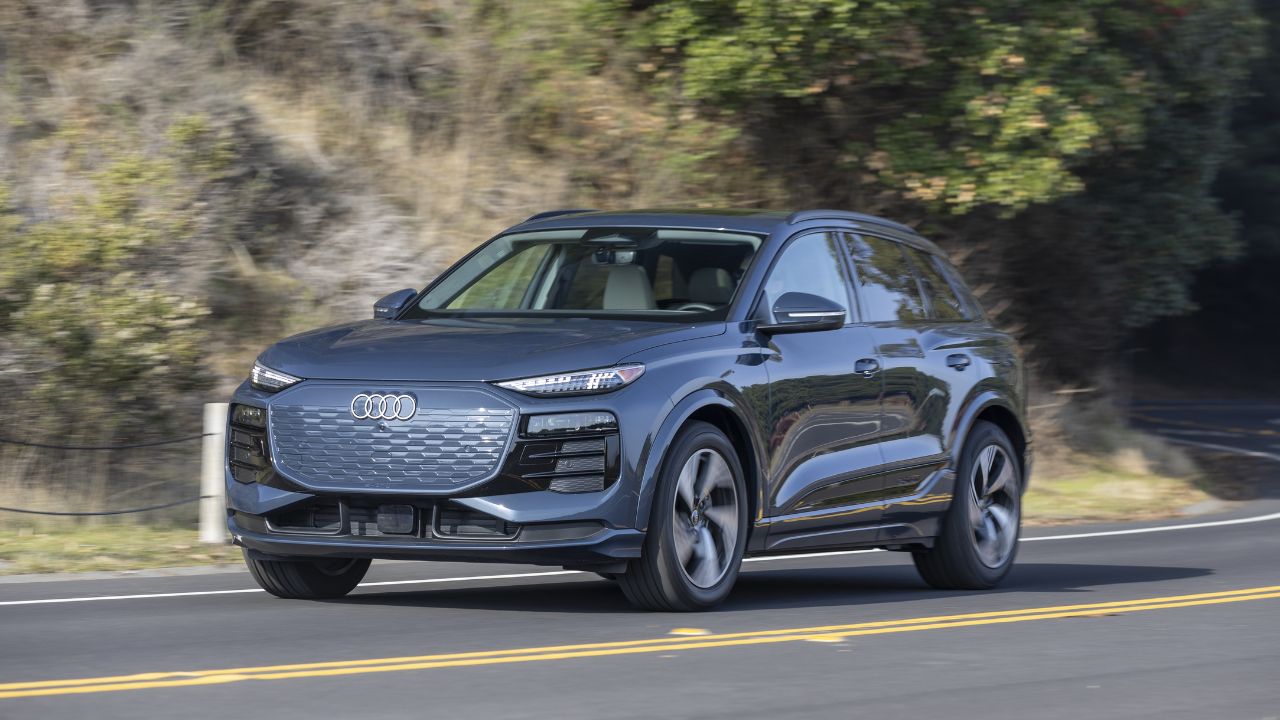
Audi Q6 E-tron
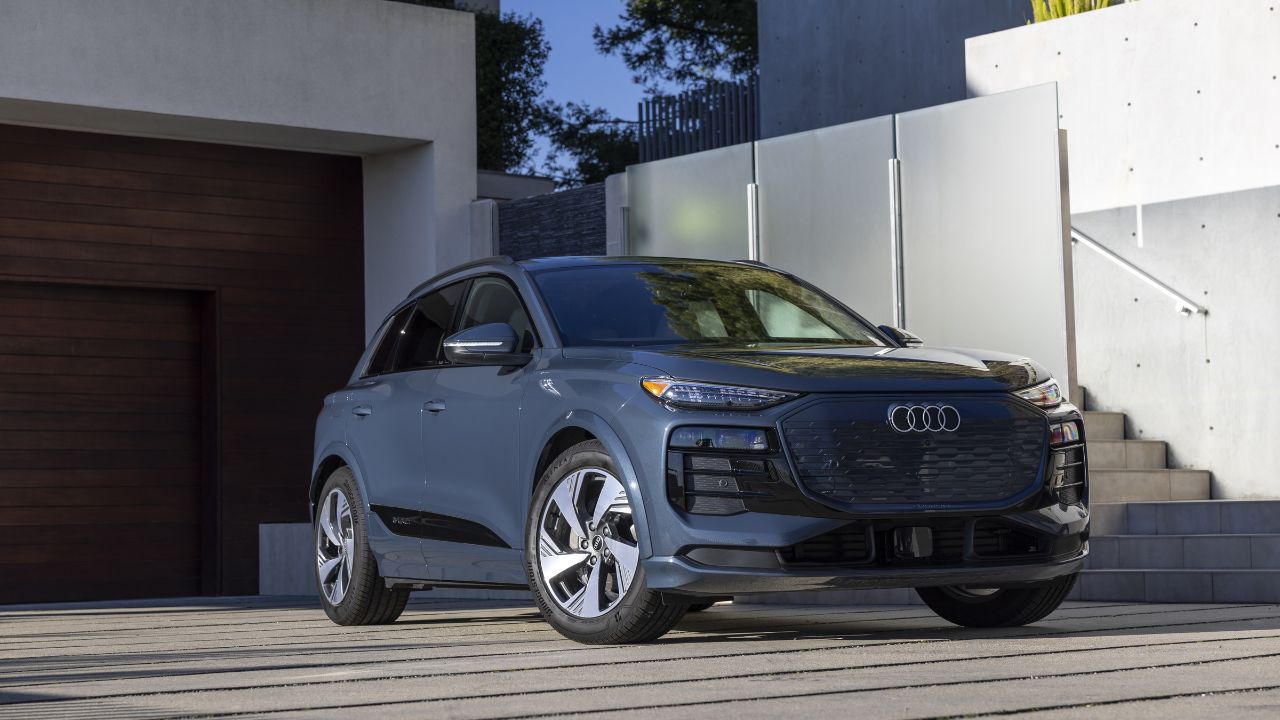
Luxury electric SUVs represent one of the fastest-growing areas of the EV market. Audi’s Q6 E Tron plays a key role in this category by combining premium interior comfort with advanced electric engineering.
The SUV rides on the same Premium Platform Electric architecture used by other new Audi EVs. Dual-motor versions deliver approximately 456 horsepower while providing all-wheel-drive capability. The EPA estimated range is roughly 295 to 321 miles depending on configuration, with the dual-motor model typically lower than the single-motor version.
For the updated 2027 lineup arriving in the second quarter of 2026, pricing starts at $65,795 for the Q6 e-tron. The vehicle also introduces advanced digital technology and a highly modern interior layout.
Audi confirmed the Q6 e-tron skipped the 2026 model year in the U.S. before returning as a 2027 model arriving in the second quarter of 2027. Engineers are preparing improvements in battery efficiency and software integration as the brand expands its electric lineup.
Electric Progress Often Includes Short Pauses
The electric vehicle market continues evolving at an extraordinary pace. Battery technology improves quickly, charging networks expand, and manufacturers refine their strategies as competition increases.
Temporary pauses like the ones seen here often represent preparation rather than retreat. Many of the vehicles listed here will likely return with updated designs, longer driving range, and more advanced technology.
Electric mobility remains one of the most significant transformations in automotive history. These brief breaks simply highlight how quickly manufacturers continue pushing the technology forward.
The real question now becomes clear. Which of these electric vehicles will return strongest when their next chapter begins?