
It starts with a noise that no driver forgets.
A sharp crack, described as sounding like a shotgun blast, tears through the quiet of a late evening drive along Interstate 580. Inside the car, Daphne Ryan and her family are heading home after a baseball game, her children asleep in the back seat. In an instant, calm turns to confusion. A vehicle has just clipped her driver’s side mirror.
The incident probably would never have made headlines except for what came next.
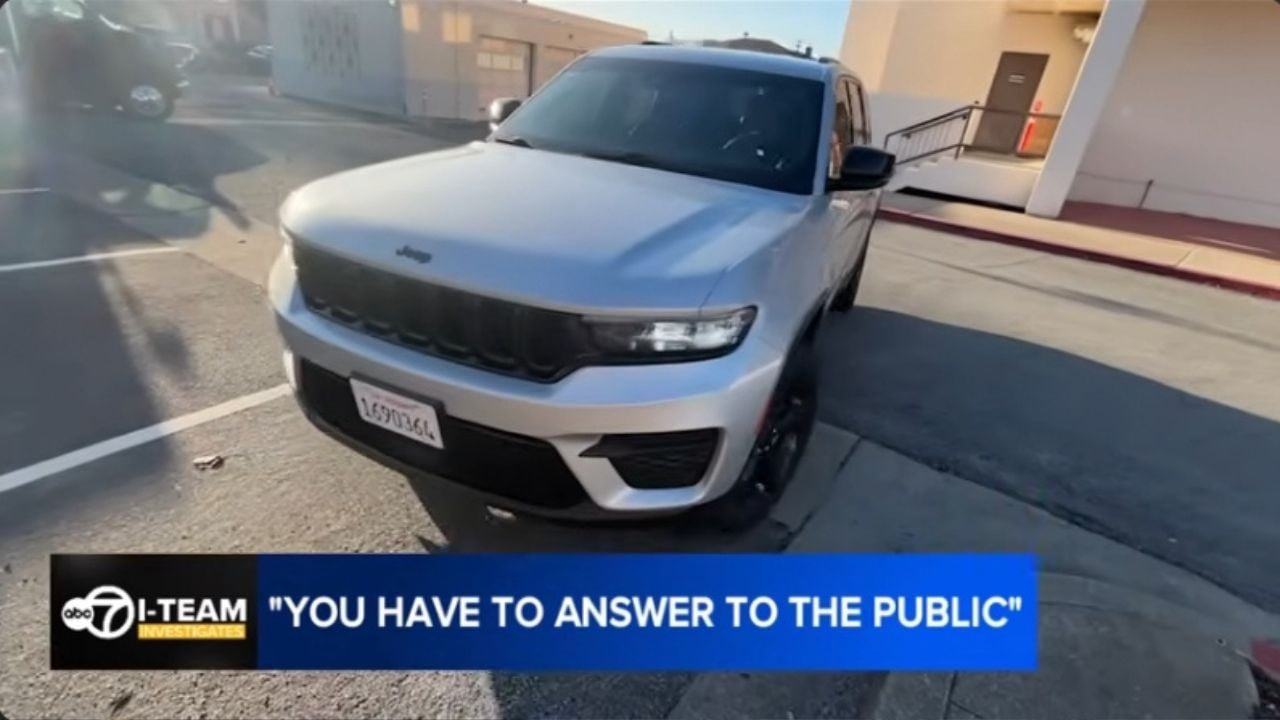
According to Ryan’s account, the vehicle responsible was a silver Jeep traveling aggressively along the shoulder before veering into her lane. After the collision, she says the driver did not slow down or pull over. Instead, the vehicle allegedly cut across multiple lanes, switched off its lights, and exited the highway.
For any driver, that sequence raises immediate questions. For a law enforcement vehicle, it raises far more.
A License Plate Changes Everything
Ryan’s husband managed to capture the license plate, a detail that would quickly shift the story from a routine traffic incident into something far more complicated. When authorities ran the plate, it traced back to an unmarked police vehicle assigned to San Leandro Police Chief Angela Averette.
From that moment, the situation stopped being just about a roadside collision. It became a question of accountability.
When approached for answers, the police chief declined formal interviews. However, in statements to investigators, she offered an explanation that hinges on both urgency and perception. She said she had been experiencing chest pains while driving home and made the decision to use the center median to bypass traffic. She also stated she did not realize any collision had occurred.
That claim sits at the heart of the case.
Conflicting Accounts
Ryan strongly disputes it. From her perspective, the impact was loud, jarring, and impossible to miss.
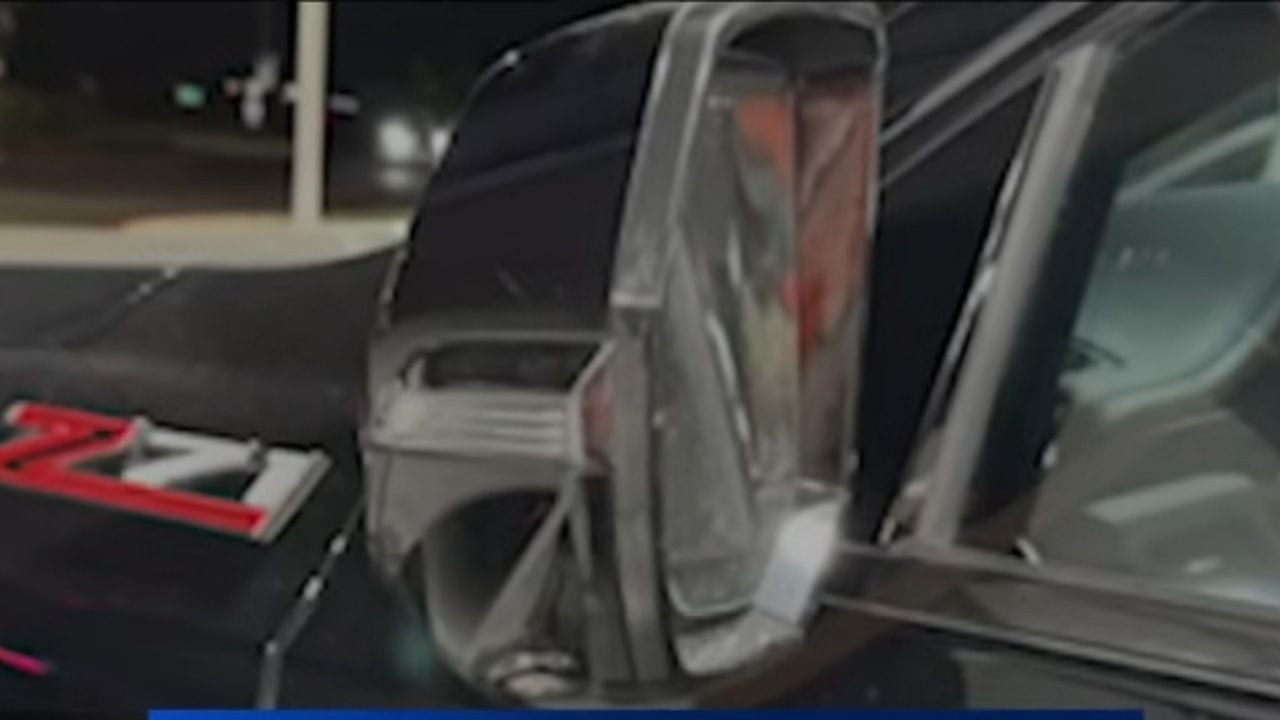
The mirrors of both vehicles made direct contact, leaving visible damage that investigators later confirmed matched. To her, the idea that the driver could remain unaware does not align with basic driving experience.
Independent analysis adds another layer. A former police practices expert interviewed in the report suggested that while the legal standard depends on whether the act was done knowingly, common sense would suggest a driver is likely to notice such contact, especially at highway speeds.
Despite these doubts, the California Highway Patrol (CHP) ultimately chose not to file charges. Their reasoning centered on the chief’s statement that she had no knowledge of the collision. Without proof of intent, the case did not meet the threshold for a hit and run prosecution.
Still, the controversy did not end there.
Internal Concerns and Unanswered Questions
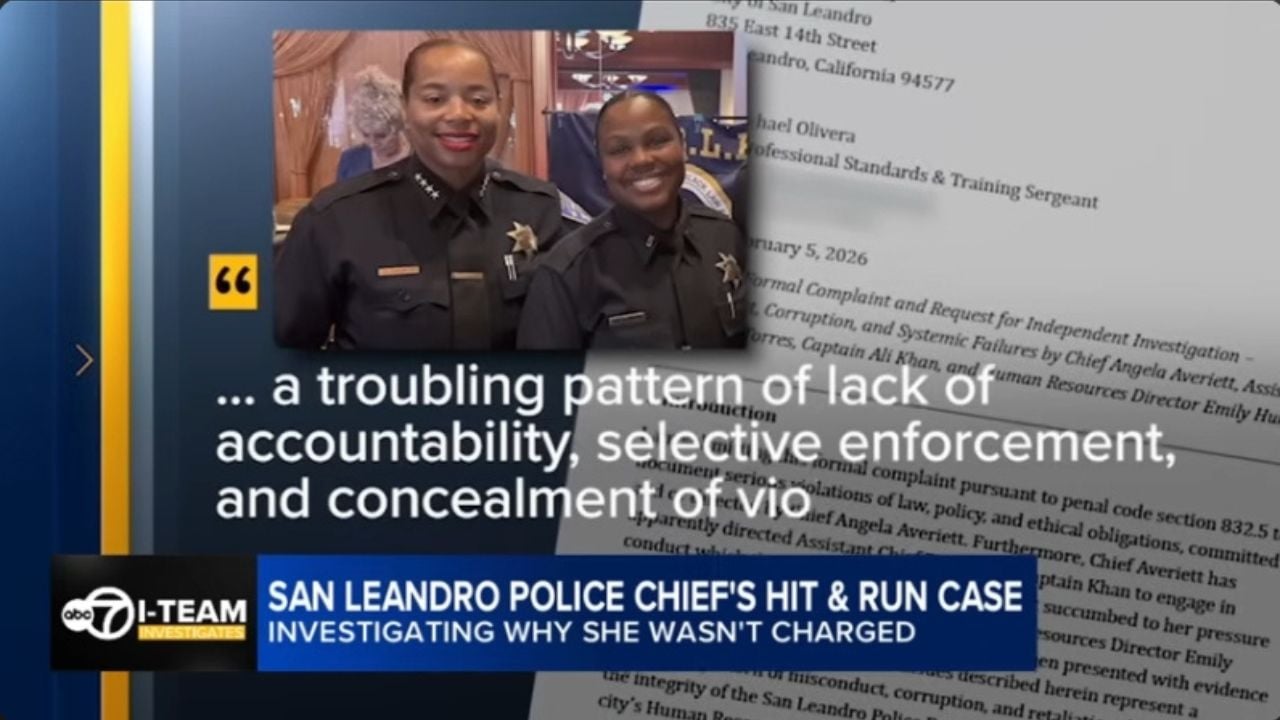
Within the San Leandro Police Department, the incident appears to have triggered deeper internal concerns. A nine-page complaint filed by an Internal Affairs sergeant alleges that the chief received treatment different from what rank and file officers would expect under similar circumstances.
The complaint goes further, pointing to what it describes as a broader pattern involving selective enforcement and a lack of accountability.
Another detail adds to the unease. Ryan claims that shortly after reporting the incident, a police lieutenant initially denied that the vehicle belonged to their department. Minutes later, the same officer allegedly called back with an offer to handle the vehicle damage if a formal report was not filed. Ryan found that interaction suspicious, particularly given the circumstances.
Attempts to get clarity from city leadership have yielded little. The mayor declined to comment, citing the matter as a personnel issue. Official statements confirm that both a highway patrol investigation and a separate administrative review have been completed, but no further findings have been made public.
An Uncomfortable Grey Area
So, the case sits in an uncomfortable gray area.
There is a documented collision, conflicting accounts of what happened in those critical seconds, and an absence of definitive public conclusions. For the officers within the department, the concern appears to be about consistency and fairness. For the public, it becomes a question of trust.
Because when a routine drive home turns into a moment of impact, the expectation is simple. Stop, acknowledge, and account for what happened.
In this case, those expectations remain unresolved.