Arizona State University put men’s hockey coach Greg Powers on paid administrative leave Wednesday, nearly six weeks after player Matthew Mayich collapsed during an outdoor team workout and was hospitalized.
Mayich, 21, remains on life support and is unlikely to recover, family attorney Rob Carey told NBC News. His parents have continued treatment while hoping for what Carey described as a miracle.
The move came after seven ASU hockey players sent President Michael Crow a 26-page letter disputing the university’s account of the Aug. 20 workout and asking that coaches involved be removed while an independent investigation is conducted. The players submitted the letter anonymously through an attorney, saying they feared retaliation involving playing time, scholarships, or roster positions.
Arizona State announced Powers’ leave as the team prepared to open its season. Assistant coach Mike Corbett will lead the team for the opening weekend, with the university saying an interim head coach will be named soon.
That Morning
Embedded media follows; please allow a moment to load.
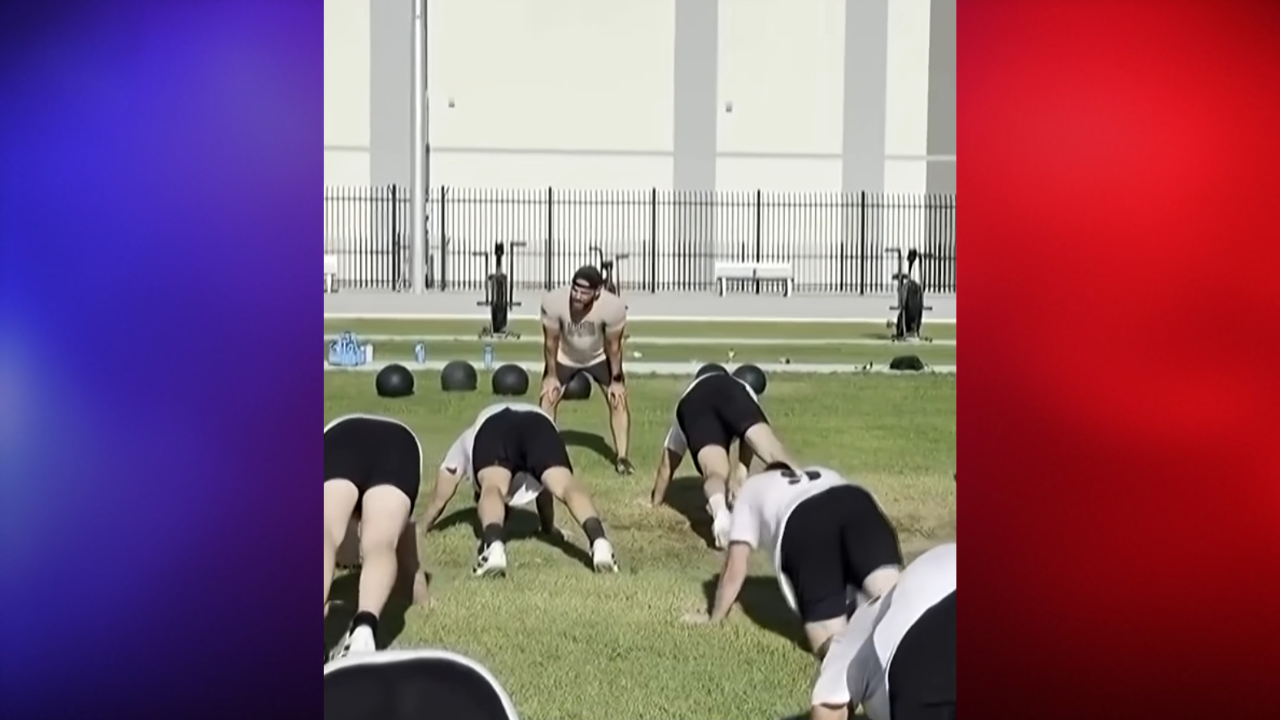
Mayich collapsed shortly before 8:30 a.m. at Sun Angel Stadium in Tempe during the first day of what ASU described as a three-day team-building event.
An initial university review said all three hockey coaches, the team’s athletic trainer, and outside consultant Timothy Ziesel were present for an event involving calisthenics, bodyweight exercises, and running. The university calculated temperatures of 86 to 89 degrees during the roughly 7 to 8:30 a.m. period.
Ziesel, an Army veteran and former Green Beret, had previously spoken to the team about leadership and teamwork. ASU’s review found that the hockey staff requested permission for him to speak to the team but did not submit a plan describing the training activities to university strength and conditioning coaches for review before the workout.
The university said athletes had been told to rest and hydrate beforehand, water was brought to the field, and a drinking break occurred about 20 minutes into the event.
Seven players who were there gave a sharply different account.
Two Accounts
In their letter to Crow, the players said the workout lasted more than 75 minutes and that the only water break came roughly 35 to 45 minutes into the session.
They said the break lasted only seconds, about eight players reached the water, and Mayich received none before everyone else was pushed into the next exercise. The players also described teammates dropping to a knee and vomiting and said Mayich appeared disoriented before the final exercise.
ASU’s initial review instead said Mayich began struggling while completing a late-session exercise involving running with a medicine ball. He stumbled, dropped the ball, fell, tried to resume running, and then fell to his knees.
The university said the athletic trainer assessed him, applied iced towels and cool water, and later called 911 when his condition deteriorated. Players then helped move Mayich into the shade, where the trainer continued using towels and water from a hose until emergency medical personnel arrived.
The players challenged that account as incomplete, alleging Mayich had displayed signs of distress earlier and was not effectively cooled between his collapse and the arrival of paramedics. They also said Ziesel had left before the medicine-ball exercise, leaving the ASU coaching and training staff supervising the final portion of the workout.
The Missing Tub
The dispute extends beyond what happened during the workout to whether ASU’s own heat-safety procedures were followed.
The university’s exertional heat illness policy calls for athletes to be gradually acclimatized to heat over seven to 14 days, with increasing exposure to conditions similar to those in which they will train or compete. It also says athletes should have access to fluids during scheduled breaks or whenever they feel they need them.
For periods of increased heat or humidity, the policy calls for cold-water immersion tubs, ice towels, and shade. It further directs staff to have a cold tub partially filled and ready before an event, with immediate cold-water immersion listed as the first-choice treatment when heat illness is suspected.
The seven players said there was no immersion tub or accompanying ice chests on the field when Mayich collapsed. Their letter also said no core-temperature measurement was taken before he was transported.
Those assertions go beyond what ASU states in its initial report, which lists water and a cooler containing iced towels among the supplies brought to the workout but does not list an immersion tub.
Mayich had arrived in Tempe from Canada eight days before the workout. ASU said he had already participated in three voluntary strength-and-conditioning sessions that included approximately 15 minutes of outdoor exercise, while the players argued that those brief periods did not amount to the progressive heat acclimatization contemplated by the university’s policy.
Now On Leave
Mayich’s parents joined the players in calling for coaches involved in the workout to step aside during the investigation.
Carey told NBC News that placing Powers on leave was a move in the right direction but said the family believed the entire coaching staff involved should be removed temporarily. He specifically objected to an assistant coach remaining with the program while players who had spoken out feared retaliation.
ASU Athletic Director Graham Rossini said the university had continued gathering information and decided Powers’ leave would provide stability for the hockey program. The university did not announce disciplinary findings against Powers when it placed him on leave.
ASU Police is separately investigating the Aug. 20 incident. The university said the department’s completed report will be sent to the Maricopa County Attorney’s Office for independent review.