The most interesting performance cars do not always start with exotic shapes or famous badges. Sometimes they begin as ordinary sedans, hatchbacks, wagons, and compact cars built for commuting, families, and everyday errands.
That contrast is what makes the special versions memorable. A familiar car suddenly gets a turbocharged engine, a sharper chassis, a manual gearbox, better brakes, or factory tuning that changes the whole personality.
Nobody is surprised when a supercar is fast. The better shock comes from a family sedan, a small hatchback, or a sensible wagon that looks harmless until the road opens up.
These seven cars turned normal transportation into enthusiast favorites. They proved that performance does not always need an exotic starting point. Sometimes the right engine, suspension setup, and attitude are enough to make an ordinary car unforgettable.
Where Ordinary Cars Became Something Special
A great performance version needs more than a bigger engine or a sporty badge. It has to change the way the base car feels. The regular model should be familiar enough that the faster version creates a genuine surprise.
Power mattered here, but it was not the only measure. Steering feel, chassis tuning, manual-transmission availability, braking hardware, cultural impact, and how strongly the car separated itself from the ordinary version all shaped the choices.
Factory credibility also mattered. These cars were not aftermarket fantasies. They came from automakers, factory-backed performance divisions, or official specialty programs that turned practical cars into something sharper.
The best examples made performance feel reachable. They were based on cars people recognized from school parking lots, office commutes, grocery runs, and family driveways. That is what gives them their lasting charm.
1986 Dodge Omni GLH-S
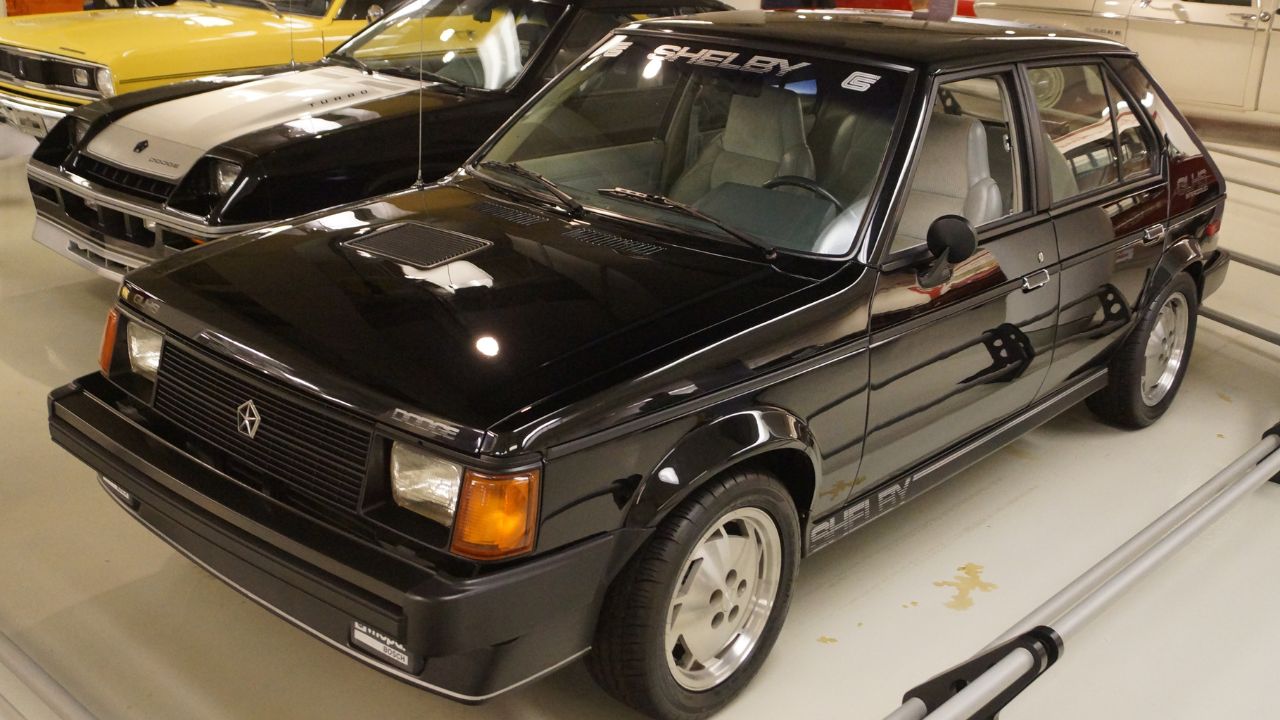
The Dodge Omni was basic front-wheel-drive transportation before Carroll Shelby’s team got involved. That is exactly why the GLH-S became such a cult car. It took a humble economy hatchback and gave it enough turbocharged power to embarrass cars with much better reputations.
The 1986 Omni GLH-S used a turbocharged and intercooled 2.2-liter four-cylinder rated at 175 hp, paired with a 5-speed manual transmission. Shelby also upgraded the suspension, wheels, tires, and overall tuning, so the car was more than just a boost experiment.
In Car and Driver testing, the GLH-S reached 60 mph in 6.5 seconds, which was serious pace for a small hatchback in the mid-1980s. The name itself, “Goes Like Hell S’more,” captured the whole idea.
The GLH-S was rough, loud, light, and quick in a way that made no sense if you only judged it as an Omni. That mismatch is the reason people still remember it. Shelby turned an economy car into a factory-backed troublemaker.
1989 to 1995 Ford Taurus SHO

The Ford Taurus was one of the most important family sedans of its era, but the SHO version changed the way people looked at it. Ford did not just add trim and a badge. It gave the Taurus a Yamaha-developed V6 that could rev, pull hard, and make the car feel completely different from the regular sedan parked beside it.
Manual cars used a 3.0-liter Yamaha-developed V6 rated at 220 hp. From 1993 to 1995, automatic SHO models used a 3.2-liter version with the same 220-hp rating and more torque.
The SHO’s body stayed clean and restrained, which made the performance more satisfying. It looked like a family sedan, but the engine bay told a different story with that intricate intake manifold and high-revving character.
This was a sedan for people who needed space but still cared about engines, shifting, and highway pace. The Taurus SHO made the ordinary family car feel clever, fast, and genuinely special without turning it into something cartoonish.
1991 to 1994 Nissan Sentra SE-R
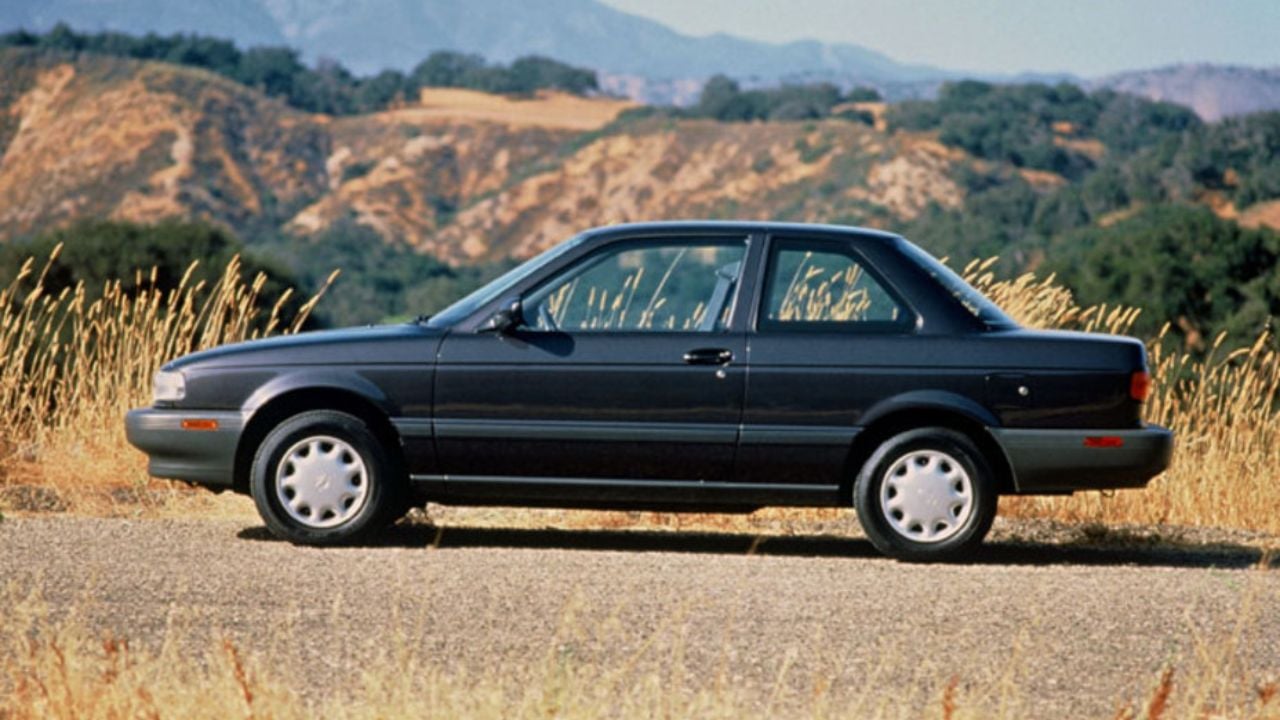
The B13 Nissan Sentra SE-R is one of those cars that serious drivers understood long before the wider market did. The regular Sentra was simple compact transportation, but the SE-R had the right hardware in the right size.
Nissan gave it the SR20DE 2.0-liter four-cylinder with 140 hp, a 5-speed manual transmission, and a limited-slip differential. In a light compact body, that combination made the SE-R feel far sharper than its modest shape suggested.
The SE-R did not need loud styling to make its point. It won people over with response, durability, balance, and the kind of back-road feel that made small cars exciting.
This was not a car built for posing. It was built for drivers who knew that weight, gearing, steering, and a good engine could matter more than a huge horsepower number.
1995 Volvo 850 T-5R

The Volvo 850 had the reputation people expected from Volvo: safe, boxy, practical, and durable. Then the 850 T-5R arrived and gave that same sensible shape real performance attitude.
With a turbocharged 2.3-liter five-cylinder producing 240 hp and 221 lb-ft of torque, the U.S.-market T-5R was quick, distinctive, and far cooler than a Volvo sedan or wagon had any right to be. U.S. examples used an automatic transmission, but the engine and chassis still gave the car a completely different edge from the ordinary 850.
The squared-off body made the performance feel even better. It still looked responsible, yet it could move with real urgency and deliver one of the most memorable five-cylinder sounds of the 1990s.
The T-5R worked because it never abandoned the Volvo identity. It simply added turbo power, sharper tuning, and a flash of yellow-painted madness to a car people already associated with safety and family duty.
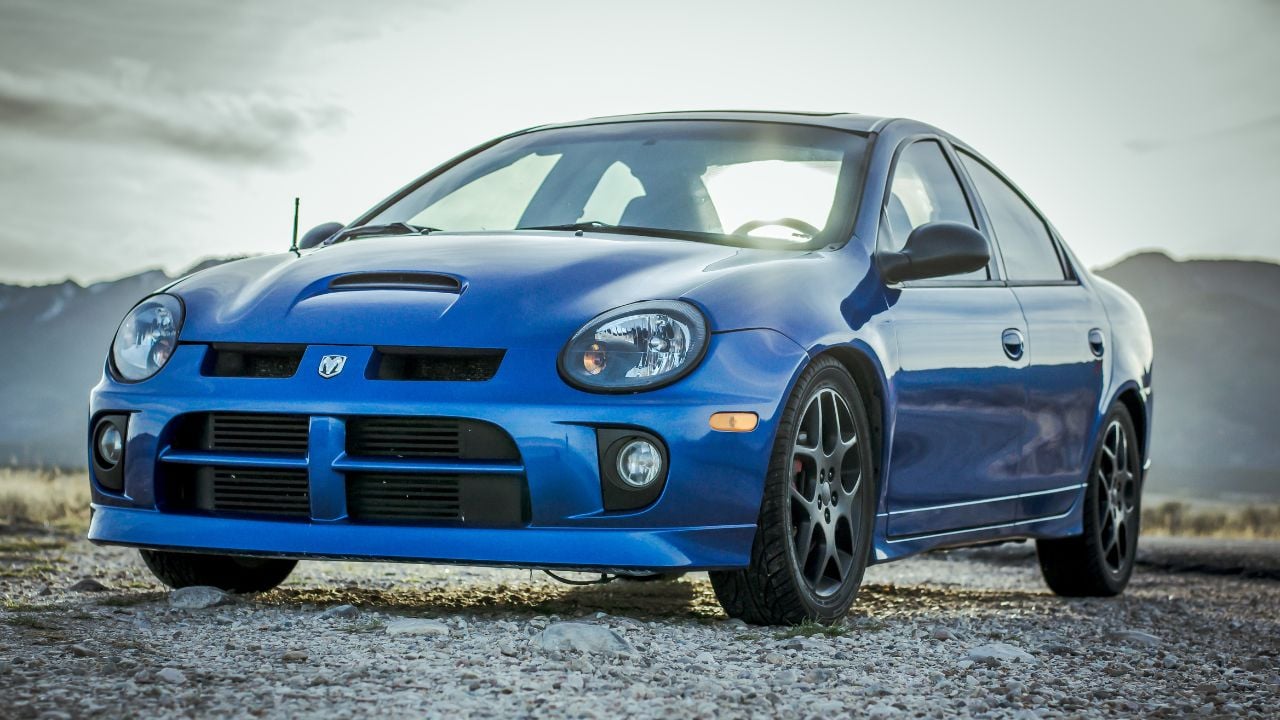
2003 to 2005 Dodge Neon SRT-4
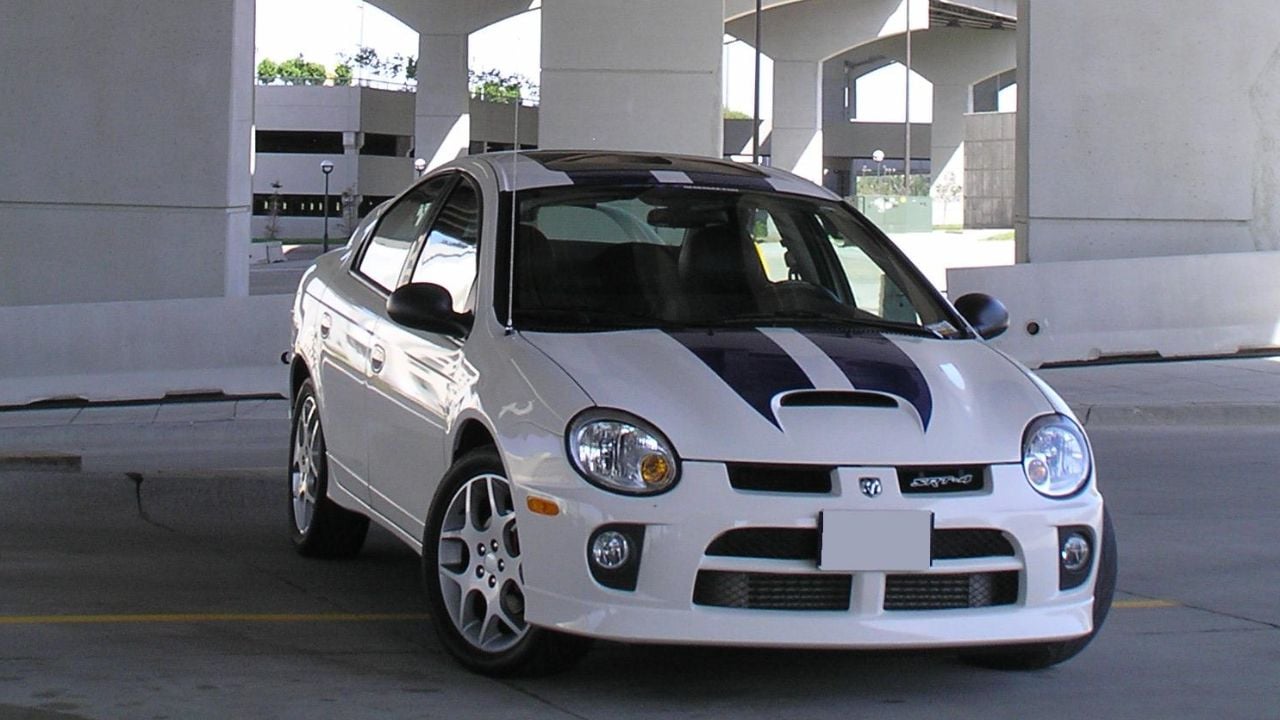
The Dodge Neon was a basic compact sedan, but the SRT-4 turned that foundation into one of the wildest affordable performance cars of the early 2000s. It was not subtle, polished, or quiet. That was part of the point.
Its turbocharged 2.4-liter four-cylinder produced 215 hp and 245 lb-ft of torque in 2003, then 230 hp and 250 lb-ft for 2004 and 2005. A 5-speed manual transmission kept the car simple and direct.
The SRT-4 had real flaws. The cabin still felt like a Neon, the delivery was aggressive, and the whole car had a rawness that modern performance compacts usually try to smooth out.
That honesty helped make it memorable. Dodge took an ordinary compact sedan, gave it serious boost, and created a street-performance icon that still feels louder than its price class ever suggested.
2008 to 2010 Chevrolet Cobalt SS Turbocharged
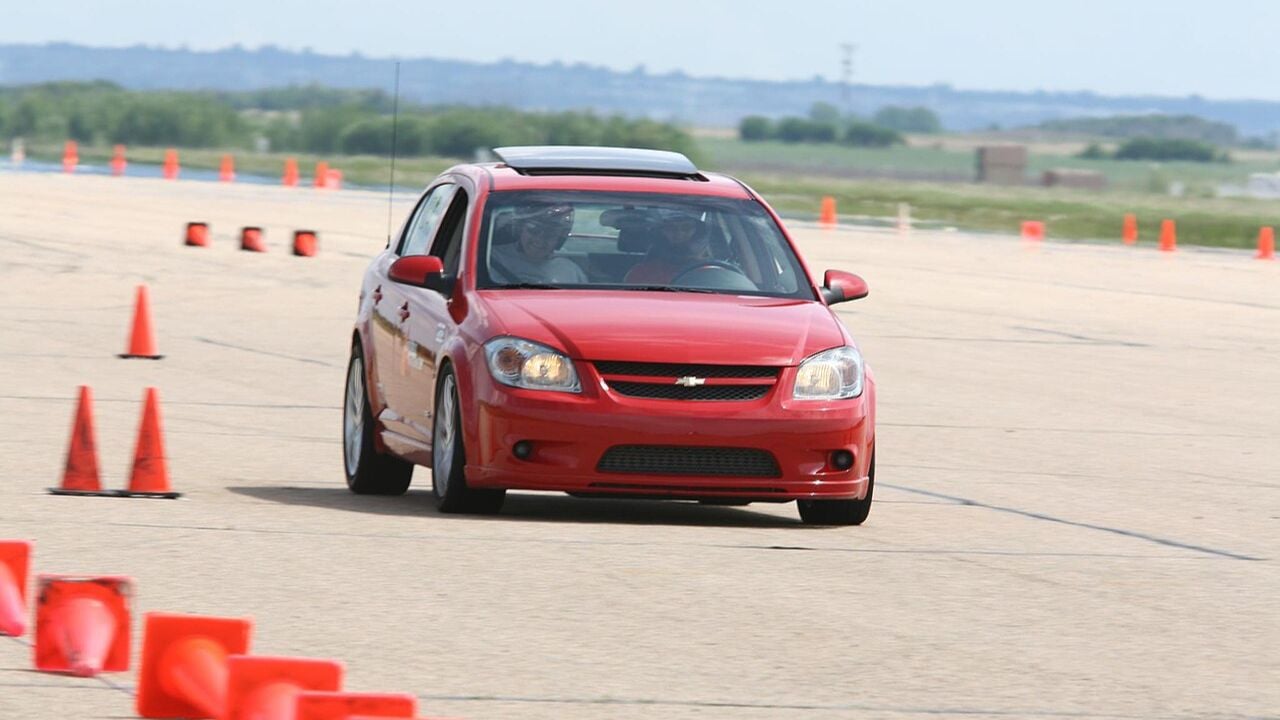
The Chevrolet Cobalt was an average compact car, but the turbocharged Cobalt SS was a serious driver’s machine hiding under a forgettable nameplate. The badge did not carry the same enthusiast weight as Civic Si, GTI, or WRX, which made the car easier to overlook.
The 2008 to 2010 version used a 2.0-liter turbocharged LNF engine with 260 hp and 260 lb-ft of torque. Chevrolet also gave it a 5-speed manual transmission, Brembo front brakes, and chassis tuning that was far more serious than most people expected from a Cobalt.
The result was one of the great overlooked front-wheel-drive performance cars of its era. It was quick, capable, and more composed than its economy-car roots suggested.
The Cobalt SS Turbocharged belongs here because it turned a forgettable compact into something enthusiasts had to respect. It did not win people with image. It won them with the way it drove.
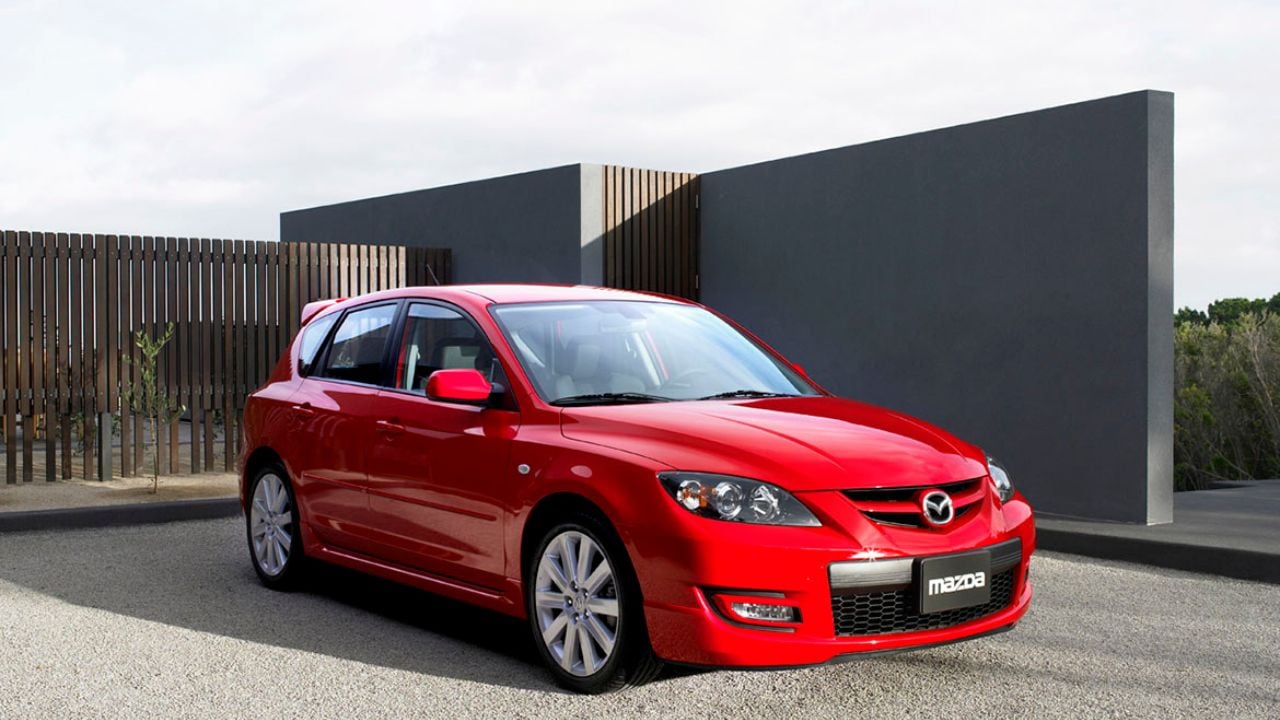
2007 to 2013 Mazdaspeed3
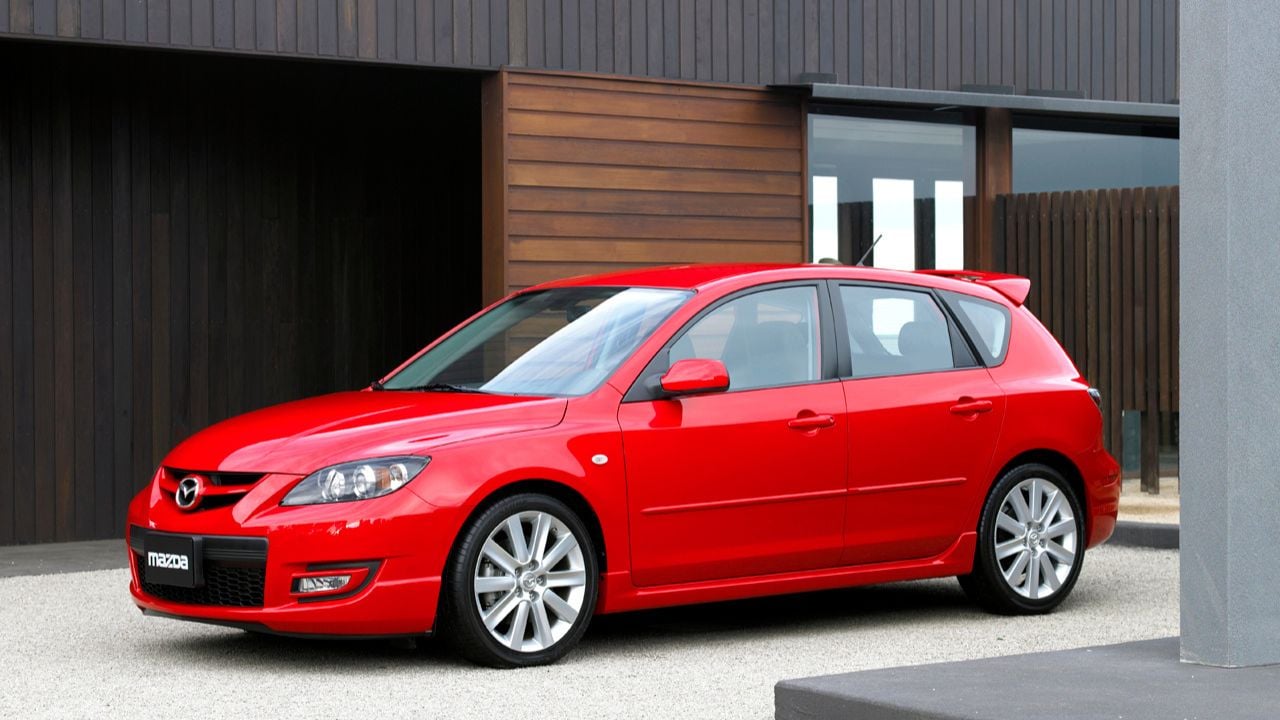
The regular Mazda3 was already a pleasant compact hatchback, but the Mazdaspeed3 added real bite. It kept the useful hatchback body and added enough turbocharged torque to make the car feel slightly unruly.
Mazda gave it a 2.3-liter turbocharged four-cylinder with 263 hp and 280 lb-ft of torque, paired with a 6-speed manual transmission. That made the Mazdaspeed3 one of the strongest front-wheel-drive hot hatches of its era.
The car was not polished in the calm, German hot-hatch sense. It had torque steer, urgency, and a personality that made it feel alive even when it was not being driven perfectly.
That character is why people still remember it. The Mazdaspeed3 could carry groceries, commute during the week, and then turn a quiet road into something much more interesting without pretending to be exotic.
Why the Best Versions Still Feel Like Small Miracles

The appeal of these cars starts with the gap between expectation and reality. A compact sedan, a family wagon, an economy hatchback, or a practical daily driver became something enthusiasts still talk about years later.
The Omni GLH-S brought Shelby turbo power to an economy hatch. The Taurus SHO gave a family sedan a Yamaha-developed V6. The Sentra SE-R turned a basic compact into a light, limited-slip driver’s car. The 850 T-5R gave Volvo’s safe family image a turbocharged five-cylinder soundtrack. The SRT-4, Cobalt SS, and Mazdaspeed3 showed how wild compact cars could become when automakers took boost seriously.
That transformation still feels exciting because it happened in cars people recognized. These were not fantasy machines locked away from normal life. They were familiar shapes made faster, sharper, louder, and more memorable by real factory engineering.
That is why special versions of ordinary cars continue to matter. They show that personality does not require a perfect starting point. Sometimes it starts with a normal car and a group of engineers who were allowed to make it much less sensible.