Walk onto any dealership lot these days and you’ll be swimming in a sea of crossovers and SUVs taller than your refrigerator. But here’s the thing: sedans aren’t dead, they’re just being choosier about who gets made.
The ones that survived the SUV apocalypse? They’re actually pretty fantastic. Whether you’re after fuel efficiency that doesn’t require a hybrid badge, a driving experience that remembers roads have curves, or just a car that fits in your garage without a shoehorn, today’s sedans deliver.
We’ve rounded up twelve four door cars that prove the sedan still has plenty of fight left in it, from budget friendly commuters to luxury cruisers that will make you forget crossovers ever existed. A couple of these picks are no longer sold new in the U.S., but they remain strong used market buys and are still easy to find.
Honda Accord
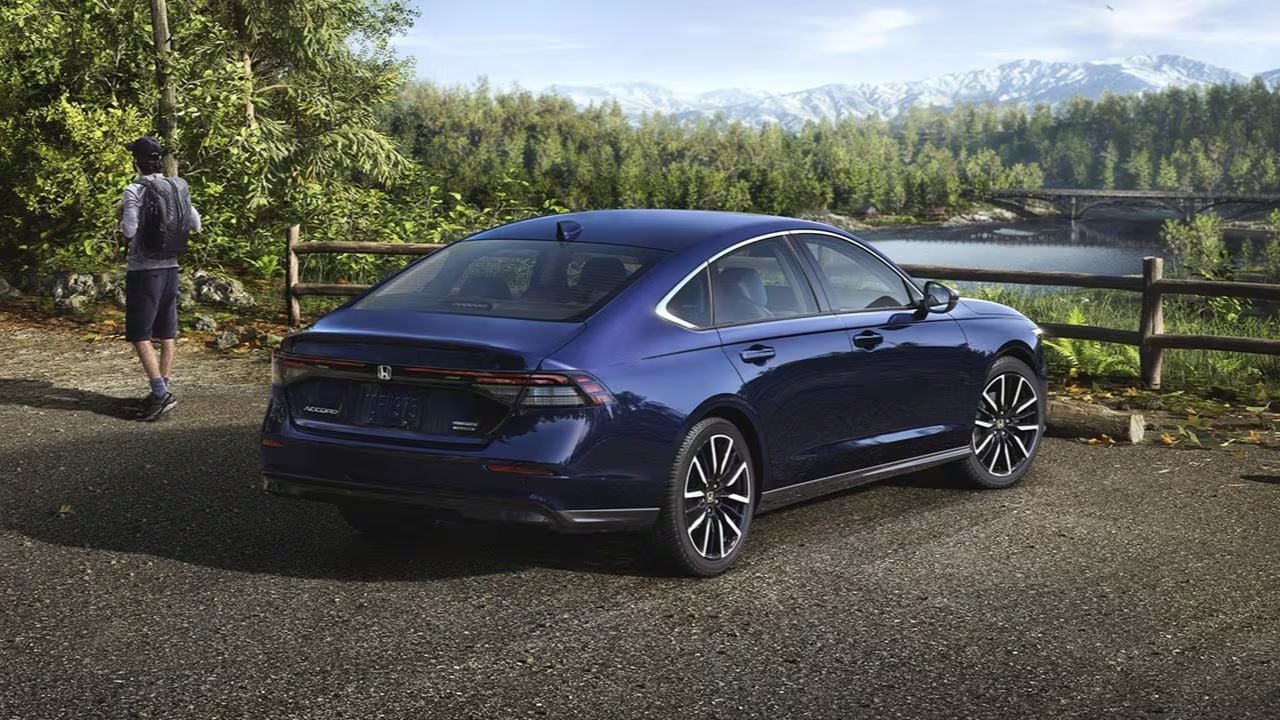
The Accord has been America’s sensible choice since your parents were young, and somehow it still feels fresh.
Honda keeps tweaking the formula just enough to stay relevant without chasing every trend that comes along. The current generation rides on a platform that’s both sportier and more refined than before, which is the kind of having-your-cake magic Honda does well. Inside, you’ll find enough tech to satisfy your smartphone-addicted teenager without needing a computer science degree to change the radio station.
It’s the sedan equivalent of a Swiss Army knife: not the most exciting tool in the drawer, but the one you reach for most often because it just works.
Toyota Camry
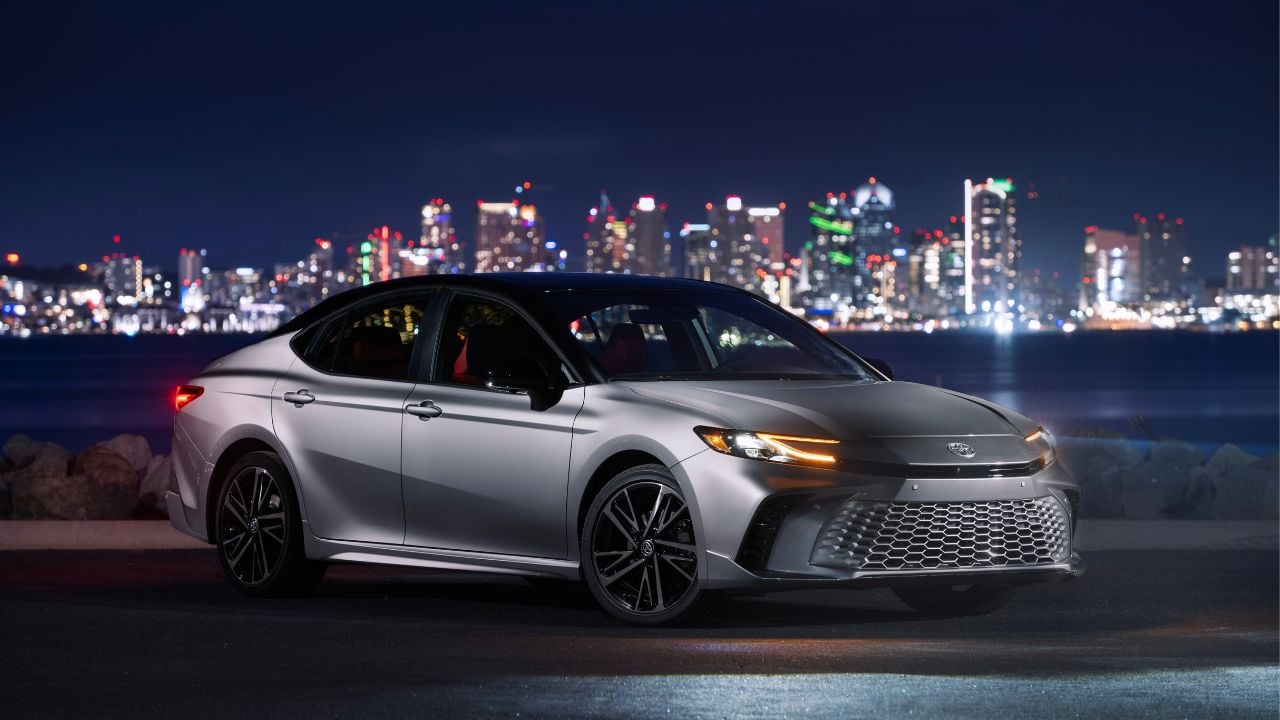
Let’s address the elephant in the room: yes, the Camry has a reputation for being about as exciting as beige paint.
But Toyota’s been working on that, and the current model has actual personality hiding under that reliable exterior. The driving dynamics have improved enough that you won’t feel like you’re piloting a sofa through turns, and the hybrid powertrain delivers fuel economy that makes gas station visits feel optional. Toyota’s also leaned into some surprisingly bold styling choices that won’t have people confusing your car with every other sedan in the parking lot.
Sure, it’s still going to run forever with nothing but oil changes and indifference, but now it’s at least interesting to look at while it refuses to break down.
Mazda6 (Used)

Mazda’s been playing the “zoom zoom” card for years, and the Mazda6 is a great example, even though it is no longer sold new in the U.S. after the 2021 model year.
As a used buy, this is the sedan for people who still remember that driving can be fun, even on the way to buy groceries. The steering has real weight and feedback, the chassis feels tight without being punishing, and the whole package comes together like Mazda actually thought about what enthusiasts want. The interior materials punch above its used market pricing, with soft touch surfaces and thoughtful design details that make some entry luxury sedans sweat a little.
It’s proof that you don’t need to spend luxury money to feel like you’re driving something special, just money spent wisely on a car that still cares about the driver’s seat.
Hyundai Sonata

Hyundai’s transformation from “cheap alternative” to “legitimate contender” is complete, and the Sonata is Exhibit A.
The styling is bold enough to start conversations without looking like it’s trying too hard, and the feature list at every trim level makes you wonder how they’re making money. Warranty coverage that actually matters, tech features that used to be luxury-only, and build quality that doesn’t feel like corners were cut, it’s all here. The driving experience won’t light your hair on fire, but it’s competent and comfortable in ways that matter for daily use.
Sometimes the best value isn’t the cheapest option, it’s the one that gives you the most stuff you’ll actually use without breaking the bank.
Kia K5
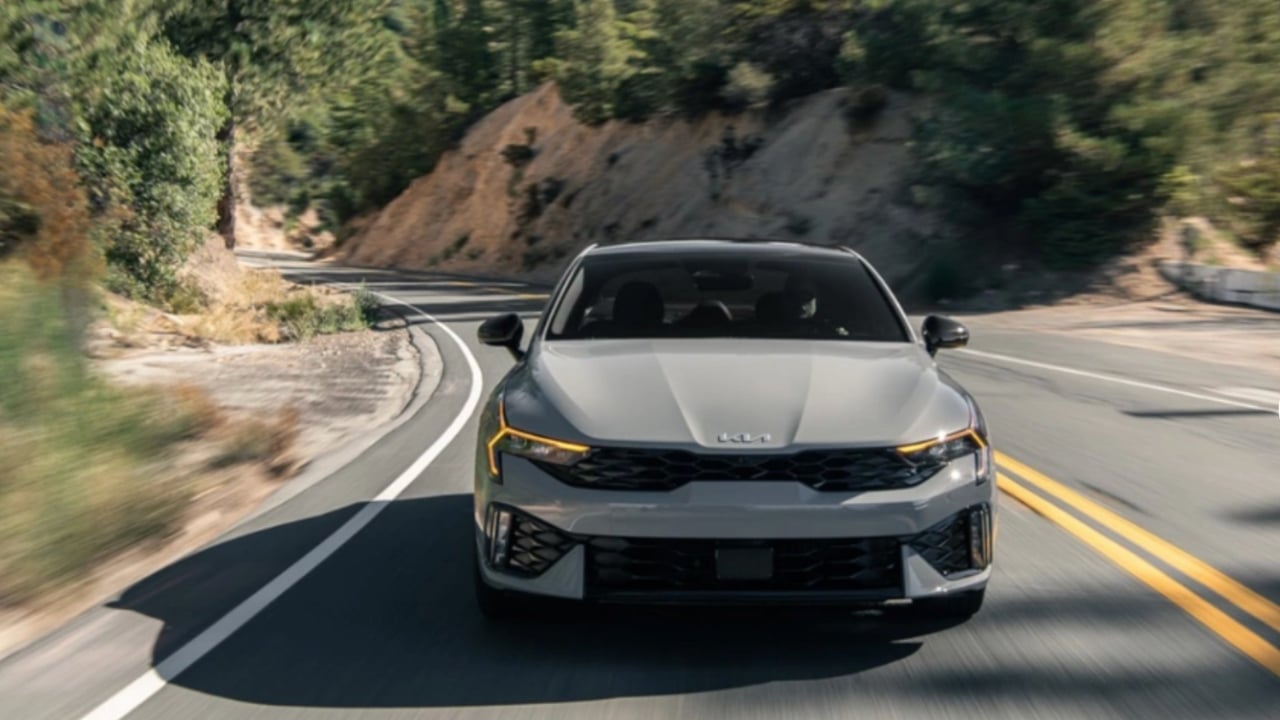
Think of the K5 as the Sonata’s sportier sibling who got the rebellious genes.
Kia’s design team has been on fire lately, and this sedan wears aggressive styling that looks fast even when it’s parked. The GT trim adds legitimate performance credentials with power figures that’ll embarrass some sports cars, though even the base models feel more engaging than their specs suggest. Inside, the dashboard layout is driver-focused without being cluttered, and the digital displays are crisp enough to make you forget about knobs and buttons.
Kia’s learned that being the value brand doesn’t mean you have to look or feel cheap, and the K5 proves they’re willing to take styling risks that conservative competitors won’t touch.
BMW 3 Series

The 3 Series has been the benchmark sport sedan since before half of today’s buyers were born, and there’s a reason it still tops comparison tests.
BMW’s mastered the art of making a car feel both athletic and refined, like a gymnast in a tailored suit. The steering communicates what the front wheels are doing, the chassis balance makes you feel like a better driver than you probably are, and even the base engine delivers enough punch to make merging fun. Yes, the price climbs quickly when you start checking option boxes, but the driving experience justifies treating yourself to the good stuff.
It’s the sedan that reminds you why people used to care about driving before everyone decided they needed an SUV.
Mercedes-Benz C-Class
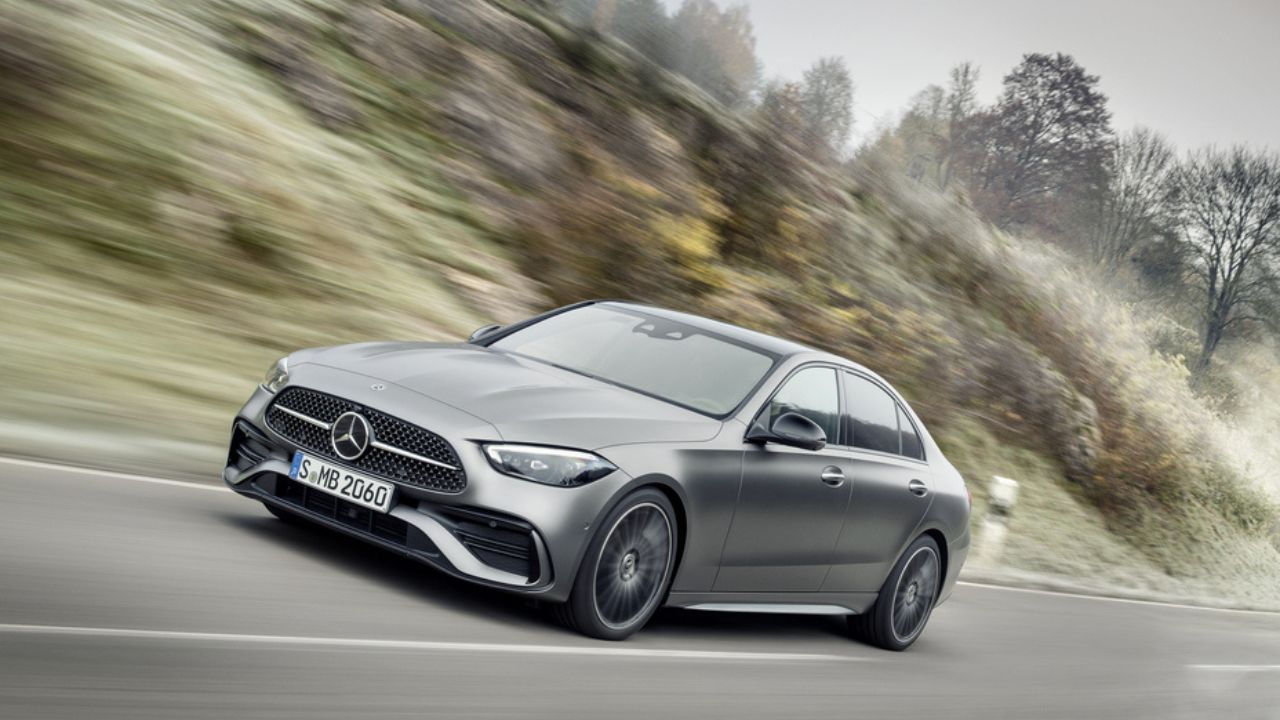
Mercedes has been building luxury sedans since your great-grandparents were impressed by horseless carriages, so they’ve had time to get it right.
The C-Class delivers that three-pointed star experience without requiring executive-level finances. The interior feels expensive in ways that matter, with materials that are pleasant to touch and build quality that sounds solid when you close the doors. Technology integration is thoughtful rather than overwhelming, giving you the features you want without burying them in submenus.
It’s not trying to be the sportiest or the most powerful; it’s trying to be the most pleasant place to spend your commute, and it succeeds beautifully.
Audi A5 (Replaces A4)
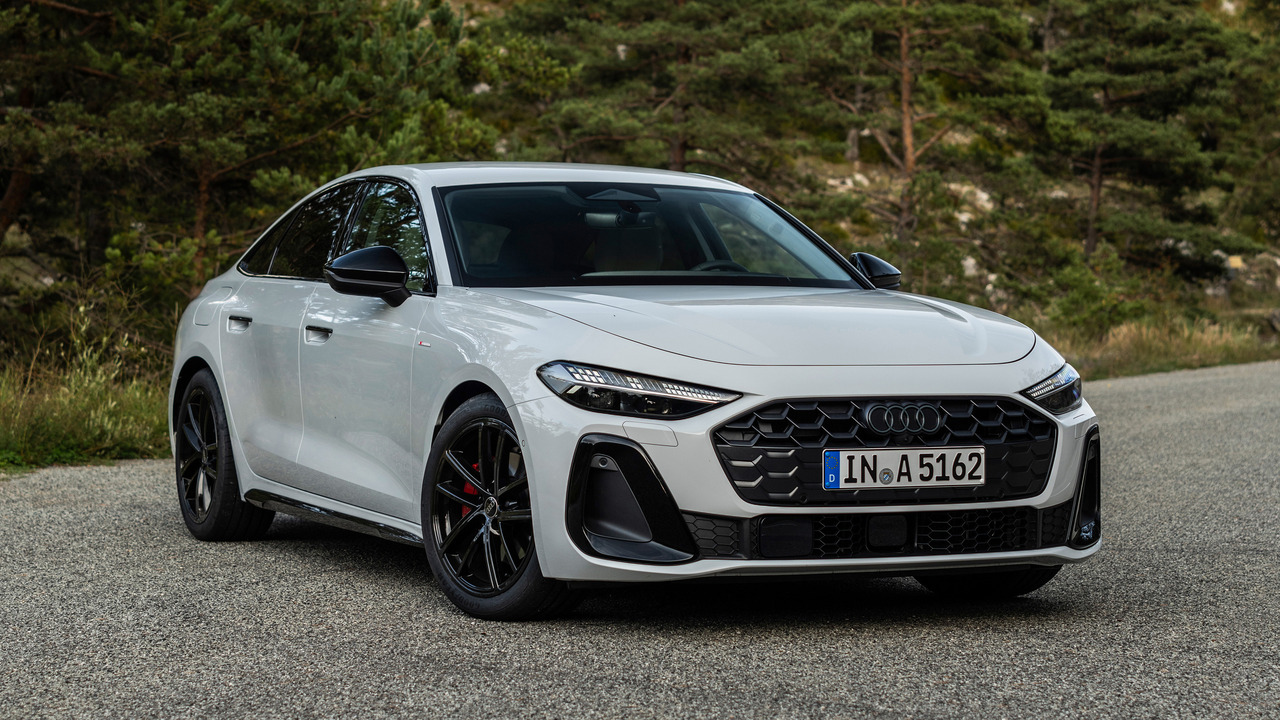
Audi’s Quattro all wheel drive system has been pulling people through winter for decades, and the A5 is now the badge Audi is using for the model that replaces the A4.
The cabin design hits that sweet spot between minimalist and luxurious, with clean lines and high quality materials that age well. Virtual Cockpit technology puts important information right in your sightline without being distracting, and Audi’s infotainment interface remains one of the more intuitive setups in the segment. The driving feel leans toward composed rather than sporty, which some enthusiasts grumble about, but if you live somewhere with actual weather, that all wheel traction makes every other sedan feel like a compromise.
Sometimes being well rounded beats being the best at any one thing.
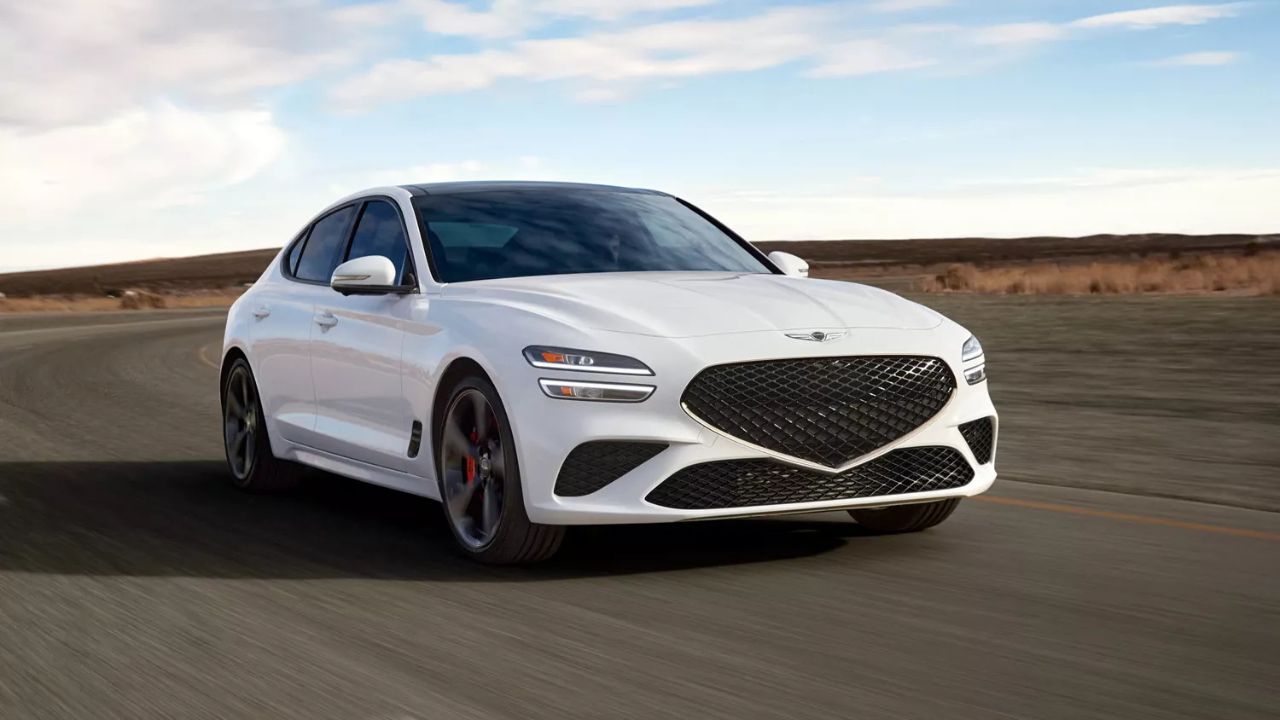
Genesis G70
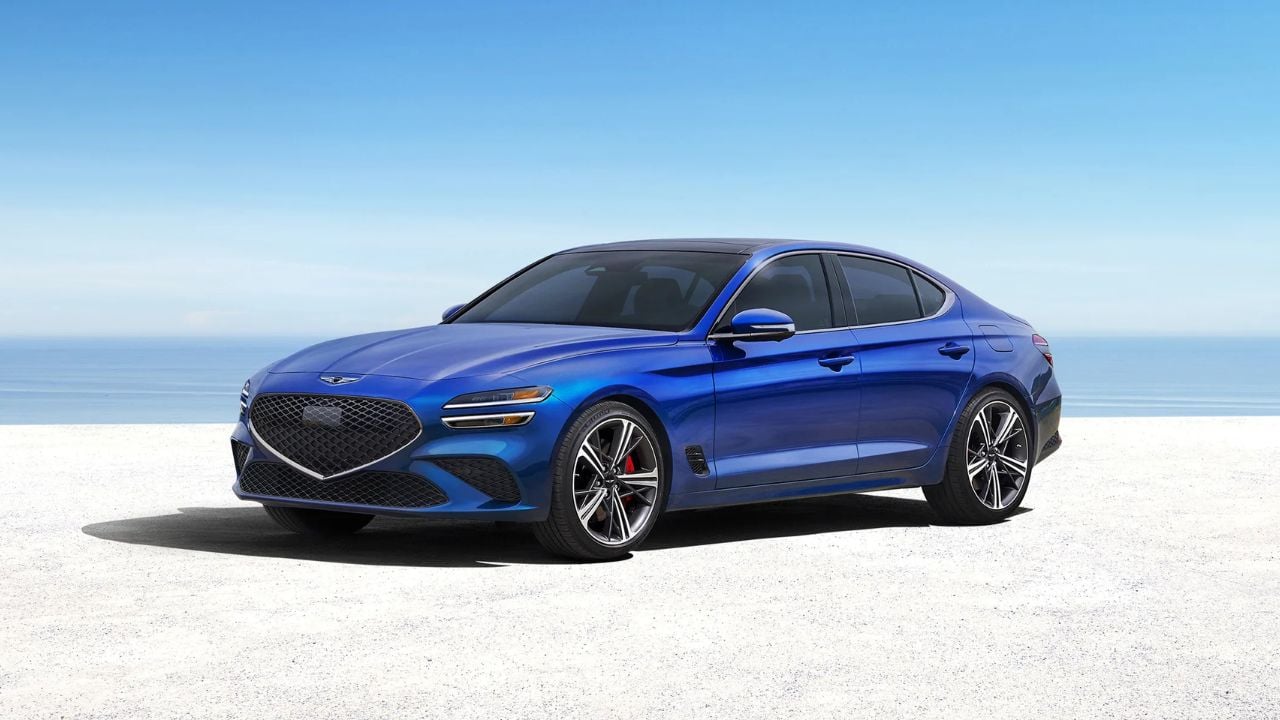
Genesis proved luxury brands can be started from scratch if you’re willing to do the work, and the G70 is their “we’re serious about this” calling card.
The platform is shared with some excellent sports sedans, which means the bones are right even before Genesis adds their luxury touches. Interior quality rivals German competitors who charge significantly more, and the warranty coverage makes ownership less stressful than brands with century-old pedigrees. The styling is distinctive without being polarizing, walking that fine line between memorable and timeless.
It’s the sedan for people who want luxury credibility without paying the badge tax, and who maybe enjoy explaining to people that yes, Genesis is a real luxury brand now.
Subaru Legacy (Outgoing)

All wheel drive as standard equipment isn’t just a Subaru thing, it’s a Subaru obsession, and the Legacy has long been the sedan way to get that traction without moving up to an SUV.
In the U.S., the Legacy ends after the 2025 model year, so think of it as a last chance new car or a very sensible used buy. The sedan format keeps things lower and more aerodynamic than an Outback, which helps with fuel economy even with the added traction. Subaru’s reputation for durability and safety isn’t just marketing, and these cars tend to stay on the road long after flashier competitors have been recycled into lawn furniture. The interior design won’t win style awards, but it’s practical and well thought out in ways that matter when you’re actually living with the car.
Sometimes the smart choice isn’t the exciting choice, but when you’re driving through a snowstorm while everyone else is stuck, the excitement finds you anyway.
Acura Integra
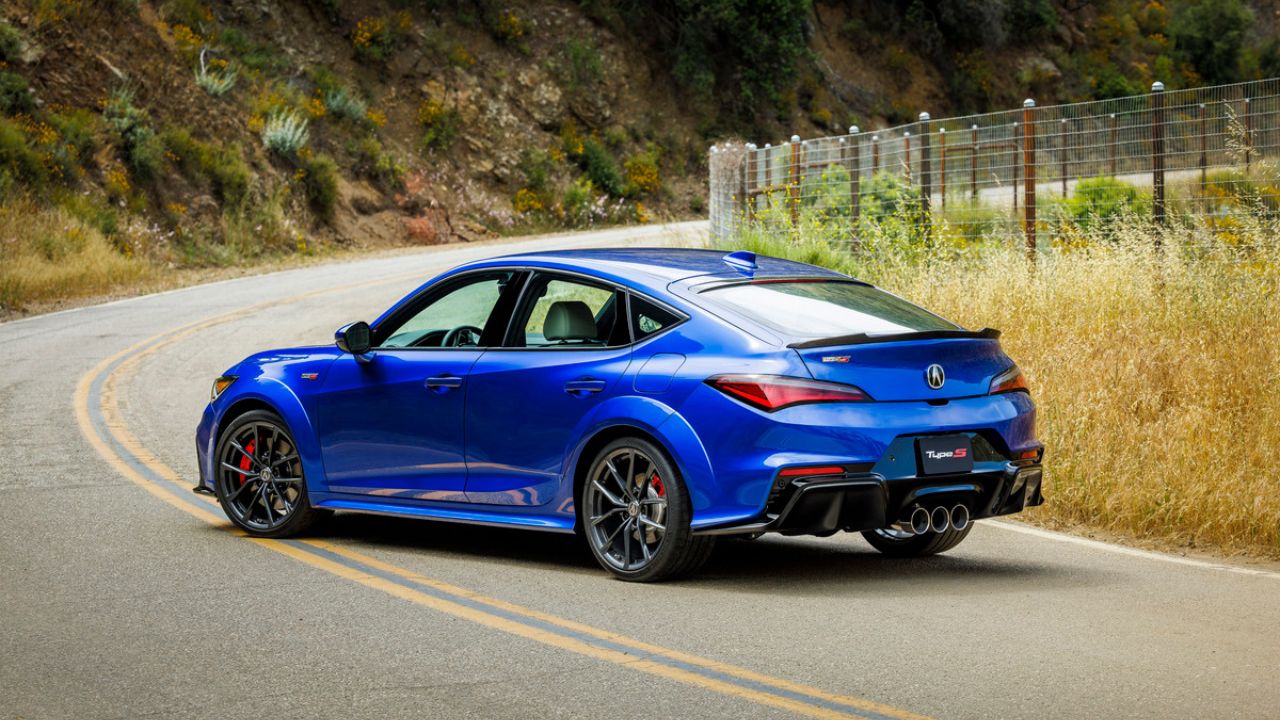
Acura brought back the Integra name, and enthusiasts had opinions about whether it deserved the badge. But here’s the reality: it’s a well-executed sport sedan that offers Honda reliability with premium touches and actual fun behind the wheel.
The manual transmission option alone deserves recognition in an era when three pedals are going extinct, and the chassis dynamics reward drivers who still care about cornering lines. The liftback design adds genuine practicality without looking like a compromise, and the interior tech integration feels modern without being gimmicky.
It’s not trying to be a nostalgia trip for people who remember the original; it’s trying to be the kind of engaging, practical sedan that made people love the nameplate in the first place.
Nissan Altima

The Altima might not top anyone’s dream car list, but it’s been quietly competent in the midsize segment while everyone else chased trends.
Nissan’s available all wheel drive on SV and SR trims gives it year round capability that most competitors make you pay extra for, and for 2026 the Altima lineup sticks with the 2.5 liter four cylinder rather than offering a turbo option. The interior quality has improved steadily over the years, closing the gap with segment leaders while maintaining value pricing. ProPILOT Assist is available via premium packages, bringing highway steering assistance features to a price point where they’re actually accessible, not just luxury add ons.
It’s the sedan for people who need reliable transportation without drama, and who appreciate getting more features than they expected without breaking their budget.
Conclusion

The sedan’s survival strategy turned out to be simple: get better or get discontinued. What we’re left with is a collection of cars that earned their spot on dealer lots through actual merit rather than legacy nameplates and inertia. From budget-conscious daily drivers to luxury machines that remind you why people used to dream about cars, today’s sedans offer something for everyone who doesn’t need an SUV’s extra height. They’re more efficient, better handling, and often better equipped than their taller siblings, all while fitting in parking spaces that make crossover owners break out in cold sweats.
The sedan isn’t dead: it’s evolved, refined, and ready to prove that four doors and a trunk still make sense for people who actually enjoy driving.