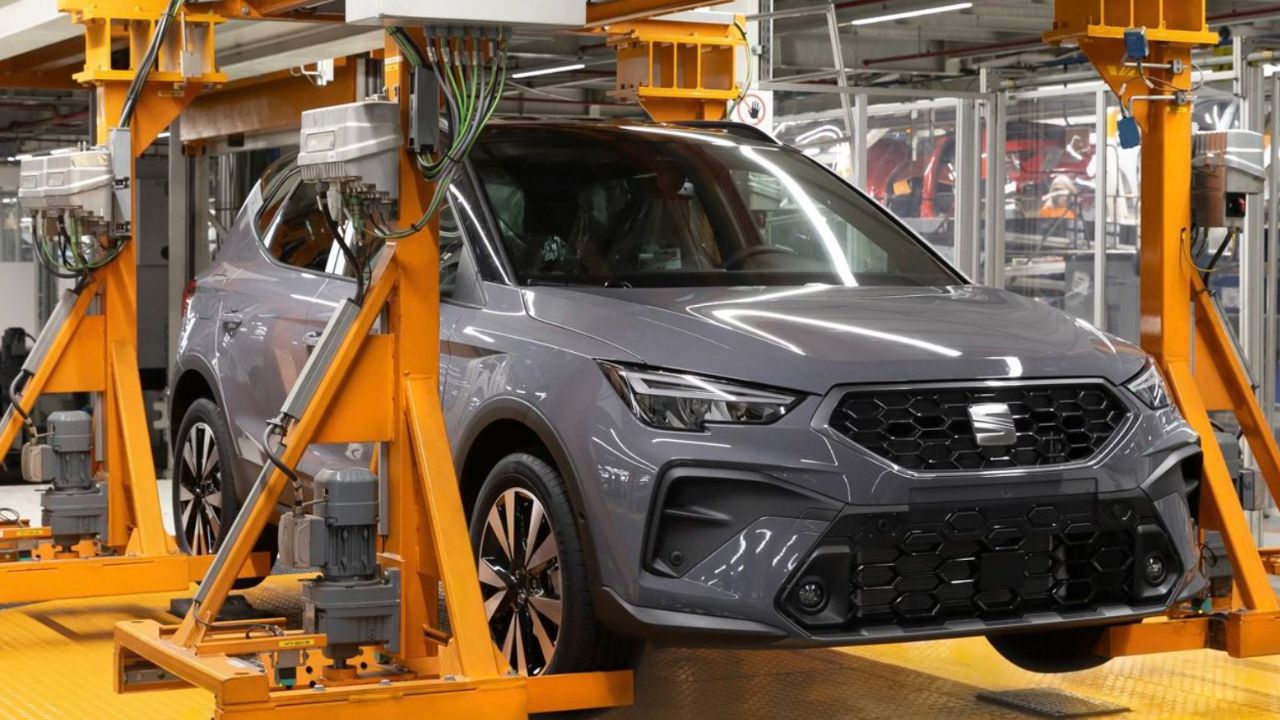
Volkswagen Group’s internal challenges are no secret, but one of the more complicated problems sits in plain sight: what to do with SEAT.
The Spanish brand still plays an important role in the group’s volume strategy, yet it is operating with limited long-term visibility because Volkswagen is cautious about major new investment while the timing and compliance details of Euro 7, and what they will cost for budget models, are still being worked through.
That uncertainty is not just a talking point. SEAT product chief Carlos Galindo told Autocar that the brand is extending existing models and said the decision to update Ibiza and Arona before their mild hybrid powertrains are ready is tied to awaiting the finalized Euro 7 emissions regulations.
In practical terms, it underlines how hard it is for SEAT to plan major new programs beyond the end of the decade.
Why Euro 7 Creates A Planning Problem
For U.S. readers, Euro 7 is the European emissions regulation adopted in 2024, which tightens several requirements for new vehicles sold in EU markets. Even when headline exhaust limits for cars and vans do not look radically different, the compliance details matter. Euro 7 adds stricter requirements for particle emissions, brake particle emissions, tire abrasion, and durability over the vehicle’s lifetime, plus battery durability rules.
Automakers typically plan products years in advance, and any uncertainty around compliance costs can freeze investment decisions, especially for budget-oriented models where profit margins are thinner. That reality helps explain why Volkswagen appears cautious about committing SEAT to expensive new programs that would land after 2030.
SEAT Is Leaning Hard On Ibiza And Arona
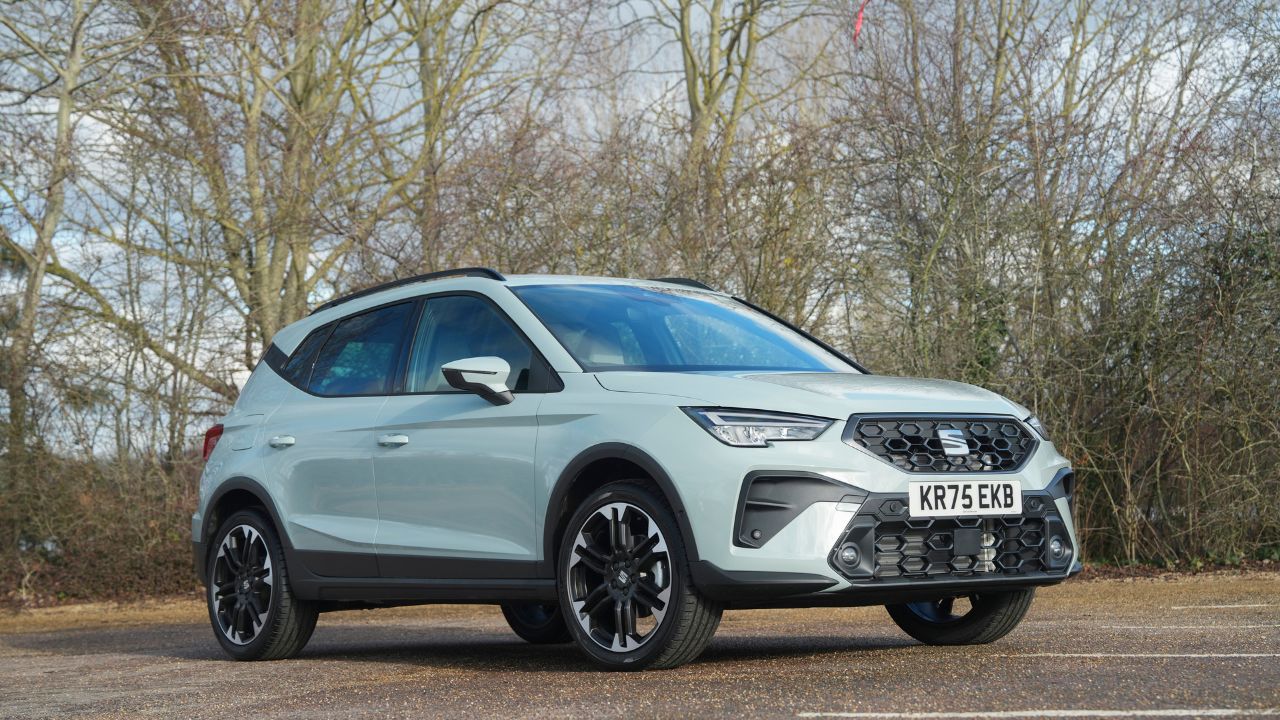
With large new projects paused, SEAT is stretching the life of its existing lineup. The brand has unveiled refreshed Ibiza and Arona models that launch in early 2026, and it is preparing further updates for the Leon later in the decade.
The problem is that this is a narrow portfolio at a time when rivals are expanding rapidly, including aggressive Chinese brands targeting the same value-focused customers. As SEAT relies on a small number of models, it becomes more exposed to shifts in demand and pricing pressure.
Reports in the UK indicate SEAT’s compact SUV Ateca is being wound down there, with factory orders closed and sales shifting to stock only, tightening the lineup and making the brand even more dependent on Ibiza and Arona.
CUPRA Keeps Growing While SEAT Waits
Inside the Volkswagen Group, CUPRA is moving in the opposite direction. Since launching as a standalone performance-oriented brand, CUPRA has built momentum and increasingly occupies the sportier, higher-margin space that SEAT once touched with its upper trims.
CUPRA has also signaled longer-term product planning, including a major update path for the Leon later in the decade. That contrast highlights the uncomfortable reality for SEAT. CUPRA is positioned as a growth engine, while SEAT is being managed conservatively until regulatory and market conditions become more predictable.
Why Volkswagen Is Playing Defense With SEAT
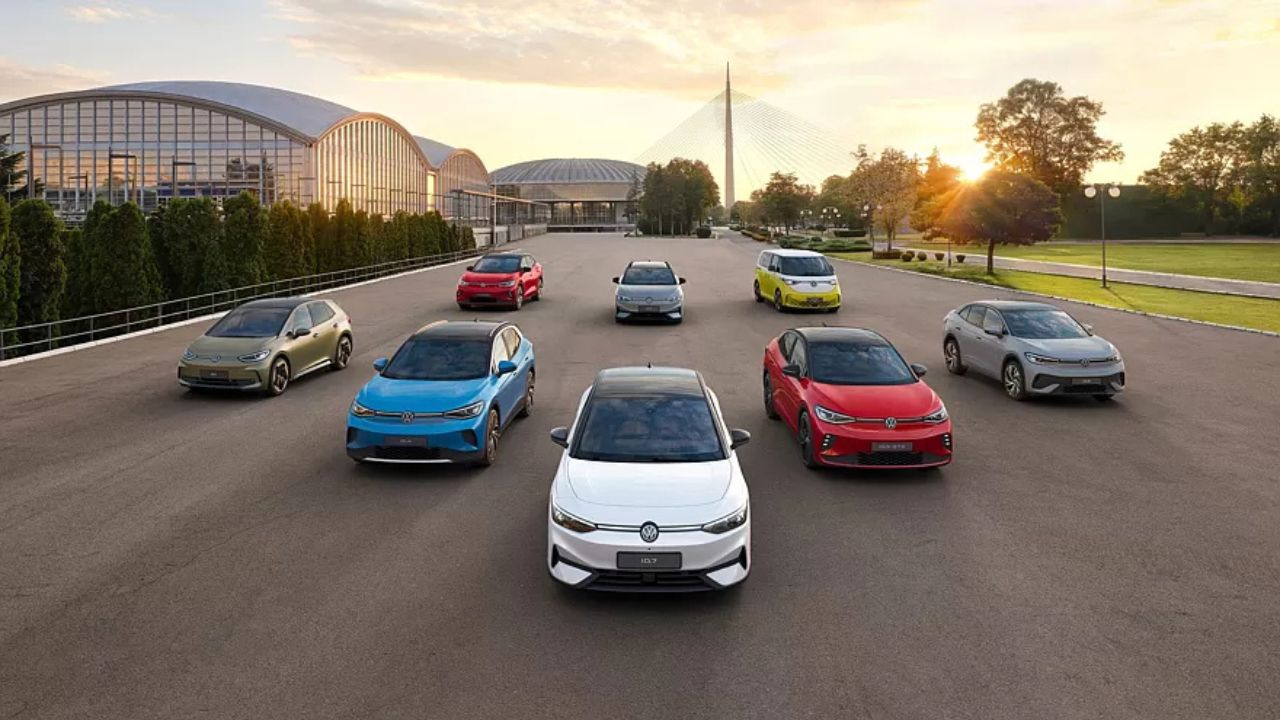
Volkswagen’s broader strategy helps explain the “minimum mode” approach. Across the industry, affordable cars are becoming harder to build profitably because emissions compliance, safety requirements, software development, and battery investment add cost. Volkswagen wants to protect its ability to compete on price, but it also does not want to sink major capital into a brand whose business case could change depending on Euro 7 implementation and consumer demand for entry-level vehicles.
For SEAT, that means a near-term focus on extending existing combustion-based and lightly electrified products rather than rushing into a dedicated low-cost EV that may not pencil out financially. Auto Express has reported that SEAT has struggled to make the costs add up on a new small electric car, contributing to the lack of an all-new model pipeline.
What This Could Mean Through 2030
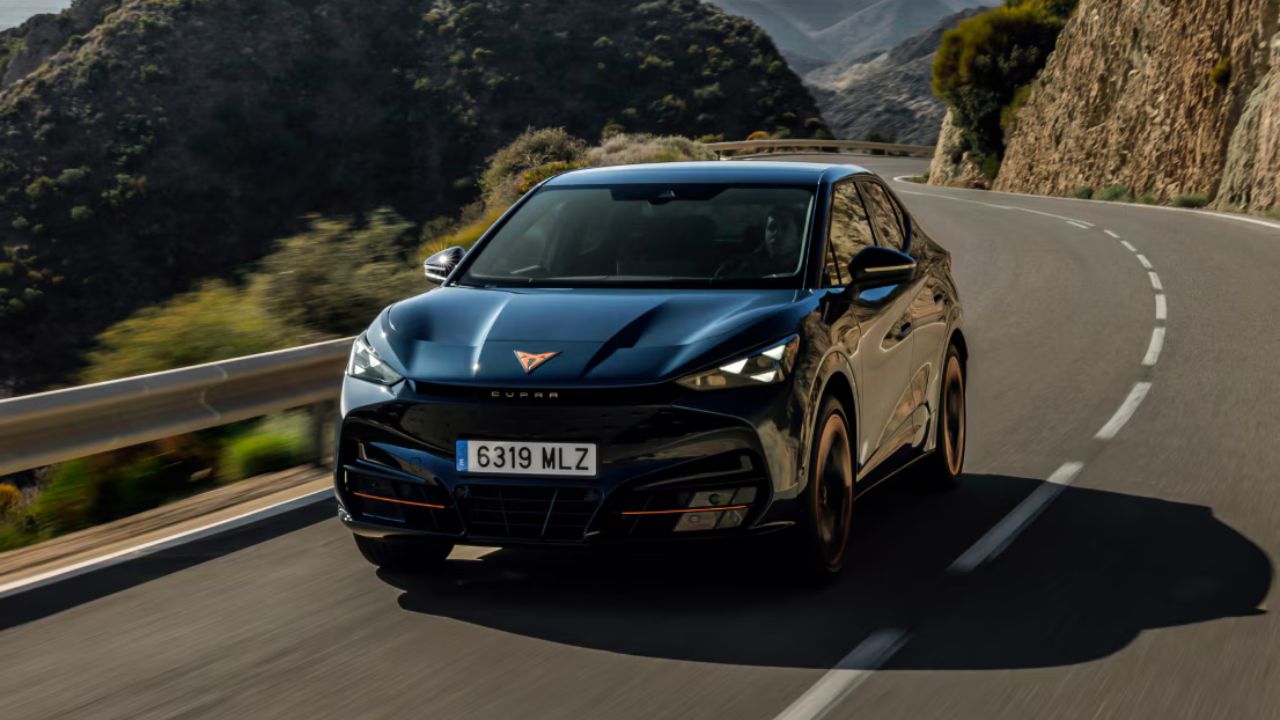
If current signals hold, SEAT is likely to spend the rest of the decade as the Volkswagen Group’s low-price, high-value option, selling some of the group’s oldest underlying technology while CUPRA takes the spotlight for newer platforms and higher-margin products.
The risk is clear. As competition intensifies, especially from newer entrants offering modern tech at aggressive prices, SEAT will need more than facelifts to stay compelling. But until Euro 7 uncertainty clears and Volkswagen decides how much it wants to invest in budget-focused product development, SEAT appears set to keep operating in a holding pattern rather than launching a bold reinvention.
This article originally appeared on Autorepublika.com and has been republished with permission by Guessing Headlights. AI-assisted translation was used, followed by human editing and review.