

Diesel engines have powered trucks, buses and heavy equipment for more than a century. They are durable, efficient and relatively simple. They are also major contributors to air pollution, especially in regions where emissions controls are limited.
Now researchers say a surprisingly simple tweak to diesel fuel could slash pollution levels without redesigning the engines themselves.
The Science of Water-in-Diesel Emulsion
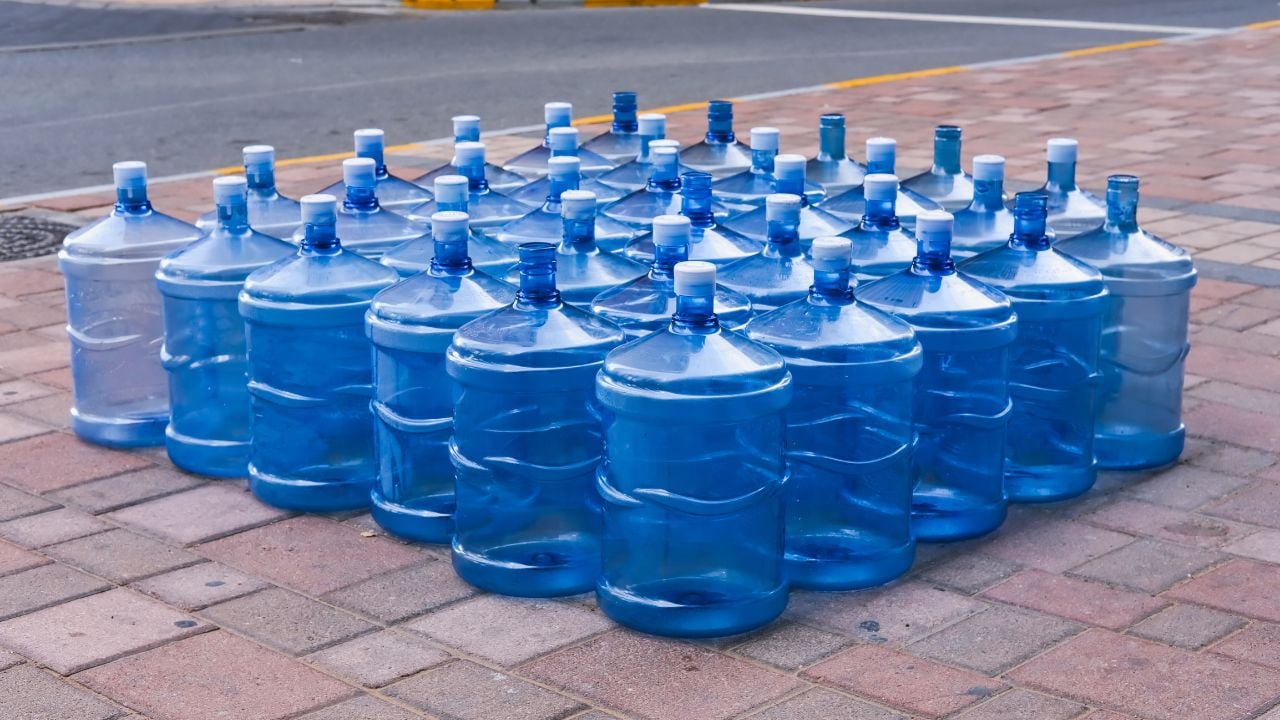
According to a new report highlighted by ScienceDaily, scientists are studying a fuel blend known as a water-in-diesel emulsion. The concept is straightforward. Tiny droplets of water are mixed directly into diesel fuel using special stabilizing chemicals called surfactants.
When the mixture is injected into an engine and ignited, those microscopic water droplets rapidly turn into steam.
That transformation creates what engineers describe as “micro explosions” inside the fuel droplets. Instead of burning as larger clumps of fuel, the diesel is shattered into much finer particles. The finer the particles, the more efficiently they mix with oxygen in the combustion chamber.
Better mixing leads to a cleaner and more complete burn.
Impressive Emission Reductions
Researchers say the results are impressive. Studies reviewed in the research indicate that the water-diesel blend can cut nitrogen oxide emissions by as much as 67 percent. Nitrogen oxides, often referred to as NOx, are a major contributor to smog and respiratory health problems.

The same approach can also reduce particulate matter, commonly known as soot, by as much as 68 percent.
Both pollutants are a persistent problem for diesel engines, particularly in older vehicles that lack advanced emissions equipment.
The science behind the reduction is tied to temperature. When the water droplets convert to steam during combustion, they absorb heat. That lowers the peak temperature inside the combustion chamber. Lower combustion temperatures limit the formation of nitrogen oxides. At the same time, the improved fuel atomization helps burn more of the diesel fuel instead of leaving behind soot particles.
More Than Just Cleaner Combustion
Cleaner combustion is only part of the story.
In some tests, engines running on water-in-diesel emulsions also demonstrated improved brake thermal efficiency. That metric measures how effectively an engine converts fuel into usable mechanical energy. Higher efficiency means the engine extracts more power from the same amount of fuel.
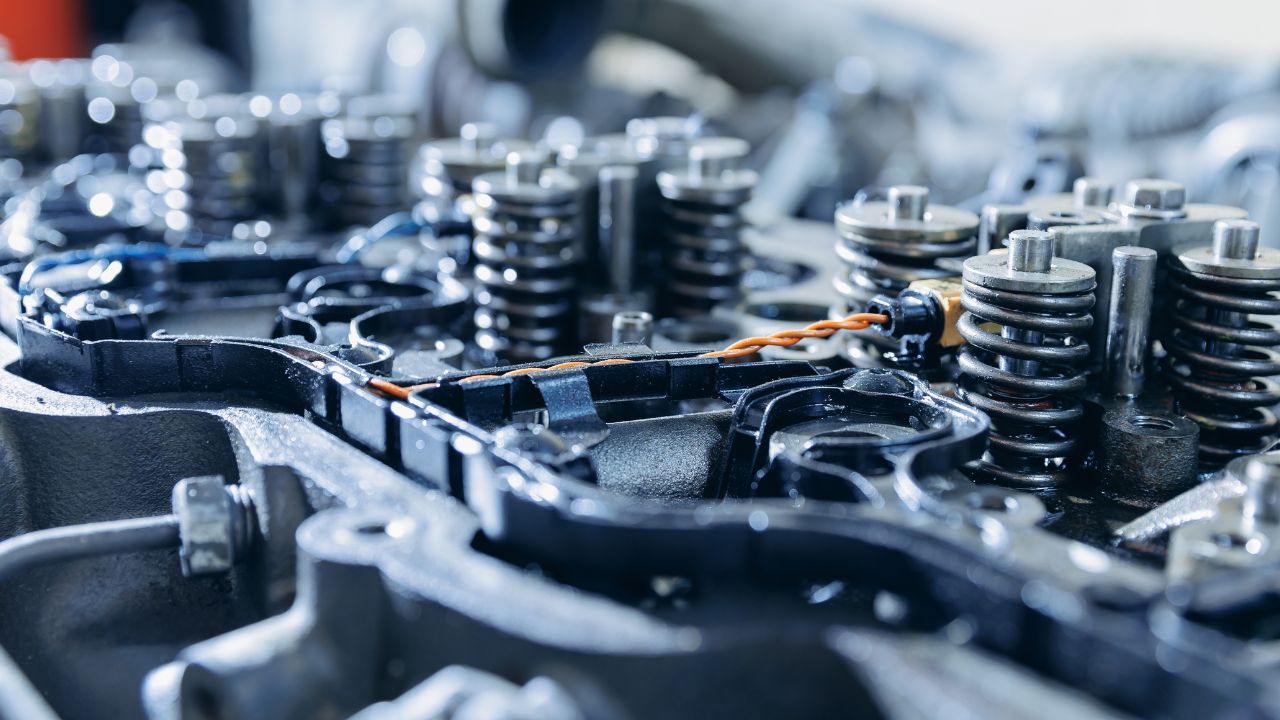
In other words, the engines not only ran cleaner but sometimes used fuel more effectively.
One reason the idea is attracting attention is that it does not require major changes to existing engines. Modern diesel emissions controls such as selective catalytic reduction systems and particulate filters can be costly and complex. Retrofitting older engines with that equipment is often impractical.
By contrast, the water-diesel emulsion approach focuses on the fuel itself rather than the engine hardware.
Researchers note that keeping water and diesel mixed together is not easy because the liquids naturally separate. That is where surfactants come in. These chemical agents stabilize the mixture and prevent the water droplets from separating out of the fuel. The study found that certain combinations of surfactants produced the most stable blends.
Some of those mixtures remained stable for up to about 60 days, which could be long enough for practical storage and transport in real-world fuel supply chains.
A Water Solution
According to ScienceDaily, the work builds on previous research exploring low-cost ways to reduce diesel emissions while the global vehicle fleet slowly transitions toward cleaner technologies. Diesel engines remain essential in freight transportation, agriculture and construction.
That reality means solutions that can improve existing engines could play a meaningful role in reducing pollution.
Researchers caution that more testing is still required. Long term effects on engine durability, fuel systems, and large-scale distribution will need further evaluation. But the early findings suggest a simple ingredient most people take for granted could become a powerful tool in cleaning up diesel power.
If the concept proves viable on a commercial scale, the future of diesel might involve a surprisingly humble additive. A little bit of water.