
Hotel arrivals used to come with one guaranteed task: standing at a desk, handing over an ID, and waiting for a key card. In 2026, that ritual is fading as apps, kiosks, and digital keys move from a nice extra to an expected basic.
That shift is not just a hotel-industry talking point. It reflects a real change in how guests want to move through a stay. More travelers now see the front desk less as a welcome ritual and more as a potential delay, especially after a long flight or a late-night arrival.
Guest expectations are shifting in measurable ways. Hotel Tech Report’s guest-tech research points to growing demand for line-free arrivals, including findings that many travelers prefer smartphone-based checkout and that a large share of luxury guests expect not to wait in line. The message to hotels is simple: speed matters, and friction costs loyalty.
The best way to understand the trend is not as the disappearance of hotel service but as a change in where service happens. Staff are still there, but the handoff is moving away from routine key-card distribution and toward solving problems, answering questions, and stepping in when the digital flow breaks.
1. Mobile Check-in and Digital Keys Are Replacing the Front-Desk Handshake

Major hotel brands have built these tools directly into their loyalty apps. Hilton promotes digital check-in and room access through Digital Key in the Hilton Honors app. Marriott’s Bonvoy app similarly supports mobile check-in and mobile key features, including key sharing in some cases.
Hyatt has also leaned into phone-based access. Its digital key uses Bluetooth through the World of Hyatt app, with features designed to help guests go straight to their rooms when available. The pattern is clear across brands: the phone becomes your check-in desk, and the lobby becomes optional.
2. Kiosks and Key-Pickup Lanes Are Filling the Gaps
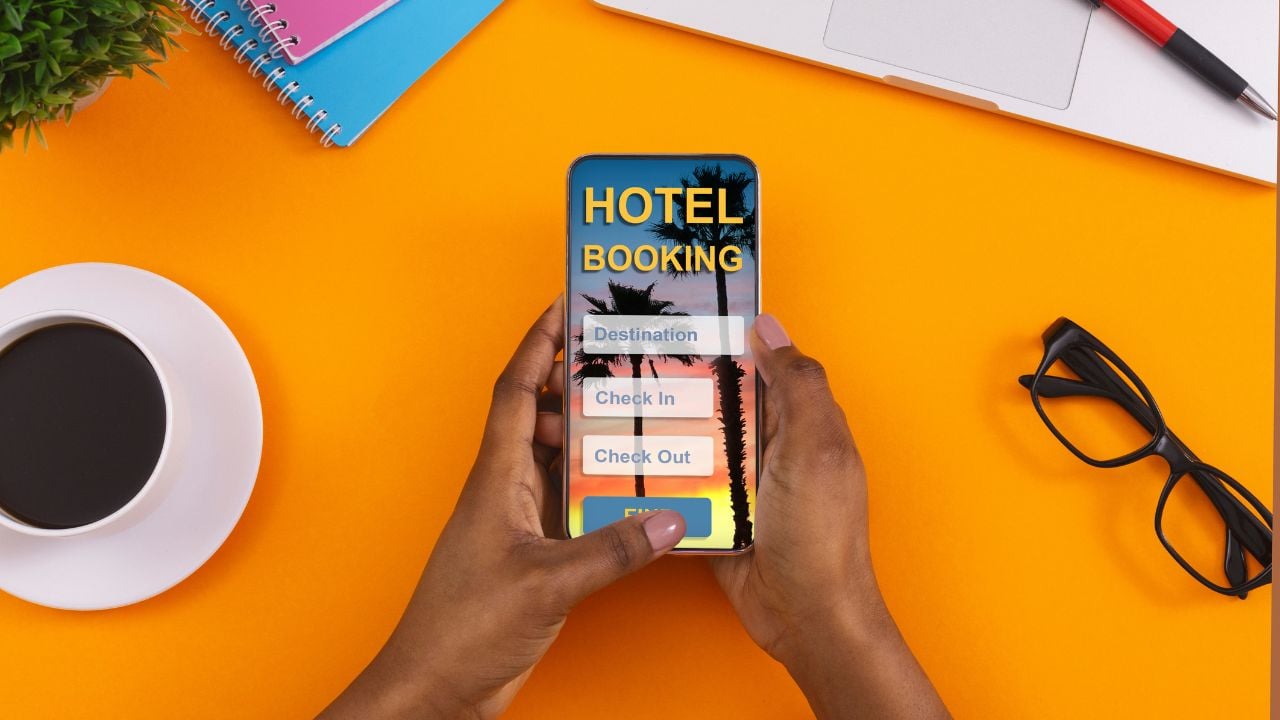
Not every property has fully keyless doors, and not every traveler wants to use an app. That is where kiosks, key dispensers, and streamlined pickup lanes come in, especially at busy, high-volume hotels. Industry coverage and market tracking continue to point to growth in hotel self-service arrivals, driven by demand for faster check-in and tighter operations.
Some brands also offer a hybrid system that still cuts down on waiting. IHG’s digital check-in process allows guests to check in through the app, then pick up a room key in a designated area after showing identification. It is not the full skip-the-lobby fantasy, but it can reduce the line to a few minutes instead of a much longer queue at peak arrival times.
3. Verification Is Still a Big Reason You Might Be Sent to the Desk

Even in a self-service world, hotels still need to confirm identity and payment in many situations. IHG’s own description includes showing identification before receiving a key, which is a useful reminder that digital does not always mean hands-free. That extra step is common when property policies require it or when a reservation triggers additional checks.
Hilton’s help guidance also frames Digital Check-in and Digital Key as features that depend on availability and the steps completed in-app. In practice, some guests breeze past the podium while others are routed to staff for confirmation. The important thing to remember is that this is normal, not a sign that something is wrong with the reservation.
4. Hotel Staffing Is Shifting From Key Handoff To Problem-Solving
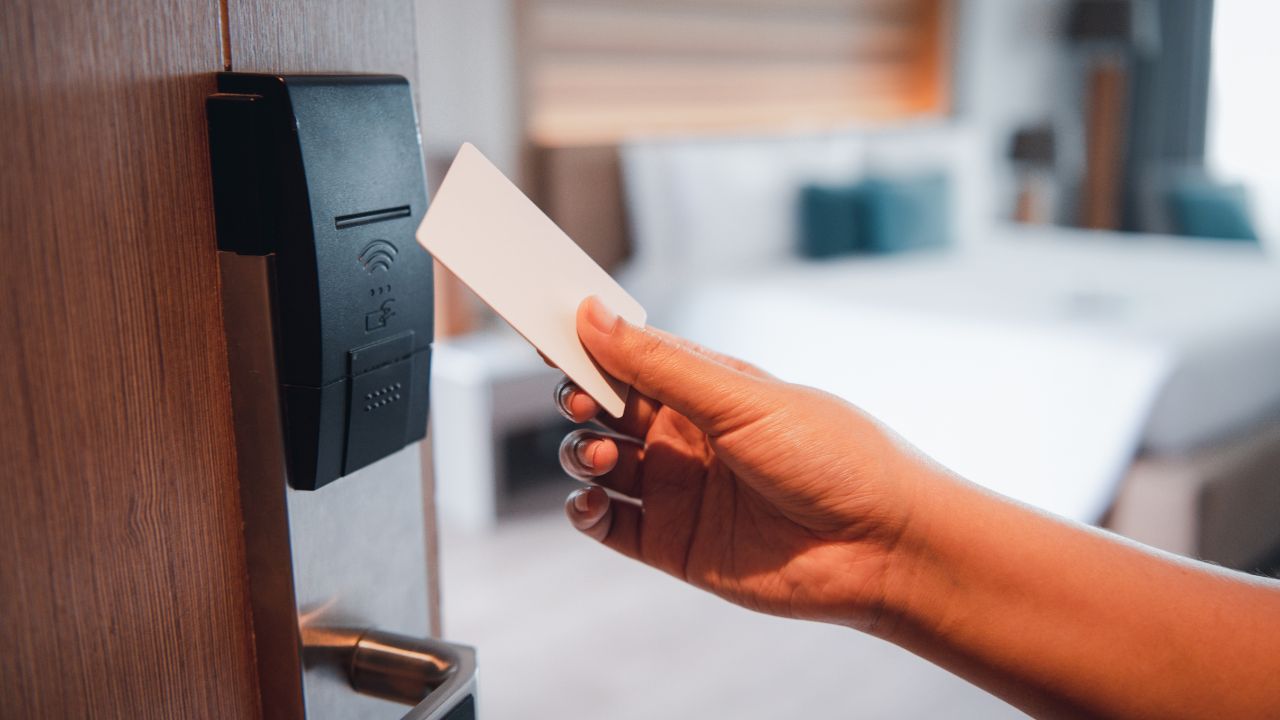
Technology is not only about convenience. It is also about labor pressure. Industry reporting in 2026 continues to point to rising labor costs as a serious concern for hotel operators, which encourages properties to automate repetitive tasks while keeping staff focused on higher-value issues. When arrivals become more self-directed, teams can spend more time on room readiness, service recovery, and special requests.
For travelers, that can be a win if the property handles it well. The best version is a quiet lobby with visible help nearby, not an empty space where you feel abandoned. A good hotel still has people available, but they are there to solve problems rather than print key cards all evening.
5. What Travelers Gain and What They Give Up

The upside is immediate: fewer lines, faster room access, and less small talk when you are tired from travel. Mobile systems can also give guests more control, such as confirming details before arrival and reducing the chance of a last-second paperwork scramble. Marriott’s mobile check-in flow, for example, lets guests set an arrival time in the app, which can help smooth peak-hour congestion.
There are tradeoffs, too. Phone batteries die, Bluetooth can misbehave, and some properties still rely on physical keys even after a guest has checked in digitally. Hyatt’s digital key materials make clear that availability varies by hotel, so expectations should stay flexible. The smartest mindset is to treat self-check-in as a shortcut, not a guarantee.
6. The Simple Checklist That Makes Self-Check-in Actually Work

Before you arrive, download the brand app you will need and sign in while you still have reliable internet. Hilton’s app highlights check-in, room management, and Digital Key access through the same platform, which is easiest when it is already set up in advance. Turn on Bluetooth and notifications, and have a backup plan for weak Wi-Fi or poor cellular service in garages and elevators.
Next, reduce the chances of being diverted to the desk. Make sure the booking name matches your ID, confirm your payment method in the reservation, and watch for in-app prompts that ask for additional steps.
IHG’s digital check-in process makes it clear that the app nudges guests when it is time to check in, but that only helps if you actually open the notification and complete the flow. A small amount of prep can turn the whole arrival into a two-minute event.