Robot police dogs and food delivery robots are already in use. Now, humanoid AI robots have entered the classroom, with Altus Charter School in San Diego investing in two $500,000 ChatGPT-powered robots.
The robots, called Ameca, have been configured to play four different roles- that of a wellness coach, a teacher, a college planner, and a translator.
Students did not have a very positive impression of the robot when asked to describe it in three words. During one session, interactions with the robot were described as “clunky,” while at other times, it spoke too quickly for students to follow.
Ironically, students are asked to fact-check information provided by the robot. While the school continues to learn what the robot is capable of, several educational researchers have criticized the idea of having robots in schools.
What the School Aims to Achieve With the AI Robots
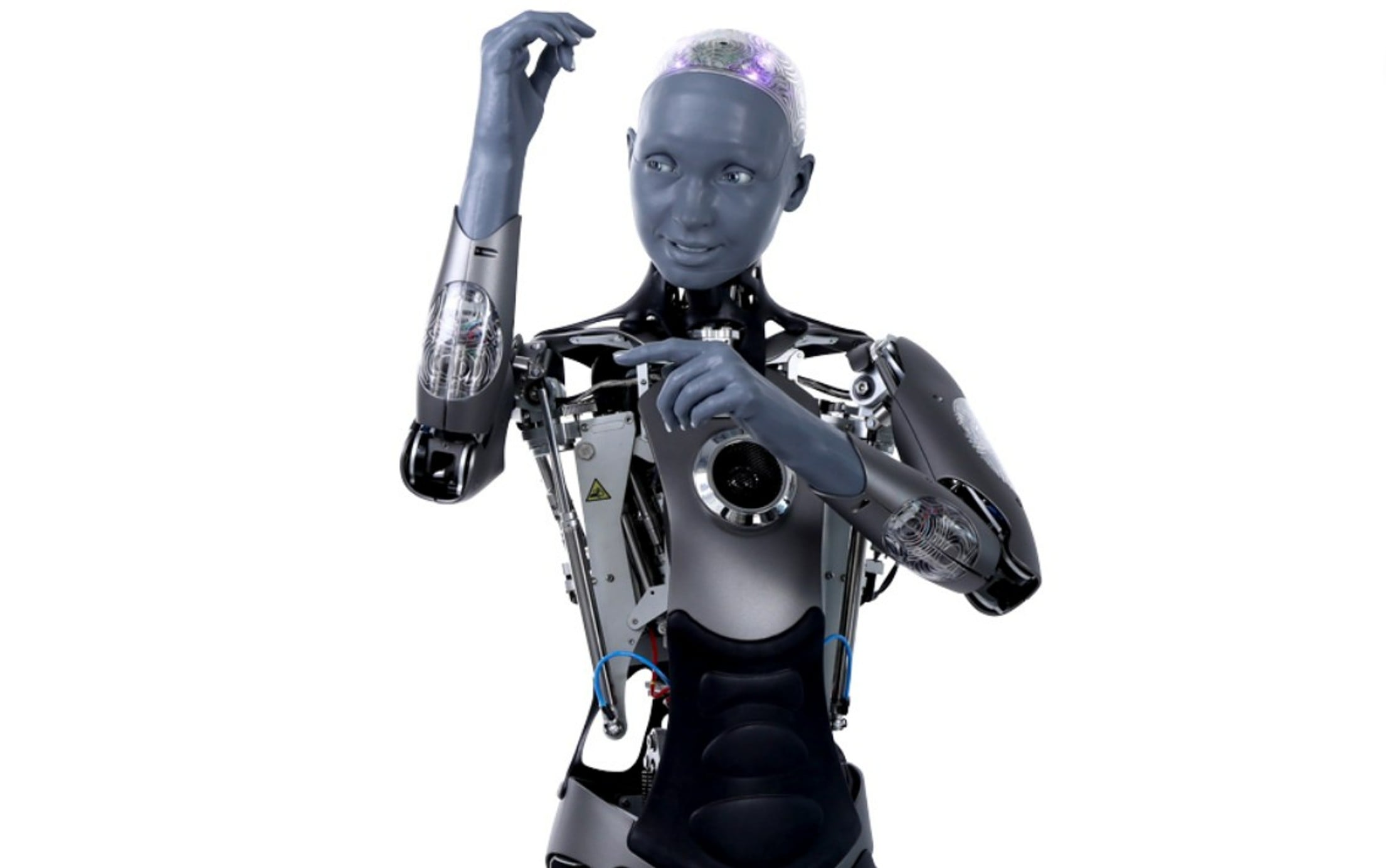
According to a report by the Voice of San Diego, school officials described Ameca as the “world’s most advanced AI-powered humanoid robot.”
While the aim is not to replace the school’s staff with robots, school officials said Ameca is part of a pilot program that helps explore the role of AI and robots in the future of education.
Altus’ dean of academic studies, Cathryn Rambo, reportedly wrote to parents about the school’s new purchase, describing it as an “innovative opportunity for your student to participate in a research-based learning experience.”
“We are thrilled to be the first school in the world researching the use of physical AI as a teaching partner,” Rambo wrote.
In a demonstration of what the robot could do, two middle school students sat in a small room, asking the robot questions. They were there to learn about Nikola Tesla. A girl asked the robot who it was and where it lived. The robot interrupted her and began talking as if it were Tesla.
It then reportedly delivered the introduction at a rushed pace, making it difficult for students to follow. The interaction was interrupted by frequent pauses, with both the robot and the children cutting each other off, forcing the students to ask the robot to repeat its introduction three more times so they could finish taking notes.
While Rambo admitted the session was “clunky,” she chose to focus on the different ways the robot could play a role. She said:
“As long as we keep learning and iterating, we’re going to continue. We didn’t even know in the first six weeks what Ameca can do, and we still don’t know all the different possibilities.”
If technology is the body, then AI is the soul—and we are the architects of their meeting point. 🌉
For 20 years, we’ve been refining that connection. We don’t just build machines—we craft the physical pulse for Embodied AI.
From Ameca’s haunting smile to Azi’s quiet… pic.twitter.com/TPXTRhgddO
— Engineered Arts (@engineeredarts_) June 27, 2026
Researchers Call It “Nonsense”
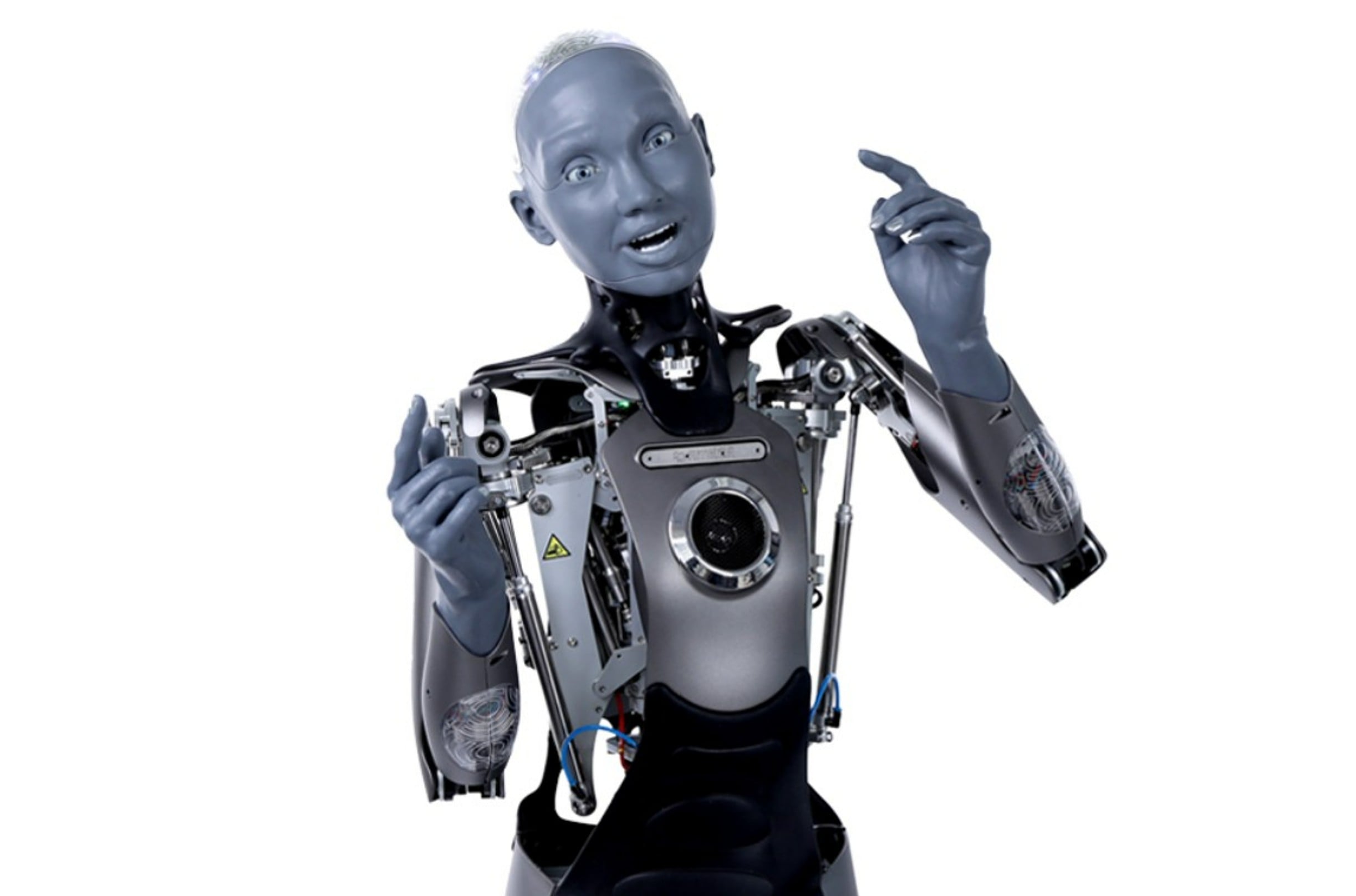
Students were asked to describe the robot in three words before and after interacting with it. “Creepy” was the most common first impression, though some students changed their minds afterward.
For researchers like Wayne Holmes, a professor of critical studies of artificial intelligence and education at University College London, there is no proof that this method of teaching would work. He said:
“There is no independent evidence at scale that the use of these tools is either effective or safe, or even have a positive impact on the classroom.
“What we are increasingly hearing are bits of evidence that demonstrate the opposite.”
He made his claim clear that this robot could never replace a human teacher:
“The suggestion that this could ever be within a million miles of the capabilities of a human teacher is criminal.
“For this to be peddled as something that can teach English language arts, that can teach vocabulary, that can engage with education in these ways, it’s utter nonsense. It’s a parody of education.”
Monash University Professor Neil Selwyn, who spent many years researching the benefits and pitfalls of integrating technology into classrooms, was more direct in expressing his idea about the claimed benefits of having a humanoid robot. He said:
“The physical robot in the room is just complete bullshit – a show, a charade, a spectacle.
“The distraction of the humanoid robot is mad in this particular case, because we haven’t got physical robots that can be anywhere near as sentient as a teacher… so much can go wrong.”
The question that remains is whether you would send your kids to a school that relies on humanoid AI robots for teaching in some way or another.