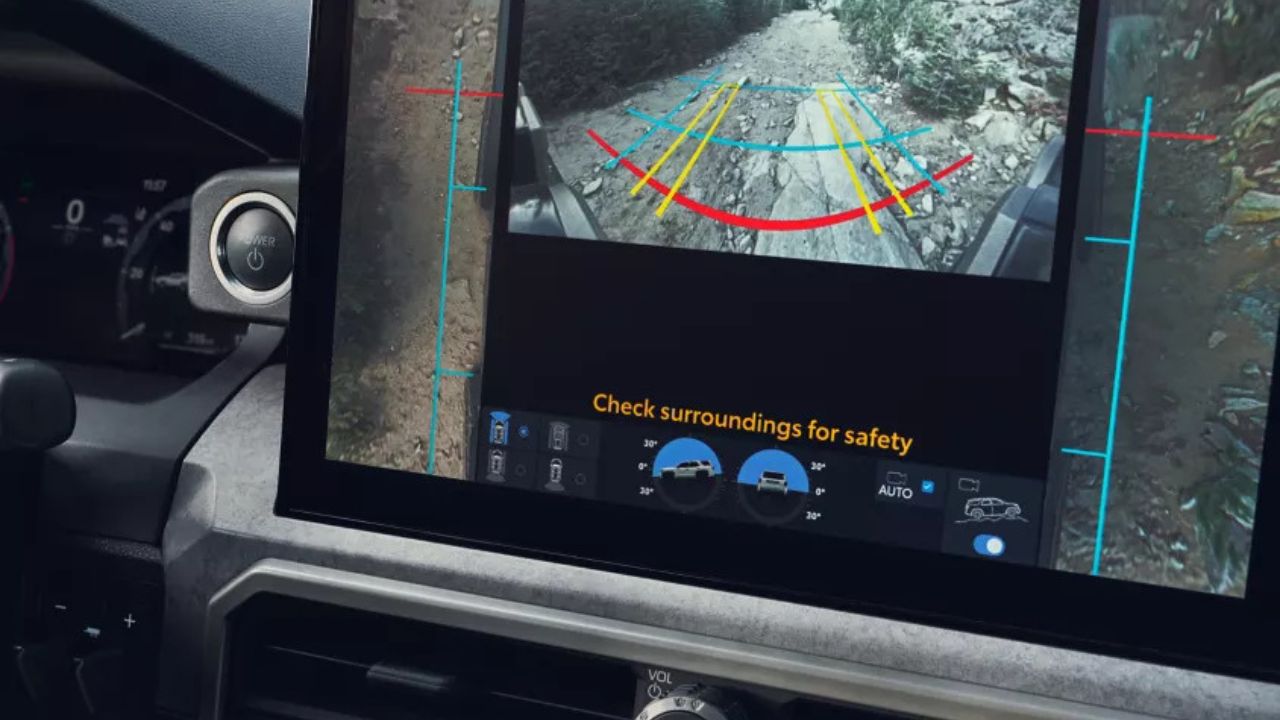

For more than a decade, the auto industry has been locked in a technological arms race. Bigger screens. Fewer buttons. Doors that hide themselves until a motor whir to life. The futuristic now fills nearly every new showroom model, from budget crossovers to six-figure electric flagships.
But a growing number of safety experts are asking if cars haven’t become too smart for their own good.
The pushback is no longer limited to disgruntled technophobes who’ve had it with the gizmos. Regulators in China have announced a ban on hidden door handles for new vehicles beginning in 2027, citing concerns that electronically actuated doors can trap occupants after a crash if power is lost.
The decision follows fatal incidents involving electric vehicles where rescuers reportedly struggled to open doors. While the policy does not directly affect US automakers yet, its implications are already rippling across global design studios.
Hidden Handles, Hidden Dangers

Flush door handles were popularized by Tesla with the Model S in 2012 and quickly became an industry status symbol. Today, they appear on everything from Hyundais to luxury German sedans. The problem is not their appearance but their reliance on electronics.
In many of these cars, interior door releases are electronic buttons rather than mechanical levers. So, when wiring fails after a collision, those systems can stop working entirely.
Manufacturers insist there are mechanical backups, but reality tells a harsher story. We just published a recent incident where a 20-year-old lost his life to a burning Tesla he couldn’t get out of. His mom is suing the automaker.
Some of these cars, including the Tesla Model 3, the manual release is hidden behind trim panels or disguised as part of the door pocket. In a high stress emergency filled with smoke, darkness, or panic, finding that release can be nearly impossible. Safety researchers are reminding everyone that every second matters in fires or submersion scenarios.
Touchscreens: The Other Distraction Crisis
For an expanding number of drivers, door handles are only part of the problem. Touchscreen infotainment systems are drawing even sharper criticism from safety experts in the US and abroad.

Nearly every new vehicle now routes basic functions through a central screen, including climate control, windshield defrosting, mirrors, and even headlights. What was once a quick muscle memory action has become a menu hunt.
According to the Daily Mail, Professor Milad Haghani of the University of Melbourne has studied driver behavior and says touchscreens are uniquely dangerous because they combine visual, manual, and cognitive distraction. A physical knob can be adjusted without looking.
A screen forces the driver to glance away, tap precisely, and think through layered menus. Research shows reaction times can worsen by more than 50 percent when drivers use touchscreens, a greater impairment than texting or talking on a phone.
US drivers are feeling the consequences. Surveys by safety groups show that infotainment systems are now among the top safety complaints from consumers.
Many drivers admit to making mistakes while adjusting settings on screens, especially at highway speeds. At 70 miles per hour, even a two second glance away from the road means traveling the length of a football field blind.
The Case for “Dumb” Cars
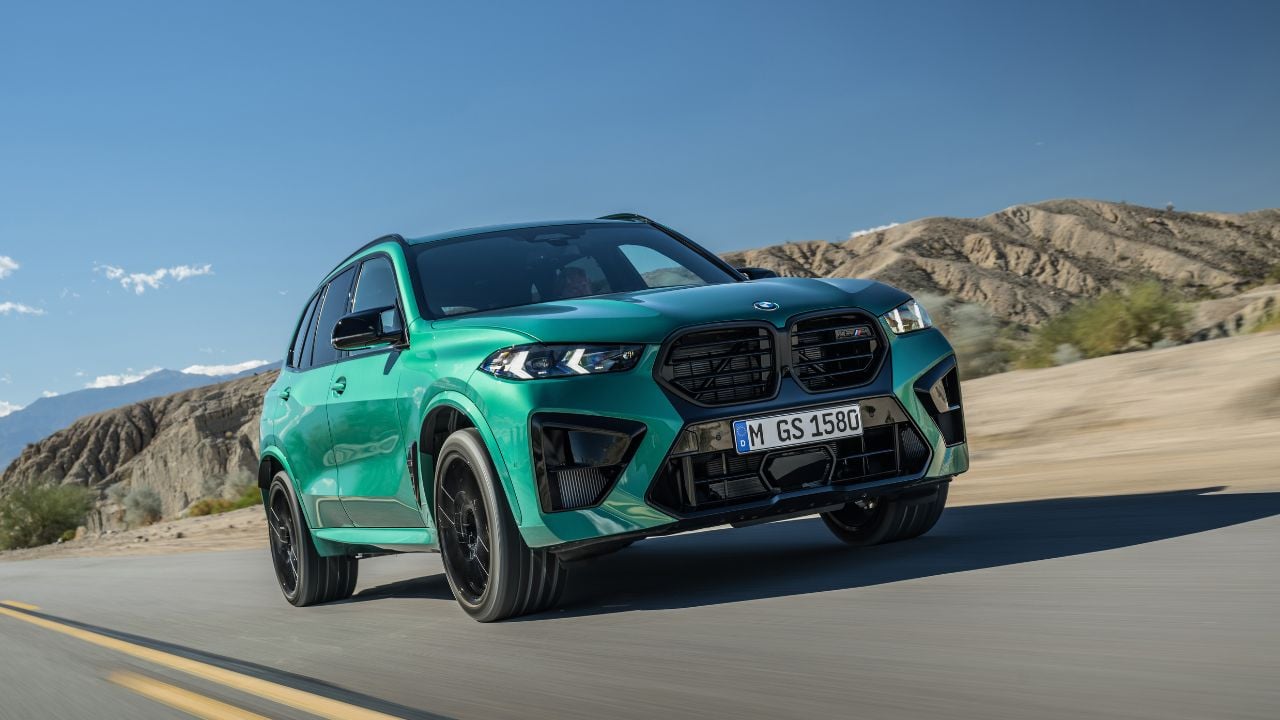
Regulators are starting to respond. Euro NCAP has announced that automobiles must have physical controls for essential functions to earn top safety ratings. Australia and New Zealand will follow similar rules starting in 2026.
While the US has not yet issued comparable mandates, the National Highway Traffic Safety Administration is actively investigating electronic door handle failures and driver distraction linked to in car technology.
Automakers are quietly getting the message. Volkswagen, Volvo, and others have begun reintroducing physical buttons after widespread criticism of screen heavy interiors. Engineers now admit that removing switches saved money and created cleaner designs, but at the cost of usability and safety.
The broader movement mirrors the rise of dumbphones among consumers seeking relief from constant digital overload. In cars, the argument is even stronger. Driving is a task that demands focus, instinct, and simplicity. As cars get more powerful and roads grow more crowded, complexity can become a liability.
Could it be that the future of car safety isn’t smarter screens or sleeker gimmicks, but a return to fundamentals? Doors that open every time. Controls you can use without looking. Technology that helps drivers drive, not distracts them while doing it.