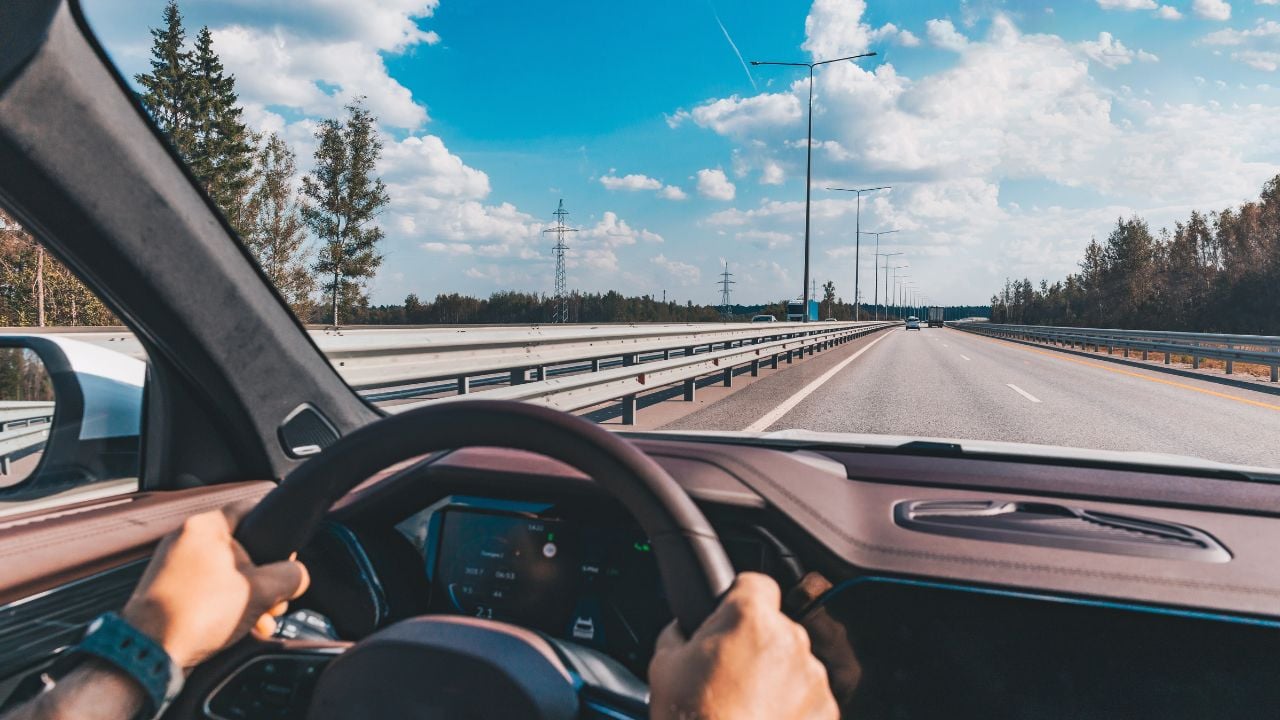

Remember when your grandpa, bless his cotton socks, swore you had to change your oil every 3,000 miles, or insisted you grip the steering wheel at a rigid 10 and 2? Yeah, well, a lot of what once passed as gospel in the automotive world has about as much relevance today as a crank start.
Thanks to engineers who actually do stuff, we’ve got advancements in car tech, safety systems smarter than your average co-pilot, and road standards that (mostly) keep up with reality. This means some of those old-school rules aren’t just irrelevant; a few could actually be harmful if you follow them today. It’s like still using a flip phone when everyone else is Facetiming their dog.
We dove deep into the dusty archives of automotive folklore, revisited the “wisdom” many of us grew up with, and found it’s high time to unlearn a few habits. Whether it’s how you “warm up” your pride and joy or how you slam on the brakes in an emergency, driving in the modern world demands updated thinking. So, ditch the rotary phone, because here are 13 driving rules that no longer hold up, and might even make your mechanic laugh at you.
How We Reassessed the Rules of the Road
To uncover which driving habits have officially outlived their usefulness (and moved into the automotive equivalent of a retirement home), we didn’t just consult the local barstool experts. We reviewed current manufacturer guidance, along with safety recommendations and research from organizations like NHTSA and AAA, and compared that guidance with how modern vehicles actually behave on the road.
We also looked at how today’s tech has changed the fundamentals, including ABS (Anti-lock Braking Systems), oil-life monitoring systems, and electronic driver aids that simply did not exist on older cars.
That mix helped us separate genuinely helpful habits from the outdated myths that now belong strictly in a history textbook, not behind your steering wheel.
Always Change Your Oil Every 3,000 Miles

This rule, probably etched into stone tablets somewhere, stuck around for decades like a persistent check engine light. “Every 3,000 miles!” your grandpa would bellow, as if the engine would spontaneously combust at 3,001. But here’s the dirty truth: modern vehicles have moved far beyond it. Thanks to the glorious invention of synthetic oils (which are practically liquid gold for your engine) and vastly improved engine designs with tighter tolerances, many cars now safely go 7,500 to 10,000 miles, sometimes even more, between oil changes.
Sticking to 3,000 miles is often like throwing money out the window while simultaneously wasting your precious Saturday mornings at the quick lube. For many modern vehicles designed for longer intervals, it usually provides little real benefit beyond peace of mind. Most modern cars even include fancy oil-life monitors that are far more accurate than old-school guessing or an arbitrary number.
So, trust the tech, read your owner’s manual (yes, that thick book in the glovebox), and ditch the mileage myth. You’ll save cash, time, and maybe even a few trees.
Warm Up Your Car Before Driving
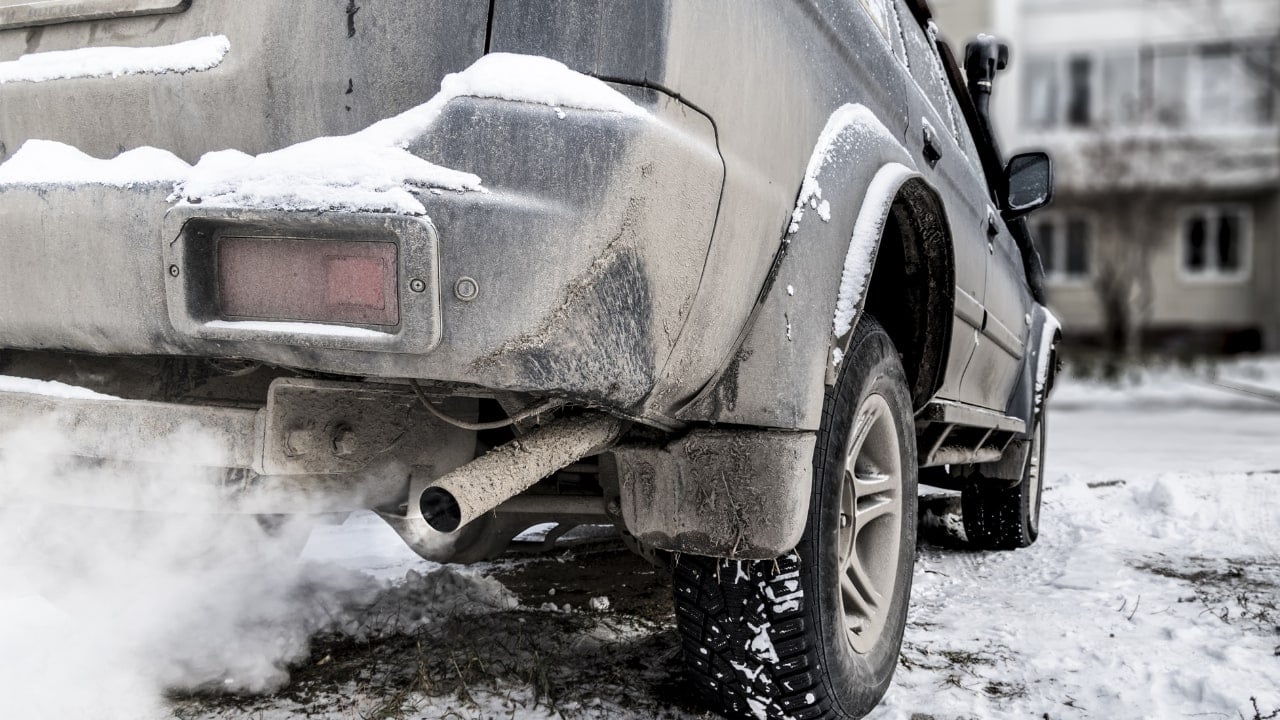
“Let the engine warm up, son, or you’ll wear it out!” This used to be common advice, especially when winter mornings turned your driveway into a frozen tundra. Let’s be real, your grandpa’s ’68 Impala with a carburetor needed more time to get its act together than a teenager on a Monday morning. Modern engines warm more efficiently while in gentle motion, not sitting there idling like a grumpy bear in hibernation.
Long idling mainly burns fuel and increases emissions, and it usually takes longer to reach full operating temperature than driving gently. For most modern fuel-injected cars, a brief idle just long enough to settle and circulate oil is plenty before you drive off smoothly. Unless you’re trying to defrost a foot of ice off your windshield (and even then, driving gently helps), it’s best to start driving gently right away. Today’s vehicles are designed to perform even in arctic conditions with minimal warm-up time.
Your car isn’t a sleepy cat; it’s a finely tuned machine ready for action. Get moving!
Always Keep Both Hands at 10 and 2
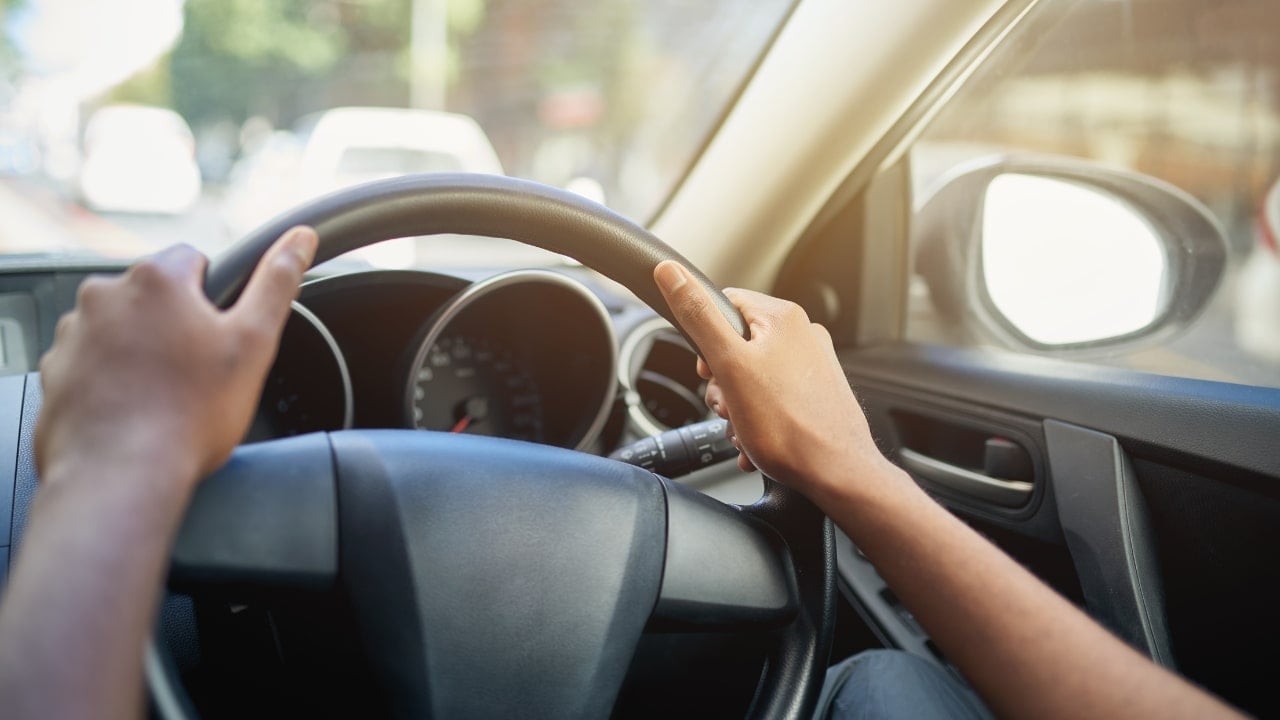
The 10-and-2 position was once standard, taught in every driver’s ed class like it was the secret handshake to safe driving. But it was designed for cars without airbags. Think about it: if an airbag deploys with your hands at 10 and 2, your arms are right in the path of a rapidly expanding explosive device. That hand placement drastically increases the risk of severe arm or face injury if that airbag decides to say hello in a collision. You’ll get a broken nose and a bruised ego.
Instead, safety experts and driving schools now recommend the 9-and-3 position. It offers better balance, reduces arm fatigue on long drives, and crucially, keeps your hands (and face) clear of the airbag path in case of a crash. It’s not just safer; it’s actually more comfortable and gives you better control. So, ditch the old school grip and get with the program.
Your arms will thank you.
Pump the Brakes in a Skid
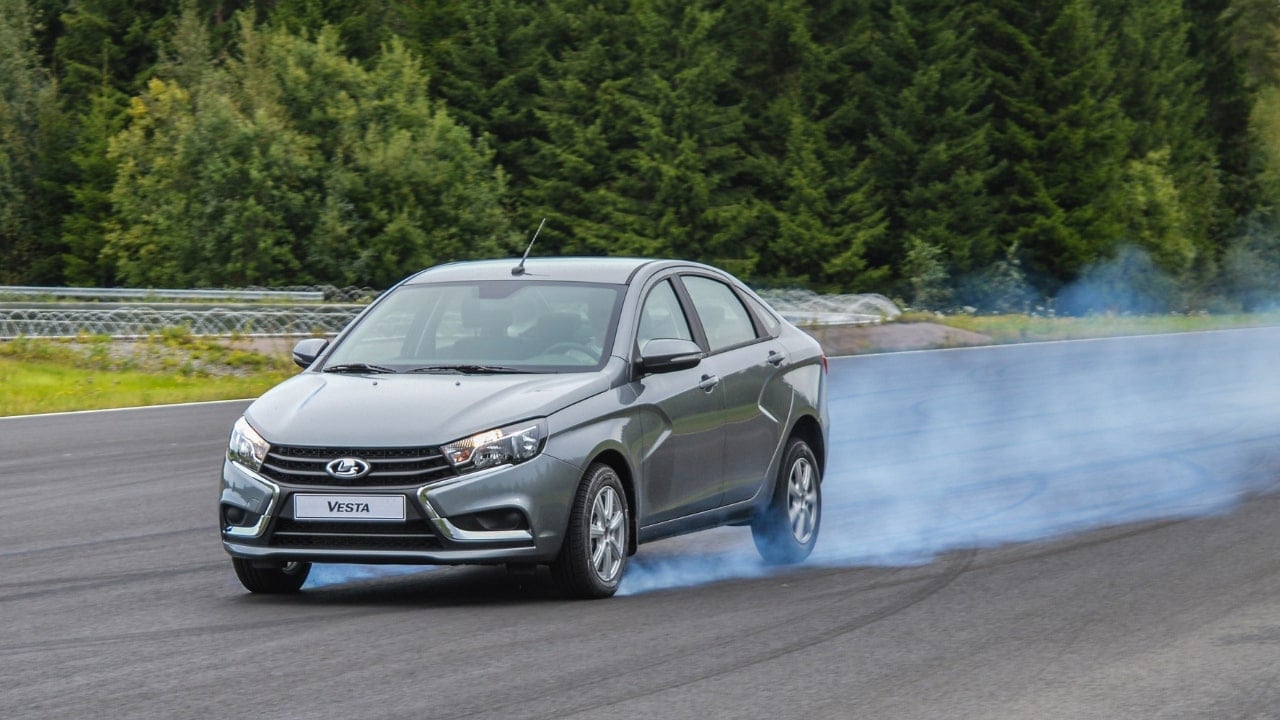
Ah, the good old “pump the brakes!” mantra, shouted by every action movie hero and well-meaning passenger. Before ABS (anti-lock braking systems) became common, pumping the brakes manually helped prevent wheel lock-up and maintain some steering control on non-ABS cars. Today, ABS is widespread, and modern stability control requirements have effectively made it universal on new light vehicles. With ABS, that technique can actually reduce braking effectiveness in emergencies and make your car feel like it’s trying to dance its way out of trouble.
The correct method today is to apply firm, steady pressure and let the ABS do the work. You’ll feel a pulsating sensation through the pedal, that’s the system rapidly modulating the brakes for you, many times a second, far faster and more precisely than any human foot ever could. It prevents skidding and gives you better control for steering around obstacles. Trusting the system beats relying on outdated, potentially deadly instincts.
Your car is smarter than you are in a panic stop, embrace it.
Use the Emergency Brake Only on Hills
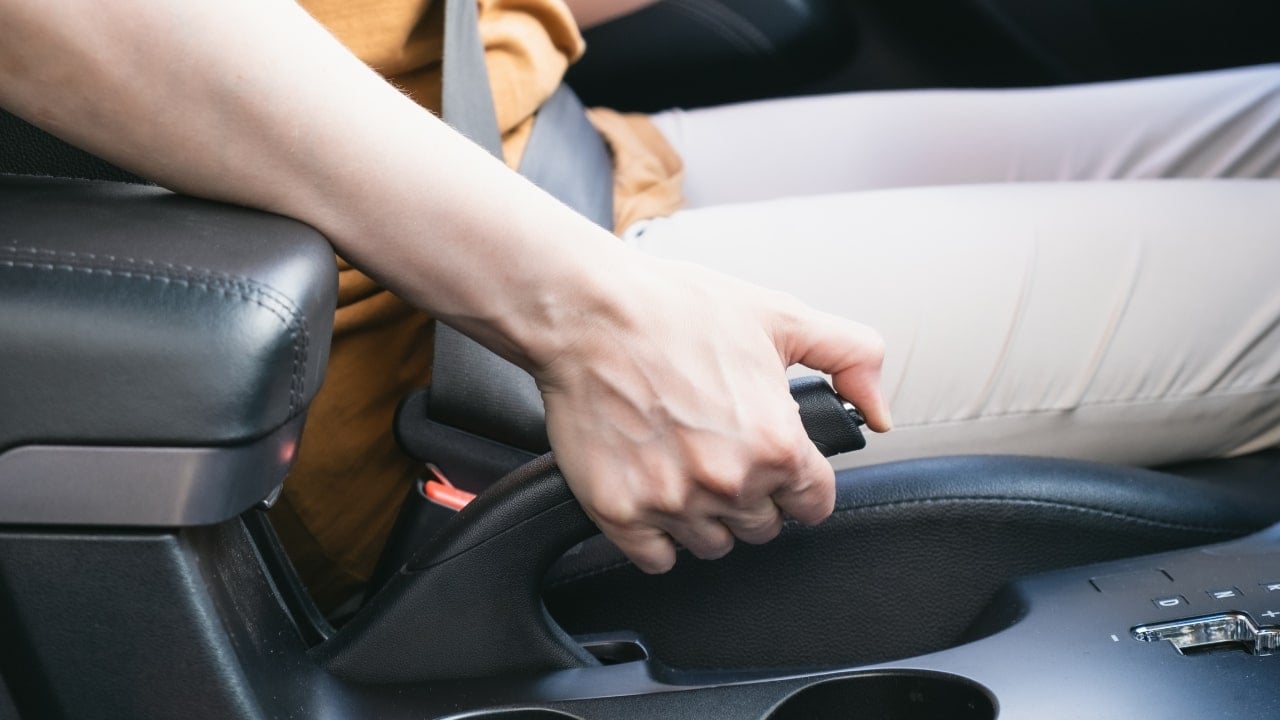
For years, the parking brake was seen as a “last resort” or only for those terrifying moments on a steep incline. Like a secret weapon you only deploy in a dire emergency. Guess what? The parking brake isn’t just for dramatic hill starts or preventing your car from rolling into a lake. Regular use actually keeps the system active and prevents components from seizing up over time, especially in vehicles with electronic handbrakes (which, let’s be honest, just makes you look cooler when you park).
It also crucially protects your transmission from undue stress when parked, even on a slight incline. Think of it: all that weight of your car, resting on a tiny little pawl inside your transmission. That’s a lot of strain over time. Using your parking brake daily is a simple habit that extends the life of your car’s braking and parking systems.
Plus, it just looks more professional. Be a parking brake pro!
Manual Transmissions Are Always More Fuel Efficient
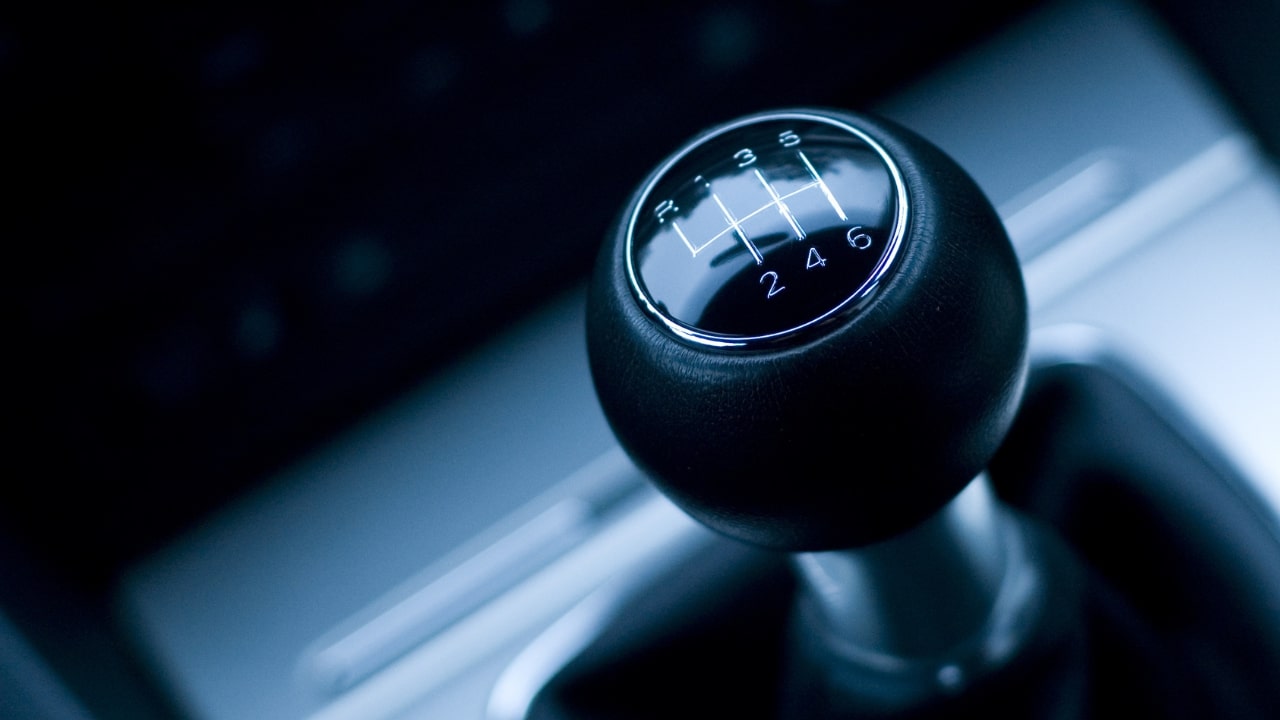
Oh, the endless debates! “Manuals are better! More control! Better MPG!” There was a time when this was absolutely true; manuals reigned supreme for fuel savings. Today’s automatics are like hyper-intelligent robots. Thanks to more gears than you can shake a stick shift at (we’re talking 8, 9, even 10-speed autos), faster, computer-optimized shifts, and clever fuel management systems, today’s automatics often beat their manual counterparts in efficiency tests.
Unless you’re driving a specialty manual model designed for ultimate efficiency (or just for pure driving pleasure, which is a different argument entirely), automatics now consistently match or exceed manual efficiency. That old belief just doesn’t hold up in the era of computer-optimized driving.
So, while you might still row your own for the fun of it, don’t tell yourself it’s for the fuel savings, because you’d be lying.
Passing on the Right Is Always Illegal
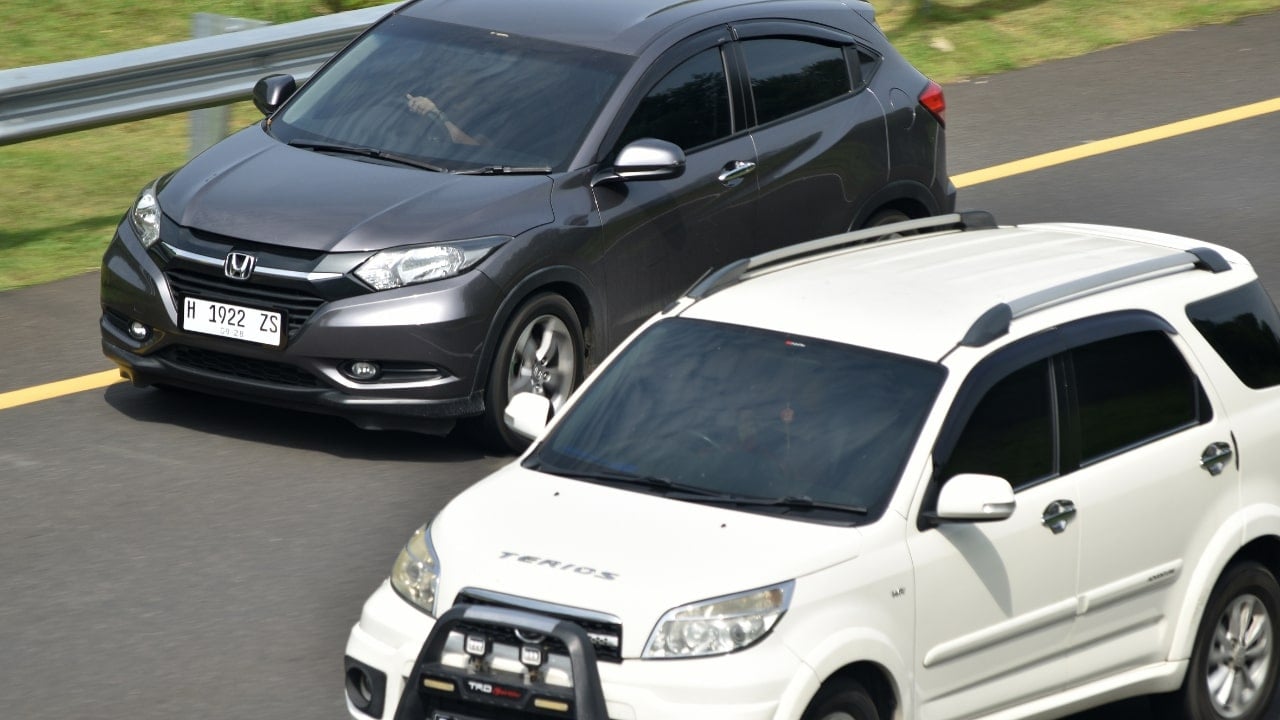
“Never pass on the right!” was once drilled into our heads, often with a stern wag of the finger. And while it’s generally good etiquette to pass on the left (especially on European motorways), the reality in many U.S. states is that passing on the right is perfectly legal under specific conditions. Think multi-lane highways where slower traffic is hogging the left lane like it’s their personal cruising lane.
While it’s not always ideal or the safest maneuver (especially if you’re not paying attention), it’s not a blanket violation either. The key is always making safe, legal, and predictable maneuvers, something far more important than strict adherence to outdated etiquette rules that don’t account for modern traffic flow.
Just make sure the lane is clear and you’re not playing bumper cars.
Use High Beams Sparingly, If Ever

You might remember being told to avoid using your high beams unless it was pitch black, usually accompanied by a dramatic warning like, “You’ll blind someone, you barbarian!” That advice made sense decades ago, when headlight systems were basically glorified flashlights and it was entirely up to the driver to manually manage glare and oncoming traffic. These days, that old caution doesn’t really hold up.
Many newer vehicles offer automatic high beams that can switch between high and low beams when sensors detect other traffic. Adaptive driving beam headlights, which can shape the light pattern to reduce glare, are now permitted under U.S. rules, but availability still varies widely by model and market. In fact, on unlit rural roads, not using your high beams at all can be the more dangerous choice, making you miss deer or other hazards.
So, yes, high beams can still blind someone if misused (especially if you’re driving a lifted truck with aftermarket LEDs that could signal aliens). But if your car has the tech, let it do its job. And if it doesn’t, trust yourself to use them responsibly, not sparingly.
See and be seen!
Keep a Paper Map in Your Glovebox

Paper maps were once essential for travel (followed by printed off Map Quest directions later on), a trusty companion that never ran out of battery. “Always carry a map!” your elders would say, as if getting lost was a fate worse than death. Let’s be real, unless you’re intentionally going fully off-grid to escape civilization (and your ex), a paper map today is more nostalgic than necessary. Digital navigation offers real-time directions, instant rerouting around traffic jams, and live traffic updates that a static piece of paper could never dream of.
Most drivers can now safely rely on smartphone navigation with offline map access as a reliable backup. So while it’s a nice sentiment, your glovebox space is probably better used for important things, like napkins, phone chargers, or that mysterious collection of loose change.
Turn Your Wheels Toward the Curb When Parking Downhill
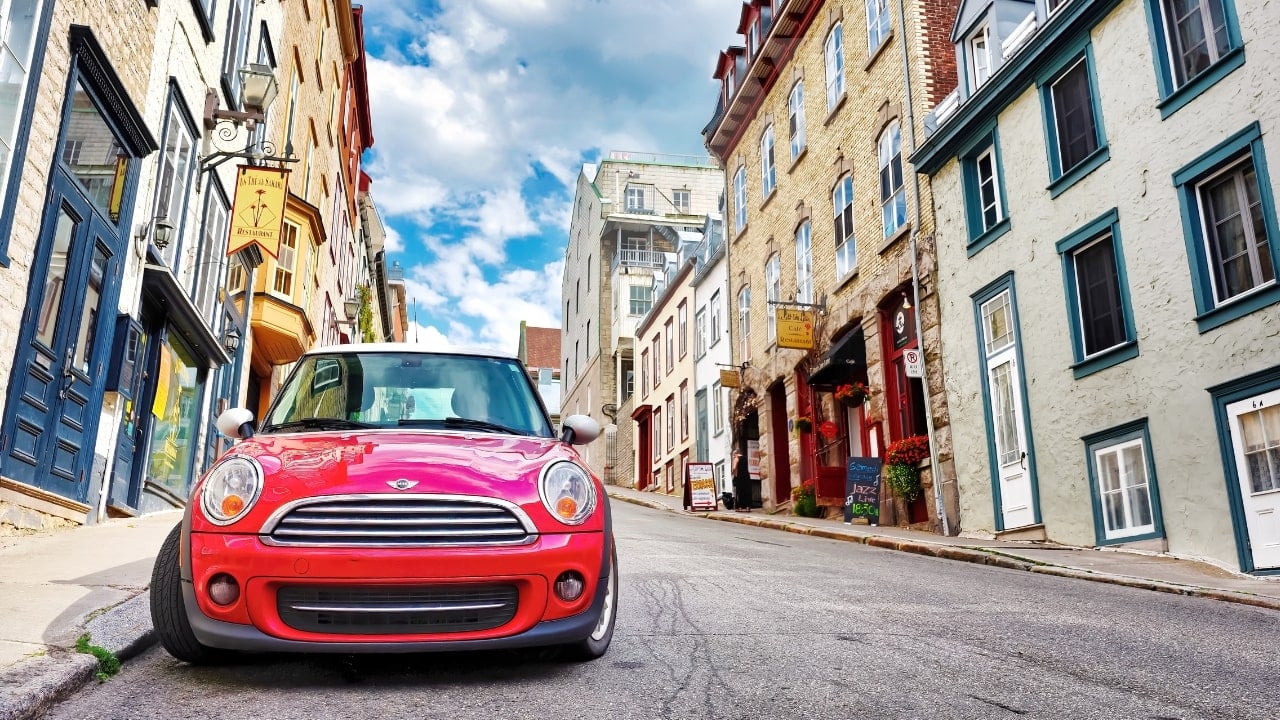
“Turn your wheels to the curb, or your car will roll down the hill and flatten a toddler!” This was the dire warning associated with angled wheels. And honestly, angling your wheels so the tire rests against the curb is still excellent practice and a smart secondary safety measure. However, it’s not as absolutely crucial as it once was, thanks to modern safety systems.
Some newer vehicles can automatically apply the parking brake, but you should still set the parking brake yourself and curb the wheels on steep grades. Those habits provide a real mechanical backup if the parking brake fails or loses hold.
Do it anyway, it shows good parking sense. But don’t worry, the toddlers are safe.
Flash Your Headlights to Warn About Speed Traps
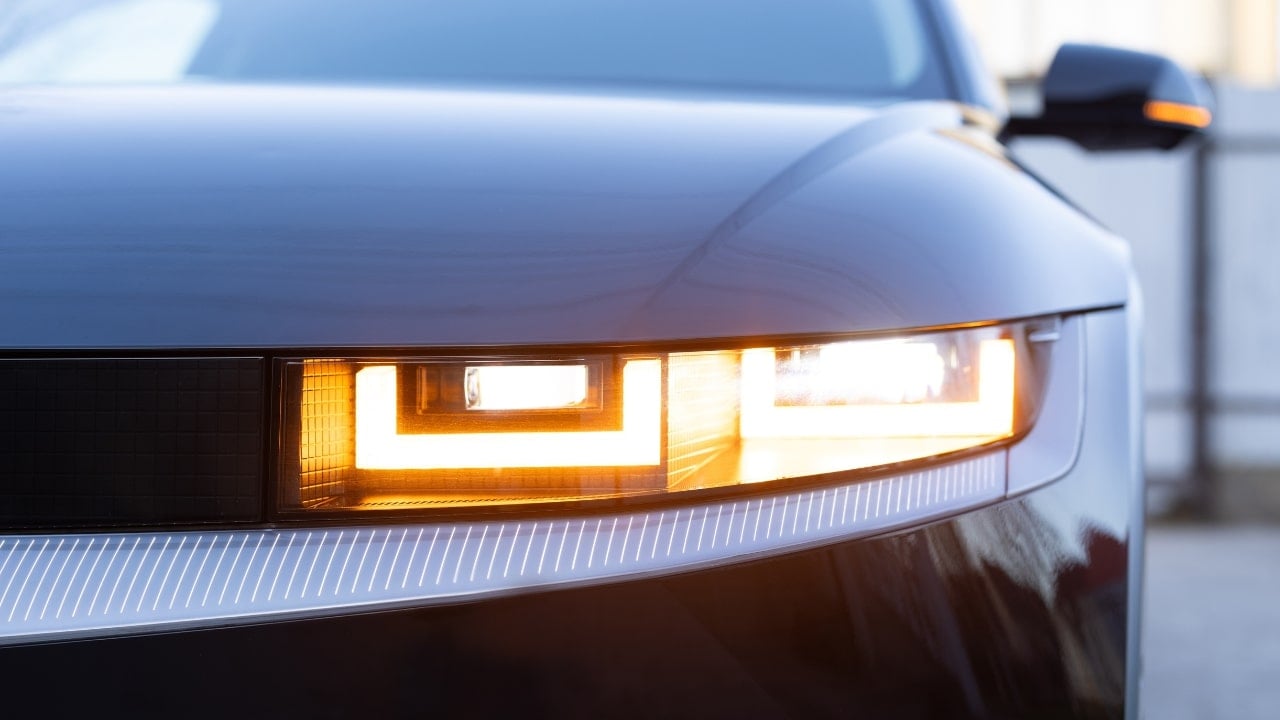
The good old “flash your high beams” signal, the universal brotherhood of drivers warning each other about a lurking speed trap, a modern-day smoke signal. This roadside signal used to be a popular, almost ritualistic, way to warn others. Today, the legality and enforcement can vary by jurisdiction. Some courts have treated headlight flashing as protected speech in certain contexts, but you can still be stopped or cited under local lighting or driving laws.
Plus, let’s be brutally honest: apps like Waze and Google Maps have already crowdsourced speed trap locations in real-time, complete with user-submitted reports and hilarious siren emojis. There’s simply less need for the “headlight code” in the era of instant, digital alerts.
It’s a nice gesture, but mostly obsolete.
Roll Down the Window and Stick Your Arm Out to Signal

Before reliable, brightly lit turn signals became standard, hand gestures were a necessary evil. Your arm out and up for a right turn, arm straight out for a left, arm down for stop. But let’s face it: they’re incredibly hard to see at night, in bad weather, or from any angle other than directly behind you. Plus, most drivers today probably think you’re either waving at them enthusiastically or having a seizure. They just don’t know what they mean.
If your indicators don’t work, fix them. Don’t rely on your arm like you’re playing charades on the freeway. Hand signals should be a genuine last resort to get to the shop, not part of your daily driving routine.
Unless you’re trying to confuse fellow motorists, stick to the blinkers.
Check Your Tire Pressure Only When the Seasons Change
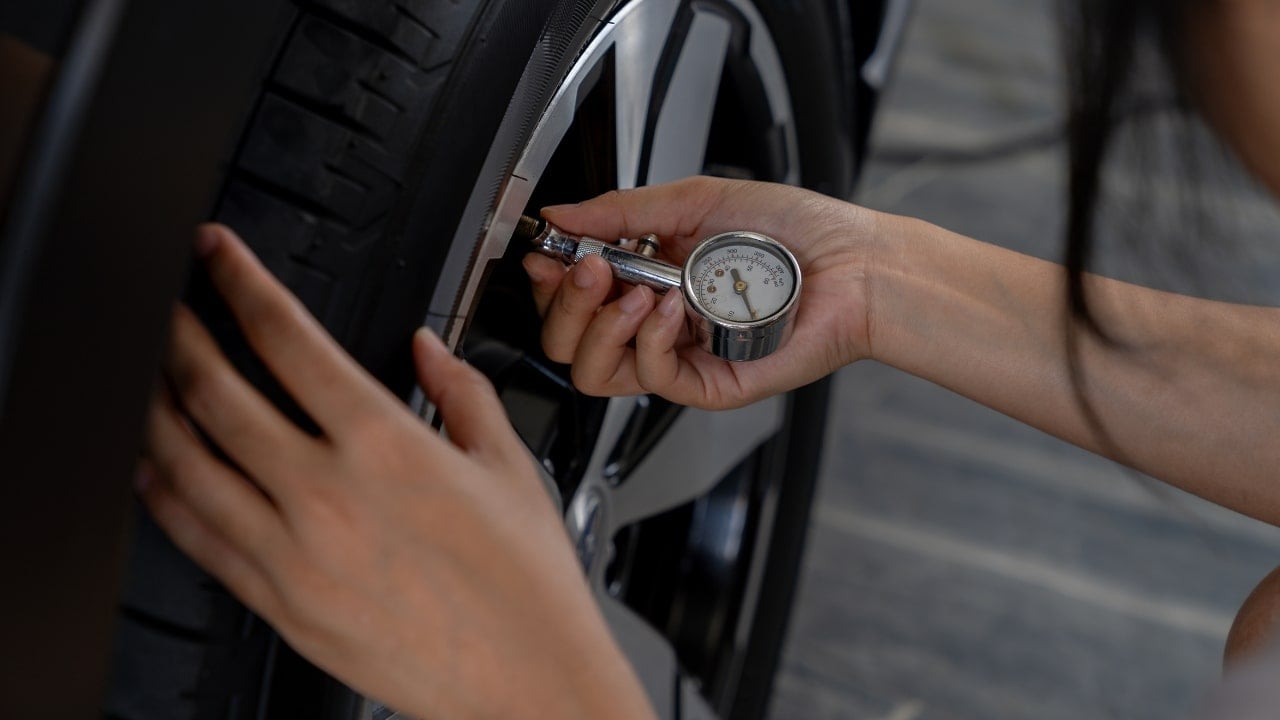
“Oh, it’s getting cold, time to check the tires!” It’s true that cold weather makes tire pressure drop (roughly 1 PSI for every 10-degree Fahrenheit drop in temperature), but that absolutely doesn’t mean you should only check it quarterly. Tire pressure can drop or rise due to slow leaks, heavy loads, or even long drives that heat up the tires. It’s constantly fluctuating.
Modern vehicles have Tire Pressure Monitoring Systems (TPMS), which are fantastic, but they’re not foolproof and often only alert you when pressure is already significantly low. A quick monthly check with a reliable tire gauge (they’re like $10, folks!) ensures your tires are always at their optimal pressure for safety, fuel efficiency, and even tire longevity.
Treat your tires like the four crucial contact patches they are, they’re the only things connecting you to the road!
Time to Rethink Old Habits

Driving isn’t what it used to be, and honestly, that’s a good thing. The roads are smarter, the cars are safer (mostly), and the tools at our disposal are far more powerful than in decades past. To take full advantage of these improvements, we have to let go of some long-held beliefs that are collecting dust in our brains. Sticking to outdated advice can do more harm than good, whether it’s wasting your hard-earned cash, reducing vehicle performance, or even creating outright safety risks.
As drivers, we have a responsibility to stay informed and adapt. That means paying attention to how vehicles are built today and how driving norms have shifted. So the next time someone quotes a “rule of the road” from memory, pause and check if it still applies. Chances are, it doesn’t. And if they insist, just nod, smile, and then quietly Google it.
What other outdated driving “rules” have you heard that desperately need to be retired? Or maybe you still believe one of these rumored rules, if so, sound off and let us know what you’ve heard!