
Americans have not fallen out of love with travel. What has changed in 2026 is the math around it, and that math is starting to reshape how trips get built. The appetite is still there, but the days of casually absorbing higher airfare, fuel, and hotel costs are looking harder to justify for a lot of households.
In March 2026, the U.S. Travel Association’s Travel Price Index said the latest jump in travel costs was driven mainly by transportation. Gas prices rose sharply both year over year and month over month, while airline fares kept climbing. The Bureau of Labor Statistics showed a similar pattern in its March CPI release, with airline fares rising again after increasing in February.
That does not mean Americans are giving up on vacations. It means they are editing them more aggressively. Deloitte’s 2026 travel outlook says travelers are cutting trip frequency, trip length, distance traveled, accommodation class, and in-destination activities, even as travel remains a priority.
At the same time, AAA’s 2026 survey says 58% of Americans expect to take multiple trips this year. That helps explain the real story. Travel demand has not disappeared. Americans are just becoming more deliberate about what kind of trip still feels worth the money.
Airfare and Fuel Are Doing the Most Damage
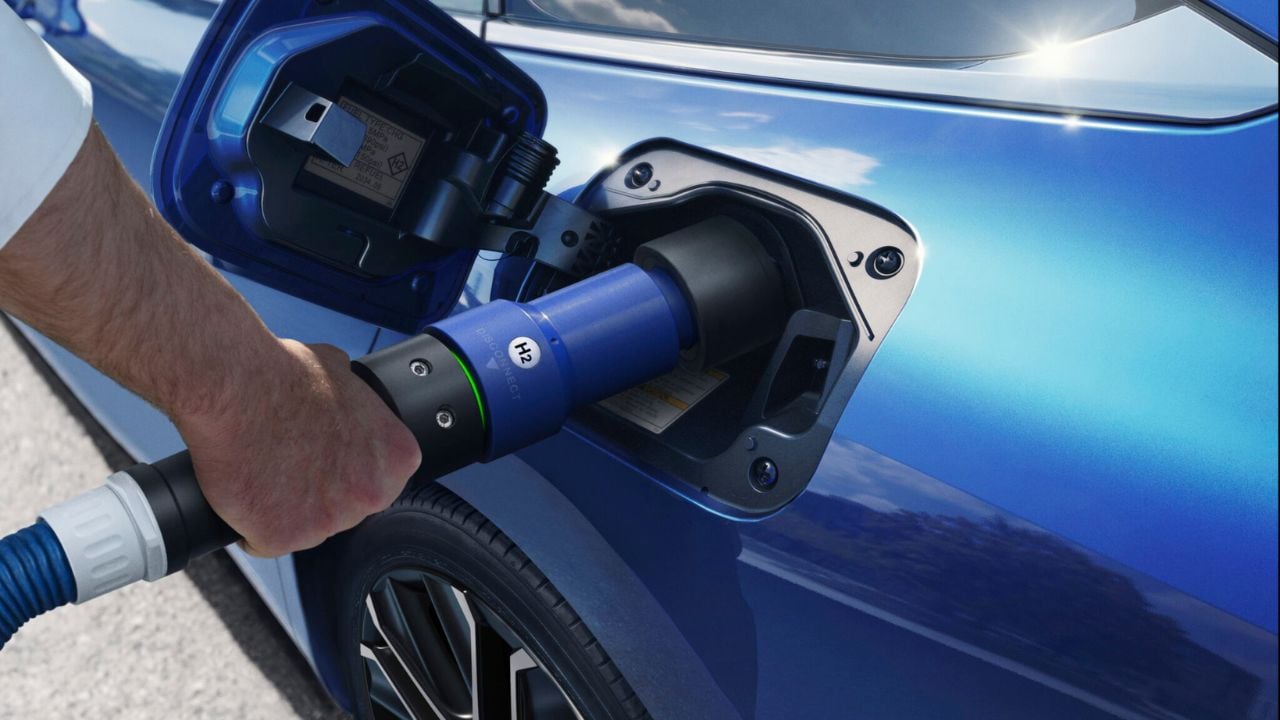
Transportation is the biggest pressure point right now. The U.S. Travel Association said March’s acceleration was overwhelmingly driven by energy and transportation costs, with gas prices up 19.2% from a year earlier and 21.5% from February, while airline fares were up 14.9% year over year. That helps explain why trips that used to look manageable can now feel much harsher once the checkout screen appears.
The CPI data tells the same story from another angle. BLS said airline fares rose 2.7% in March after a 1.4% increase in February, while lodging away from home also edged up over the month. For travelers, that often creates a blunt tradeoff: pay more for convenience, or accept longer travel days, weaker schedules, or less appealing locations.
Shorter Getaways Are Replacing One Big Blowout

A lot of travelers are responding by shrinking the trip instead of canceling it. AAA says 58% of Americans expect to take multiple trips this year, and 42% plan two to three vacations of three days or more. That fits a pattern where long weekends and shorter breaks start to look smarter than one expensive, all-in getaway.
NerdWallet’s 2026 summer travel survey points in the same direction. It found that 45% of Americans plan a summer vacation that requires a flight and/or paid lodging, with average expected spending of $3,940 for those costs. When the price starts to feel uncomfortable, a shorter escape can still deliver the reset people want without blowing up the rest of the year’s budget.
People Are Refusing Budget Misery, Even When Money Is Tight

Another shift is that many travelers do not seem especially willing to “save” by making the trip miserable. Deloitte’s outlook says people are trimming around the edges by cutting accommodation class and in-destination spending, but it also shows a more conservative approach rather than a full retreat from travel. That points to selective budgeting, not total surrender.
NerdWallet found that more than 2 in 5 Americans, or 42%, would rather skip a vacation altogether than book budget airfare and lodging. That says a lot about the 2026 mood. Travelers still want value, but many also want the core experience to feel worth the effort, which is why fewer extras and fewer splurges often make more sense than stripping the whole trip down to something joyless.
International Plans Are Getting Edited, Not Erased

Overseas travel is still very much in the picture, but plenty of Americans are becoming more cautious about it. In YouGov’s U.S. international traveler outlook for 2026, 43% of international travelers said rising travel costs had already affected their plans. That kind of pressure usually shows up as shorter stays, fewer countries, or a stronger bias toward destinations where everyday costs feel easier to control.
Deloitte describes a similar downshift across multiple categories, including reduced distance traveled and more conservative choices on lodging and activities. For many households, the new sweet spot looks less like several ambitious trips and more like one carefully planned international getaway paired with simpler domestic breaks.
Points, Miles, and Payment Strategy Matter More Now
Rising prices are also pushing travelers toward tools that soften the blow. NerdWallet says 32% of 2026 summer travelers plan to use credit card points or miles to cover travel expenses, while 48% of Americans say travel rewards programs are too complicated. That creates a clear split between travelers who know how to extract value and those who still see the rewards game as more confusing than useful.
Payment strategy now matters almost as much as destination choice. The same survey found that 67% of Americans think refundable flights are worth paying extra for, and 62% say the same about travel insurance. In an expensive year, flexibility itself starts to look like part of the value proposition.
The 2026 Playbook Is Simpler, Tighter, and More Deliberate

The strongest strategy right now is choosing one real priority and saving everywhere else. If airfare is the unstable part of the budget, make the flight the non-negotiable and keep the destination spend lighter with parks, walks, free views, and fewer paid extras. Transportation remains the most volatile line item, so controlling that one category can stabilize the whole trip.
Then cut moving parts. Deloitte says reductions in trip length and activities are already part of how travelers are adapting, and that does not always have to be bad news. A shorter, simpler trip can feel better than an overstuffed one that costs more and delivers less, which may be the clearest lesson of travel in 2026.