Automakers sometimes strike gold with certain car models, resulting in iconic, history-defining nameplates. People know and recognize these model names, whether they owned one, because it had a major starring role in a media franchise, or simply because it was a cool car that saved the brand or put it on the map.
Sometimes, automakers decide to bring back these iconic nameplates to honor the fan base and to give consumers an exciting new product to look forward to. However, as I’m sure you’re aware, some automakers are doing this incorrectly, to put it mildly, and it comes off as a poor excuse for a quick cash grab.
The Crossover Revolution
The advent of crossovers and SUVs has become one of the most discussed and controversial trends in the car industry. For whatever reason, regular cars increasingly have to hand the torch over to crossovers and SUVs. Automakers have taken this as an opportunity to revive their legacy nameplates and then slap them on the back of a crossover SUV that, in no way, deserves to carry that name.
There are some notable offenders here that we will go over, but one of the first to do such an act of blasphemy is Mitsubishi.
It Was a Cross, But It Was No Eclipse
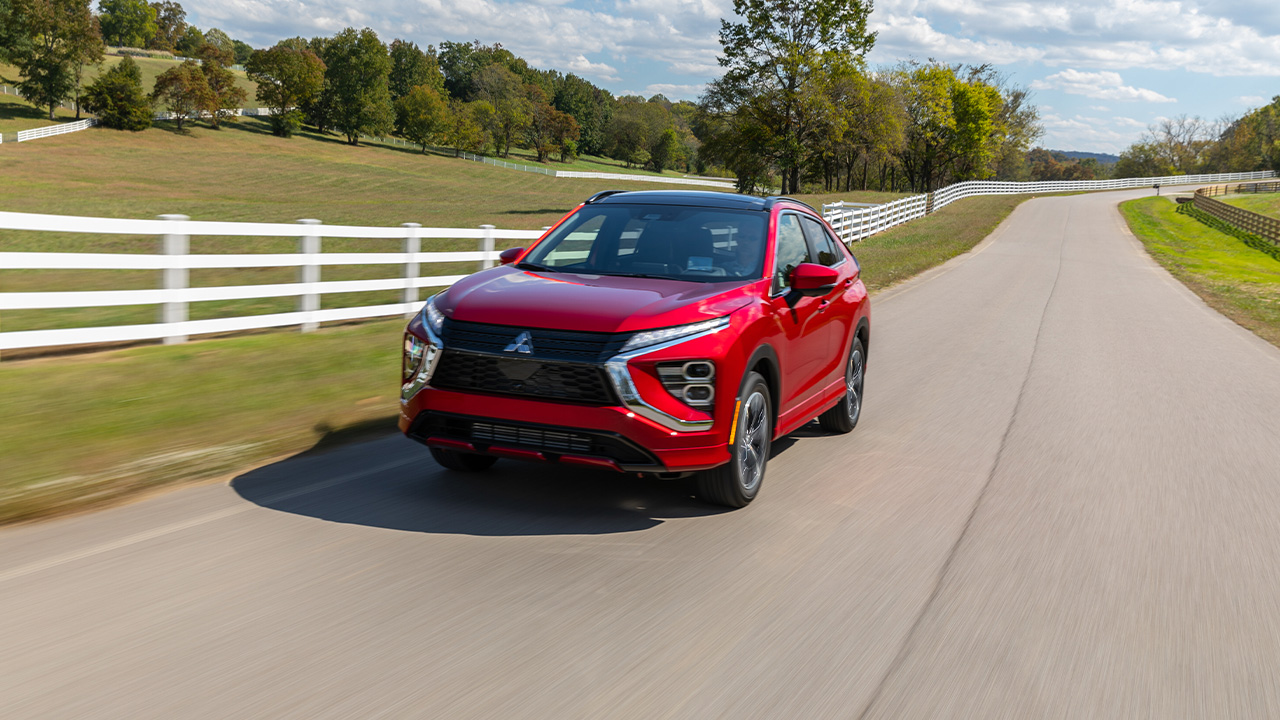
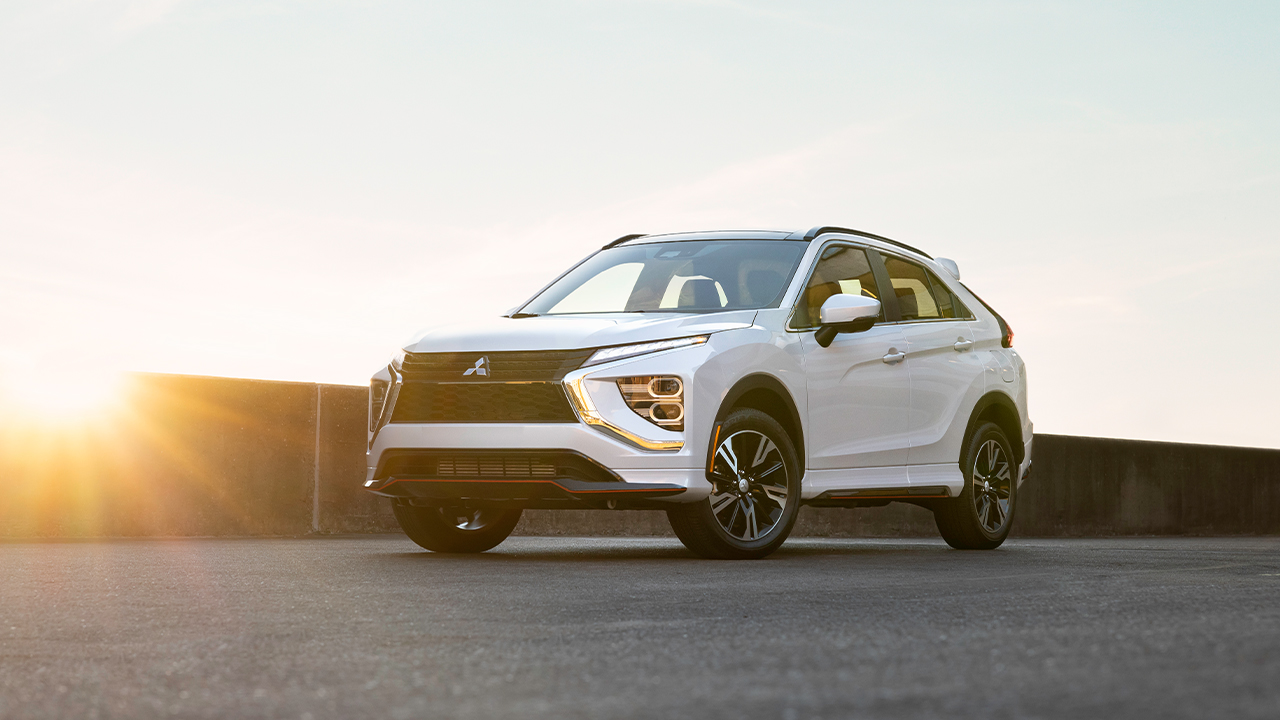
Mitsubishi is a confused mess right now, and it’s been that way for years. A few years ago, Mitsubishi brought back the legendary Eclipse name, only to stick the badge on the back of a small crossover SUV, which was closely related to the ASX (Outlander Sport in North America), sharing Mitsubishi’s GS-platform roots, but positioned as a distinct model with different proportions and packaging.
This became a hugely controversial move among enthusiasts and automotive media, and while nobody really saw this as a positive thing, other automakers would soon join in on the fun. Actually, “fun” probably isn’t the right word to use here. Shambles, maybe.
More Named-for-Irony Crossovers
One of the most recent examples of this is Ford. Ford of Europe entered a strategic alliance with the Volkswagen Group covering commercial vehicle platform sharing and the use of VW’s MEB electric vehicle architecture.
The Explorer EV is a compact/mid-size electric crossover for Europe built on VW’s MEB platform, and it confusingly uses the name of another Ford SUV, but due to its relative faithfulness to the source material, we’ll give that one a pass.
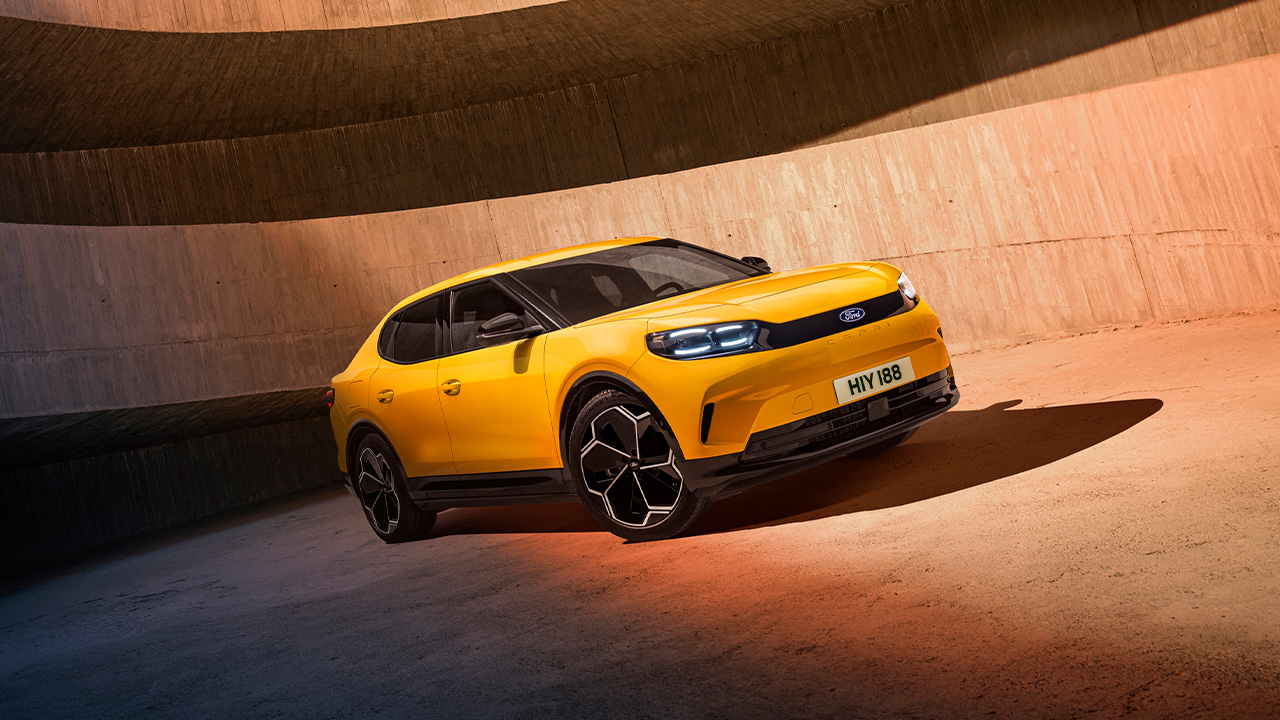
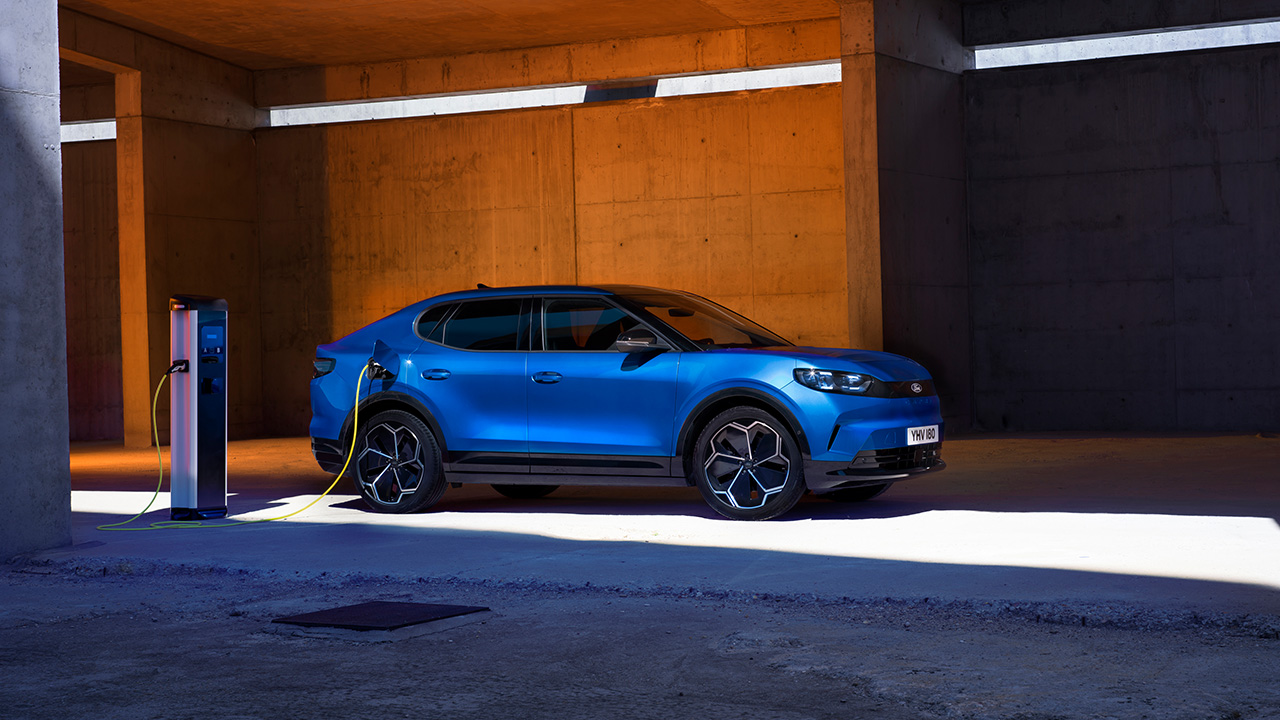
Ford’s latest electric crossover cannot be forgiven, though. It has been named Capri after the brand’s RWD sports car, which was sold from 1969 through 1986.
This is a very sensitive topic in Europe, and especially the UK, so I’ll leave you to imagine the outcry from enthusiasts all over the continent. To add insult to injury, the new Capri is also not particularly attractive, and as far as its Capri-inspired styling traits go, well, they don’t work in the slightest.
Despite having a Ford badge, it also doesn’t have much to do with Ford at all, as it’s closely related to the Volkswagen ID.5, sharing VW’s MEB platform and major EV hardware.
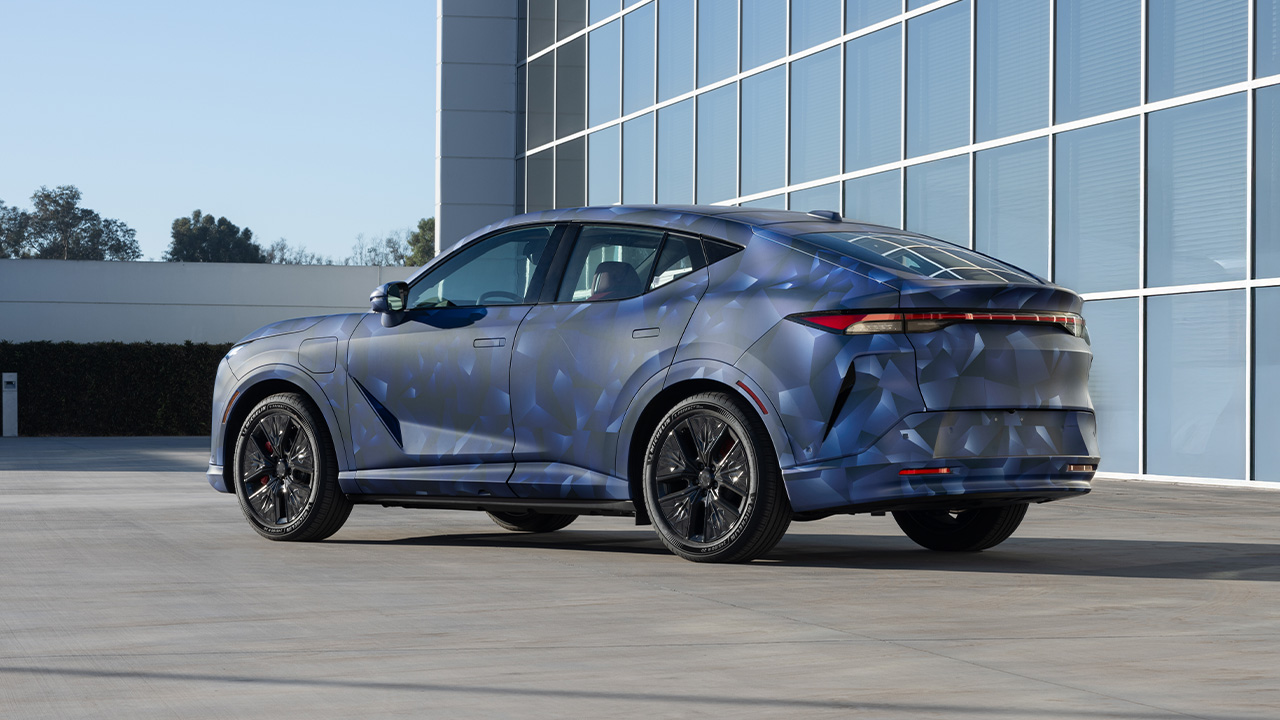
Ford also did this with the Puma, a small sports car from the late 90s that was based on the Fiesta. Granted, the latest Puma is also based on the Fiesta, but again, it’s a crossover, and it’s now the smallest Ford passenger car available in many European markets since the Fiesta was, rather boneheadedly, discontinued.
This trend doesn’t seem to be slowing down anytime soon. There have been recurring rumors and speculative reports about the TT name returning in some electrified form, but nothing has been confirmed, and recent reporting points more toward an electric sports-car-style successor than a TT-badged crossover, though it now seems very unlikely.
There’s been speculation that the Camaro name could return in an electrified form, and reporting has suggested GM has explored expanding the Corvette brand into additional body styles, but none of this is confirmed Very recently, Acura has confirmed the return of the RSX nameplate on an all-electric SUV/crossover due in 2026. What’s even more confusing about that is that Acura actually did things the right way when it brought back the Integra. In Europe, Lancia has announced plans to revive the Gamma as a new flagship built on Stellantis’ STLA Medium platform (hybrid and electric), with production starting in 2026, widely expected to be crossover/fastback-like in form, and the list goes on and on.
We Get it, But We Also Don’t
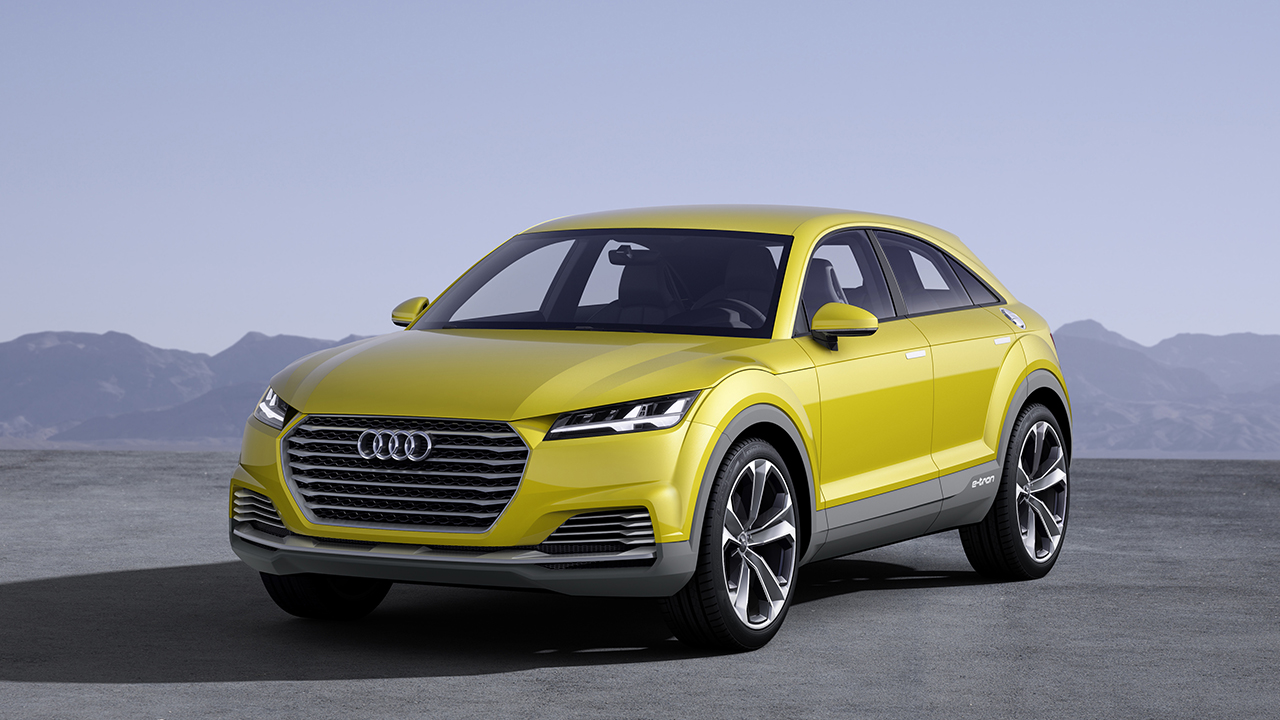
It’s important to say that we get it. We understand why automakers are doing this. People want crossovers, and people want cars with cool historic names, so why not combine the two and make double the profit? Crossovers sell, and cool names that invoke extreme feelings of nostalgia and enthusiasm also sell.
There, in fact, lies the clue as to why we also don’t get it. The car doesn’t need to have a legacy name on the back, because it’s a crossover, people are gonna buy it either way.
Crossovers are, for better or worse, here to stay, and nobody will stop buying them anytime soon. Why does it matter if it’s called the Audi TT or the Audi Q2 Sportback or something similar? It’s an Audi crossover; it will absolutely sell!
If the nameplate is brought back along with the same type of car, it might not do so well. Especially if said car is a two-door sports car.
Still, automakers need to slow down or just completely stop doing this. If they know the car won’t sell, just let the name rest and honor it. Just don’t put it on a crossover; it doesn’t belong there, and it doesn’t need to be there. It really is blasphemy.