Renault has demonstrated that competing against China’s fast-growing electric vehicle brands does not necessarily require aggressive discounting. Instead, the French automaker has focused on selling more profitable vehicles while keeping costs under control.
The strategy appears to be paying off. Despite selling slightly fewer vehicles during the first half of 2026, Renault increased its revenue and returned to profitability in an increasingly competitive European market.
The results come at a time when Chinese manufacturers continue expanding across Europe with affordable electric crossovers and hatchbacks, placing significant pressure on established brands to lower prices and protect market share.
Rather than joining a race to the bottom, Renault has adopted a different approach by ensuring every new electric vehicle contributes to the company’s bottom line while investing heavily in cost reductions behind the scenes.
Higher-Value EVs Drive Stronger Financial Results
Renault sold just over 1.165 million vehicles globally during the first six months of 2026, representing a slight decline in overall volume. However, revenue climbed by approximately 9.5 percent as the company benefited from selling a greater proportion of higher-value electrified vehicles.
Electrified models now account for around 52 percent of Renault’s European sales, while fully electric vehicles represent 18.8 percent of the group’s global volume. Deliveries of battery-electric Renault models increased by more than 60 percent compared with the same period last year.
Instead of chasing outright sales volume, Renault has concentrated on improving the value of each vehicle it sells. That approach has allowed the company to generate stronger returns even as overall registrations remained largely unchanged.
Every New EV Must Be Profitable
A key part of Renault’s strategy is a strict internal requirement that every new electric vehicle must be capable of matching the profitability of the company’s full-hybrid models.
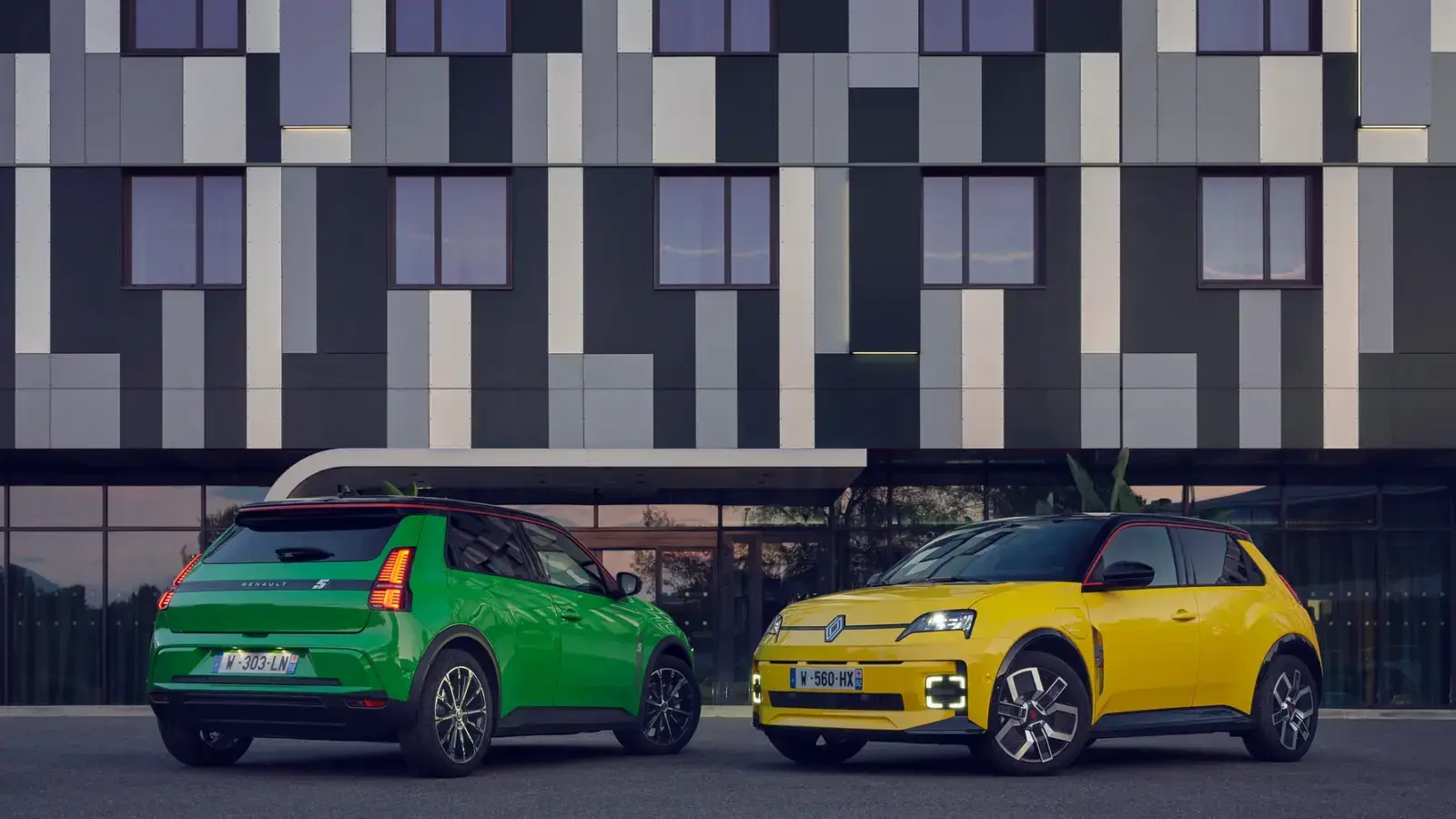
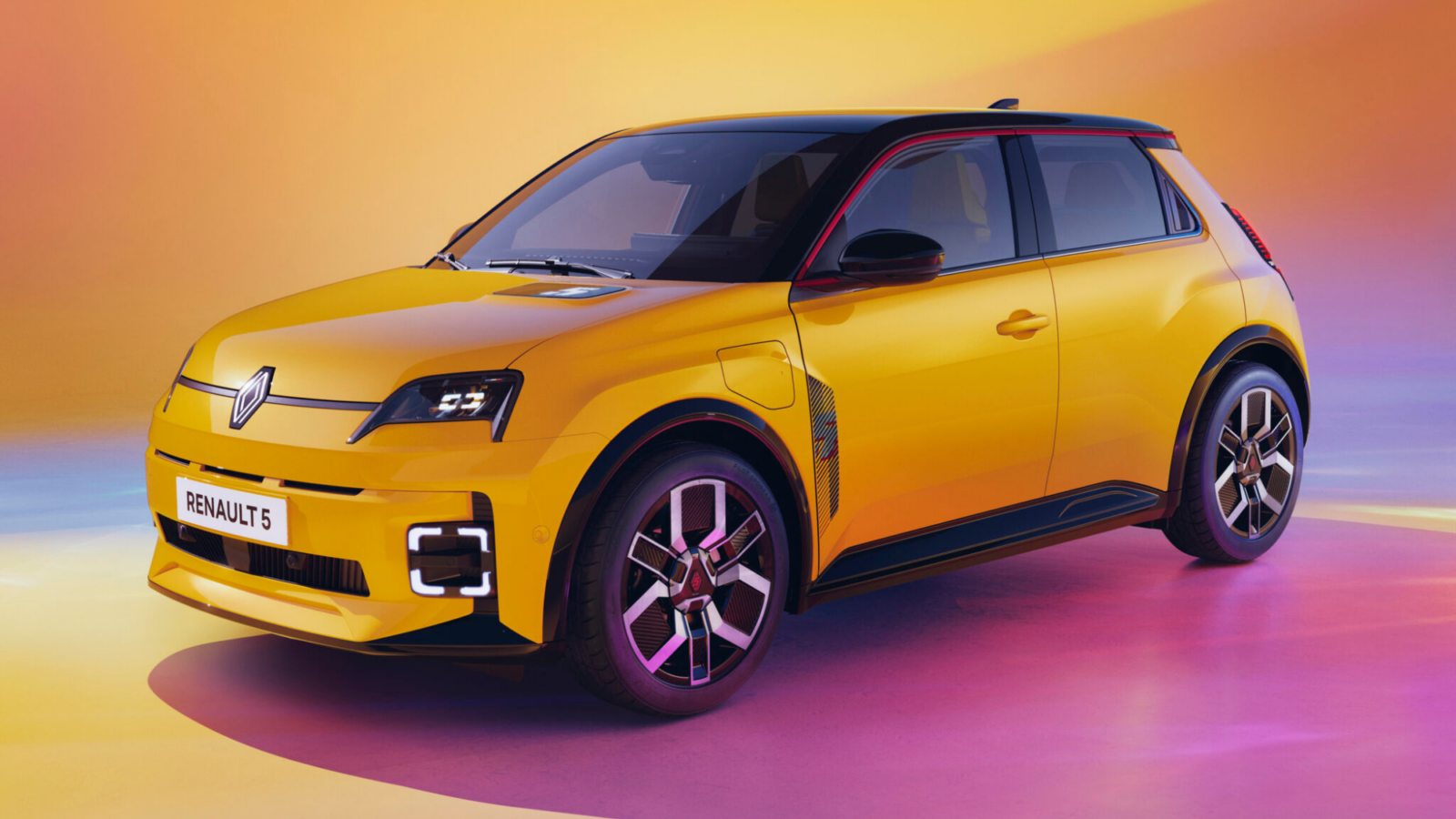
That policy applies to vehicles including the Renault 5 E-Tech, Renault 4 E-Tech and the upcoming Twingo EV. Rather than producing loss-making electric cars simply to satisfy emissions targets, Renault says every model must stand on its own financially.
The company believes this gives it the flexibility to avoid excessive discounts while maintaining pricing discipline. Instead of reacting to every price reduction from competitors, Renault is prioritizing sustainable profitability over market share.
Cutting Costs To Stay Competitive
Chinese automakers continue expanding across Europe’s affordable EV segment, while manufacturers such as Stellantis are also introducing lower-priced electric models that intensify competition.
Renault’s response has been to remove costs throughout its business instead of sacrificing margins. After achieving roughly €400 in variable cost savings per vehicle by 2025, the company is now targeting a similar level of structural savings over the coming years.
Those savings will come from streamlining engineering operations, reducing platform complexity, and increasing the use of shared components across Renault, Dacia, and Alpine models. Lower production costs give the company more flexibility to compete without dramatically reducing vehicle prices.
A Different Blueprint For Europe’s EV Market
Renault’s strategy reflects the changing dynamics of the European automotive industry. Battery-electric vehicles now account for more than one-fifth of new registrations across the EU and EFTA, while Chinese brands continue gaining ground with competitively priced models.
Instead of trying to match low-cost rivals on price alone, Renault is betting that attractive products, disciplined pricing, and efficient manufacturing will deliver stronger long-term results. Vehicles such as the Renault 5 E-Tech and Scenic E-Tech have become important parts of that strategy by helping increase the company’s electrified sales mix without sacrificing profitability.
The company’s recent financial performance suggests that approach is working. By focusing on higher-value vehicles, reducing production costs, and refusing to sell electric cars at a loss, Renault has shown that traditional automakers can remain competitive even as pressure from Chinese manufacturers continues to grow across Europe.