
When Ram CEO Tim Kuniskis admits he still slips and says, “Dodge Ram”, he’s being candid, but he’s also pointing to one of the more amusing branding quirks in the automotive world right now.
Despite more than 16 years passing since Dodge and Ram officially split into separate brands under Stellantis, plenty of people still treat them like one. That fact might sound like a marketing nightmare until you hear Kuniskis explain why he thinks it’s actually kind of endearing and, maybe, completely irrelevant to most truck buyers.
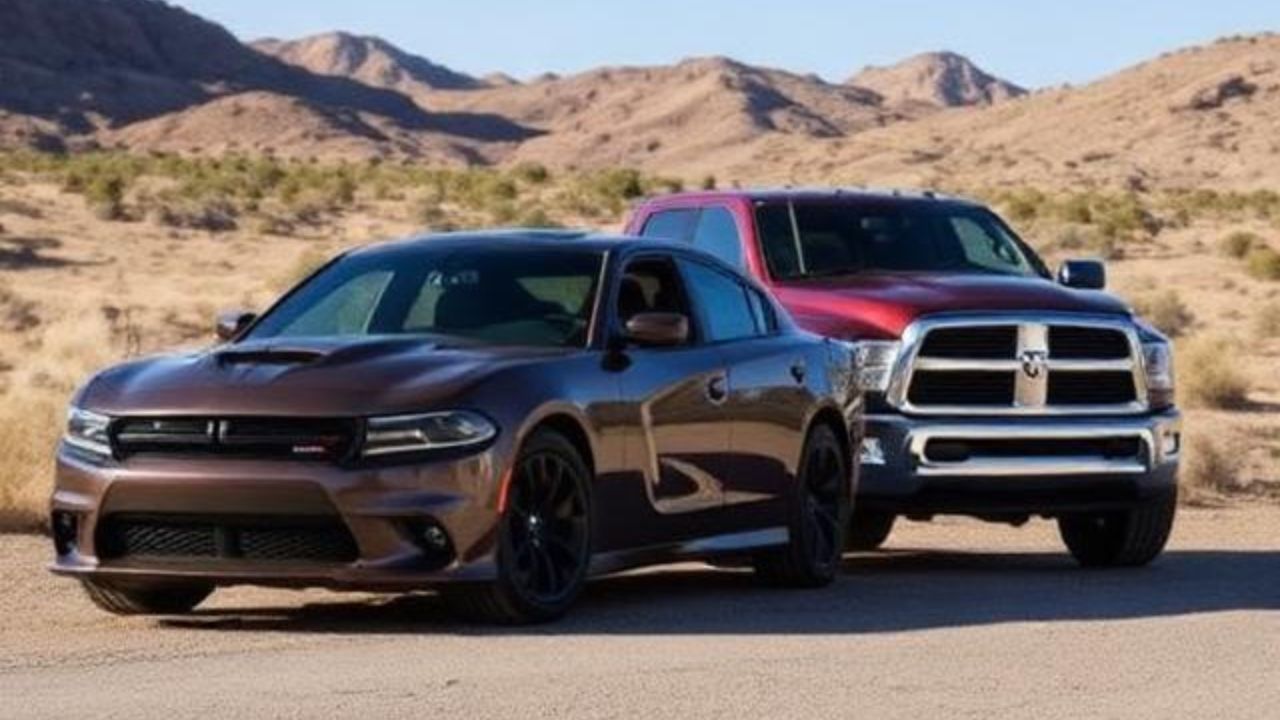
Back in 2009, then-Chrysler boss Sergio Marchionne made the controversial decision to take Ram trucks out of Dodge and let them stand on their own. Dodge would chase muscle cars, SUVs, and minivans, while Ram focused on pickup trucks and commercial haulers.
Splitting the two icons was supposed to help each brand sharpen its message and appeal to its core audiences. But if you ask most folks parking their big pickup in a Walmart lot, you might be forgiven for thinking that never really stuck. “Dodge Ram” still rolls off lips like a nostalgic catchphrase.
A Confession from the CEO
Kuniskis, who once ran both brands, was recently asked on the sidelines of the Detroit Auto Show whether the two should ever be officially reunited. His answer was refreshingly relaxed. He pointed out that Ram and Dodge already live under the same corporate roof at Stellantis and that pulling them back under one badge would likely be met with a shrug from customers.

In his words, people might say “I thought it already was.”
That attitude underscores something important about the modern truck buyer. Most aren’t obsessed with corporate structures or brand hierarchies. They care about capability, value, engine options, and whether the thing will haul their toys or tow their camper without fuss.
Ram’s rugged reputation, built over years of dominating full-size pickup sales, speaks louder than brand architecture ever could.
The Sales Gap Tells the Tale
Ram’s recent sales figures only emphasize the divergence between the two marques. In 2025, Ram moved a hefty 431,670 vehicles in the U.S., while Dodge notched just over 101,000 units. That gap tells a story beyond brand identity.
Ram is thriving in its niche, while Dodge has struggled with a shrinking lineup and sagging relevance. Some industry insiders even wonder whether Dodge needs to lean harder into performance EVs or classic muscle to reignite interest.
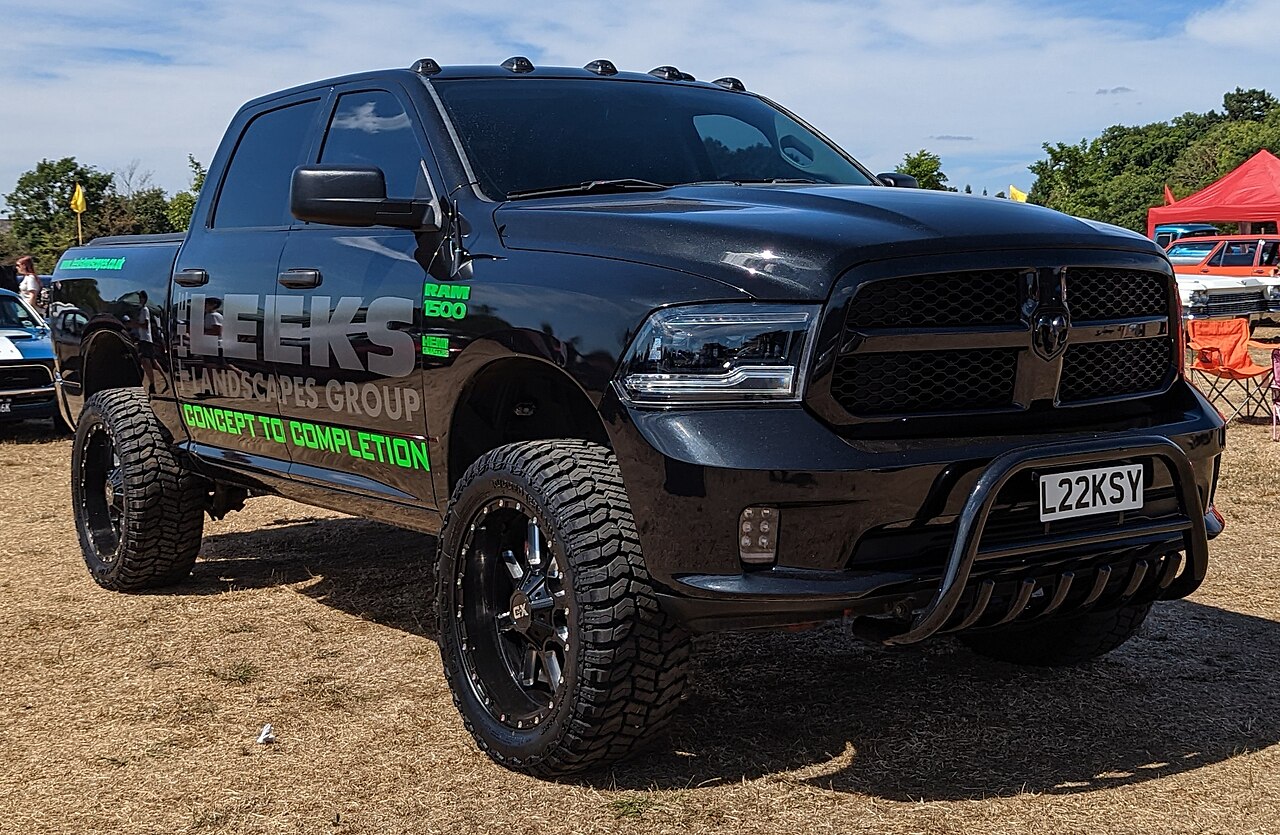
The fun part is how this all ties back to Ram’s recent product strategy. Kuniskis is unapologetically old-school when he talks about engines and heritage. Ram recently brought back the iconic Hemi V8 for its 1500 lineup after briefly moving away from it.
That move was a direct response to customer demand, and it shows how much passion there still is for traditional powertrains among loyal buyers. With Hemis now returning to take their place beside turbocharged inline-sixes, Ram has leaned into that heritage while still embracing modern tech and efficiency where it makes sense.
Does It Even Matter?
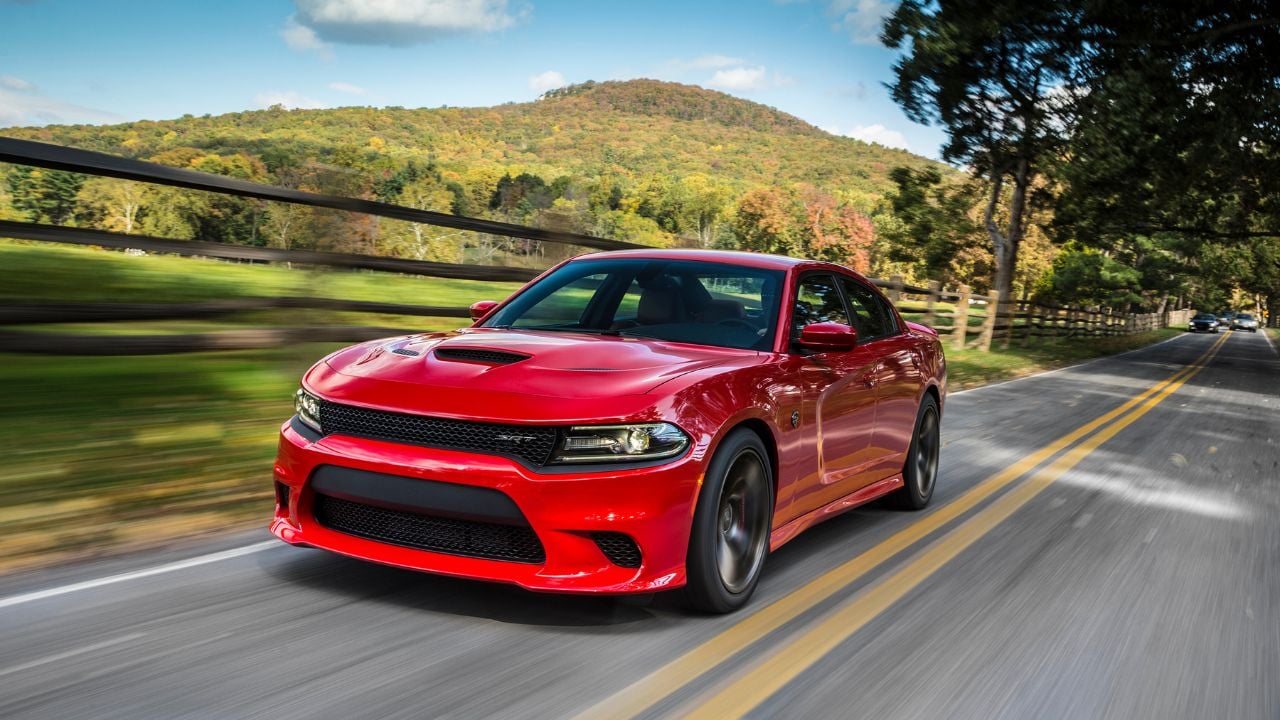
There’s even a bit of playful irony in Kuniskis’s comment about the Dodge-Ram confusion. In their hearts, many enthusiasts might want the two brands to reunite. But that wouldn’t be because the marriage would change anything mechanical, but because it would validate what they’ve been saying all along.
If Ram ever officially added the Dodge nameplate back on trucks, it would just confirm decades of habit. And if customers don’t care, as Kuniskis suspects, then perhaps it’s never been about branding at all. Identity, maybe?
Now, let’s part ways by saying that Kuniski’s casual stance on brand reunification allows Stellantis to focus on what truly moves the needle. Ram is pushing forward with exciting products like the high-performance TRX and expanding warranty coverage to reassure buyers.
Meanwhile, Dodge might lean into its muscle car legacy or forge new paths in electrification. Either way, the fact that people still talk about Dodge and Ram like they’re one shows how deeply these names are woven into automotive culture. No second marriage needed.