
When you think Volkswagen, your mind probably goes straight to the Golf or the Beetle. But VW’s history is filled with wonderfully unusual experiments that pushed boundaries and raised eyebrows. From amphibious vehicles to futuristic hyper-efficient concepts to electric microbuses, the German automaker has never been afraid to color outside the lines.
These models showcase VW’s willingness to explore new ideas and create vehicles that genuinely stand out.
Let’s take a joyride through some of the most unconventional Volkswagens ever produced — each proving that sometimes the best ideas start with a little creative boldness.
Volkswagen Type 181 “Thing”
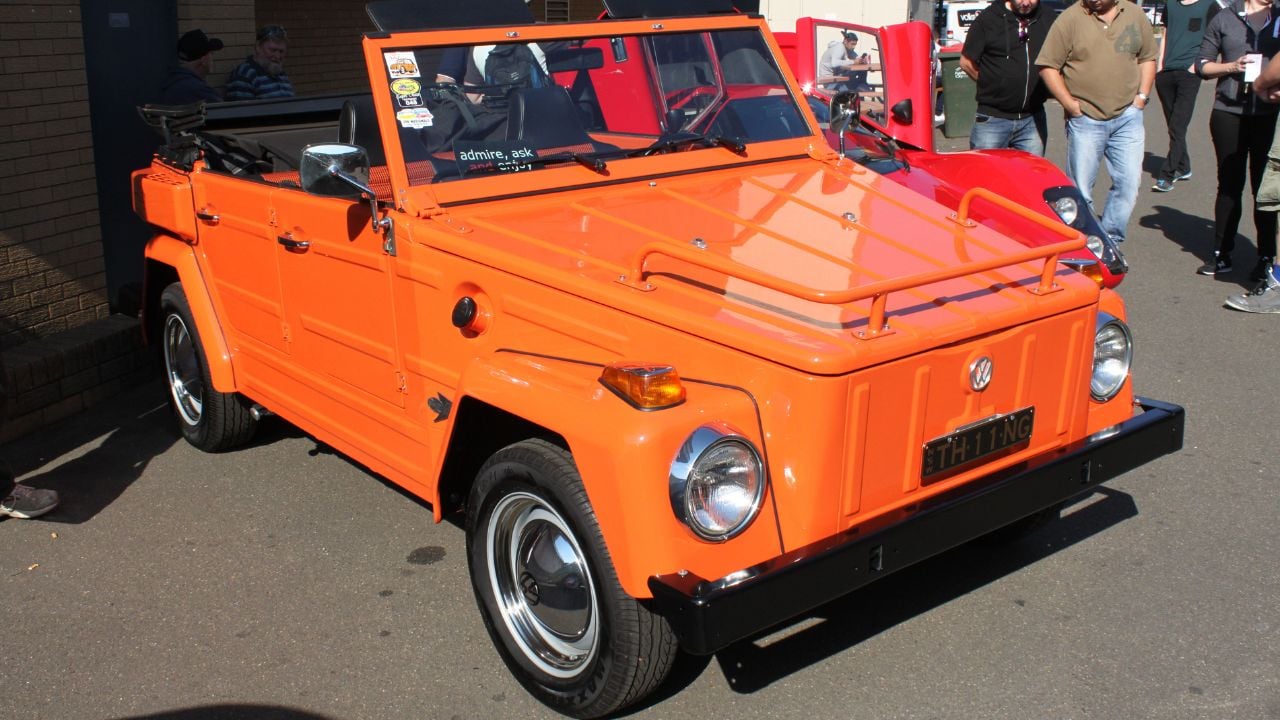
The Thing might be the most aptly named vehicle in automotive history. This utilitarian machine was originally developed for military use and later adapted for civilians. It featured fold-down windshields, removable doors, and a hose-friendly interior — all powered by familiar Beetle mechanicals.
About 90,000–100,000 were built worldwide, with roughly 25,000 sold in the U.S. Today, clean examples enjoy strong enthusiast demand thanks to their charm and durability.
Volkswagen ID. Buzz

The ID. Buzz reimagines the classic Microbus for the electric era. The U.S.-spec long-wheelbase version arrives for the 2025 model year with an EPA-estimated up to 234 miles of range (final ratings vary by configuration). It offers space for up to seven passengers and blends retro design with modern EV tech.
The ID. Buzz is one of those rare modern vehicles that brings a smile before you even step inside.
Volkswagen Schwimmwagen

Long before crossovers claimed rugged capabilities, VW engineered a fully amphibious vehicle. The Schwimmwagen used Beetle-based components, a four-wheel-drive system, and a rear-mounted propeller for water travel.
Around 15,000 were built during WWII, making it the most produced amphibious car in history. Today, surviving examples are prized for their engineering significance and uniqueness.
Volkswagen Phaeton

The Phaeton was VW’s grand leap into the luxury sedan segment, built with exceptional craftsmanship at the “Transparent Factory” in Dresden. It offered features like available W12 power, air suspension, and advanced climate controls.
While praised for its build quality, the challenge was convincing U.S. buyers to purchase a $70,000-plus Volkswagen. U.S. sales ended after 2006, though it continued overseas for a decade. The Phaeton remains a fascinating example of engineering ambition.
Volkswagen XL1
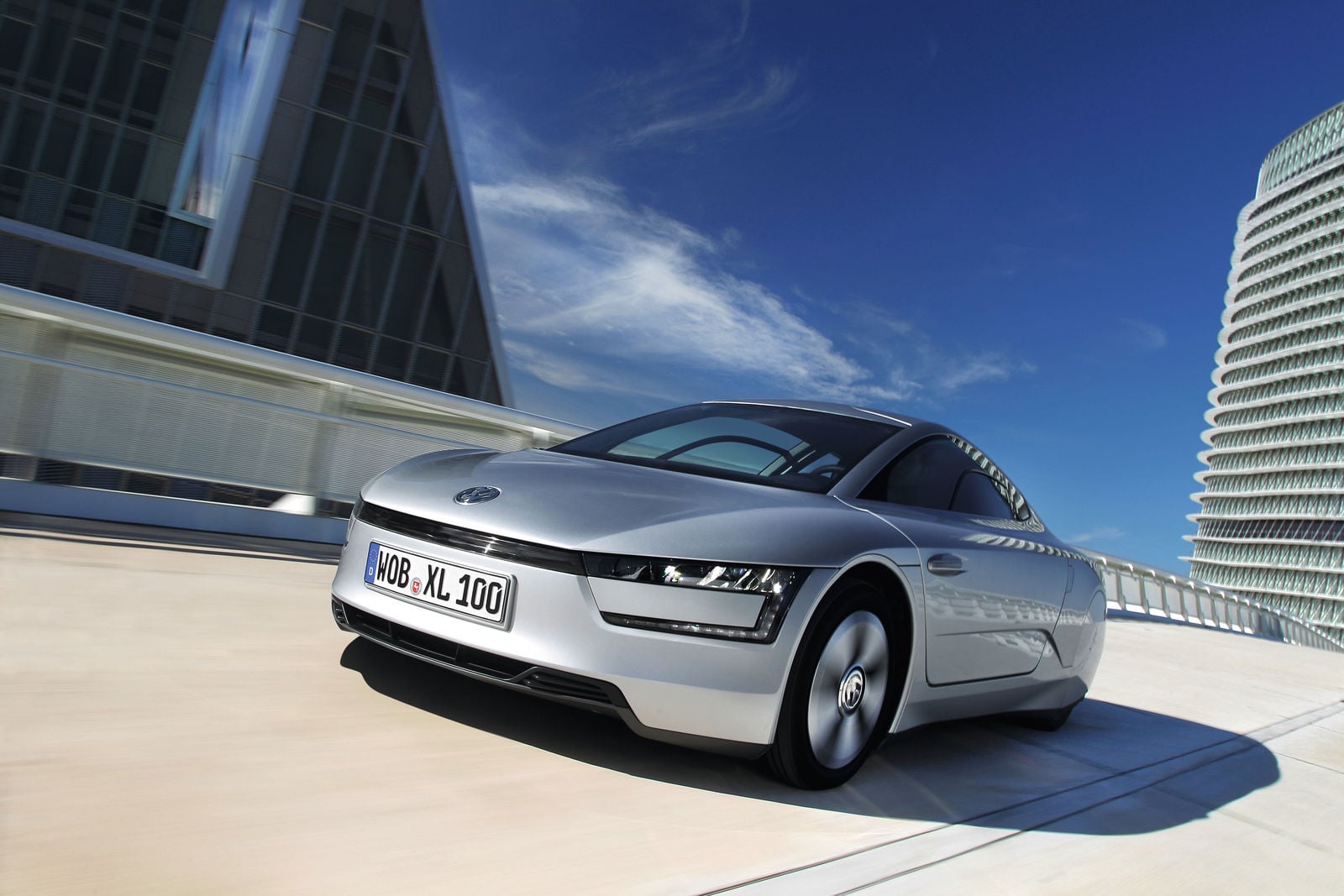
The XL1 looked like a concept car brought to life, and in many ways it was. Built as a limited-run efficiency showcase, it used a diesel-electric plug-in hybrid system and advanced carbon-fiber construction.
Its European certification of 0.9 L/100 km translates to about 261 mpg using the NEDC cycle. Only around 200–250 units were produced, and none were officially sold in the U.S.
It stands as one of the most aerodynamic production cars ever, with a drag coefficient of 0.189.
Volkswagen Corrado

The Corrado remains one of VW’s most beloved sporty coupes. Highlights included its active rear spoiler, which deployed automatically at speed, and the introduction of the narrow-angle VR6 engine.
Nearly 97,000 were built in total. While it never achieved high sales, the Corrado developed a devoted following thanks to its handling and design.
Today, well-kept examples are increasingly sought after.
Volkswagen Type 2 / Microbus Deluxe
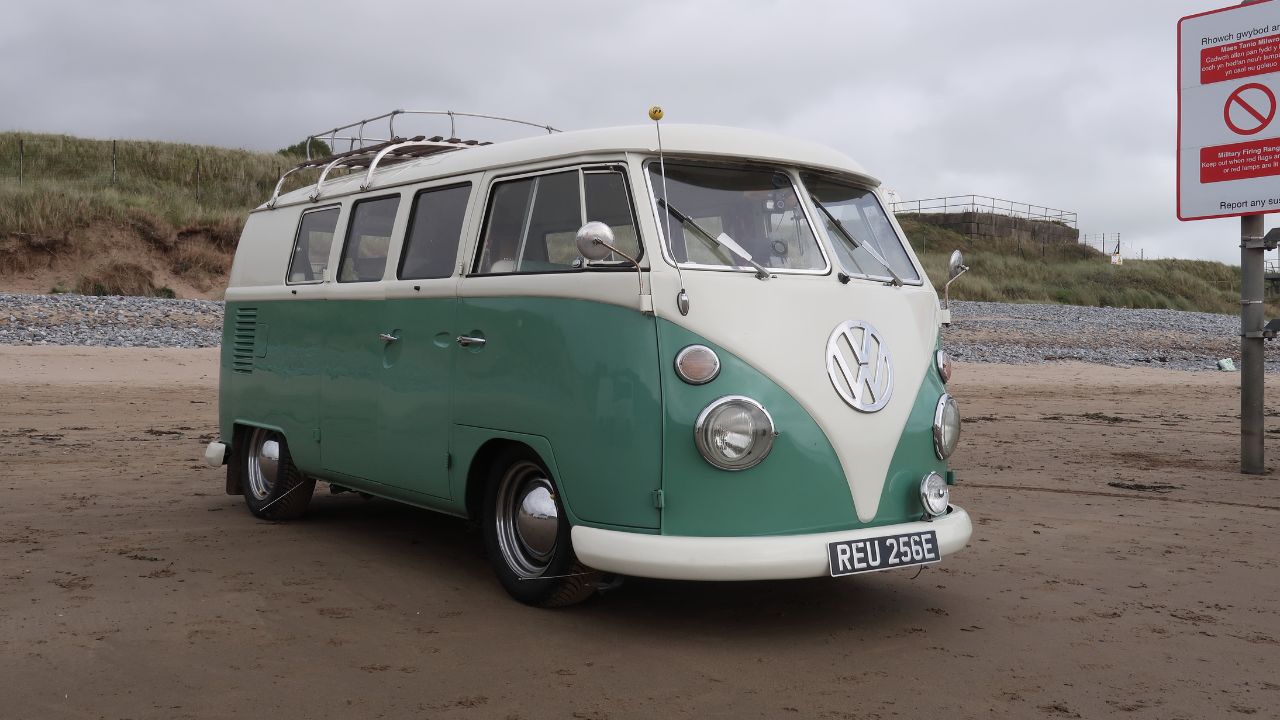
The original Microbus — especially the early split-window Deluxe — became an icon of global car culture. Its air-cooled rear engine, modular interior, and practical packaging made it suitable for families, businesses, and adventurers alike. Power was modest, but versatility and charm were unmatched.
During the Type 2’s long production run (well beyond 1967 in various global markets), millions were built. The split-window Deluxe remains one of VW’s most collectible classic vehicles.
Volkswagen Rabbit GTI

The first-generation U.S.-market GTI helped popularize the hot-hatch formula in America. Although slightly different from the European Golf GTI, it carried the same spirit: light weight, responsive handling, and accessible performance.
Its 90-hp engine paired with a curb weight of around 2,000 pounds made it genuinely lively for its time. Roughly 22,000 were sold in the U.S., and early GTIs remain enthusiast favorites.
Volkswagen Eos (2006–2015)
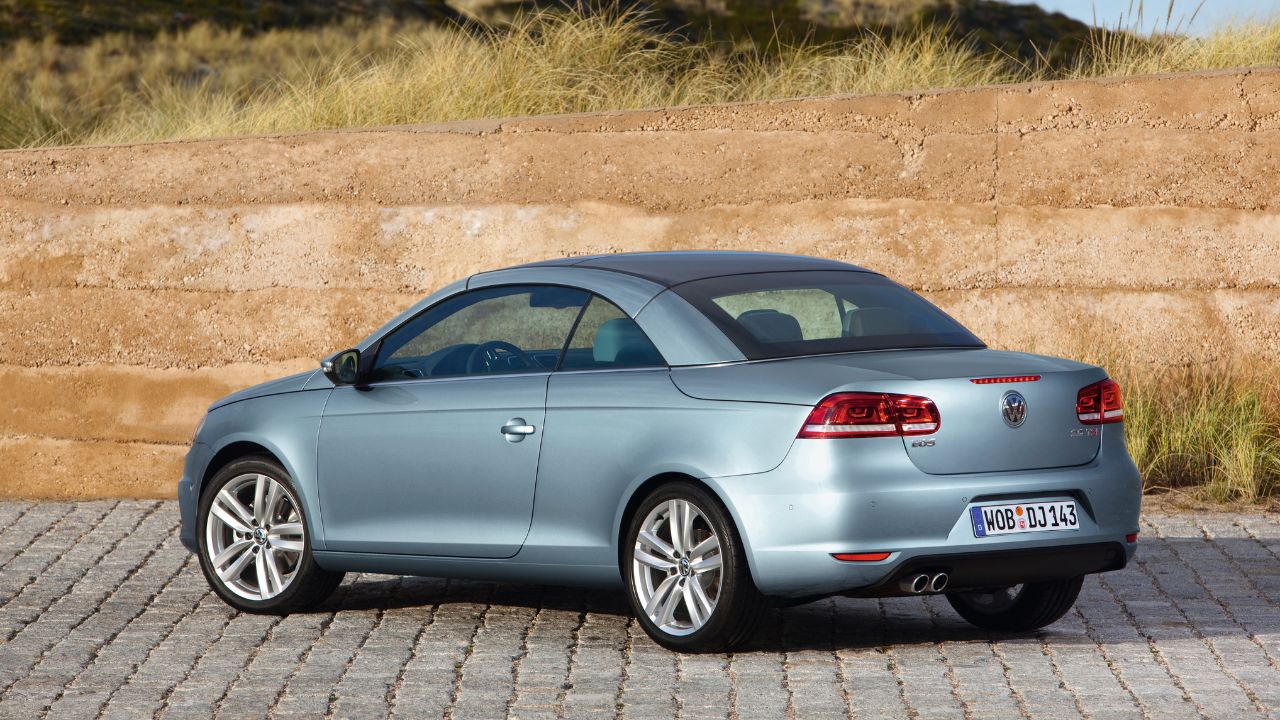
The Eos offered a rare combination: a convertible with a complex folding hardtop that included an integrated sliding sunroof. This innovative five-piece mechanism allowed both coupe-like comfort and open-air driving.
Built on the Golf platform, the Eos featured smooth engines including a turbocharged four-cylinder. While the roof mechanism required precise maintenance, the engineering creativity behind it was impressive.
For many buyers, it delivered year-round usability with true convertible fun.
Volkswagen Karmann Ghia
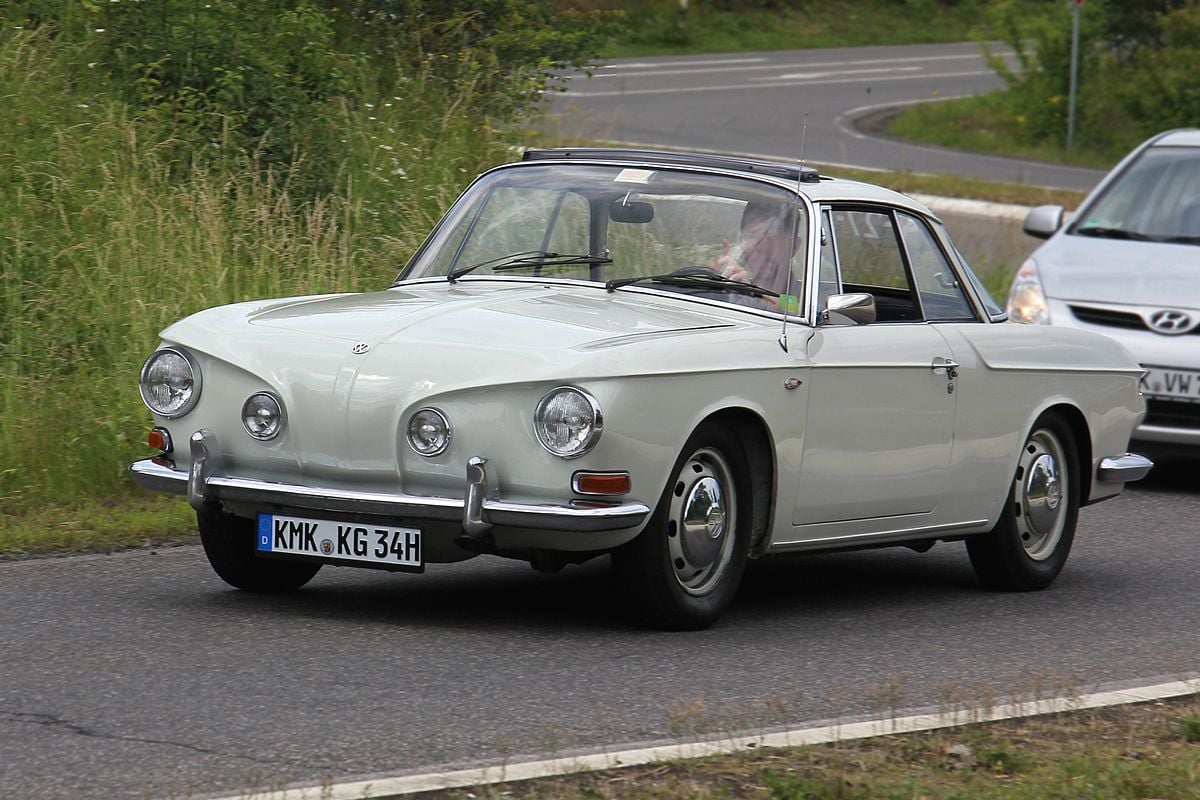
The Karmann Ghia blended everyday Beetle mechanics with elegant styling from Italy’s Carrozzeria Ghia and craftsmanship from Karmann. It wasn’t built for outright speed, but its design earned worldwide admiration.
Over 445,000 coupes and convertibles were produced. Today, the Karmann Ghia is celebrated as one of VW’s most stylish classics, offering timeless looks with approachable ownership.
Volkswagen Touareg V10 TDI

The V10 TDI Touareg was a bold engineering statement. Its 5.0-liter twin-turbo diesel produced 310 hp and 553 lb-ft of torque, enabling confident towing and strong low-end power. In the U.S., it was sold through 2008, prior to wider diesel regulation changes.
The V10 was unique to the Touareg in North America (not shared with the Audi Q7 here). Its combination of capability and refinement made it one of the most memorable Touaregs.
Volkswagen SP2
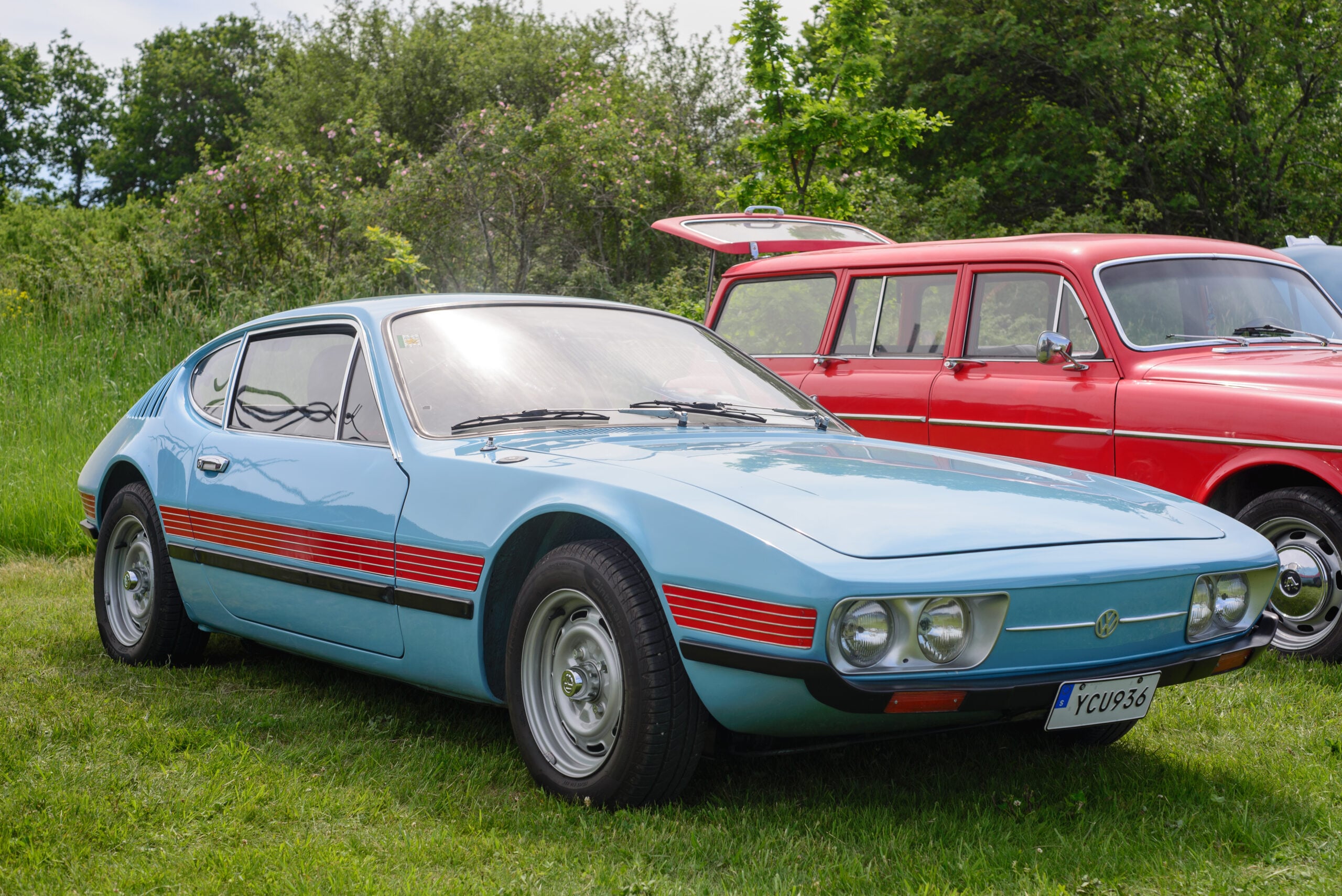
Built exclusively in Brazil by Volkswagen do Brasil, the SP2 showcased regional creativity within VW. It featured sleek sports-car styling over rear-engine Beetle-derived mechanicals, producing modest but usable performance from a 1.7-liter engine.
Only about 10,200 were made, and the model was never exported to the U.S. The SP2 remains a celebrated piece of Brazilian automotive history.
Conclusion

Volkswagen’s more unusual creations highlight the company’s willingness to explore fresh ideas and embrace innovation. While not all became mainstream hits, each one contributed something unique to the automotive world.
From amphibious engineering to hyper-efficiency experiments to modern EV reinterpretations, these vehicles show that practicality and creativity can coexist. Whether iconic or obscure, they all illustrate how VW has never been afraid to try something different.
The next time you spot a restored Type 181 or catch a glimpse of an ID. Buzz, it’s a reminder of just how rich and varied Volkswagen’s history truly is.