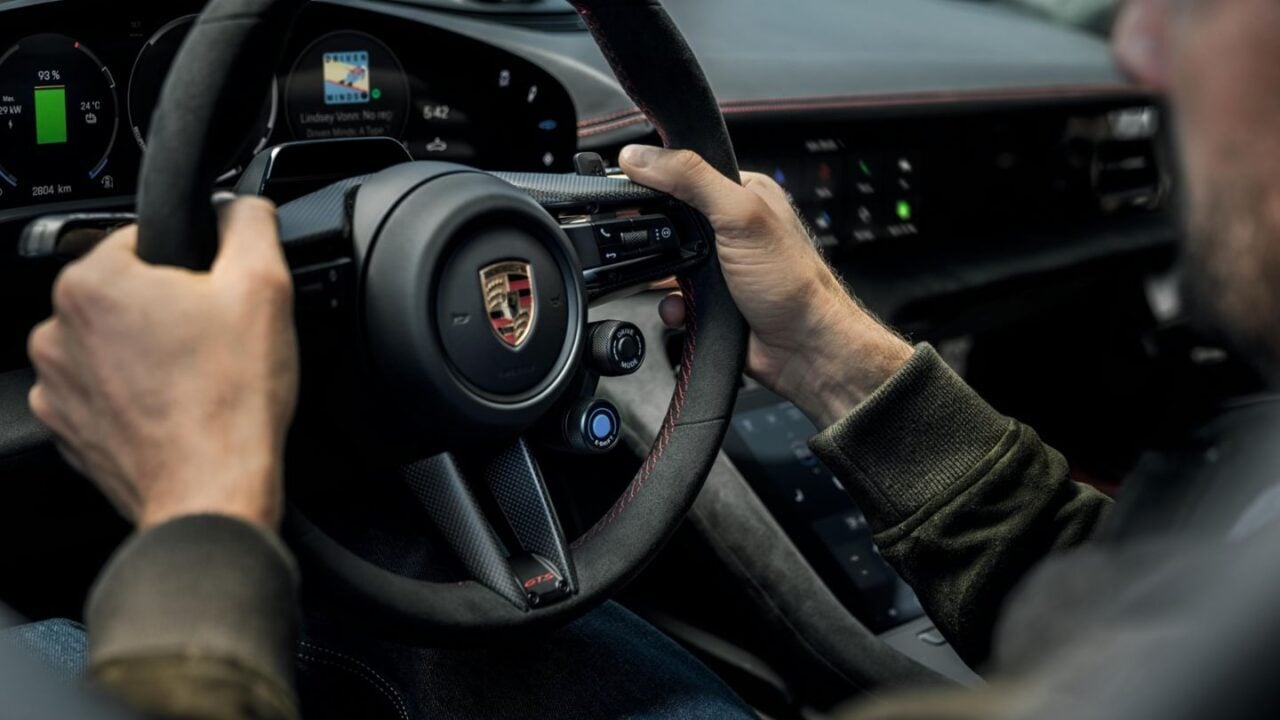
Porsche is exploring a radical new powertrain concept that could blur the lines between several types of electrified vehicles. A recently uncovered patent reveals a system capable of operating as a battery-electric vehicle, a range-extended EV, and a traditional hybrid, all within the same drivetrain.
The concept reflects the uncertainty many automakers face as emissions regulations tighten while customer demand remains divided between electric and combustion-powered vehicles. Rather than choosing a single direction, Porsche appears to be investigating whether one powertrain can satisfy multiple use cases.
At the center of the patent is an unusual combustion engine that features two distinct cylinder banks with different internal designs and purposes. Combined with electric motors and a battery pack, the system could switch between several operating modes depending on driving conditions.
Whether it ever reaches production remains unclear, but the patent offers a fascinating glimpse into how Porsche is thinking about the future of performance and electrification.
A Very Unusual Engine Design
The most intriguing element of the patent is the engine itself. While cylinder deactivation technology is already common, Porsche’s proposal takes the concept much further. Instead of simply shutting down selected cylinders when they’re not needed, the company suggests building each bank with different hardware.
One bank would be optimized for performance and operate like a conventional Porsche engine. Patent documents suggest it could utilize technologies such as variable valve timing and variable compression to maximize power and responsiveness.
The second bank would be designed specifically for efficiency. Porsche proposes low-friction components including ceramic bearings and even fewer piston rings to reduce internal resistance when operating in generator mode.
Three Powertrains In One Vehicle
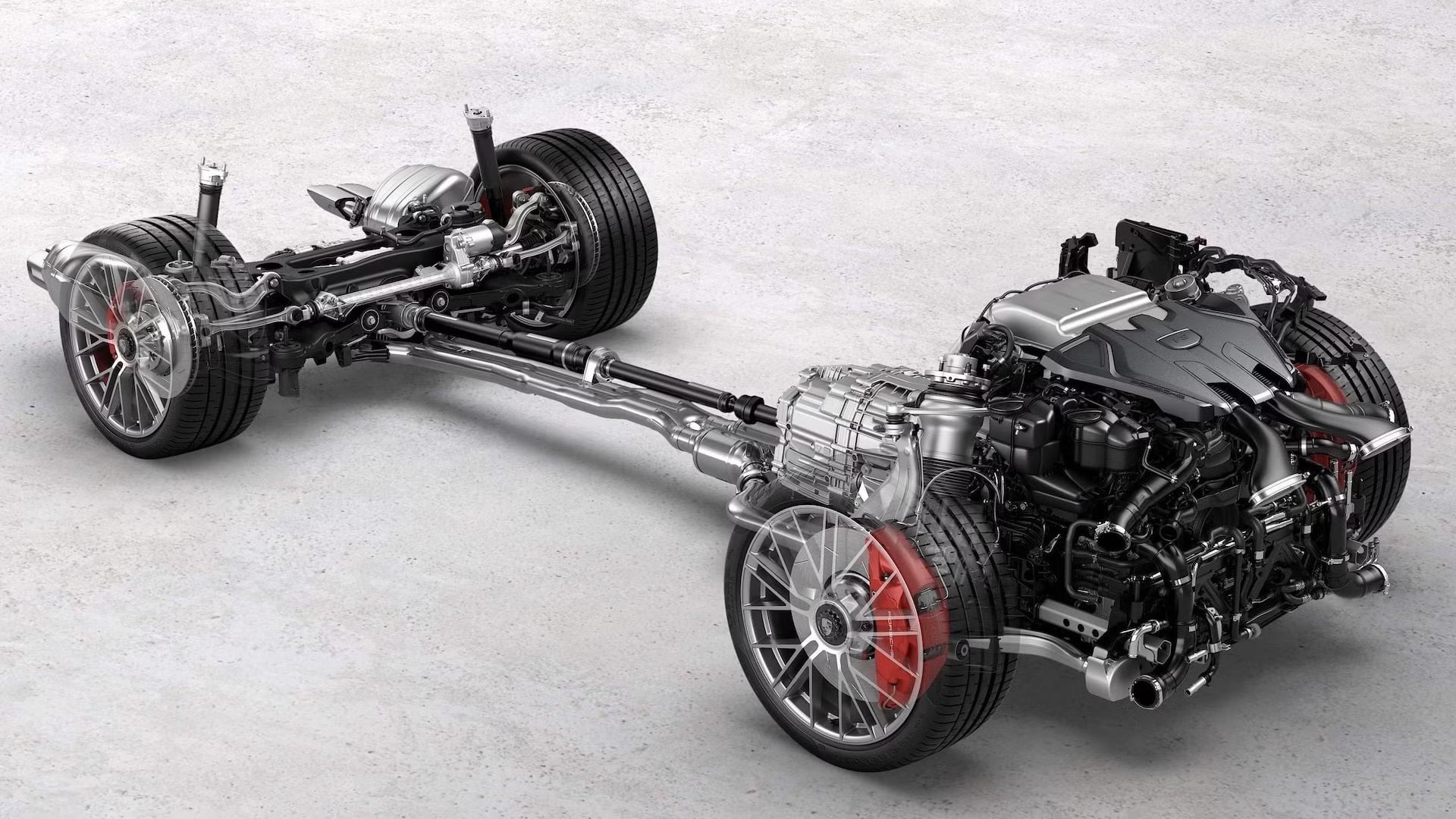
The patent outlines a system capable of functioning in three different ways. In EV mode, the vehicle would operate solely on battery power, with electric motors driving the wheels while the combustion engine remains completely shut down. For daily commuting and short trips, the experience would be similar to that of a fully electric vehicle.
When battery charge begins to drop, the system could switch into range-extender mode. In this configuration, only the efficiency-focused cylinder bank would operate, powering a generator that produces electricity for the battery. The engine would not directly drive the wheels, mirroring the behavior of a traditional EREV.
For maximum performance, the vehicle could transition into hybrid mode. Both cylinder banks would become active, and the engine would send power directly to the wheels while working alongside the electric motors.
Designed To Adapt To Different Driving Needs
The appeal of the concept lies in its flexibility. Drivers seeking a quiet, emissions-free experience could operate primarily on electric power. Those concerned about charging infrastructure could rely on the range-extender capability for longer journeys. Enthusiasts looking for a traditional Porsche driving experience could engage the full hybrid system and benefit from both combustion and electric power.
In theory, the setup could offer the strengths of several different vehicle types without forcing customers to choose one specific powertrain strategy.
That versatility may be particularly attractive as automakers attempt to navigate changing regulations and shifting consumer preferences across global markets.
Complexity And Weight Could Be Major Obstacles
As clever as the concept sounds, the challenges are obvious. A vehicle using this system would require a substantial battery pack, electric motors, power electronics, and a sophisticated combustion engine. The result could be significantly heavier than either a conventional hybrid or a dedicated EV.
Weight has always been a critical consideration for Porsche, particularly when it comes to handling and performance. Adding multiple propulsion systems into a single vehicle could undermine some of the dynamic qualities the brand is known for.
Manufacturing complexity would also be considerable. Designing an engine with two differently optimized cylinder banks would likely increase costs and engineering challenges.
A Glimpse Into Porsche’s Electrified Future
Like all patent filings, there is no guarantee this technology will ever appear in a production vehicle. Automakers frequently patent ideas to protect intellectual property or explore potential future directions. Still, the filing illustrates how seriously Porsche is considering alternatives to a straightforward transition toward fully electric vehicles.
The company already offers hybrid versions of the 911, Cayenne, and Panamera, while the Taycan and electric Macan represent its battery-powered future. This latest patent suggests Porsche is continuing to search for ways to bridge those two worlds.
If the concept ever becomes reality, it could create one of the most versatile powertrains the industry has seen—combining EV, hybrid, and range-extender capabilities into a single package. Whether the benefits outweigh the added complexity remains the biggest question.