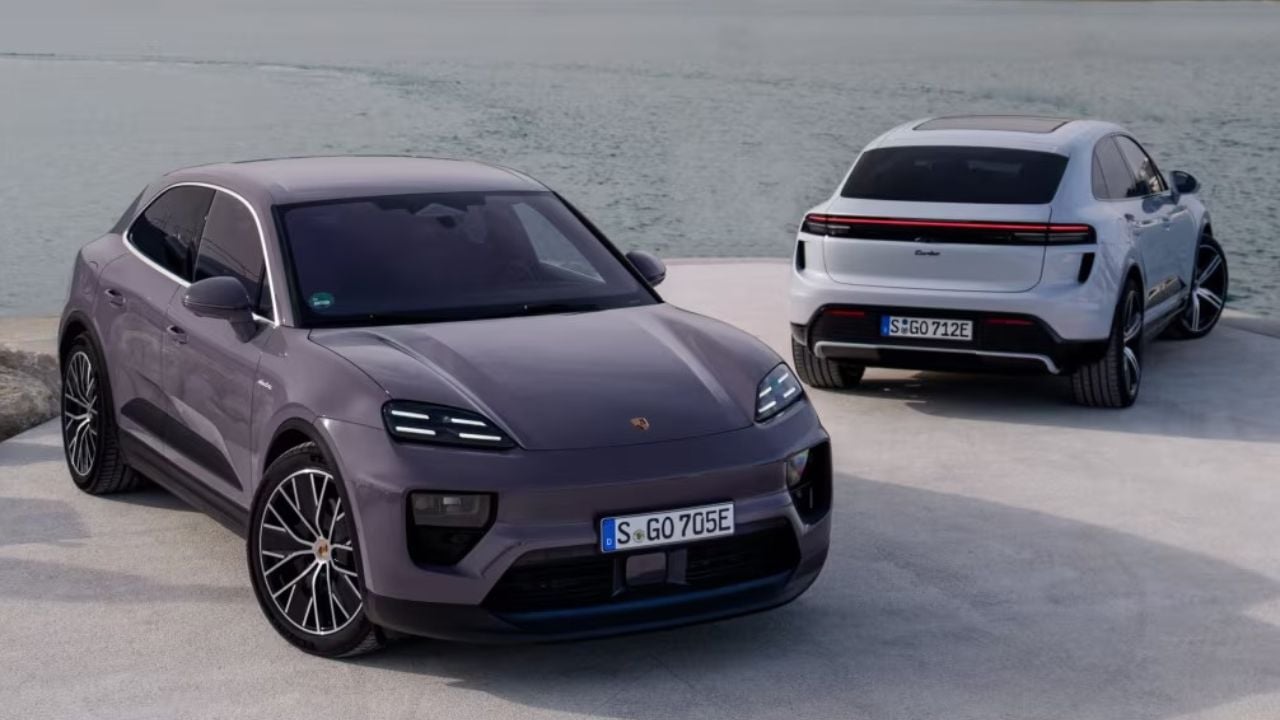
In the industrial heart of Leipzig, Germany, where precision and discipline shape the rhythm of daily production, Porsche is approaching the end of an important era. Over the coming months, the final examples of the first-generation Macan will leave the production line, closing a chapter that lasted more than a decade.
When the Macan debuted in 2013, it quickly became one of Porsche’s key sales pillars. It brought a new generation of buyers to the brand, especially those who wanted Porsche performance and character in a more practical crossover format.
The model received its most recent update in 2021, but even that was not enough to extend its life in Europe. Stricter cybersecurity rules forced Porsche to withdraw the gasoline version from the European Union market in 2024, although production in Leipzig continued for other markets, most notably the United States.
The Electric Macan Was Supposed To Take Over
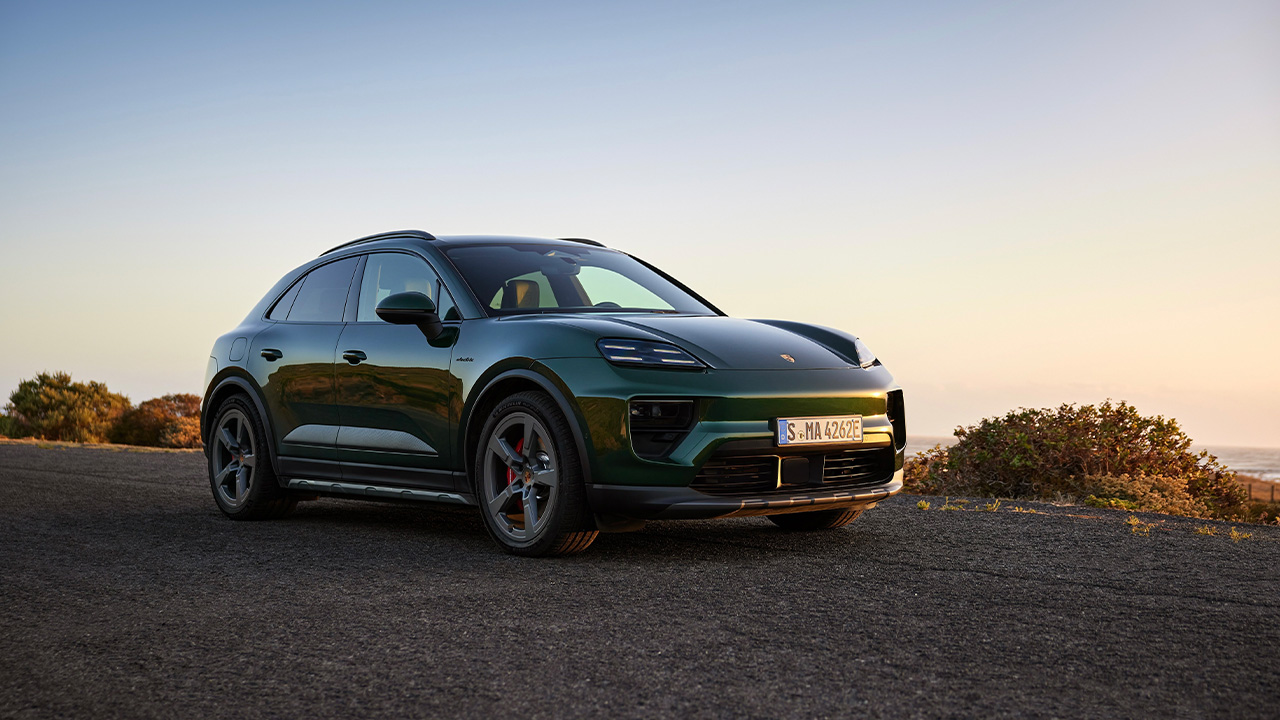
In the same year, Porsche introduced the new battery-electric Macan, built on the PPE platform developed together with Audi. The expectation was clear. Porsche’s electric future was supposed to fully replace the gasoline past.
The market reality has turned out to be more complicated.
A global slowdown in demand for electric vehicles has pushed Porsche to rethink its strategy. Sales data from the first quarter of 2026 shows the challenge clearly. Out of 18,209 Macan models sold worldwide, 10,130 were gasoline versions.
That means the battery electric model, despite its more advanced technology, has not yet matched the popularity of its predecessor. The balance between the two versions shows that the transition to electrification is neither as quick nor as simple as many once expected.
A New Gasoline Crossover Is Coming Later

Porsche is already moving quickly to develop a new compact crossover on the PPC platform, which is technically related to the third generation Audi Q5. That model is expected to reach the market in 2028.
Until then, however, Porsche faces a serious gap in its lineup. Ending production of the first-generation gasoline Macan leaves an opening that the electric model currently cannot fully fill.
That is especially important because the Macan has long been one of Porsche’s most important volume models. It helped broaden the brand’s reach without completely diluting its image, giving Porsche a vehicle that could appeal to families, daily drivers, and buyers moving out of traditional luxury sedans.
Porsche Sales Are Under Pressure

The financial picture adds to the concern. Porsche’s total vehicle sales in the first quarter fell to 60,991 units, a decline of 14.7%.
Those numbers reflect a broader industry in transition, but they also show the pressure created by changing market conditions. Porsche is trying to move deeper into electrification while still depending on models that built their success through gasoline power.
This is not only a Porsche issue. Within Volkswagen Group, which is connected to Porsche through a complex network of corporate and family ownership ties, concern is growing over weaker business results. In Germany, where costs are high and flexibility is limited, that pressure is becoming more visible.
A Symbol Of A Larger Industry Shift
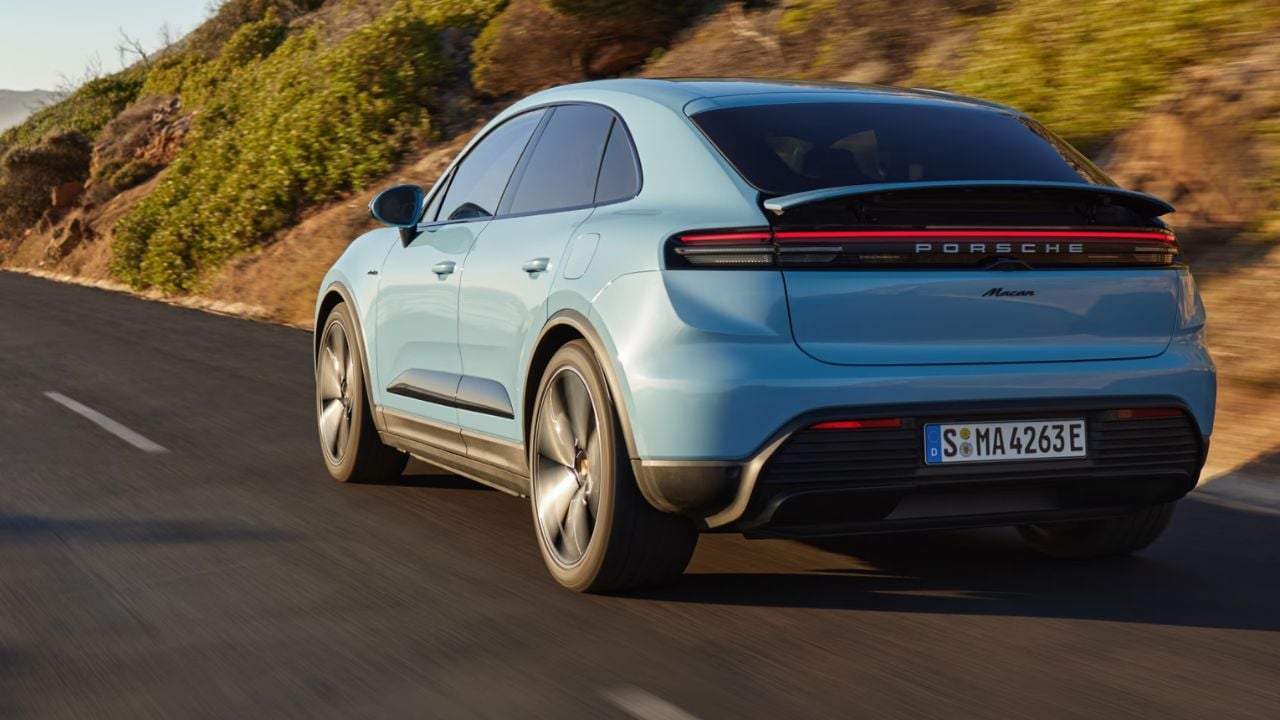
The end of gasoline Macan production is more than the closing chapter of one successful model. It has become a symbol of the wider transformation taking place across the auto industry.
Regulatory demands, new technology, changing customer behavior, and uneven EV demand are forcing even the most prestigious manufacturers to make difficult decisions. Porsche built its reputation on engineering confidence and clear product identity, but today’s market requires a more delicate balance.
The company now enters a period of uncertainty. Its future will depend on how well it can protect the emotional strength of its gasoline heritage while proving that its electric models can carry the same appeal, profitability, and everyday desirability.
This article originally appeared on Autorepublika.com and has been republished with permission by Guessing Headlights. AI-assisted translation was used, followed by human editing and review.