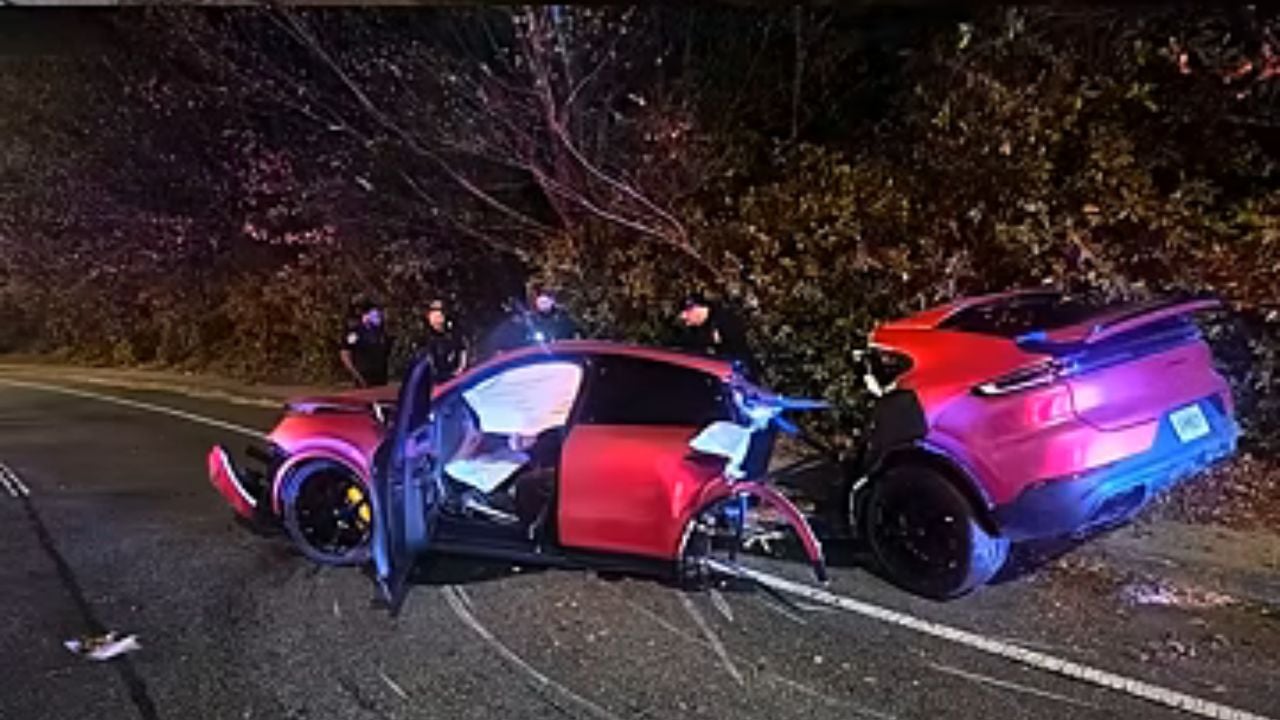

We’ve seen many car crashes before; and then there are scenes that look like something out of a physics experiment gone rogue. This one belongs firmly in the second category. A Porsche Cayenne Coupe in Dunwoody, Georgia hit a tree with such force that the SUV split into two distinct halves.
We don’t mean crumpled or twisted. We don’t mean figuratively speaking. The car literally split in half the way airplanes usually do when they crash.
Photos from the scene show the front clip resting yards away from the rear section, the cabin torn open as if the vehicle had been unzipped. The passenger seat was ejected entirely, landing on the roadway. Debris traced a violent path that told the story long before investigators did.

And yet, somehow, the driver survived with only minor injuries. Yes, the driver survived, mostly unscathed.
That outcome feels almost impossible when you consider the forces involved. The Cayenne Coupe is no fragile machine. It is built on a platform engineered to balance performance with structural integrity, using a mix of high-strength steel and aluminum to create a rigid passenger cell surrounded by carefully designed crumple zones.
In a severe impact, those outer zones are meant to absorb and dissipate energy, which is just a fancy way to say that the body is built to sacrifice itself to preserve the cabin.
In this case, the sacrifice was extreme.
How the Cayenne’s Engineering Held Up
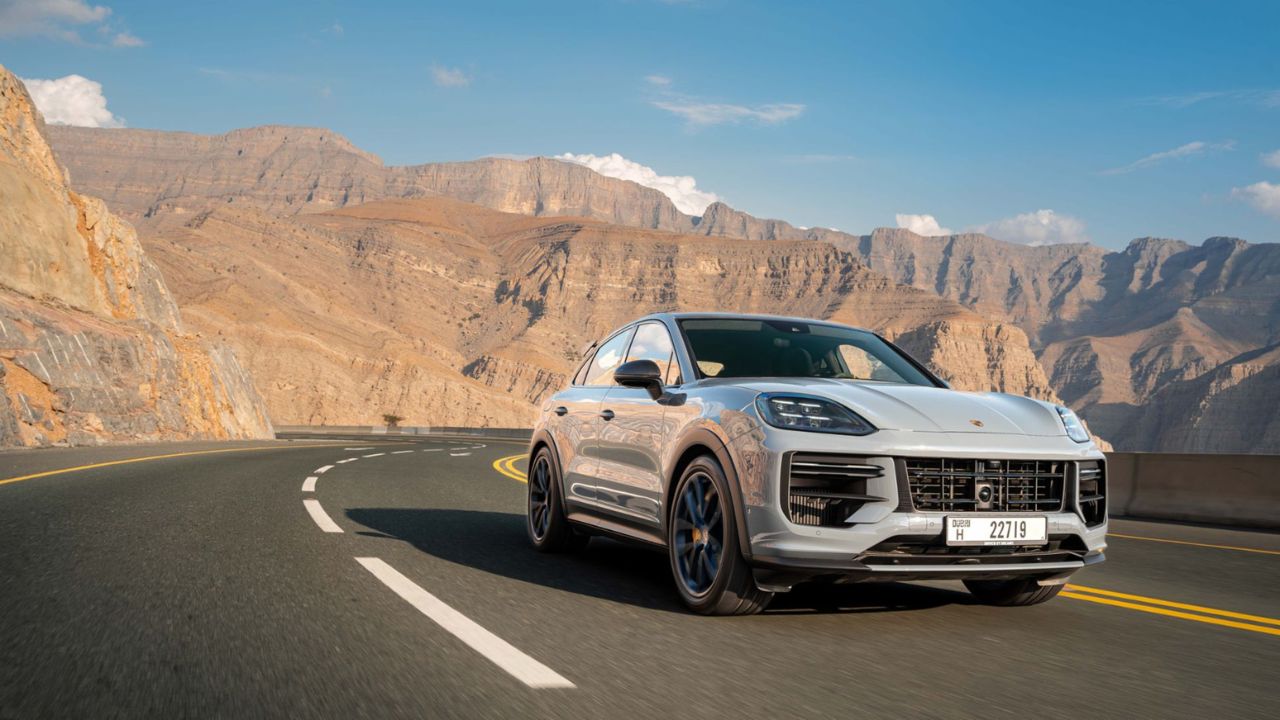
The Cayenne’s architecture includes reinforced A, B, and C pillars, along with load paths designed to channel crash energy away from occupants. The floor structure is heavily braced, and the side impact protection system integrates beams within the doors to resist intrusion.
Up front, longitudinal members are tuned to collapse progressively under heavy loads; this reduces the deceleration forces transmitted to the cabin. When everything works as intended, the passenger compartment remains as intact as possible even when the rest of the vehicle does not.
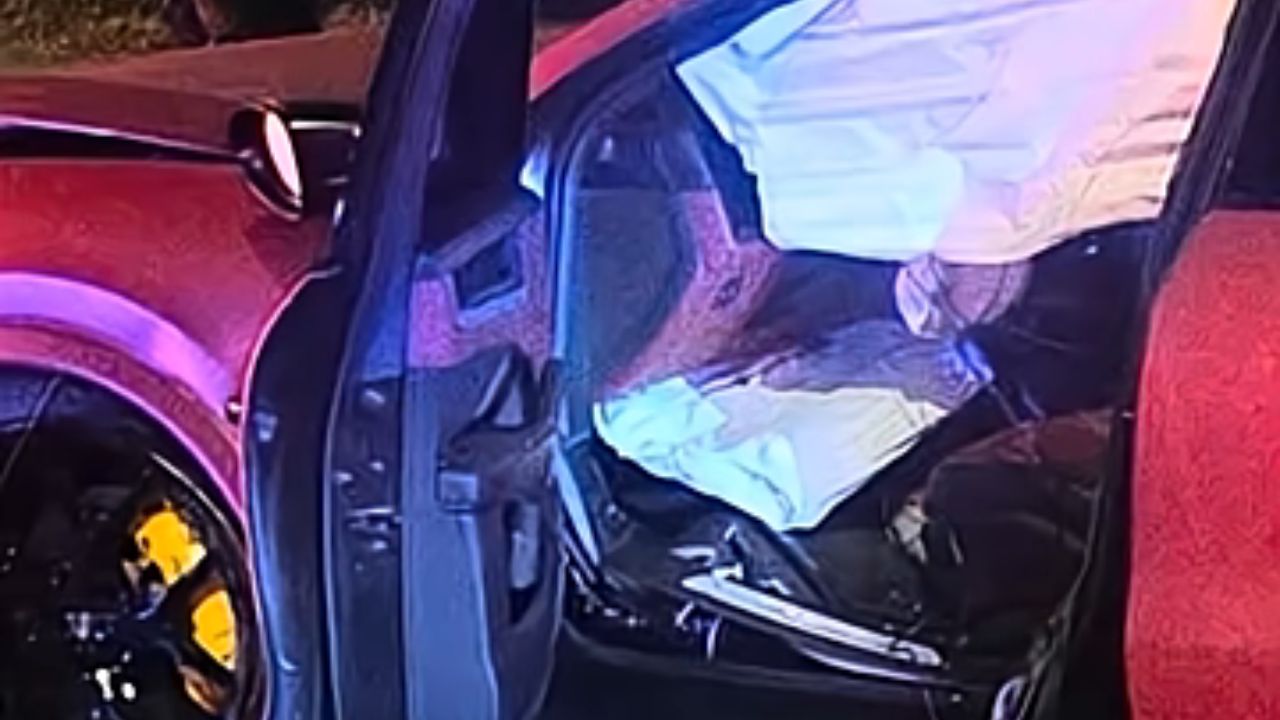
It appears that principle held, at least partially. The section of the vehicle surrounding the driver’s seat remained comparatively intact, forming a survival pocket amid the destruction. It is a horrifying but stark illustration of how modern safety engineering can perform under conditions far beyond standard testing scenarios.
Speaking of testing, models in the Cayenne family have performed strongly in crash evaluations by organizations such as the National Highway Traffic Safety Administration and the Insurance Institute for Highway Safety. These assessments measure frontal, side, and rollover protection, along with the effectiveness of restraint systems.
While exact ratings vary by model year and configuration, the Cayenne has built a reputation as a solid performer in its class.
Beyond structural engineering, technology plays a crucial role. The Cayenne Coupe is equipped with an array of safety systems, including multiple airbags, stability control, and advanced driver assistance features.
Systems like Porsche Stability Management help maintain control in challenging conditions, while airbags deploy in carefully timed sequences to cushion occupants during a crash. None of these features are designed for an impact of this magnitude, yet they contribute to the overall safety net.
Who Cares?
What do you wager investigators are doing right now about this incident? They certainly aren’t marveling at Porsche’s engineering miracle so much as they’re scrutinizing the human factor. Their lens is squarely on the driver:
Was he drunk? Was he under the influence of anything? Was he blasting past the speed limit? Does he have a history of reckless driving or outstanding tickets? These are the questions that matter to law enforcement, because they go to culpability and public safety.
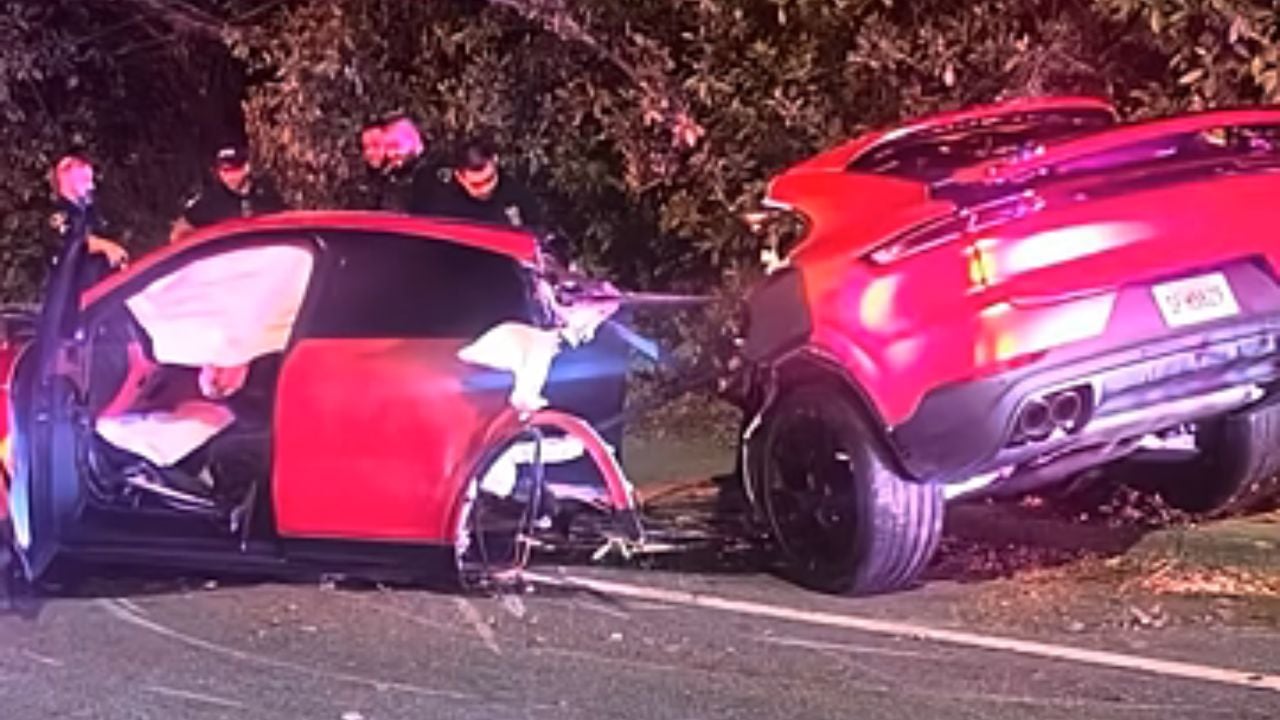
The fact that a Cayenne split in half and still protected its occupant is extraordinary, but from the authorities’ perspective, it’s secondary. What they care about is determining whether this was a freak accident or the predictable outcome of dangerous behavior.
The survival story is remarkable, but the investigative priority is accountability. They want to unravel whether the driver’s choices, not just the car’s design, explain why a suburban street turned into the scene of a physics experiment gone wrong.
Still, there is an uncomfortable truth here: No amount of engineering can fully account for the chaos of real-world crashes, especially when speed enters the equation.
The Bottom Line
Authorities have indicated that excessive speed was a factor in this incident, and the level of destruction supports that conclusion. When velocities climb far beyond what public roads are designed to handle, even the most advanced automobiles are pushed into territory where outcomes become unpredictable.
And that is what makes this crash so striking. On one hand, it showcases the remarkable capabilities of modern automotive design. On the other, it underscores the limits of that design.
The Cayenne did many things right, absorbing energy and preserving a portion of its cabin. But the fact that the driver walked away isn’t a testament to engineering alone; it’s more like a convergence of design, circumstance, and sheer luck.
The wreckage tells a violent story. The survival tells a different one. Somewhere between those two halves lies a result that is as fascinating as it is sobering.