“Americans abroad” is a real trend, but the numbers can get messy fast. Some countries count citizenship, others track country of birth, and a few publish immigrant-status totals that do not map perfectly to “U.S. passport holders.” The safest way to talk about it is to use each destination’s most reliable published measure and say exactly what that measure represents.
What stays consistent is the pattern behind the move. Proximity, healthcare access, cost of living, remote-work flexibility, and established English-speaking communities keep pulling the same destinations to the top. Here are several countries where the U.S. presence is large enough that you will actually notice it on the ground.
1. Mexico

Mexico leads on sheer scale and proximity. The U.S. State Department has publicly estimated that about 1.6 million U.S. citizens live in Mexico, which helps explain why so many towns have American-run clubs, bilingual services, and expat Facebook groups that function like local newspapers.
On the ground, that often translates into easy, soft landings. Places like Puerto Vallarta, Lake Chapala, San Miguel de Allende, and Mexico City offer everything from English-speaking doctors to social calendars packed with meetups. The smart move is to treat “expat-friendly” as a convenience, not a bubble, and still learn the local rhythm, local rules, and regional safety realities before choosing a base.
2. Canada

Canada stays popular because it feels familiar while still being meaningfully different in day-to-day systems. Statistics Canada reports 256,000 U.S. immigrants living in Canada in 2021, which gives a concrete sense of how established the community is.
You will notice that presence most clearly in big metros and border-adjacent regions. Toronto, Vancouver, Montréal, Ottawa, and parts of British Columbia draw Americans for work, school, and lifestyle, while smaller towns appeal to people who want quieter routines with strong public services. A useful “test run” is spending time in one major city and one smaller region to feel the contrast.
3. United Kingdom

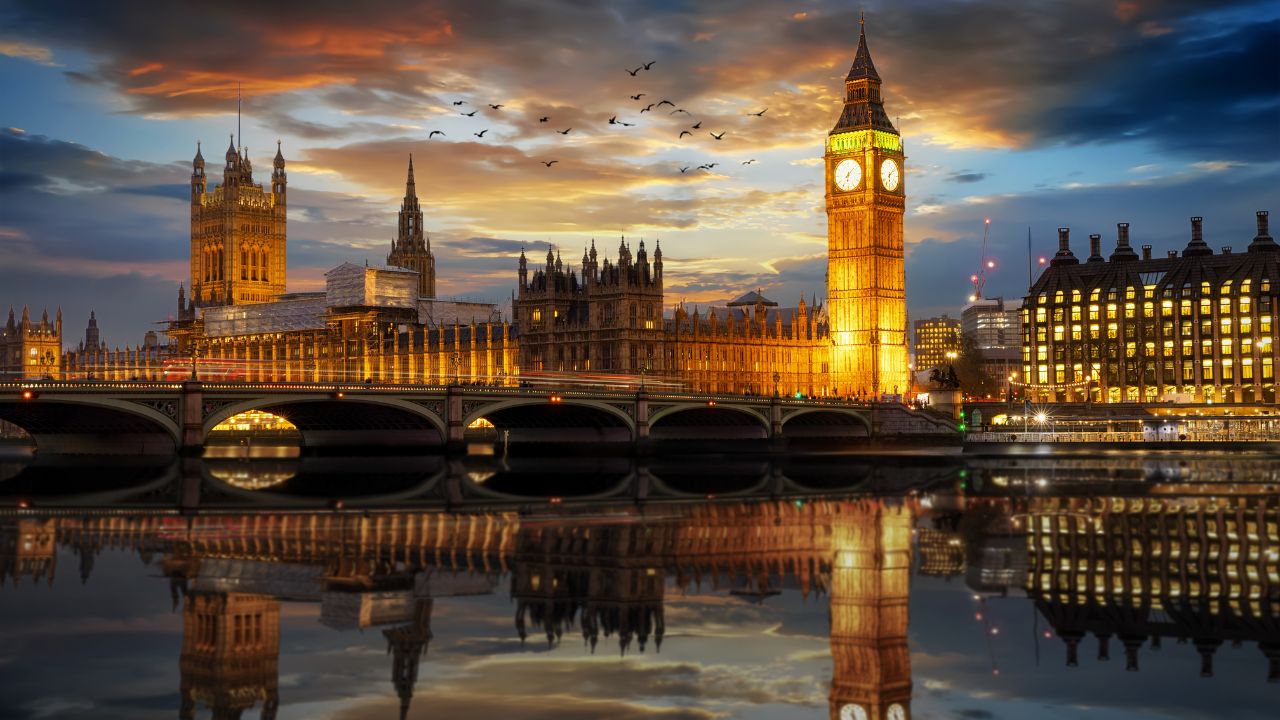
The UK remains a classic magnet. Language, culture, universities, and global careers all feed the pipeline. England and Wales’ Census 2021 bulletin notes the number of people born in the United States rose to about 203,000 in 2021, up from about 177,000 in 2011.
London is the obvious hub, but the footprint is wider than that. University towns, finance corridors, and creative cities pull steady arrivals, and the result is a well-worn path for newcomers. For visitors, it also means you can find familiar comforts quickly, then step one neighborhood over and be back in something distinctly British.
4. Germany
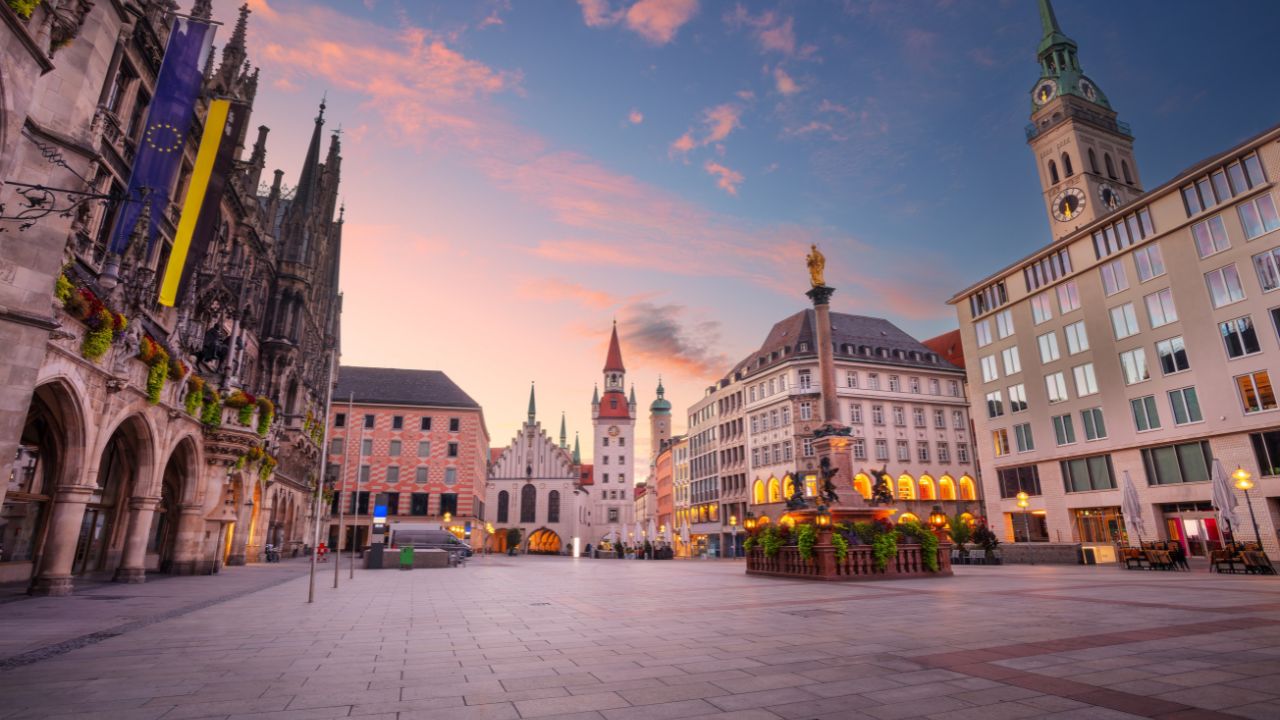
Germany’s draw is practical: strong infrastructure, Central Europe access, and a deep job market in major industries. Official Destatis data shows 120,385 U.S. citizens were part of Germany’s foreign population as of 31st December 2024.
You will feel that community most in the usual power centers: Berlin, Munich, Frankfurt, and Hamburg, plus areas tied to international schools and multinational employers. Germany also works well as a Europe basecamp, because trains and short flights turn weekend trips into routine. One cultural tip pays off fast here: paperwork matters, and life runs smoother when you plan ahead instead of improvising.
5. Spain
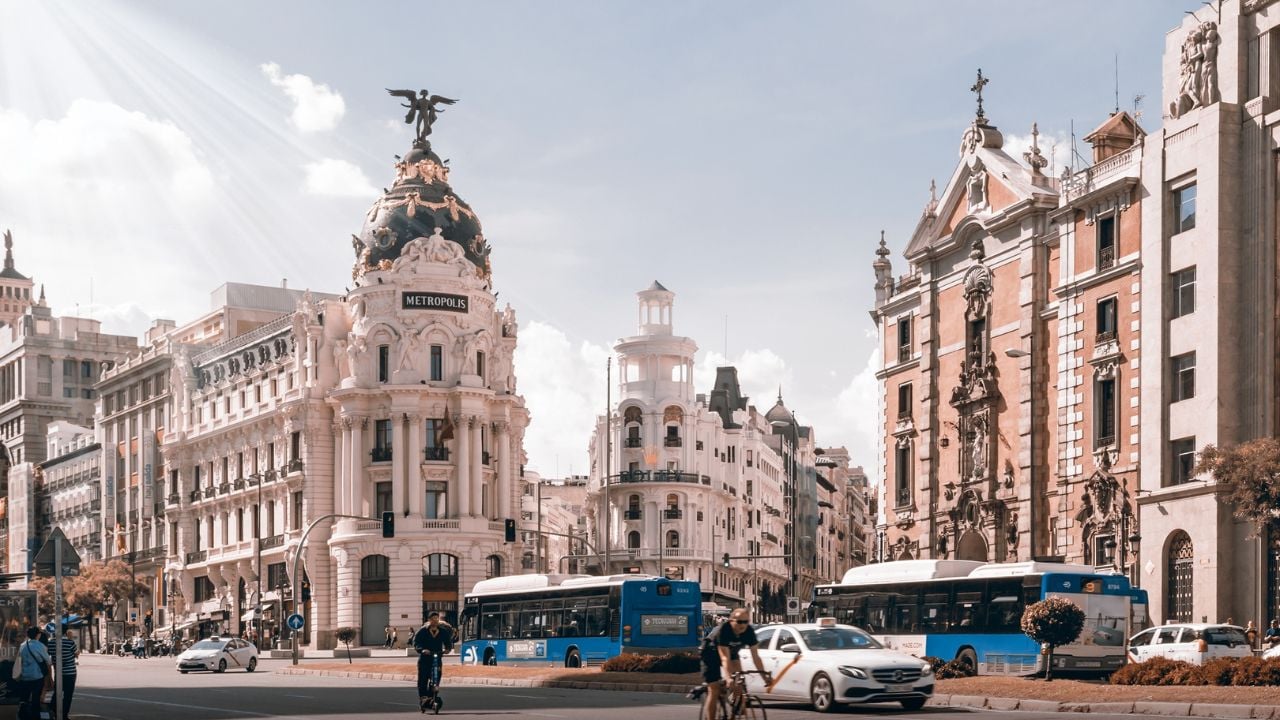
Spain has moved from “vacation dream” to “real-life option” for a growing slice of Americans. An EFE report citing Spain’s National Statistics Institute says the number of U.S. citizens registered as residents rose from 54,406 in 2021 to 69,171 in 2024.
Madrid leads for jobs and logistics, while Mediterranean and southern cities win on weather and everyday pace. Digital nomad and non-lucrative routes get talked about a lot, but the day-to-day appeal is simpler: public life is social, meals run later, and many neighborhoods are built for walking. If you are scouting, spend time in both a major city and a coastal area, because the lifestyle difference is huge.
6. Australia

Australia is far, but the quality-of-life pitch lands for plenty of Americans anyway. The Australian Bureau of Statistics’ 2021 Census QuickStats lists 101,309 people in Australia born in the United States of America.
Sydney and Melbourne attract large international workforces, while Brisbane and Perth appeal to people who want space and sun with big-city amenities still available. Australia also works well for slow travel: distances force you to pick fewer regions and actually live in them for a while. That is ideal for anyone trying to picture day-to-day routines, not just a highlights reel.