
Drivers who rely on Waze often treat the app like a digital sixth sense. Open it up and the map quickly reveals traffic jams, crashes, road hazards, and of course the icons that tend to attract the most attention.
Police markers.
For years these crowdsourced alerts have helped drivers anticipate speed enforcement long before a patrol car appears in the mirror.
Now at least one police department may have decided that if drivers can play the game, law enforcement can play it too.
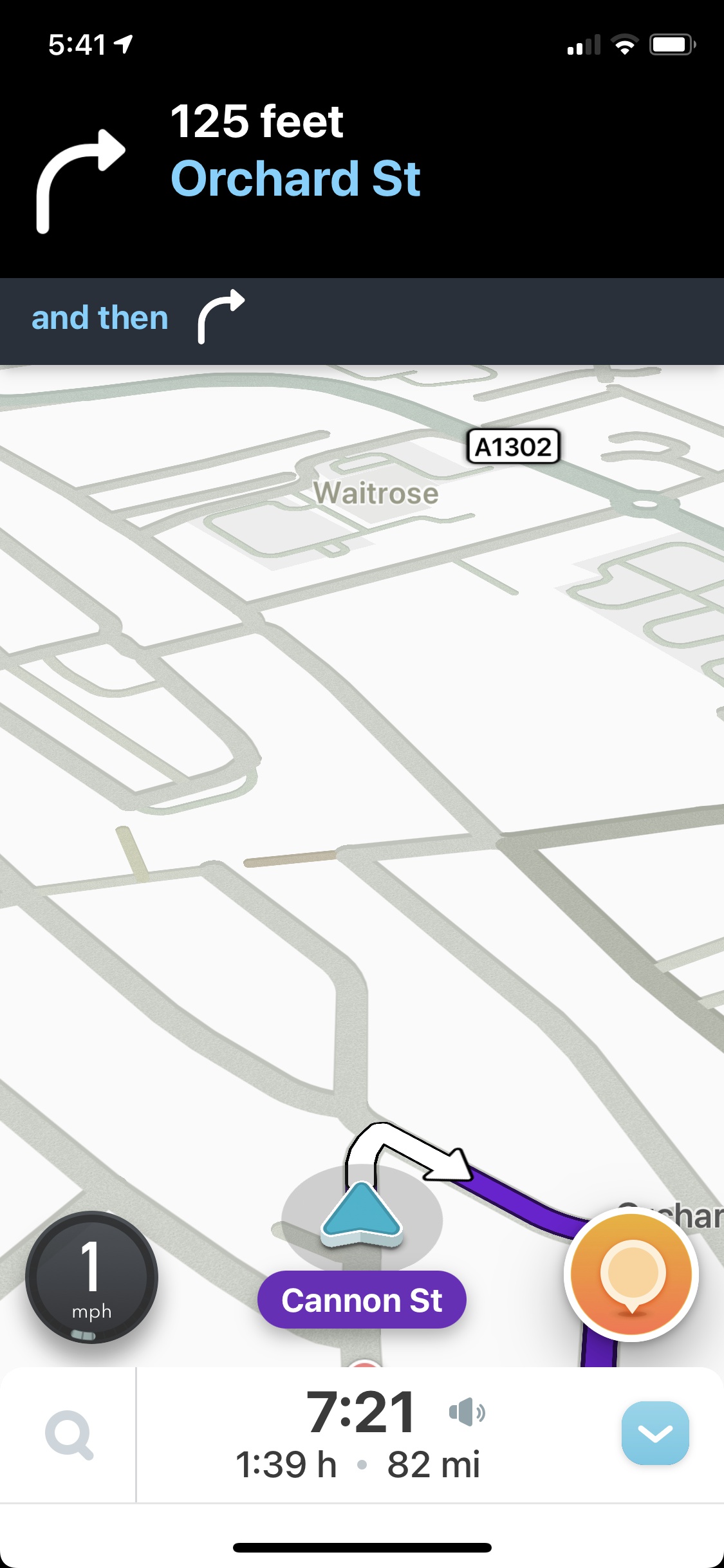
In a curious twist reported by Autoevolution, officers in Alexandria, New Hampshire experimented with a tactic designed to confuse the Waze ecosystem. Instead of simply monitoring the road, the department allegedly posted multiple police presence reports along a stretch of highway.
The idea was if drivers opened the app, they would see a long chain of patrol icons scattered across the route.
At first glance it looks like a parade of speed traps.
The Strategy: Flood the Map, Slow Everyone Down
The logic behind the strategy is easy to understand. Waze relies heavily on user generated data. Drivers tap a button to report police activity and the information spreads to nearby users. When enough people confirm the same report, the system treats it as reliable and keeps it visible on the map.
But what happens if someone deliberately floods the map with those reports?
According to the report, the police department shared screenshots showing a string of police markers that stretched across the roadway, sometimes appearing on both sides. For a driver glancing at the navigation screen, the visual effect suggests heavy enforcement across the entire corridor rather than a single patrol location.
That could theoretically accomplish something many speed traps struggle to achieve. Instead of slowing briefly near one cruiser, drivers might reduce their speed for miles.
It is a clever bit of psychological traffic control.
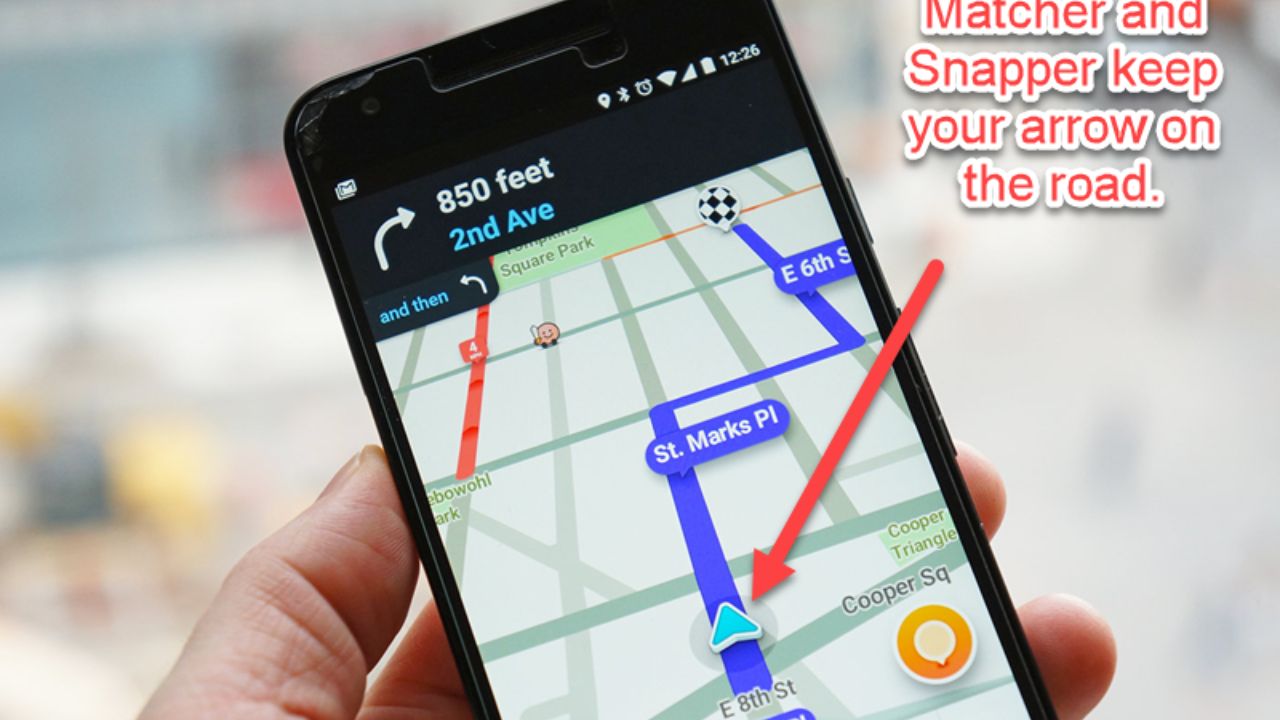
The problem is that Waze has spent years refining its defenses against spam and manipulation. The platform, owned by Google, relies on layered verification systems. Reports can expire if they are not confirmed by other drivers. Excessive posts from a single account can trigger automated filtering.
In some cases, the system may show the reports only to the person who posted them while hiding them from everyone else.
This means a police officer enthusiastically dropping dozens of speed trap icons might simply be talking to themselves.
That does not stop the tactic from attracting attention because it highlights the ongoing tug of war between navigation technology and traffic enforcement. Apps like Waze transformed the way drivers interact with the road.
What began as a clever navigation tool evolved into a massive real time information network where millions of drivers continuously update the map.
The High-Stakes Game Between Cops and Crowdsourcing
The police marker feature sits at the center of that debate.
Supporters argue that alerts encourage drivers to slow down, which improves safety regardless of where enforcement actually sits. Critics in law enforcement counter that broadcasting patrol locations could undermine policing strategies or even create risks for officers.
The tension is not new. Several years ago, officers in Miami reportedly attempted a similar stunt by posting false information on the platform. The idea then was also to make the data less predictable for drivers relying on the app.
Yet technology rarely stands still. As Waze grows, so does the sophistication of its moderation systems and community oversight. Active users regularly confirm or dismiss reports, which quickly weeds out inaccurate alerts.
So, while the Alexandria experiment might generate a brief burst of confusion, the broader system is designed to self-correct.
A Digital Chess Match on the Open Road
Still, the episode is entertaining proof that the relationship between drivers and navigation apps has evolved into something resembling a digital chess match. Motorists report police sightings. Officers experiment with ways to keep drivers guessing. Meanwhile the algorithm quietly decides which pieces stay on the board.
For anyone watching the modern driving experience unfold, the humble speed trap icon has become far more than a warning symbol. It is now part of a constantly shifting contest between crowdsourced technology and the people tasked with enforcing the rules of the road.
Sources: Auto Evolution