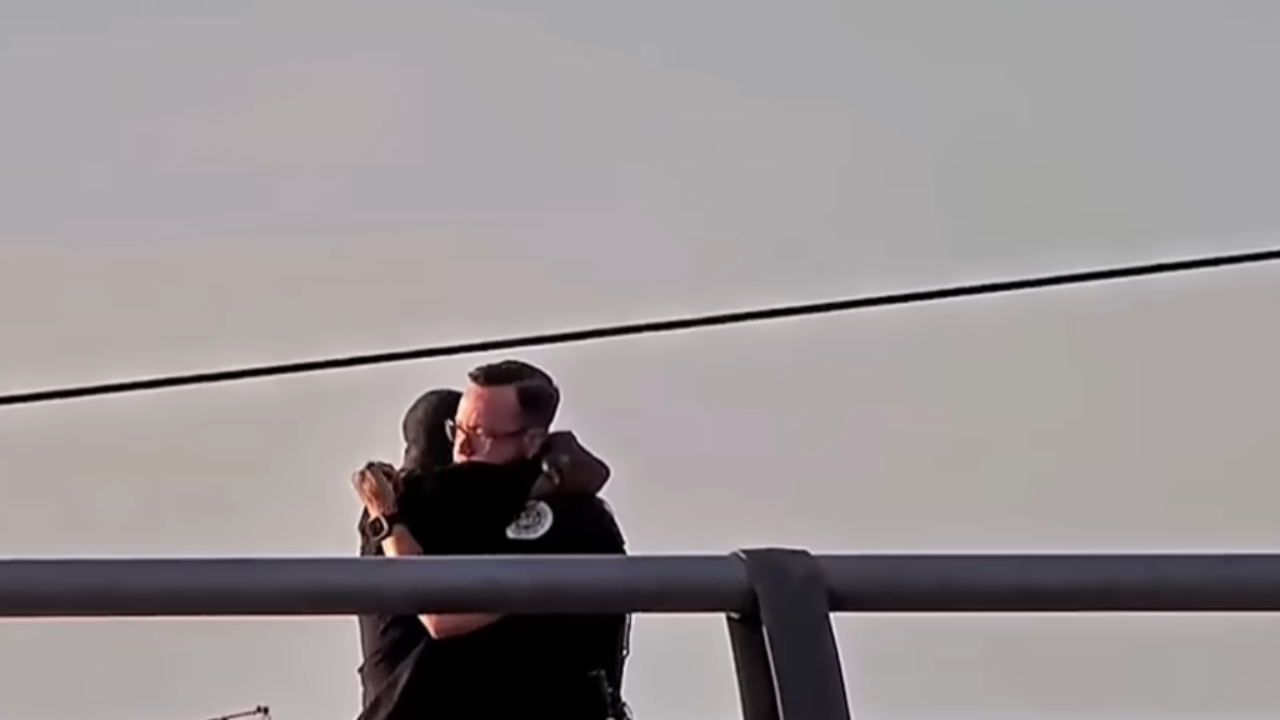
A Metro Nashville police lieutenant is being credited with saving a man’s life after a tense standoff on a bridge above the Cumberland River turned into one of the most meaningful conversations of his career. Lieutenant Mike Hotz has spent 16 years in law enforcement, much of it focused on helping people through crisis, but what happened on the Victory Memorial Bridge last month stands out even among that record.
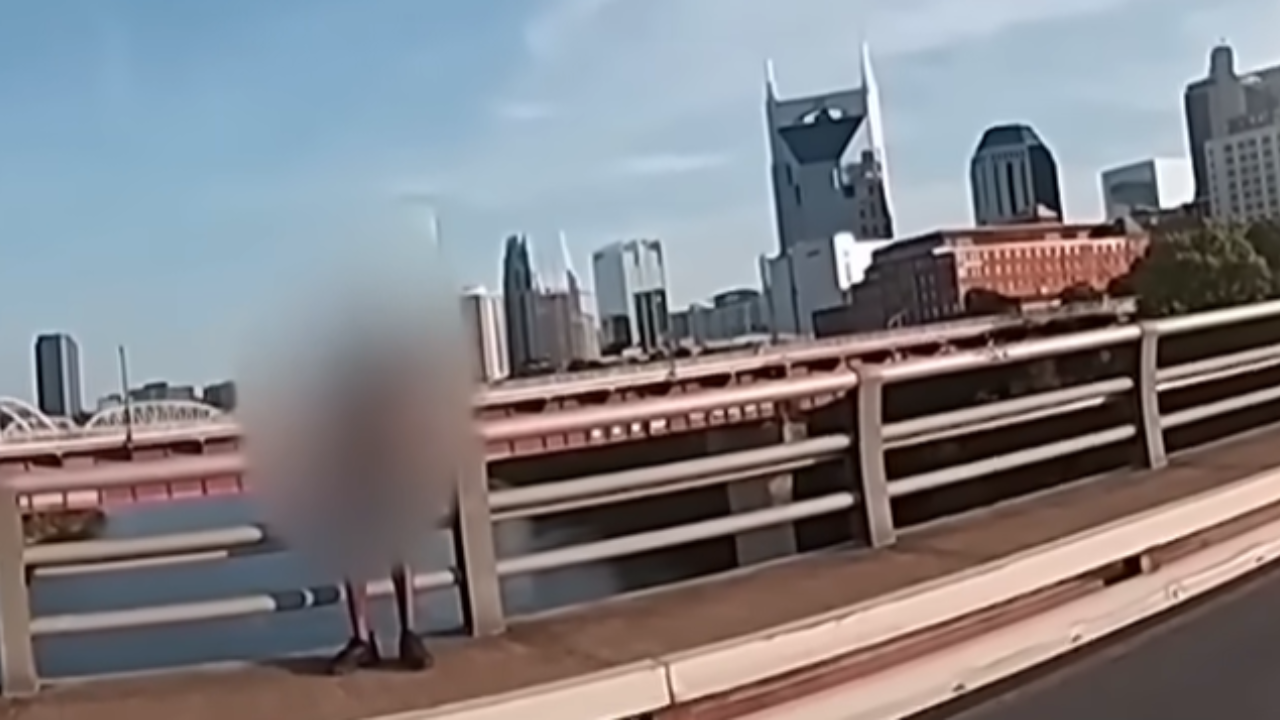
On July 23, a man was livestreaming online and saying he planned to jump from the bridge. Hotz, who has served on Metro’s crisis negotiation team, responded to the scene, reported News Channel 5. Rather than approaching with urgency or force, he said he made a point of simply talking, telling the man he wanted to help him work through what he called the worst day of his life.
As a combat veteran himself, Hotz said he recognized something familiar in the man’s pain. He talked about having gone through similar conversations with fellow service members overseas who were struggling with suicidal thoughts. That shared understanding, he said, helped build trust as the two talked and the distance between them slowly closed.
Eventually, the man stepped away from the edge and extended his hand. Hotz says the moment that followed, when the man hugged him, felt like a release of everything he’d been carrying. Afterward, Hotz stepped away from the officers and counselors on scene and said a quiet prayer of thanks for being in the right place at the right time.
A Career Built Around One Reason
Hotz has said that most people who go into law enforcement share the same underlying motivation: not fame, not money, but a genuine desire to help people.
That thread has run through his work in the overdose response unit and his efforts bringing K-9 units to Davidson County communities, long before this bridge call ever happened.
The One Box Program
Beyond crisis negotiation, Hotz developed Nashville’s One Box program, which has placed overdose reversal kits in more than 500 locations across the city, including bars and other public venues.
The program is part of a broader push to make naloxone more accessible in places where an overdose could happen in public, giving bystanders a fighting chance to intervene before first responders arrive.
Recognition From the DEA
That body of work recently earned Hotz the Excellence in Protection Award from the DEA at a summit in Orlando. It’s the kind of recognition that rarely makes headlines on its own, but stories like the one on the bridge show why the honor tracks with years of quiet, consistent work rather than a single dramatic moment.
Hotz has said he hopes the encounter serves as a reminder that even uncomfortable conversations, simply asking someone how they’re really doing, can make the difference for a friend or family member who needs help.