

Poland has taken a decisive step that could ripple across the global automotive and technology landscape. The country’s military has officially banned Chinese-made vehicles from entering military facilities, citing fears that modern connected cars could be used as tools for surveillance and data collection.
In a statement released this week, Polish defense officials said vehicles equipped with advanced sensors, cameras, microphones, and connectivity features pose an unacceptable risk around sensitive installations. The concern is not mechanical reliability but data security.
Modern vehicles, especially electric and connected models, function more like rolling computers than traditional cars. In military environments, that capability raises red flags.

Officials warned that cars capable of collecting location data, video footage, and audio recordings could transmit sensitive information without the driver’s knowledge. As part of the new policy, personnel are also barred from connecting military-issued mobile phones to infotainment systems in Chinese-made vehicles.
“As a result of the risk analysis related to the growing integration of digital systems in vehicles and the potential possibility of uncontrolled acquisition and use of data by these systems, the Chief of the General Staff of the Polish Armed Forces decided to introduce a ban on the entry of motor vehicles manufactured in the People’s Republic of China into the areas of protected military facilities,” the statement began.
‘Smartphones on Wheels’
The decision places Chinese automakers squarely at the center of a growing geopolitical debate. Brands such as BYD have rapidly expanded their presence in Europe, offering competitively priced electric vehicles loaded with technology.
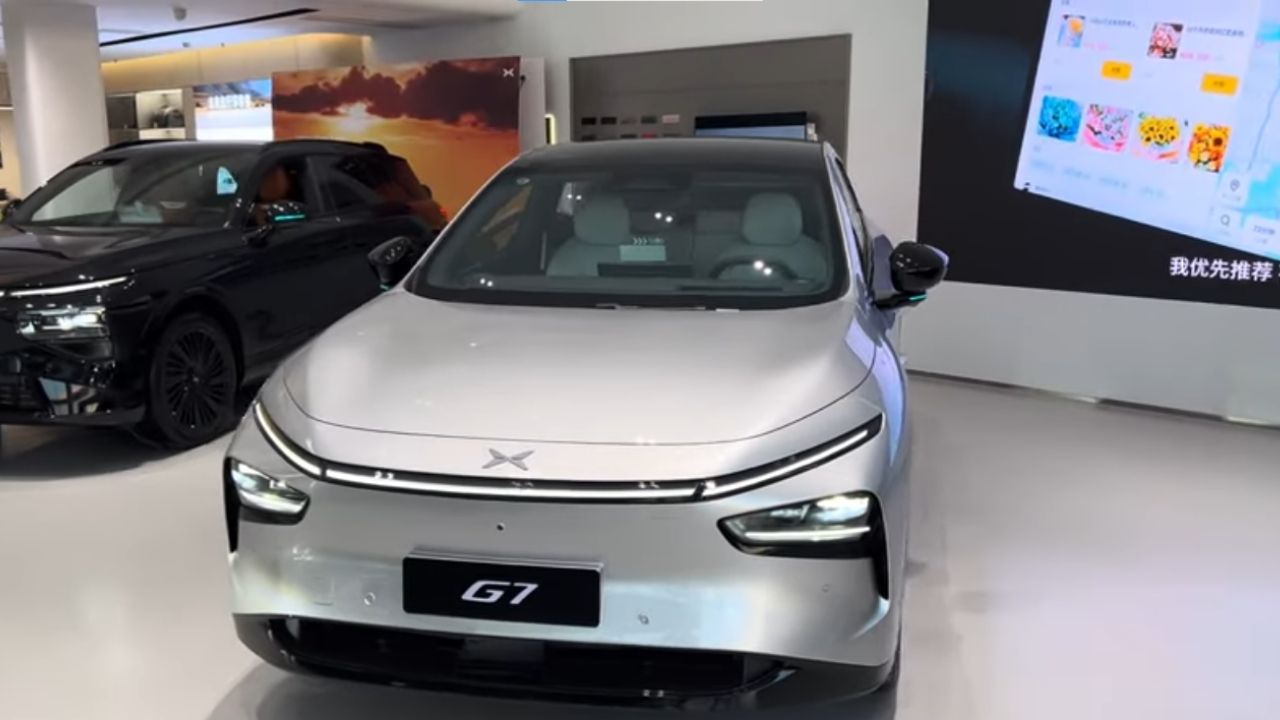
While consumers have embraced the value proposition, security agencies are taking a more cautious view.
Polish officials described connected vehicles as “smartphones on wheels,” a phrase increasingly used by intelligence experts to explain how much data modern cars can collect.
High-resolution cameras, radar systems, lidar sensors, and always-on internet connections are essential for advanced driver assistance and autonomous features. Those same tools, however, could theoretically be exploited for espionage or cyber intrusion.
The ban comes amid a sharp rise in Chinese vehicle sales in Poland. According to the newspaper Rzeczpospolita, Chinese brands accounted for roughly 14.5 percent of all newly registered passenger vehicles in the country last year. That is a remarkable figure in a market traditionally dominated by European manufacturers.
The British-born MG brand, now owned by SAIC Motor Corporation, reportedly outsold legacy brands such as Hyundai and Škoda in Poland. Beijing Automotive Group also surpassed European names like Volvo and Audi in new vehicle registrations. The rapid growth has intensified scrutiny from defense and intelligence agencies.
Cyber Threats and Geopolitical Tensions
Security concerns are amplified by Poland’s broader geopolitical situation. Since Russia’s invasion of Ukraine, the country has faced persistent cyberattacks believed to originate from Russia and Belarus. It can be argued that the increasingly close relationship between Moscow and Beijing adds another layer of risk.
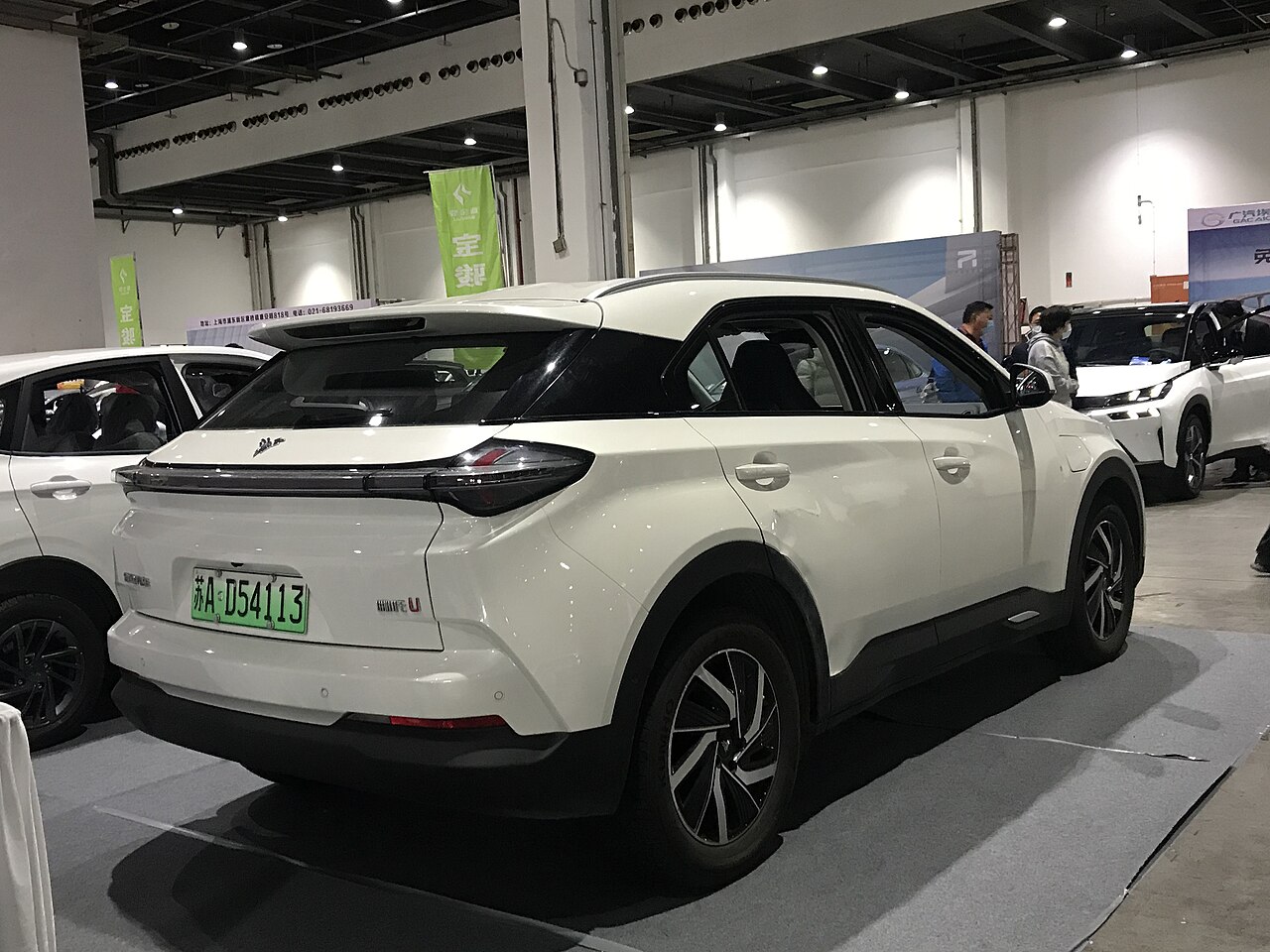
A recent report from Poland’s Eastern Research Center warned that China’s military-civil fusion strategy and advanced cyber capabilities could make connected vehicle technology a strategic asset. The report suggested that data collected on European roads could potentially be shared with hostile governments, including Russia.
A Growing Trend of Restrictions
Poland is not acting alone. Other members of NATO have already imposed similar restrictions. The UK Ministry of Defense banned vehicles containing Chinese components from sensitive military sites and training areas last year.
The United States is moving even further. Federal regulators plan to prohibit the use of Chinese software in connected vehicles beginning next March, with a full ban on Chinese hardware scheduled to take effect by 2029. US officials have echoed concerns that foreign-controlled vehicle technology could threaten national security and critical infrastructure.
“Modern vehicles equipped with advanced communication systems and sensors can collect and transmit data, so their presence in protected zones requires appropriate safety regulations.
The measures introduced are preventive in nature and are in line with the practices used by NATO countries and other allies to ensure the highest standards of defense infrastructure protection,” Colonel Marek Pietrzak said in the statement.