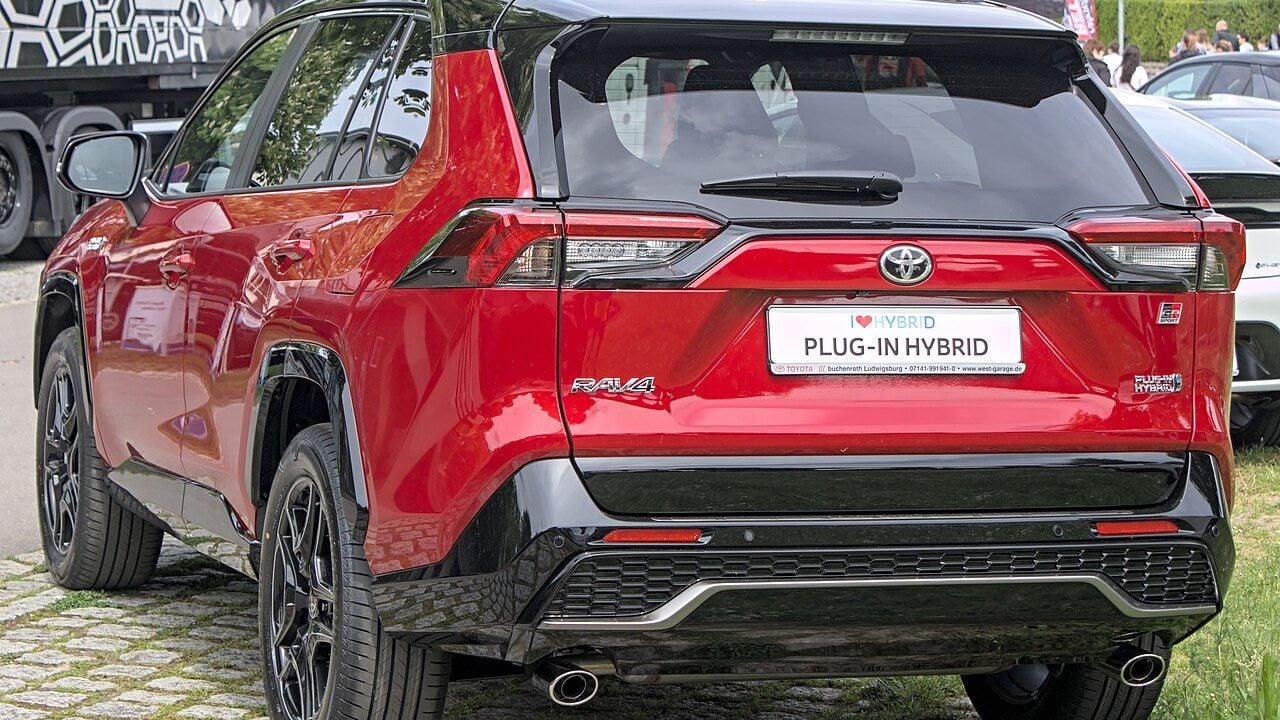

A major new analysis has revealed that plug-in hybrid electric vehicles, long promoted as the perfect bridge between traditional petrol cars and fully electric vehicles, are consuming far more fuel in real-world driving than manufacturers claim.
The study, which examined data from approximately one million plug-in hybrids across Europe, found that these vehicles typically use around six liters per 100 kilometers, translating to approximately 39 miles per gallon.
This is roughly three times higher than the official figures advertised by car makers, which range between one and two liters per 100 kilometers.
Why the Gap?
The discrepancy highlights a growing concern that the official fuel consumption and carbon dioxide emissions numbers used for marketing and regulatory purposes may not accurately reflect everyday driving conditions. Experts involved in the Fraunhofer Institute study has a theory for this discrepancy.
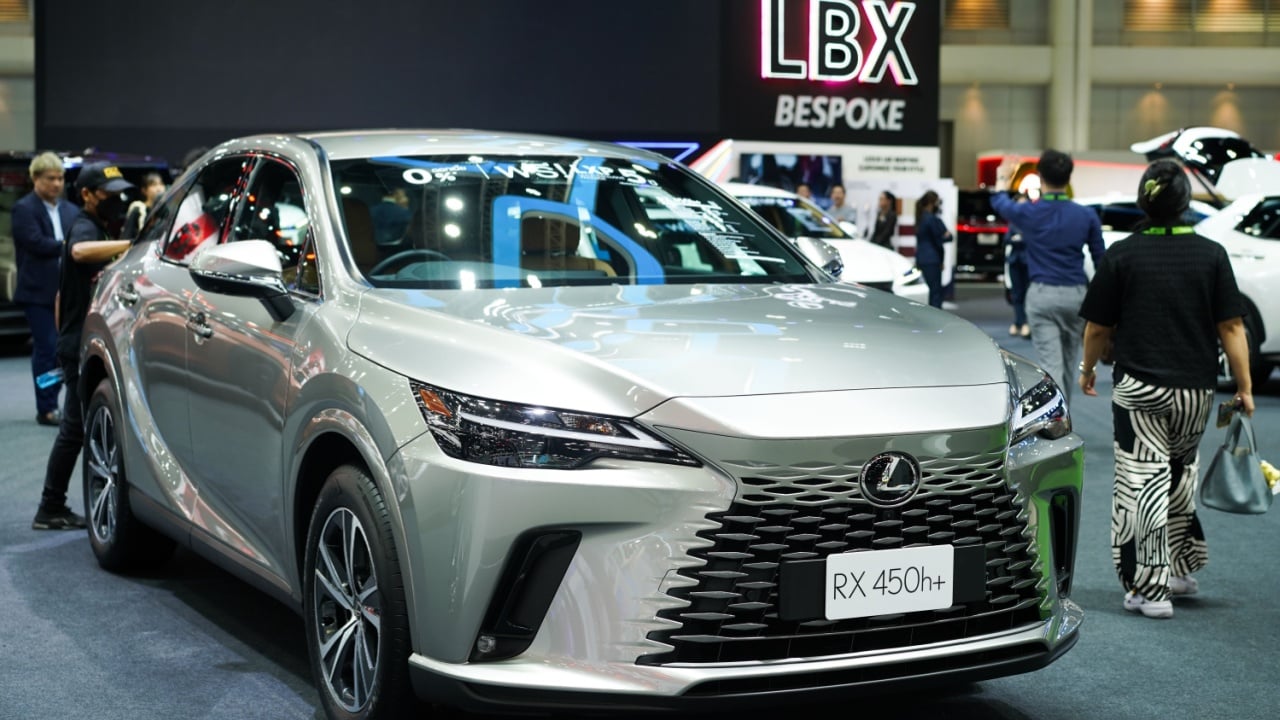
The primary reason for this gap, they say, is the frequent use of the internal combustion engine, even in situations where the vehicle is expected to operate in electric mode.
The result is that drivers often experience much higher fuel consumption than anticipated, especially on longer trips or in urban conditions where battery reserves deplete quickly.
The analysis covered a broad spectrum of plug-in hybrid models, from compact city cars to high-end luxury vehicles. It found that larger, more powerful models generally consumed more fuel than smaller, economy-oriented vehicles.
German luxury brands, in particular, recorded consumption levels well above the advertised numbers, while some smaller models from brands like Kia, Toyota, Ford, and Renault showed closer alignment with official figures. Overall, however, the real-world average consumption far exceeded expectations.
A Blow to the ‘Bridge’ Technology?

This finding comes at a time when plug-in hybrids are being positioned as an essential step toward greener mobility. Governments and manufacturers have often highlighted their ability to offer electric driving for short commutes while providing the range security of a conventional engine.
Incentives such as tax breaks and purchase subsidies have further encouraged adoption. The study’s results, however, suggest that the environmental benefits of these vehicles may be overstated when measured against actual fuel use and emissions on the road.
Industry analysts have called on regulatory authorities to review the methods used to measure fuel efficiency and emissions for plug-in hybrids. Current testing cycles often fail to replicate realistic driving scenarios, including varied speeds, traffic conditions, and driving styles. Adjusting these tests could provide more accurate information to consumers and policymakers and prevent misleading claims about fuel efficiency.
Car manufacturers will arguably respond cautiously to the findings. Companies will argue that plug-in hybrids remain an important tool for reducing emissions, particularly in urban areas where drivers can rely heavily on electric power.
Others acknowledge the gap between laboratory figures and real-world consumption but highlight that the vehicles are designed to deliver flexibility rather than maximum fuel efficiency.
Caveat Emptor

Consumer advocacy groups note that potential buyers need to understand how these vehicles perform in everyday conditions. They emphasize the importance of considering factors such as typical commute distances, charging availability, and driving patterns when evaluating whether a plug-in hybrid will meet expectations for fuel savings and environmental impact.
The study underscores a broader challenge in the automotive sector. As car manufacturers push toward electrification, ensuring transparency about vehicle performance is critical.
For drivers looking to reduce fuel costs or carbon emissions, accurate information can make the difference between a practical solution and disappointment. Plug-in hybrids offer clear benefits for short trips and city driving, but they may not provide the low fuel consumption often advertised for long-distance or mixed driving scenarios.
Ultimately, the findings are likely to influence discussions about future fuel efficiency regulations and consumer guidance in Europe and beyond. For now, drivers considering a plug-in hybrid should weigh the potential benefits against the real-world fuel consumption reported in this large-scale analysis and plan their usage accordingly.