Two or three days need a compact base. A useful short-stay destination puts the main restaurant area, a walkable district, one scenic route, and one anchor attraction close enough that travelers are not driving between every meal and stop.
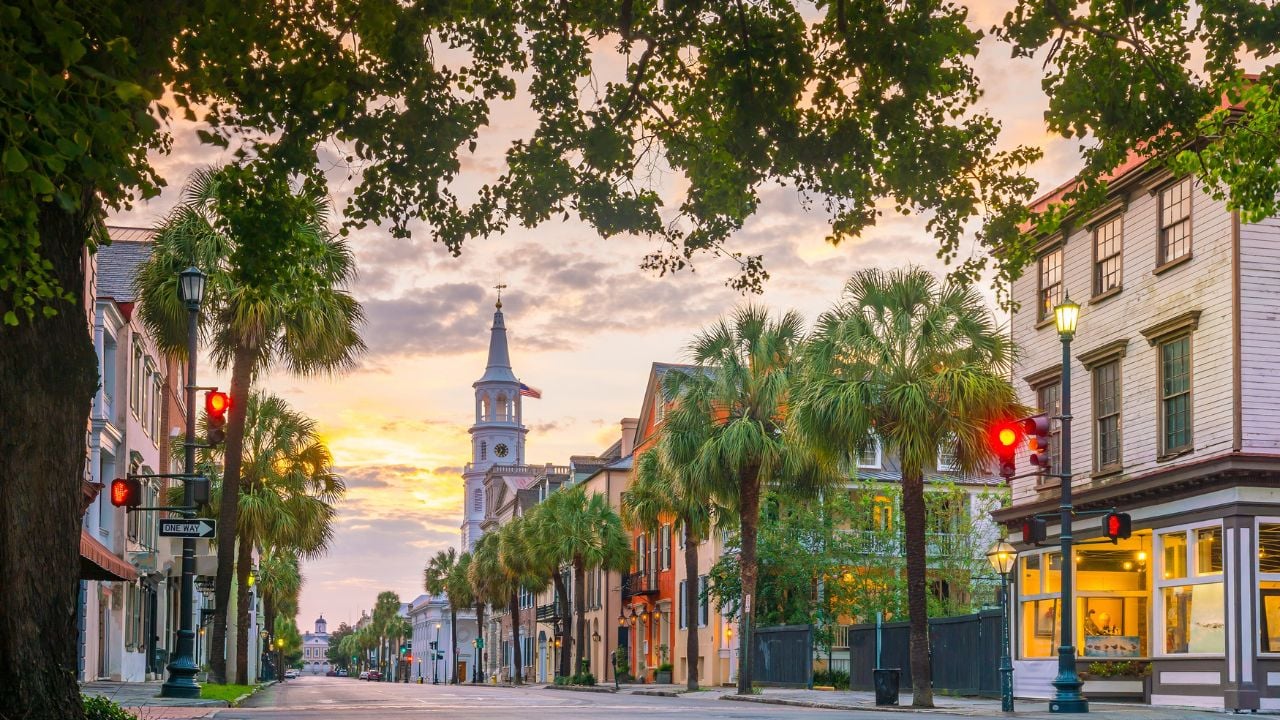
Charleston can pair the Historic District with Waterfront Park, Rainbow Row, the Battery, restaurants, and harbor views. Santa Barbara can use Stearns Wharf, the harbor, beaches, State Street, the courthouse area, and waterfront activities without turning the weekend into a Southern California road trip.
Portland, Maine, keeps the Old Port, cobblestone streets, seafood, shops, bars, and the working waterfront inside a compact coastal route. Asheville can split a weekend between downtown, the River Arts District, Biltmore, and one Blue Ridge Parkway drive. Providence can use downtown, Federal Hill, the Riverwalk, Waterplace Park, museums, restaurants, and university-area walks inside a short city break.
Hotel location, dinner reservations, parking, seasonal events, and weather still shape the trip. The cleanest plan gives one block to the main walking district, one block to the anchor attraction, and one block to food, water, parks, or a nearby scenic stop.
1. Charleston, South Carolina

Charleston’s short-stay route can stay inside the Historic District before any beach or plantation plan enters the schedule. Discover South Carolina says travelers can pick up a self-guided walking-tour map at the Charleston Visitor Center or set off through the Historic District on their own. The same guide points to Waterfront Park, Rainbow Row, and historic streets near the harbor.
A practical walking block can start at Waterfront Park, continue toward Rainbow Row, move through church streets and house-lined blocks, and finish near restaurants or the Charleston City Market area. Dinner should be reserved before busy weekends, especially when the hotel is not within walking distance of the restaurant.
The Battery, harbor views, carriage tours, walking tours, house museums, and restaurant reservations can fill a two-night trip without adding long drives. Travelers who want Folly Beach, Sullivan’s Island, Isle of Palms, Fort Sumter, or a plantation visit should give that plan its own block instead of squeezing it between a downtown walk and dinner.
A downtown hotel reduces parking searches and keeps the main restaurant and historic-street route close. A beach-area stay adds sand and morning water time, but it increases driving for downtown meals, tours, and museum stops.
2. Santa Barbara, California

Santa Barbara can give a short trip a waterfront base before visitors add wine tasting or a wider coastal drive. The City of Santa Barbara says visitors can enjoy Stearns Wharf, beaches, parks, dining, paddling, shopping, and other waterfront activities around the harbor area.
A compact weekend route can start near the waterfront, continue to Stearns Wharf or the harbor, then move toward State Street, restaurants, tasting rooms, or the courthouse area. Travelers staying near the beach, waterfront, or lower State Street can reduce car use for meals and evening walks.
Visit Santa Barbara’s car-free itinerary highlights open-air trolley options that run between the waterfront and sights such as the Santa Barbara Zoo, Santa Barbara County Courthouse, El Presidio de Santa Barbara State Historic Park, and shopping areas. That route can help visitors sample the city without building the whole weekend around parking.
Wine-country drives, Montecito, the Mission, longer beach time, and harbor activities should be separated into clear blocks. A two- or three-day stay becomes harder when travelers try to combine downtown, wine tasting, kayaking, a beach afternoon, and a courthouse visit in one packed day.
3. Portland, Maine
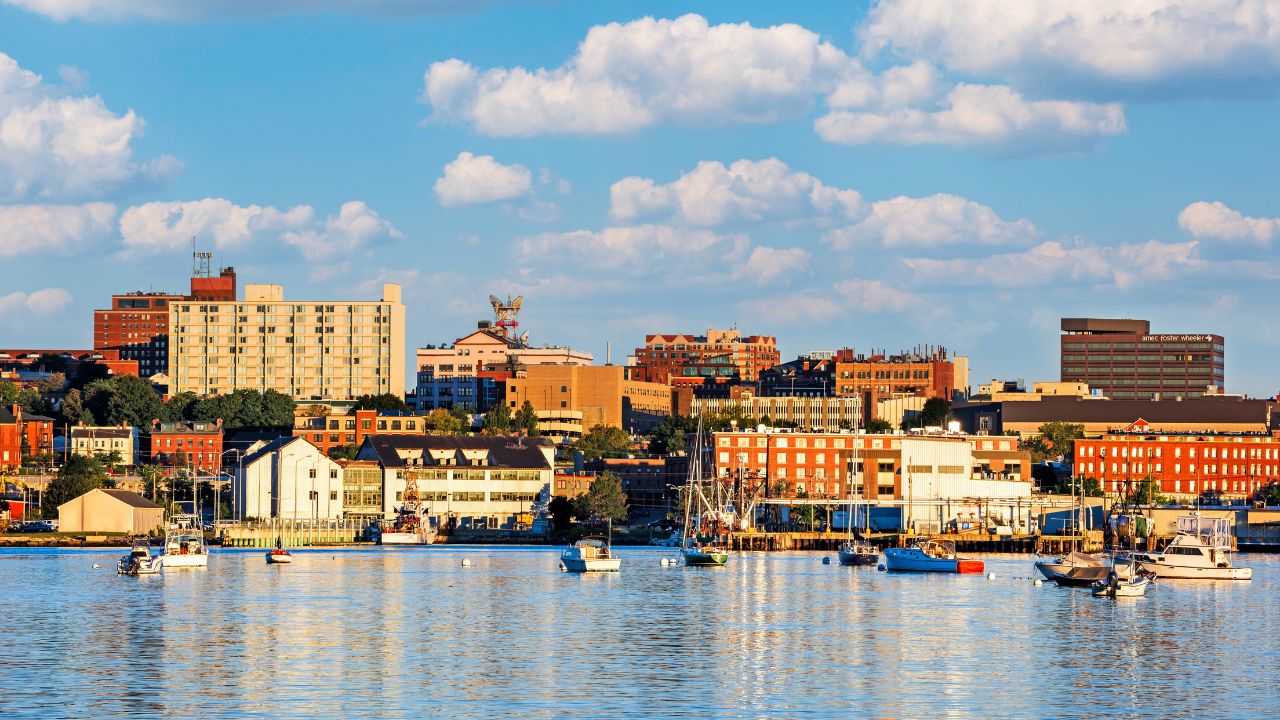
Portland’s short-trip route should start in the Old Port and working waterfront area. Visit Portland describes the city as a metro hub with cobblestone streets, nationally recognized dining, and a scenic working waterfront in the heart of the Old Port.
A two-night stay can use the Old Port for seafood, shops, bars, coffee, harbor views, and evening walks. Travelers can add a harbor cruise, brewery stop, or lighthouse outing, but those should be planned around meal reservations and weather rather than treated as quick extras.
The Old Port’s compact layout helps visitors keep the weekend close to the water. Cobblestone streets, brick buildings, wharves, restaurants, and local shops can fill one day before a separate block for Portland Head Light, Casco Bay, or another coastal stop.
Parking, dinner reservations, ferry schedules, and seasonal crowds need checks before arrival. A hotel near the Old Port or waterfront reduces short drives between meals, shops, harbor walks, and nightlife.
4. Asheville, North Carolina

Asheville needs separate blocks for downtown, the River Arts District, Biltmore, and Blue Ridge scenery. Downtown can handle restaurants, breweries, galleries, live music, shops, and the Grove Arcade area, while the River Arts District gives the trip a studio-and-gallery block outside the standard downtown walk.
The Blue Ridge Parkway can add the mountain portion of the weekend, but road status should be checked before departure. Explore Asheville notes that all Asheville sections of the Blue Ridge Parkway had reopened as of September 15, 2025, and directs travelers to the National Park Service for current conditions.
The National Park Service says weather, construction, maintenance, and emergency events can cause temporary Parkway closures. A short Asheville trip should use one manageable Parkway stretch, one overlook, or one short hike rather than a long mileage goal.
Biltmore also needs its own half-day or full-day block if it is part of the trip. Travelers should check ticket times, parking, estate hours, road conditions, and dinner reservations before combining downtown, Biltmore, the River Arts District, and a Parkway drive.
5. Providence, Rhode Island
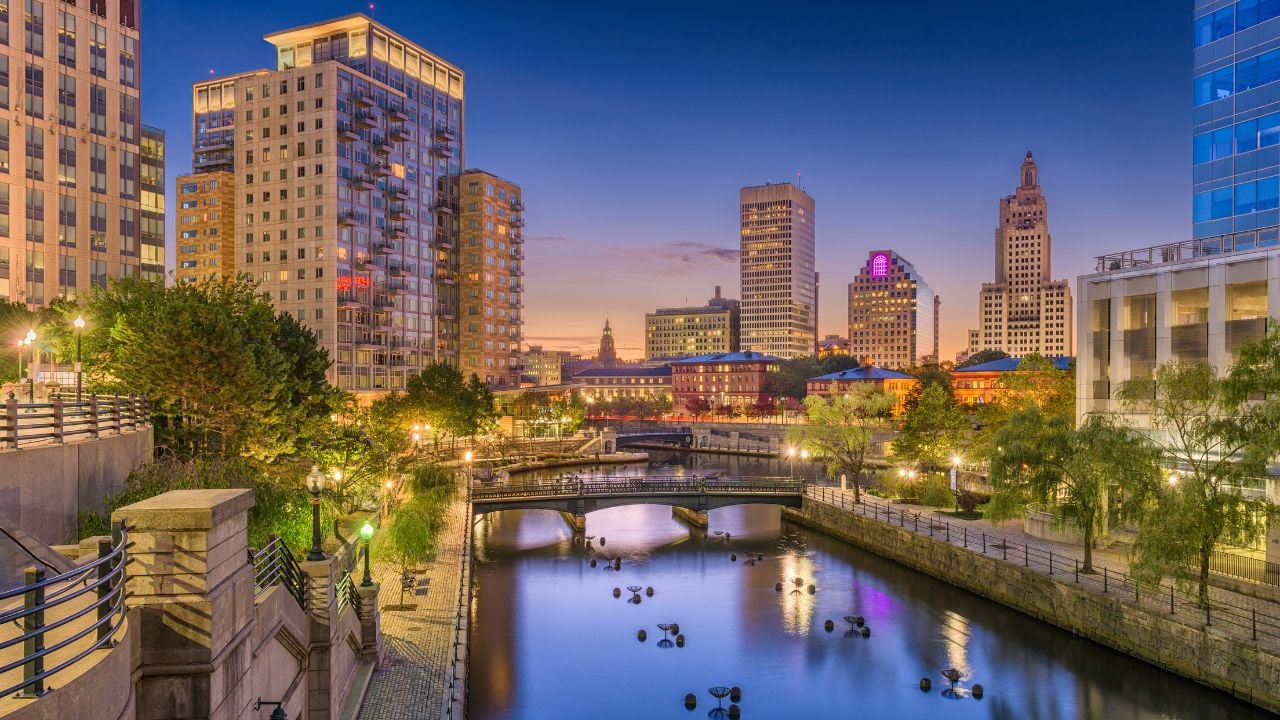
Providence can support a short trip through downtown, the riverfront, Federal Hill, museums, restaurants, and nearby university areas. GoProvidence says its Visitor Information Center can help travelers plan a full trip, accommodations, transportation, a full day, or a few free hours in the city.
The riverfront gives visitors a clear walking route. Downtown Providence Parks says the Providence Riverwalk stretches 2.4 miles along the Providence River waterfront between Point Street Bridge and the Waterplace Park basin, with walkways, parklets, and public art.
A weekend route can combine the Riverwalk, Waterplace Park, downtown restaurants, RISD Museum, Brown University-area streets, and Federal Hill dining. Travelers should group those stops by neighborhood instead of bouncing between the riverfront, College Hill, and dinner areas without checking walking time.
Event timing can change the whole trip. WaterFire dates, restaurant demand, university weekends, and downtown parking should be checked before booking. A hotel near downtown or the riverfront keeps the main walking route close and reduces short rides between dinner and the next stop.