
Let’s be honest: most of us want a pickup truck that’ll outlive our mortgage payments. While modern trucks come loaded with fancy tech and creature comforts, some models have earned their reputation the old-fashioned way: by refusing to quit.
These workhorses combine solid engineering with proven track records that span decades, making them smart choices for anyone who values reliability over flashy features.
Toyota Tacoma
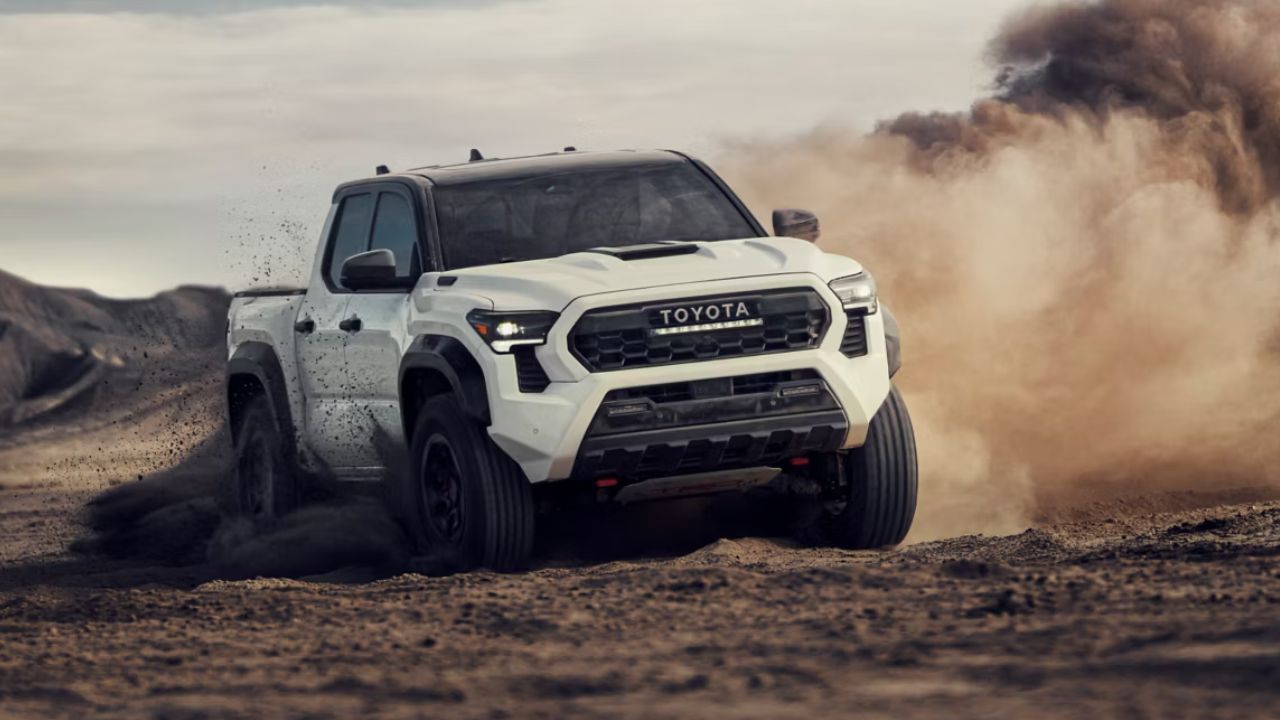
The Tacoma has built a cult following among truck enthusiasts who swear by its ability to keep running well past the 200,000-mile mark. Toyota’s reputation for reliability extends naturally to its mid-size pickup, which uses Toyota’s current 2.4-liter turbocharged i-FORCE four-cylinder powertrains (with an available i-FORCE MAX hybrid) and robust construction methods.
The truck’s resale value remains strong partly because buyers know they’re getting a vehicle that can handle daily commutes and weekend adventures without breaking the bank on repairs.
Ford F-150

America’s best-selling truck line (F Series in general), according to Statista, didn’t earn that title by accident: it’s been refined and improved over decades of real-world use. The F-150’s aluminum body panels might have raised eyebrows initially, but they’ve proven effective at reducing weight without sacrificing durability.
Ford’s various engine options, from the reliable V6 to the robust V8, give buyers flexibility while maintaining the truck’s reputation for longevity.
Chevrolet Silverado 1500

The Silverado represents GM’s commitment to building trucks that can handle whatever life throws at them. Its steel-aluminium construction and well-engineered drivetrain components have proven their worth in fleets across America, where downtime costs money.
The truck’s straightforward design philosophy means fewer complex systems that can fail, which translates to lower long-term maintenance costs.
Ram 1500

Chrysler’s pickup has undergone significant improvements in recent years, particularly in build quality and reliability ratings. The available powertrains provide impressive efficiency for highway miles, while the traditional V8 delivers the power that truck buyers expect.
Ram’s focus on ride quality doesn’t come at the expense of durability, creating a truck that’s comfortable for daily use and capable when work calls.
Toyota Tundra

While the Tundra might not match the sales numbers of domestic competitors, it compensates with Toyota’s legendary reliability reputation. Toyota has historically emphasized durability, though the latest Tundra generation introduced major powertrain changes compared with earlier V8-era models that might fail down the road.
Many Tundra owners report minimal unscheduled maintenance beyond regular service intervals, even after years of heavy use.
Nissan Frontier
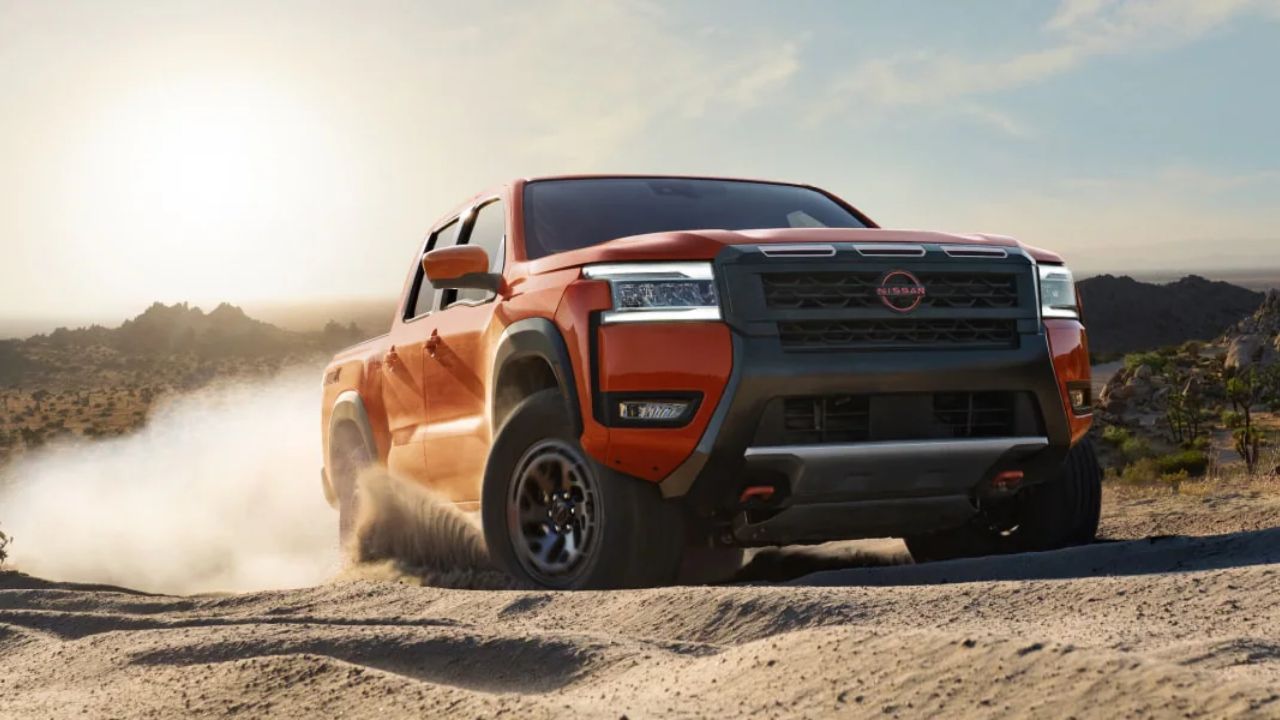
The Frontier flies under the radar in pickup truck conversations, but its simple, robust design has served owners well for years. Nissan’s focus on mechanical reliability over high-tech features appeals to buyers who want a straightforward work truck without unnecessary complications.
The truck’s smaller size makes it more maneuverable than full-size competitors while still offering genuine utility for most tasks.
Honda Ridgeline

Honda brought their car-making expertise to the pickup segment, resulting in a truck that prioritizes reliability and fuel efficiency. The unibody construction might seem unconventional, but it delivers a smooth ride and excellent build quality that Honda owners have come to expect.
While it may not appeal to traditional truck buyers, the Ridgeline offers impressive durability for those who need pickup functionality without the rougher edges of body-on-frame designs.
GMC Sierra 1500
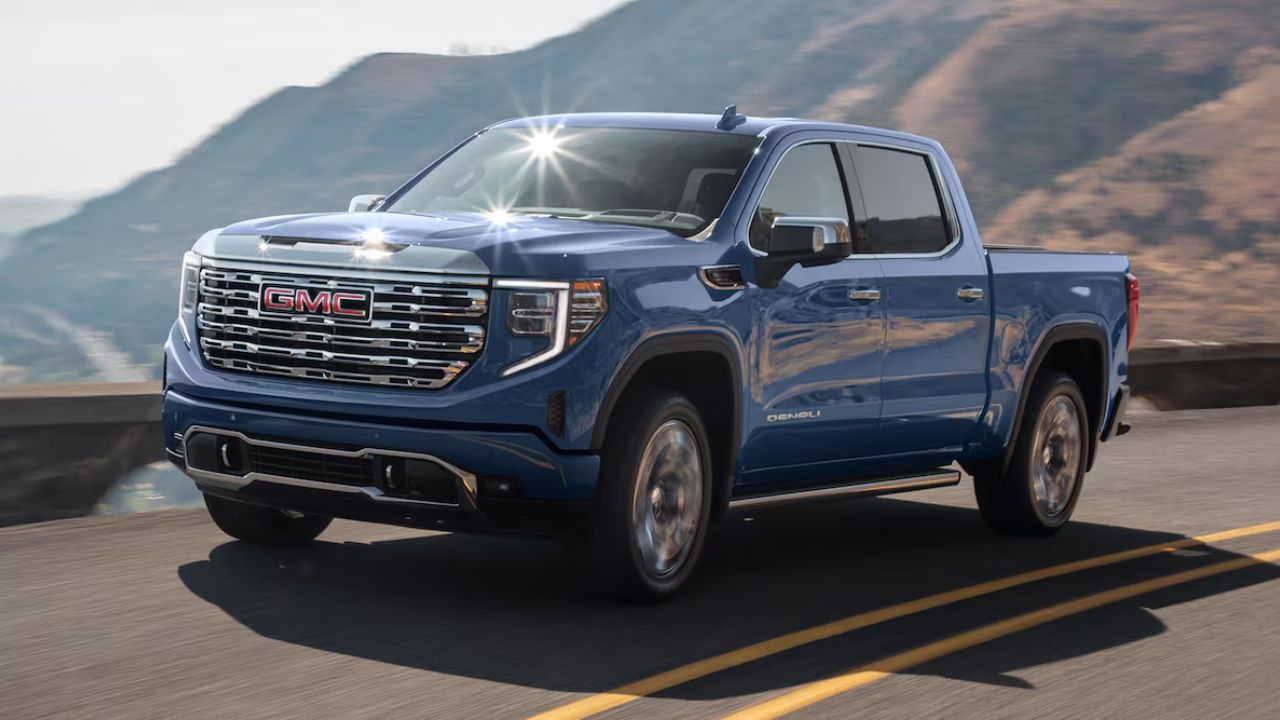
As Chevrolet’s more upscale sibling, the Sierra offers similar mechanical reliability with additional refinement. The truck benefits from GM’s extensive experience building pickups while adding features that make it more appealing for daily driving.
GMC’s attention to interior quality and noise reduction creates a more pleasant ownership experience without compromising the fundamental durability that buyers expect.
Ford Ranger
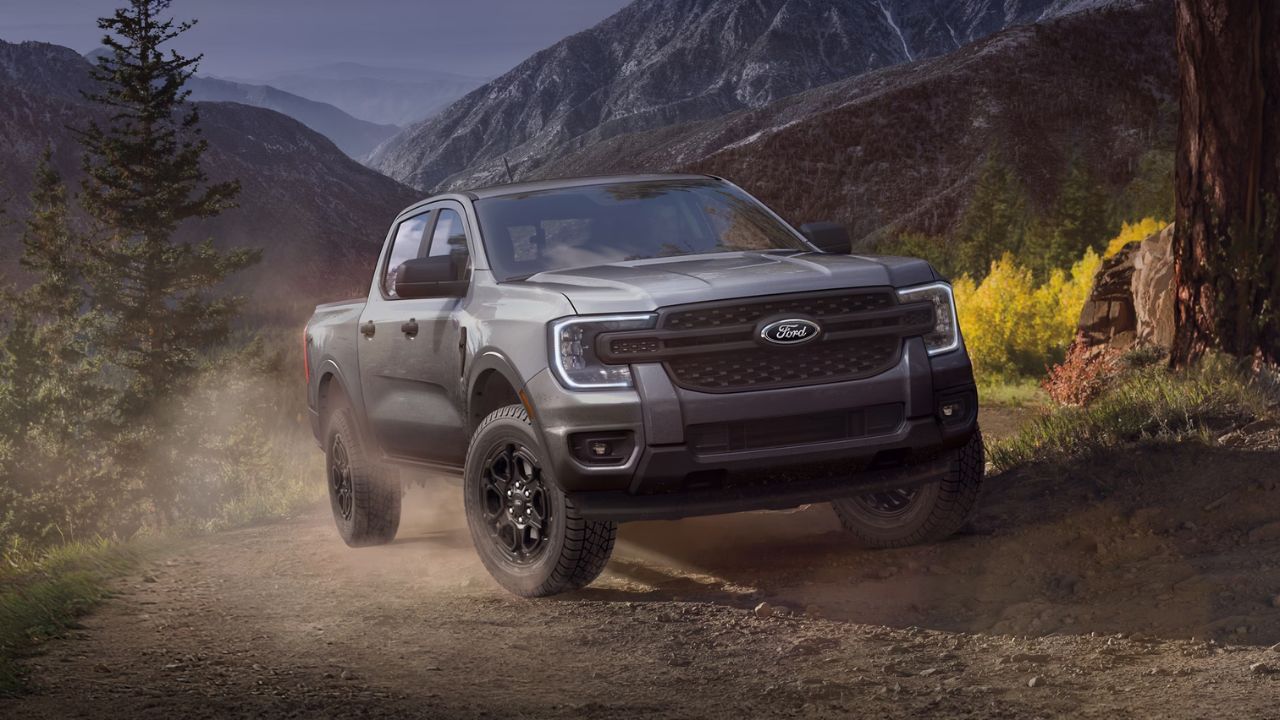
Ford’s return to the mid-size pickup segment brought decades of global truck-building experience to American buyers. The Ranger’s international origins mean it was designed to handle harsh conditions and developed for global markets and engineered for durability across a wide range of conditions.
This background translates to a truck that can handle American driving conditions with ease while offering better fuel economy than full-size alternatives.
Jeep Gladiator

The Gladiator combines Jeep’s off-road expertise with pickup truck utility, creating something unique in the segment. While it’s the newest entry on this list, it builds on the proven Wrangler platform that has demonstrated impressive durability over the years.
The truck’s specialized nature appeals to buyers who need both pickup capability and serious off-road performance in a single vehicle.
Chevrolet Colorado

GM’s mid-size offering provides many of the reliability benefits of the full-size Silverado in a more manageable package. Earlier Colorados offered a diesel option; the current-generation truck focuses on turbocharged gasoline power for those who prioritize efficiency over maximum capability.
The truck’s size makes it practical for urban environments while retaining enough capability for weekend projects and recreational activities.
The Bottom Line

Choosing a pickup truck that’ll serve you well for years comes down to matching your needs with proven reliability. These trucks have earned their reputations through consistent performance in real-world conditions, not just marketing promises. While features and styling trends come and go, the fundamental qualities that make these pickups dependable – solid engineering, quality materials, and robust construction – remain the foundation of long-term satisfaction.
Whether you need a work truck or a weekend warrior, focusing on these time-tested models will likely serve you better than chasing the latest bells and whistles.