
For the second year running, PCMag has taken the pulse of its readers to discover which electric and hybrid vehicles are truly winning hearts and minds on American roads. This year’s survey results paint a fascinating picture of the evolving EV landscape, where traditional automakers are holding their own against newer electric-focused brands.
The data reveals some unexpected champions across 11 different categories, from overall satisfaction to charging infrastructure. Whether you’re considering making the switch to electric or you’re already living that plug-in life, these reader-driven insights offer a real-world perspective that goes beyond the spec sheets and marketing promises.
Electric and Hybrid Vehicles Overall: Toyota

When PCMag readers were asked to crown an overall winner across the entire electric and hybrid spectrum, Toyota emerged victorious.
The Japanese automaker’s decades-long commitment to hybrid technology has clearly paid dividends, building a reputation that extends into the modern EV era. Toyota’s approach has always been about making electrified vehicles accessible and practical rather than flashy, and that philosophy resonates with everyday drivers who just want their car to work reliably.
It’s worth noting that this overall win reflects Toyota’s broad appeal across both hybrid and electric categories, suggesting that consistency across multiple vehicle types matters more to consumers than excelling in just one area.
Plug-In Hybrid Electric Vehicles: Toyota
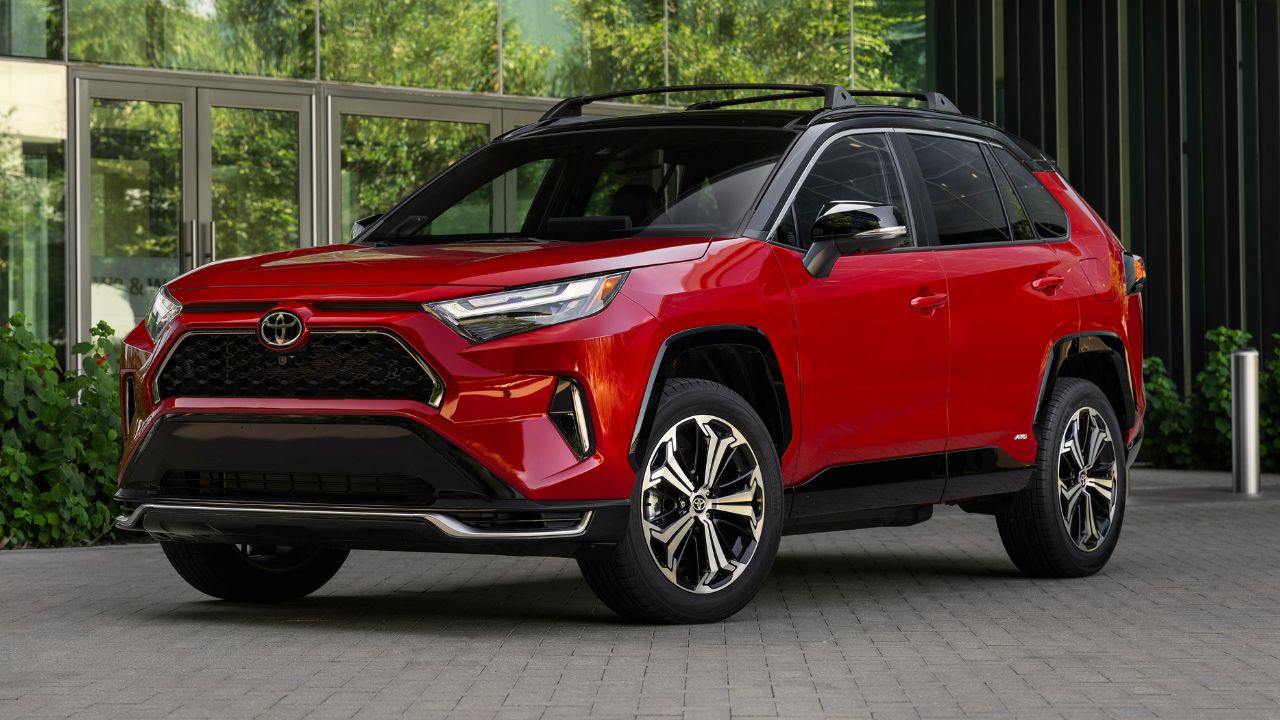
Toyota takes another victory lap in the plug-in hybrid category, proving that their expertise in dual-power systems runs deep.
PHEVs occupy an interesting middle ground in the automotive world, offering electric-only range for daily commutes while eliminating range anxiety for longer trips. Toyota’s plug-in offerings, like the RAV4 Prime, have struck a chord with drivers who want to go electric without fully committing to the charging station lifestyle.
For many Americans, particularly those without reliable home charging options or who frequently take road trips, a plug-in hybrid represents the sweet spot between internal combustion and full electrification.
Hybrid Vehicles: Toyota

If there’s one category where Toyota’s dominance feels almost inevitable, it’s traditional hybrids.
The company essentially wrote the book on mass-market hybrid technology with the Prius back in 1997, and they’ve spent nearly three decades refining the formula. Today’s Toyota hybrids span everything from compact sedans to three-row SUVs, giving buyers plenty of options regardless of their needs.
The brand’s hybrid system has become so refined and reliable that many drivers don’t even think of their vehicle as particularly special anymore, it just gets great gas mileage and never needs to be plugged in, which is perhaps the highest compliment you can pay to any technology.
Electric Vehicles: BMW

In a surprising twist, BMW claimed the top spot for pure electric vehicles, edging out brands that have built their entire identity around electrification.
The German luxury automaker has been steadily expanding its electric lineup, and clearly those efforts are resonating with PCMag’s readership. BMW’s EVs bring that signature driving dynamics the brand is known for, wrapped in electric powertrains that deliver instant torque and whisper-quiet operation.
What’s particularly worth noting here is that buyers aren’t just looking for transportation, they’re looking for vehicles that deliver the complete package of performance, luxury, and electric efficiency, and BMW seems to have found that balance.
Driving Range: Chevrolet

Chevrolet takes home the trophy for driving range, which speaks volumes about how far American EVs have come in recent years.
Range anxiety remains one of the biggest barriers to EV adoption, so earning top marks in this category is no small feat. The Chevy Bolt EUV and the electric Silverado offer impressive miles per charge, giving drivers the confidence to tackle longer journeys without constantly hunting for charging stations.
General Motors has clearly made range a priority in their electric vehicle development, understanding that American drivers often cover vast distances and need EVs that can keep up with their lifestyle without constant recharging stops.
Vehicle Reliability: Chevrolet
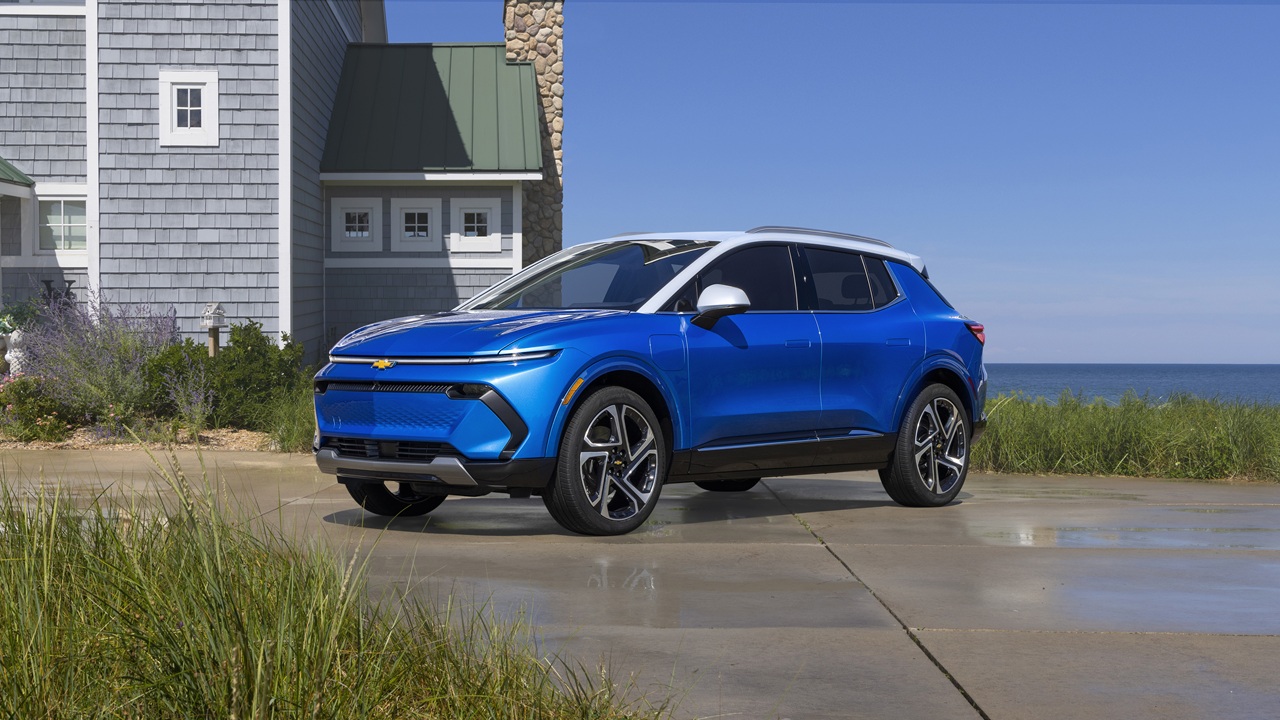
Reliability might not be the sexiest category in the automotive world, but it’s arguably the most important for long-term owner satisfaction.
Chevrolet’s win here suggests that their electric and hybrid vehicles are proving themselves in the real world, where daily dependability matters more than zero-to-60 times. For many buyers, especially those making their first leap into electrification, knowing that their vehicle will start every morning and get them where they need to go is paramount.
Chevy’s track record in this survey indicates they’re building EVs and hybrids that owners can count on, which is essential for converting skeptics and building long-term brand loyalty in the electric vehicle market.
Android Auto and Apple CarPlay Support: Chevrolet

In today’s connected world, smartphone integration isn’t just a nice-to-have feature, it’s practically essential.
Chevrolet scored highest marks for their implementation of both Android Auto and Apple CarPlay, the two dominant platforms for bringing your phone’s ecosystem into your dashboard. Good smartphone integration means seamless access to your favorite navigation apps, music streaming services, and messaging platforms while keeping your eyes on the road.
Chevrolet’s success in this category suggests they’ve nailed the user experience, making the connection process painless and the interface intuitive, which matters more to daily driving satisfaction than many people realize until they’ve experienced poorly implemented systems.
In-Vehicle GPS Navigation: Tesla

Tesla claimed the top spot for in-vehicle GPS navigation, and anyone who’s used their system understands why.
The company’s navigation goes beyond simple turn-by-turn directions, intelligently routing drivers through charging stations when needed and providing real-time updates about traffic conditions. Tesla’s large, responsive touchscreens make interacting with navigation almost tablet-like in its intuitiveness, and the system benefits from over-the-air updates that continually improve functionality.
While many drivers default to their phones for navigation, Tesla has created a built-in system that’s compelling enough to actually use, which is a genuine achievement in an era where smartphone navigation has become the default for most people.
In-Home Chargers: Tesla

Tesla’s expertise extends beyond the vehicle itself to the charging infrastructure that keeps them running, and their home charging solutions earned top marks from PCMag readers.
The Tesla Wall Connector offers a streamlined charging experience that integrates seamlessly with the vehicle, and the company’s approach to home charging has always emphasized simplicity and reliability. Setting up home charging can be daunting for first-time EV buyers, but Tesla has worked to make the process as straightforward as possible, from hardware selection to installation support.
Given that most EV charging happens at home overnight, having a reliable and efficient home charging solution isn’t just convenient, it’s fundamental to the entire ownership experience.
Charging Networks: Tesla

Tesla’s Supercharger network has long been considered the gold standard for public EV charging, and this survey confirms that reputation remains intact.
With over 50,000 Superchargers globally and thousands across the United States, Tesla has built an infrastructure that makes long-distance electric travel genuinely practical. The reliability of Supercharger stations, combined with their strategic placement along major highways and in urban areas, gives Tesla drivers confidence that they’ll find working chargers when they need them.
While other networks are expanding and improving, Tesla’s head start and consistent execution have created a charging experience that remains the benchmark against which all others are measured.
Apps For Locating Charging Stations: Tesla

Rounding out Tesla’s impressive sweep of charging-related categories, their app for locating charging stations earned the highest marks from survey respondents.
The Tesla app provides real-time information about Supercharger availability, showing how many stalls are open at each location and even how fast you can expect to charge based on current conditions. This level of detail eliminates much of the uncertainty that can make public charging stressful, allowing drivers to plan their stops with confidence.
The app’s integration with the vehicle’s navigation system means you’re never fumbling with multiple tools to plan a charging stop, and that seamless experience makes a tangible difference in reducing the friction of EV ownership.
Conclusion

PCMag’s second annual reader survey delivers a snapshot of the electric and hybrid vehicle landscape that’s both revealing and reassuring for prospective buyers.
Toyota’s dominance in hybrid categories reflects their long-standing expertise, while BMW’s electric vehicle win shows that traditional luxury automakers are successfully transitioning to electrification. Chevrolet’s strong showing in practical categories like range and reliability demonstrates that American manufacturers are building EVs that work for real-world driving conditions.
Tesla’s sweep of charging-related categories confirms their infrastructure advantage remains substantial, even as the broader charging network continues to expand and mature across the country.