
When you tell people you drive a Jaguar, they either assume you’re incredibly successful or incredibly reckless with money. For decades, the leaping cat has been the ride of choice for Bond villains, hedge fund managers, and that one neighbor who definitely has opinions about your lawn. But here’s the plot twist that’ll make your accountant do a double-take: some of the most satisfying Jaguars can be yours for less than what people spend on a lifted pickup truck (like, a really nice one).
Yes, you read that right. While your buddy is making payments on a $60,000 Ford F-150 that’ll never see anything more challenging than a Costco parking lot, you could be cruising in genuine British luxury. Before you start muttering about reliability horror stories your uncle’s friend’s barber told you in 1987, let us introduce you to some cats that purr instead of roar… at least when it comes to your wallet.
How We Selected These Jaguars
We know that some of the people reading these lists are quite knowledgeable when it comes to cars. We can see your comments that are full of experiences, opinions, and, well, more opinions. These may not be “overlooked” by Jaguar enthusiasts and those who know their classic cars. But every day car owners are likely not thinking about these cars (especially with that distracting new 00 Type concept that is not fully rendered), but we want to shine a light on some lesser-known Jaguars that are worth grabbing now.
When compiling this list, we aimed to highlight cars that truly represent value in today’s used car market. For us, “value” meant more than just a low sticker price; it also had to include reasonable upkeep, a strong reputation for reliability, and the ability to deliver that unmistakable Jaguar experience.
While every used car comes with its own quirks, the Jaguars we selected stand out for offering a combination of luxury, style, and affordability. Most importantly, these are cars that we feel deliver the full Jaguar essence without the intimidating costs often associated with the brand. Think of this as your guide to Jaguars that still feel special but won’t keep you up at night worrying about repair bills.
Jaguar S-Type (1999–2008) – $4,000
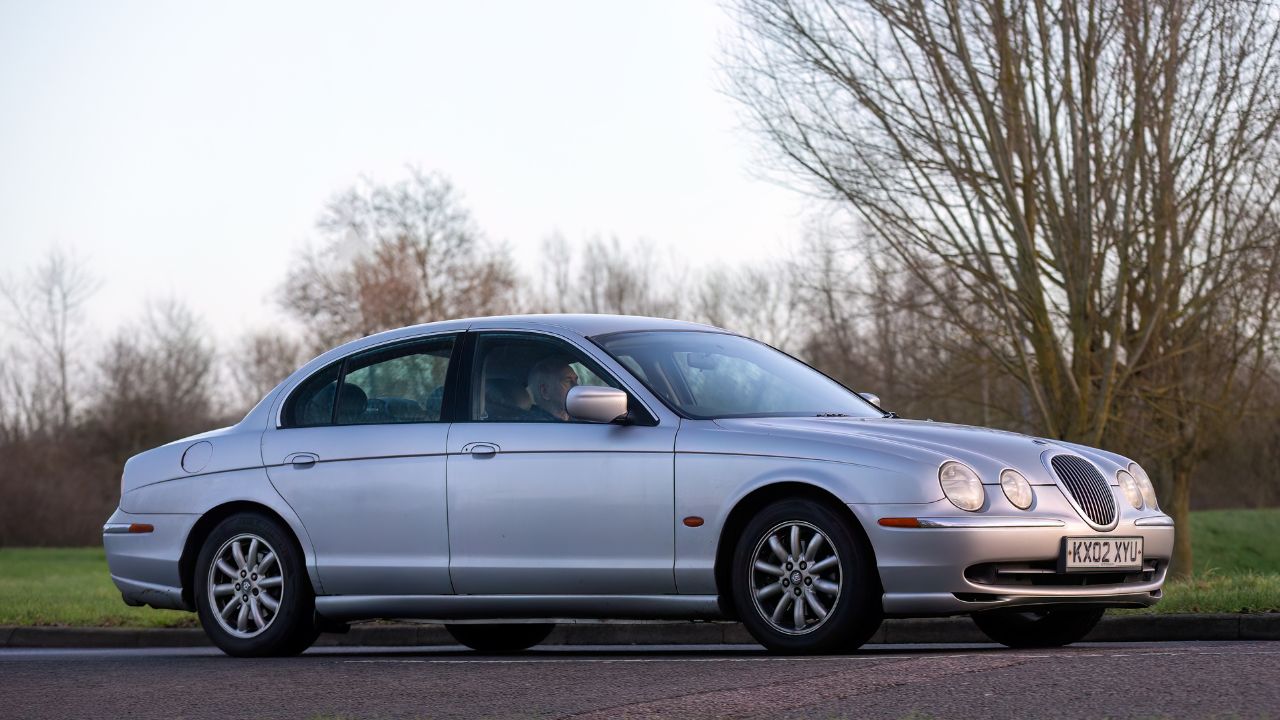
The S-Type is the Jan Brady of the Jaguar family: overlooked, underappreciated, and secretly the best value in the bunch. Ford’s influence during this era might make purists clutch their pearls, but it also means you get practicality wrapped in genuinely gorgeous sheetmetal.
The S-Type packs a 3.0-liter V6 producing 240 horsepower, or if you’re feeling spicy, a 4.2-liter V8 that pumps out 300 horsepower. That’s enough grunt to make merging onto the highway feel like a diplomatic mission rather than a prayer. The ride quality is sublime, soaking up road imperfections like a British butler absorbing awkward social situations.
The best part? You can find clean examples for under $5,000, which is less than what some people spend on wheels for their modified Honda Civic. Maintenance costs are shockingly reasonable, partly thanks to shared components with Ford products. Your local mechanic won’t need to mortgage his house to stock parts, and you won’t need a PhD in British engineering to keep it running.
Early S-Types were known for electrical and water-ingress related issues; the 2003 facelift improved things, but condition and maintenance history matter more than model year. Find a well-maintained example from the later years and you’ve got yourself a genuine luxury sedan that’ll make you feel like you’re arriving somewhere important, even if it’s just the grocery store.
Jaguar X-Type (2001–2009) – $4,000

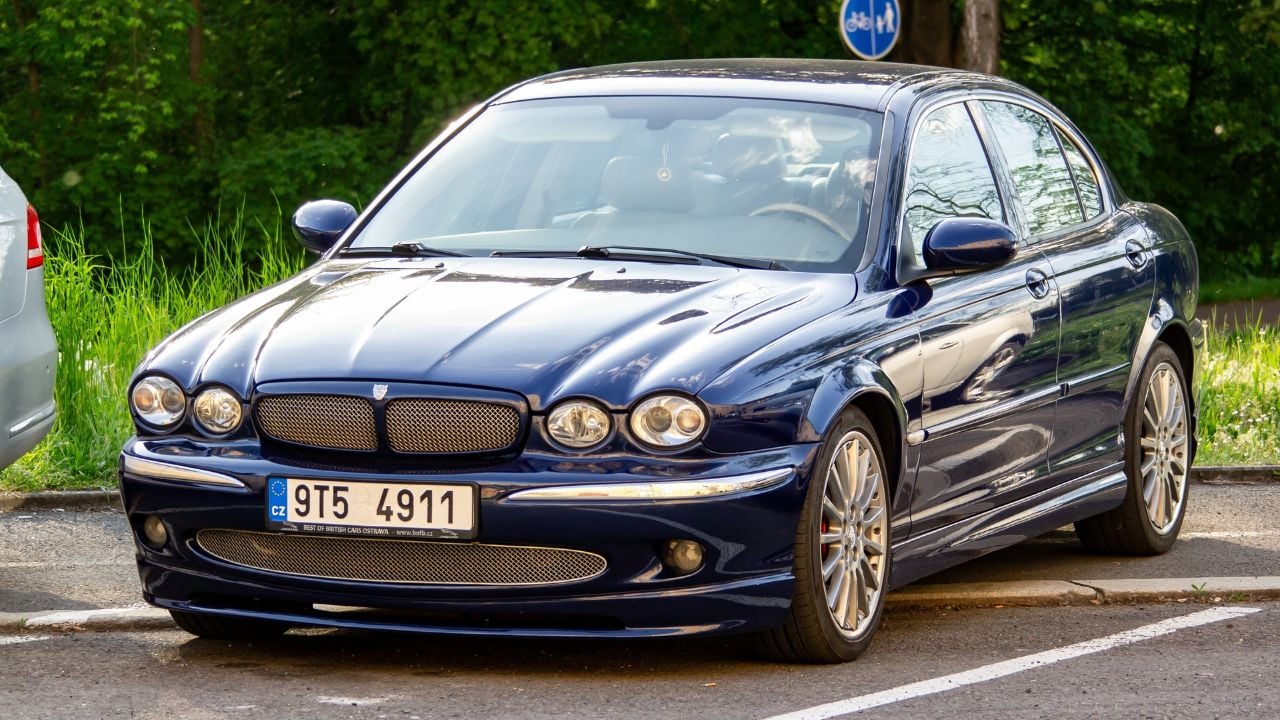
Ah, the X-Type: the Jaguar that made purists angrier than a wet cat. Built on Ford’s CD132 platform (shared with the Mondeo), it was Jaguar’s attempt to go downmarket without losing its dignity. Spoiler alert: it mostly worked.
Yes, the X-Type shares its bones with more pedestrian machinery, but so what? That Ford DNA means parts are cheaper, mechanics actually know how to work on it, and reliability is far better than the British luxury car stereotype suggests. The available all-wheel-drive system is particularly sweet, Early X-Types used a full-time AWD system with a center differential and a viscous coupling (default 60/40 rear/front). It’s not the same system as the Ford Escape or Volvo S60, which means it actually functions in snow instead of just looking confused.
The interior still feels properly Jaguar-ish, with wood trim, leather appointments, and the kind of switchgear that makes everyday tasks feel ceremonial. The 2.5-liter V6 produces a respectable 194 hp, while the latter 3.0-liter bumps that up to 227 horsepower. Neither will pin you to your seat, but they’ll move you along with the kind of refined urgency that makes traffic jams almost tolerable.
At around $4,000 for decent examples, the X-Type represents stupendous value. It’s proof that sometimes the best way to gain entry into a luxury brand is through the back door, especially when that door was engineered in Cologne rather than Coventry.
Jaguar XJ8 (X308) (1997–2003) – $5,000
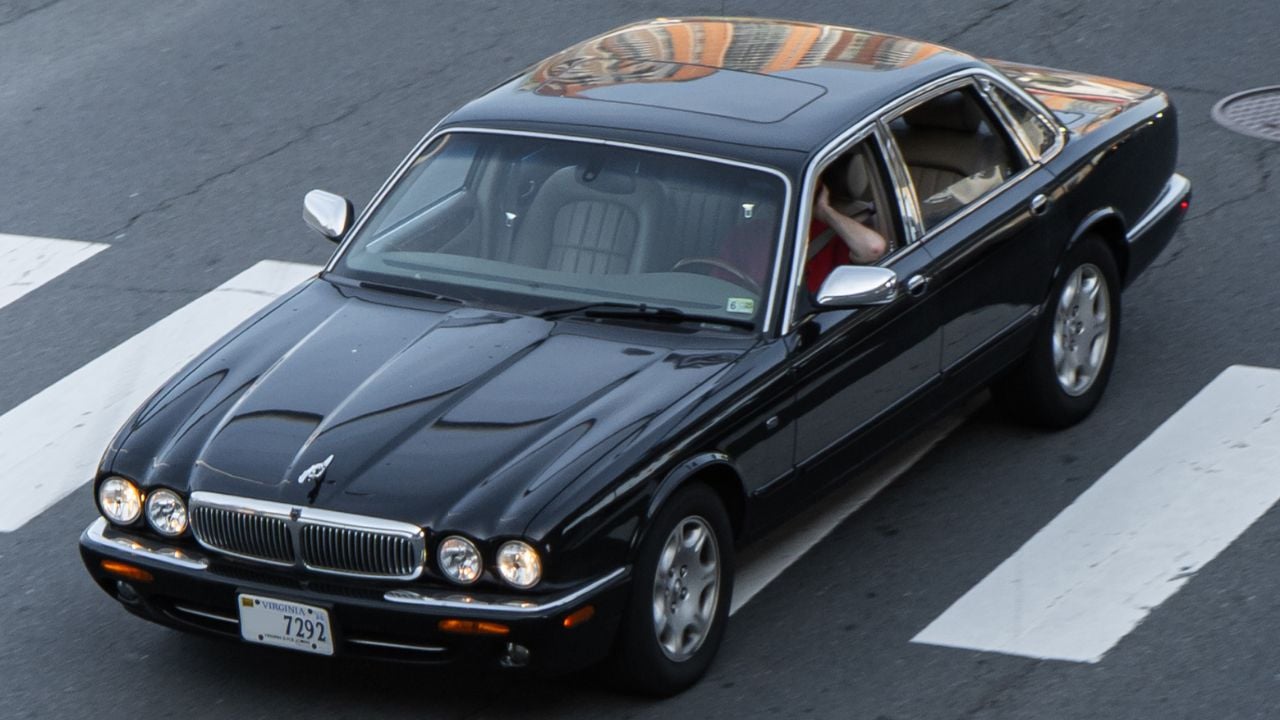
If the S-Type is Jan Brady, then the XJ8 is the family patriarch who still commands respect at Sunday dinner. This is peak traditional Jaguar: all swooping lines, chrome details, and the kind of presence that makes other cars look like they’re trying too hard.
The X308 generation ditched the previous XJ’s notorious V12 for a much more sensible 4.0-liter V8 engine producing 290 hp. This wasn’t just about fuel economy (though that improved dramatically); the V8 was lighter and generally easier to service than the outgoing V12 setup, though the X308 has its own known age-related issues, and easier to service. The result was a car that felt more athletic while still delivering the pillowy ride quality that made XJs the choice of prime ministers and captains of industry.
Inside, you’re treated to acres of leather, real wood veneer, and the kind of build quality that makes modern cars feel like they were assembled by caffeinated teenagers. The rear seats are particularly sublime; if you’ve ever wondered what it feels like to be chauffeured around like royalty, this is your affordable ticket to that experience.
At around $5,000, a good XJ8 represents one of the best luxury car bargains on the planet. Yes, it’s from the era when British electronics were still figuring out basic concepts like “working consistently,” but most of the major issues have been sorted by now. Find one with service records, and you’ve got a car that’ll make every arrival feel like a state visit.
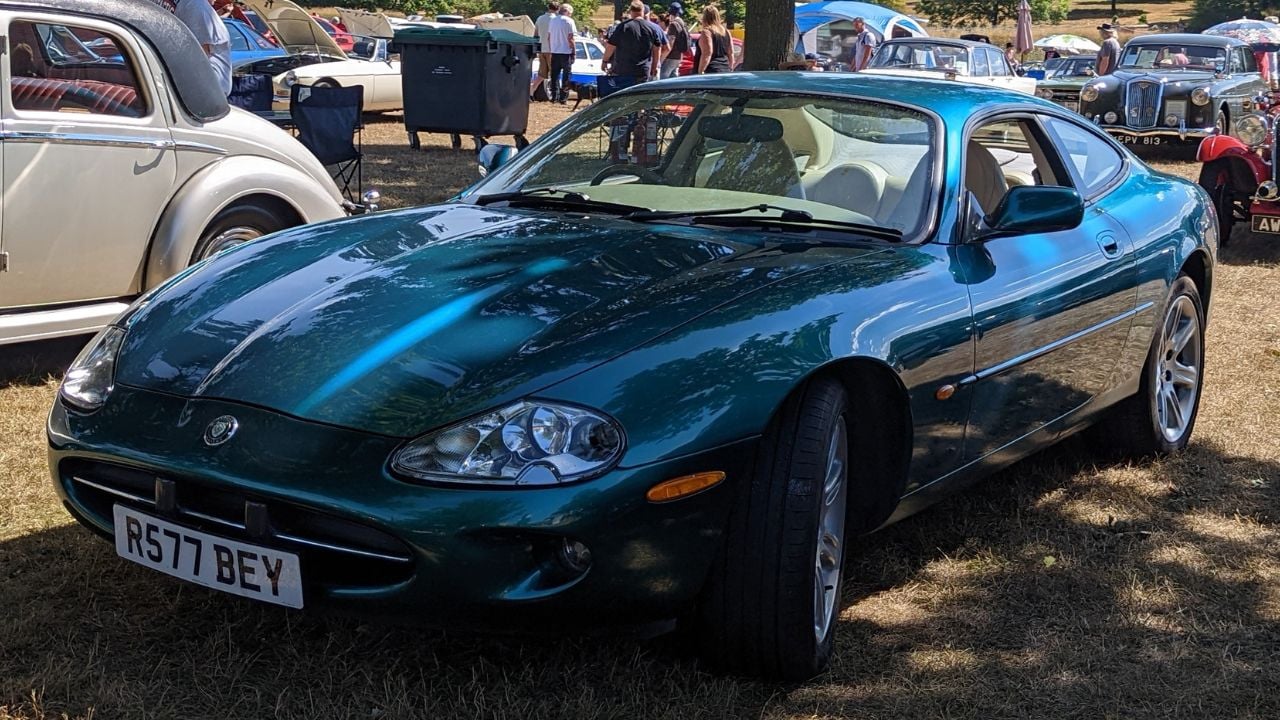
Jaguar XK8 (1996–2006) – $8,000
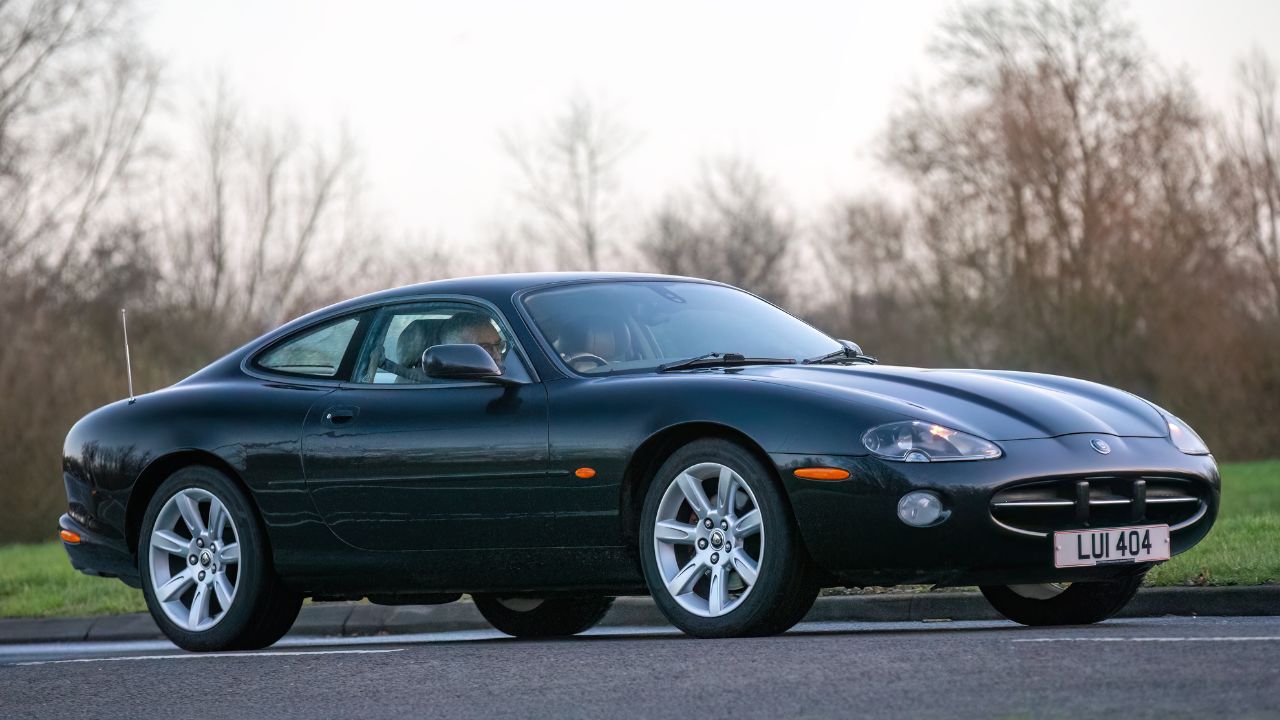
The XK8 marked Jaguar’s triumphant return to proper grand touring after years of making cars that looked fast but drove like luxury barges with commitment issues. This is the car that reminded everyone why Jaguar bothered making sports cars in the first place.
That gorgeous body hides a 4.0-liter V8 producing 290 hp in early models, increasing to 300 hp later on. It’s not earth-shattering by today’s standards, but it’s more than enough to make the XK8 feel properly quick. The chassis is beautifully balanced: it’s not a track weapon, but it’ll carve through corners with the kind of grace that makes driving feel like a gentleman’s pursuit rather than a video game.
The coupe is stunning, but the convertible is where the XK8 really shines. There’s something deeply satisfying about dropping the top and letting that V8 soundtrack provide the background music to your weekend drives. It’s the kind of car that makes you want to wear driving gloves and take the scenic route, even if you’re just going to Home Depot.
At around $8,000, the XK8 offers sports car thrills without the typical British sports car reliability roulette. Sure, the some early AJ-V8s had Nikasil bore wear concerns in high-sulfur fuel markets; many surviving cars have either been updated or are unaffected, but most of those problems have been addressed by now. Find a well-sorted example, and you’ve got a genuine grand tourer for the price of a decent used Mustang.
Jaguar XF (2008–2015) – $12,000
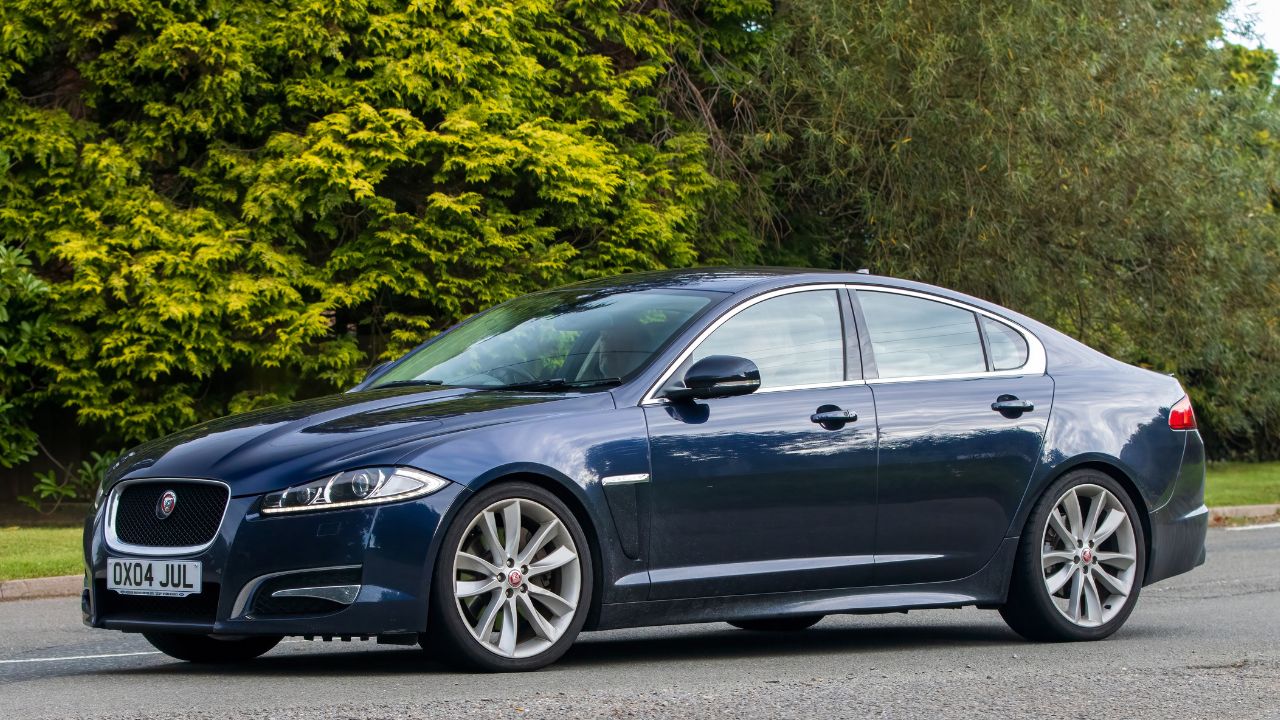
The XF was Jaguar’s “oh snap, we need to compete with BMW” moment, and thankfully, they didn’t embarrass themselves. This was the car that finally dragged Jaguar, kicking and screaming, into the 21st century, with modern styling that didn’t resemble something designed by someone pining for 1962.
The party piece was the rotary gear selector that rose from the center console when the car was started. It was completely unnecessary theater, but it was exactly the kind of unnecessary theater that reminded you this wasn’t just another luxury sedan. The interior design was a revelation: modern without being cold, luxurious without being stuffy.
Engine options ranged from a 3.0-liter V6 to a supercharged 5.0-liter V8 in the XFR, but the naturally aspirated 3.0-liter V6 (about 238 hp / 240 PS) was the entry petrol engine early on, while later models also offered a supercharged 3.0-liter V6. The chassis was finally tuned for engagement rather than just comfort, striking a balance that made the XF genuinely fun to drive while still being comfortable enough for daily duties.
At around $12,000, a good XF represents the sweet spot between old-school Jaguar elegance and modern competence. It’s reliable enough to be a daily driver, stylish enough to make you feel special, and just different enough from the German competition to spark conversations in parking lots.
Jaguar XKR (2006–2014) – $13,000
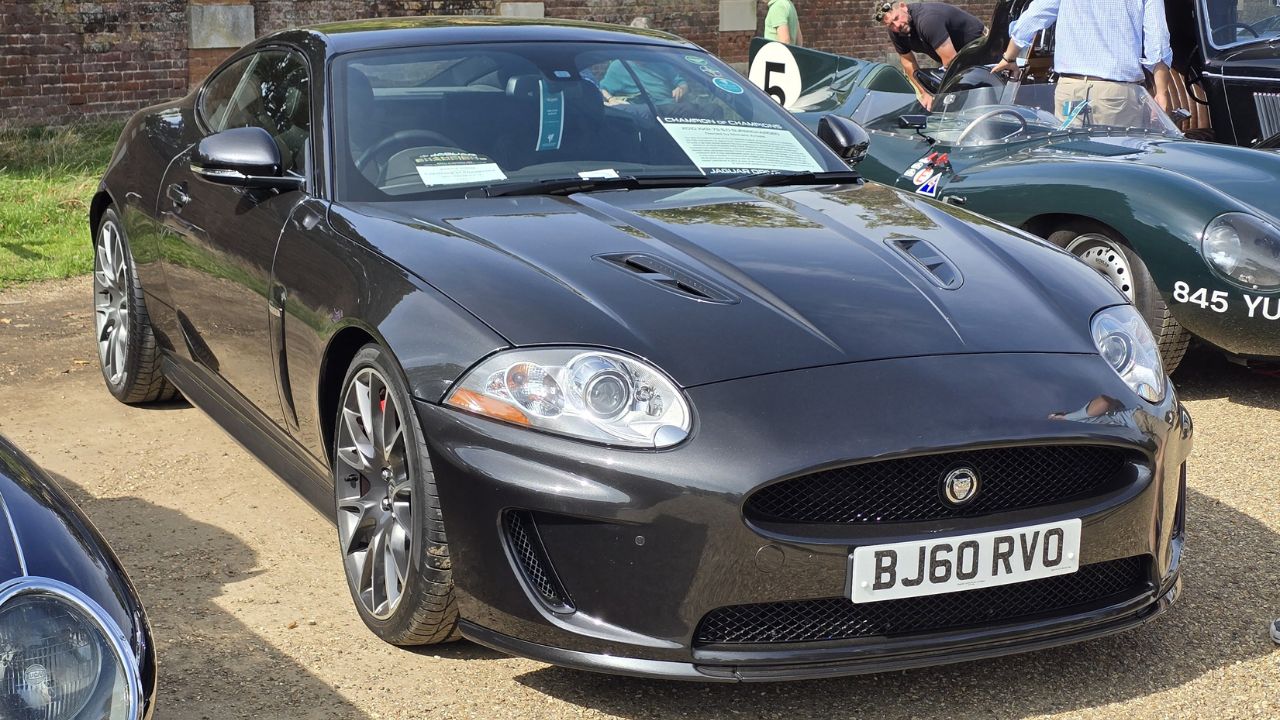
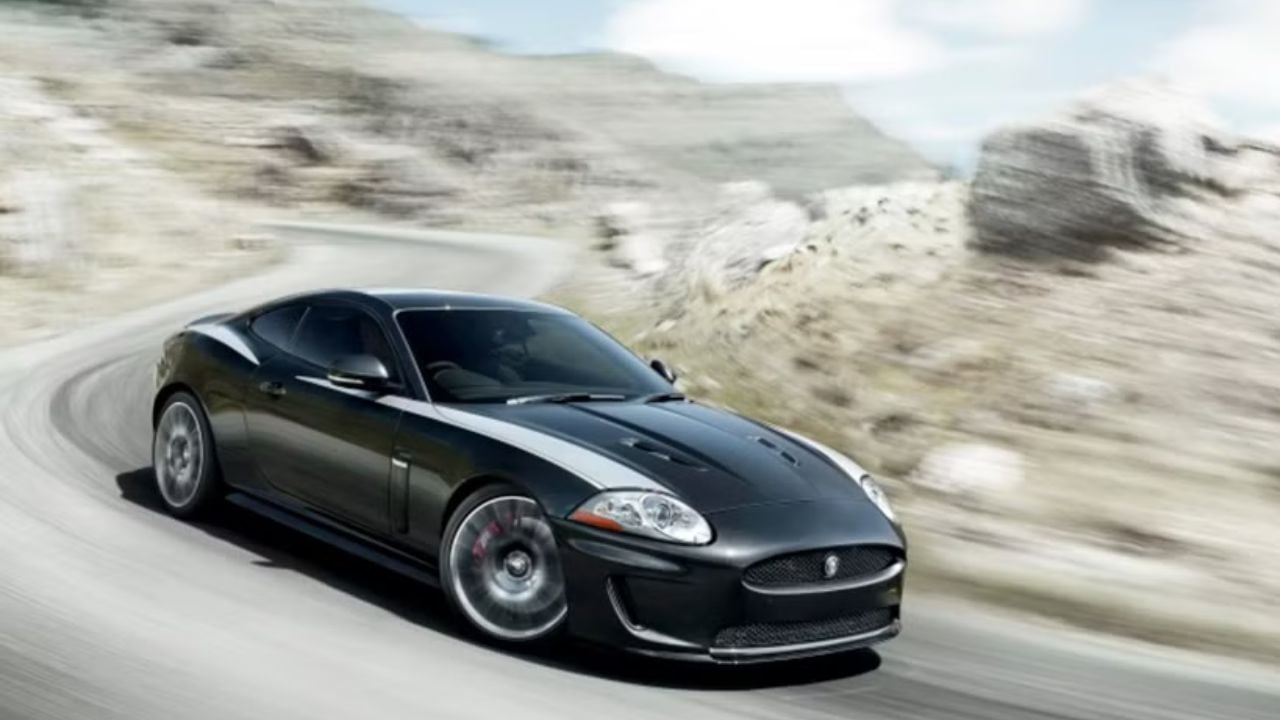
Take the already handsome XK8, add a supercharger, some aggressive bodywork, and the kind of exhaust note that makes small children giggle with delight: congratulations, you’ve just created the XKR. This is what happens when Jaguar decides to take performance seriously while maintaining its commitment to style.
The 2007–2009 XKR used a supercharged 4.2-liter V8 making about 420 hp; the 2010-on XKR switched to a supercharged 5.0-liter V8, with versions rated around 510 hp, which is enough to make the XKR genuinely quick. But more importantly, it sounds absolutely magnificent doing it. The exhaust note is part opera, part NASCAR, and completely addictive. It’s the kind of car that makes you find excuses to go for drives, preferably through tunnels.
The styling updates over the standard XK are subtle but effective: more aggressive bumpers, functional side vents, and wheel designs that suggest this cat has claws. The interior gets sportier touches without sacrificing the luxury appointments that make long drives a pleasure rather than an endurance test.
At around $13,000, the XKR offers supercar performance in a package that won’t attract unwanted attention from law enforcement or your homeowner’s association. It’s civilized enough for daily use but wild enough to remind you why you fell in love with cars in the first place.
Jaguar XJ (X351) (2009–2019) – $20,000
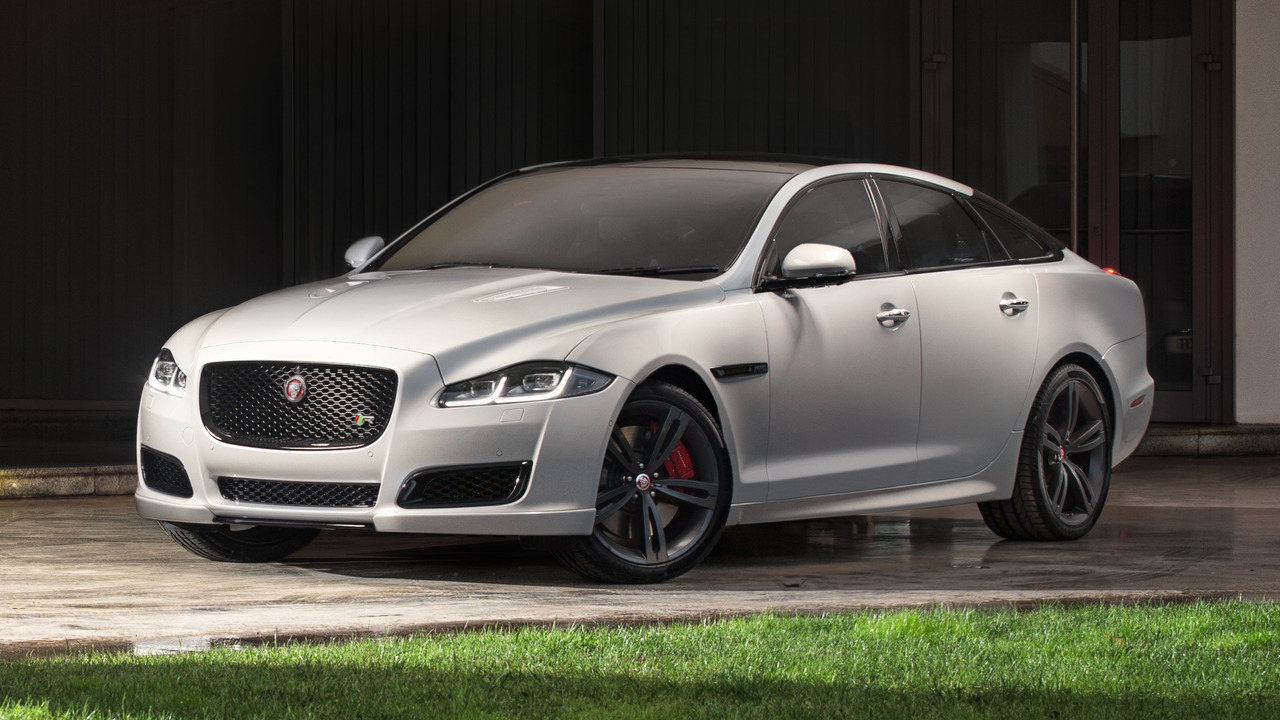
The X351 XJ was Jaguar’s bold statement that they weren’t going to play it safe anymore. Gone were the retro styling cues and traditional proportions: this XJ looked like it had been beamed back from 2030, and somehow it worked brilliantly.
The aluminum-intensive construction significantly reduced weight versus earlier steel-bodied XJs, improving agility, which transformed the driving experience. Suddenly, Jaguar’s flagship felt athletic rather than stately, engaging rather than merely comfortable. The available supercharged V8 options provided serious performance, while even the base V6 models felt properly quick.
Inside, the XJ finally looked and felt like it belonged in the modern luxury car conversation. The materials were top-notch, the design was contemporary without being trendy, and the rear seats remained palatial enough to make you consider hiring a chauffeur just to experience them properly.
At around $20,000, the X351 XJ represents luxury flagship motoring at a fraction of its original price. It’s proof that sometimes the best way to buy a car that originally started around the low-$70,000s in the U.S., and could climb well past $90,000 (and over $110,000 for top trims) depending on wheelbase and trim. Your patience will be rewarded with one of the most distinctive luxury sedans ever built.
Luxury Within Reach
Here’s the thing about these Jaguars: they’re not perfect, but they’re perfectly good enough to deliver the genuine luxury car experience without requiring you to keep a British automotive specialist on retainer. They prove that with a little patience and research, you can join the ranks of Jaguar owners without needing to explain to your spouse why the grocery budget is now funding exotic car maintenance and they’re left eating ramen noodles.
Each of these cars offers something different: from the understated elegance of the S-Type to the modern sophistication of the X351 XJ. What they all share is the ability to make ordinary trips feel special, to turn heads in parking lots, and to remind you every time you grab the keys that you’re driving something genuinely special.
So while your friends are arguing over whether to lease another German luxury box or finance a pickup truck they’ll never use properly, you can be quietly enjoying the road less traveled in a car that was designed by people who understood that the journey to get there should be just as important as arriving.