
Buying a used electric car sounds like a smart move, especially now with gas prices rising and more people looking for EVs. But for one woman, as Motor1 highlights, things went south fast, and her story is a wake-up call for anyone eyeing a secondhand Tesla.
She had found a used 2018 Model S that seemed perfect. It was spotless inside and out and basically looked brand new. Not long after she brought it home, though, she ran straight into a nightmare. The car broke down, and the repair bill was jaw-dropping. Even worse, she could not even drive the thing.
The Trouble Hides Under the Hood
At first, the car ran fine and looked great. No weird noises, no dashboard warnings, just a smooth driving experience. But within days, she noticed something strange with the battery. After charging up to 80 to 90 percent, the energy level dropped almost right away. She could not figure it out. Why was the power draining so quickly?

Things just spiraled from there. During a simple commute, the battery kept dropping much faster than it should. Hoping a top up would help, she took it to a Tesla Supercharger. That is when it got worse. The car flashed error messages, and the battery was completely done. Now, it would not charge at all.
That great deal she celebrated had suddenly become a huge headache. The real issue was not just the broken battery. It was the fact that fixing it was not covered by warranty.
By the time this happened, the car had racked up over 110,000 miles. It was a 2018 model, and its battery warranty had already run out. Tesla Model S batteries come with either an eight-year or 150,000-mile warranty, whichever comes first.
So, the entire cost, about 16,000 dollars, was on her. No backup, no help. The car expert who shared her story pointed out that this is not rare. Many buyers get caught up in how a car looks or the sticker price, but skip checking the battery’s health or whether there is any warranty left. In her case, that lack of research turned into a very expensive lesson.
At this point, the best move might have been to try to undo the deal with the dealership or go the legal route. Either way, she now owns a car she cannot use unless she pays the equivalent of a new compact car to fix it.
What’s the Real Lesson for Used EV Shoppers?

Stories like this sound scary, but that does not mean electric cars are always trouble. Battery failures have become much less common in recent models. In fact, InsiderEVs revealed that from 2017 to 2021 have about a 2 percent battery replacement rate, which is far better than older versions. Newer batteries are simply more reliable.
Still, buying a used EV is a different situation. Gas cars usually give some warning, such as worn brakes or engine noise, but EV batteries can fail suddenly, and replacing them can cost more than the car itself.
That is why checking battery health, confirming whether any warranty remains, and reviewing the car’s service history are so important. There are also some independent repair shops that can fix battery modules for far less than a full replacement, so it is worth exploring those options.
Skip those steps, and you could easily end up in the same situation.
An Expensive Lesson Learned
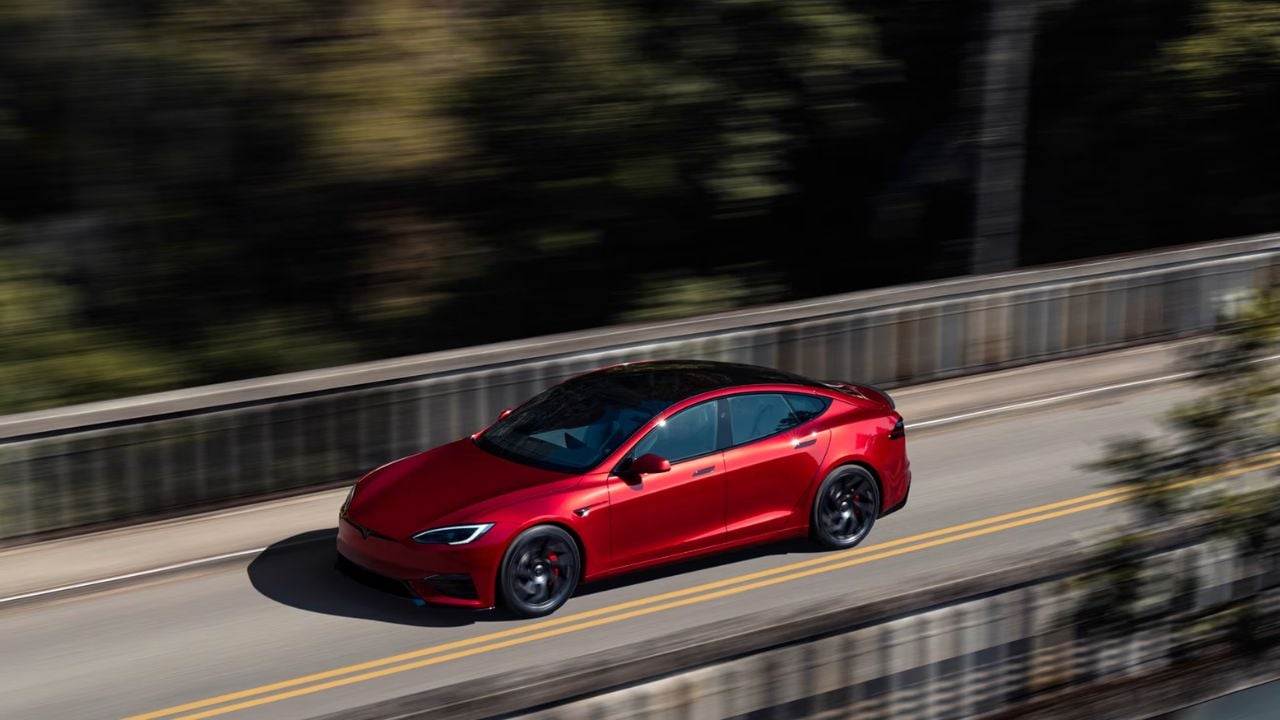
This woman’s experience shows that a shiny car and a good deal do not always go hand in hand.
Her words summed it up clearly. “I didn’t do my research.” That simple oversight turned into a 16,000 dollar problem.
Used electric cars can still be a smart buy, but only if you understand what you are getting into. Battery health, warranty status, and potential repair costs matter just as much as how the car looks or how much you pay upfront.
The bottom line is simple. Do your homework. Otherwise, you risk learning the hard and expensive way.