The automotive graveyard is littered with once-mighty brands that ruled the roads, dominated showrooms, and inspired countless Sunday afternoon garage sessions. These car companies were once cultural institutions that defined generations, sparked rivalries, and occasionally made decisions so baffling that we’re still scratching our heads decades later.
From muscle car heroes to compact car zeros, luxury legends to economy experiments gone wrong, the automotive industry has seen more comebacks and catastrophic failures than a Vegas lounge singer. Some brands died noble deaths, victims of changing times and impossible economics. Others? Well, let’s just say they committed automotive suicide with all the grace of a drunk driver in a Formula 1 race.
So grab your favorite beverage, settle into that creaky garage chair, and let’s take a trip through the automotive afterlife. These are the brands that once made hearts race and wallets empty, and the often sad yet hilarious stories of how they managed to mess it all up. Surviving brands should use this as a cautionary tale.
Love Them Or Hate Them, Let’s Remember Them

If you take a closer look, really squint, you’ll find hundreds of carmakers that didn’t make it to see 2025. These could be carmakers that couldn’t survive the aftermath of World War I, innovative tech brands that hoped to change the future of driving but instead gave us pretentious EVs, and obscure supercar hopefuls. However, we wanted to focus on brands that had at least a bit of an impact on the industry, and on us.
To compile this list, we researched automotive history archives, industry reports, and enthusiast forums to identify car brands that were once widely recognized but no longer exist as standalone entities. We focused on brands that had a strong presence in the U.S. or global markets, played a significant role in automotive culture, and yet eventually ceased operations.
Our goal was to create a diverse mix, from luxury marques to economy innovators, to showcase the breadth of the industry’s evolution. We also prioritized brands with interesting stories behind their rise and fall because sometimes, the reasons they disappeared are just as fascinating as the cars themselves. In fact, sometimes it makes us feel a little better about our own mistakes (which often didn’t have million-dollar, business-ending consequences).
Pontiac

Ah, Pontiac, the brand that gave us “We Build Excitement” while simultaneously building some of the most aggressively mediocre cars of the 2000s. For decades, Pontiac was the cool uncle of GM’s family, the one who taught you how to do burnouts and showed up to family reunions in a Trans Am with T-tops.
Pontiac’s golden years stretched from the 1960s through the early 1980s, when they unleashed automotive legends like the GTO (often credited with popularizing the muscle-car formula, though “first muscle car” is debated) and the fire-breathing Firebird Trans Am that made Knight Rider possible. And let’s not forget the 455 Super Duty engine, which was basically GM’s way of saying, “We dare you to try and keep up.”
Somewhere around the late 1980s, Pontiac lost its way faster than a GPS in a tunnel. The brand that once built tire-shredding monsters suddenly thought badge-engineering Chevrolets and calling them “performance cars” was a winning strategy. The Aztek, a vehicle so aesthetically challenged it made the Edsel look like a Maserati, became the poster child for everything wrong with late-period Pontiac. It was as if the design team was playing automotive limbo and asked, “How ugly can we go?”
By 2008, when GM was circling the financial drain like a dying goldfish, Pontiac had become the automotive equivalent of that friend who peaked in high school. Sure, they still talked about their glory days, but nobody was buying it, literally. GM pulled the plug in 2010, ending 84 years of what started as genuine excitement and ended with corporate embarrassment.
Oldsmobile
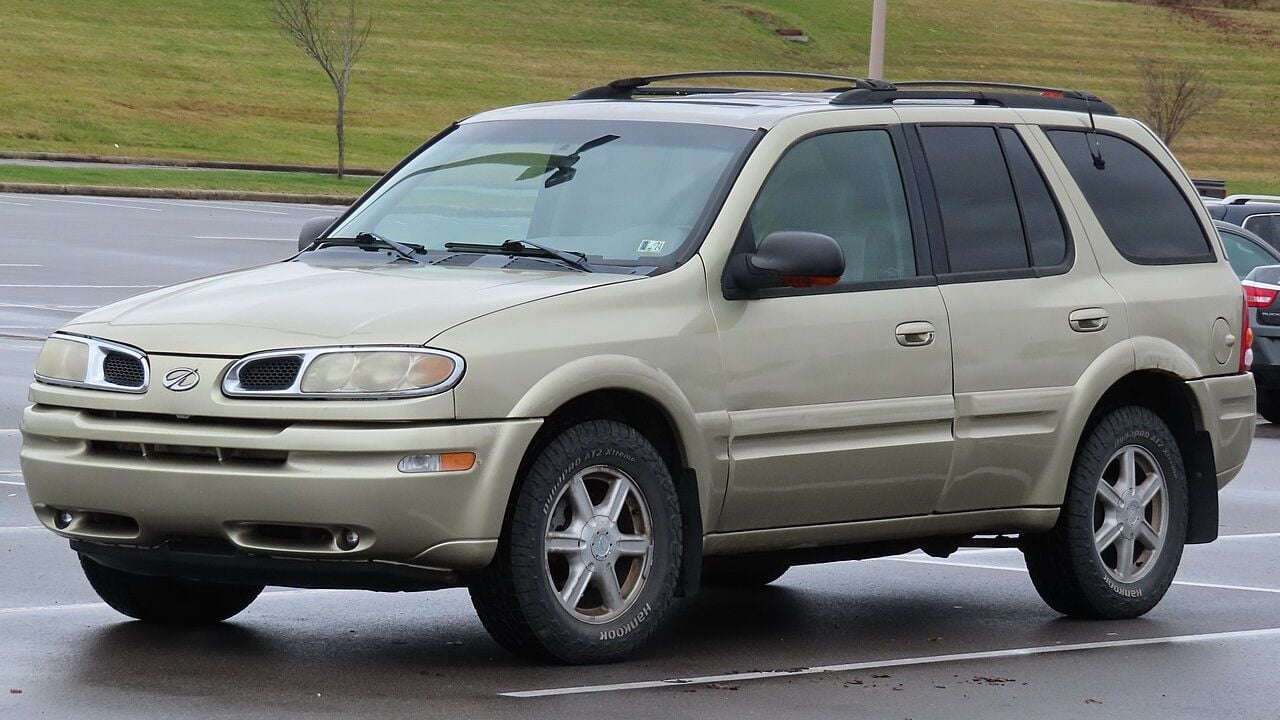
“This is not your father’s Oldsmobile!” they proclaimed in the 1980s, desperately trying to shed their image as the automotive equivalent of sensible shoes. The irony? They were absolutely right, because your father’s Oldsmobile was actually worth owning.
Founded in 1897 by Ransom E. Olds (yes, that’s where REO Speedwagon got their name), Oldsmobile was once the innovator of the automotive world. The Curved Dash Oldsmobile is often credited as the first mass-produced American car. Olds used an early stationary/progressive assembly process, while Ford introduced the first moving assembly line for mass production of an entire automobile in 1913. The Rocket V8 engine they introduced in 1949 was so revolutionary that it made other manufacturers scramble to catch up, like kids chasing an ice cream truck.
Oldsmobile’s muscle car credentials were solid gold. The 4-4-2 originally referred to a 4-barrel carburetor, 4-speed manual, and dual exhausts; Oldsmobile later reinterpreted the meaning as specifications changed. The Cutlass line was America’s best-selling car line in 1976 (and remained a major sales force in that era), a feat roughly equivalent to getting everyone in the country to agree on pizza toppings.
So what went wrong? Simple: they forgot what made them special. By the 1990s, Oldsmobile was selling rebadged Chevrolets and Pontiacs to an increasingly confused customer base. The Intrigue was actually a decent car, but it arrived about 15 years too late to save the brand’s reputation. GM tried everything short of a séance to resurrect Oldsmobile’s cool factor, but you can’t fix decades of boring with a single good car.
The brand died in 2004 after 107 years, proving that even automotive royalty isn’t immune to corporate stupidity. And that maybe name changes could help with rebranding.
Saturn
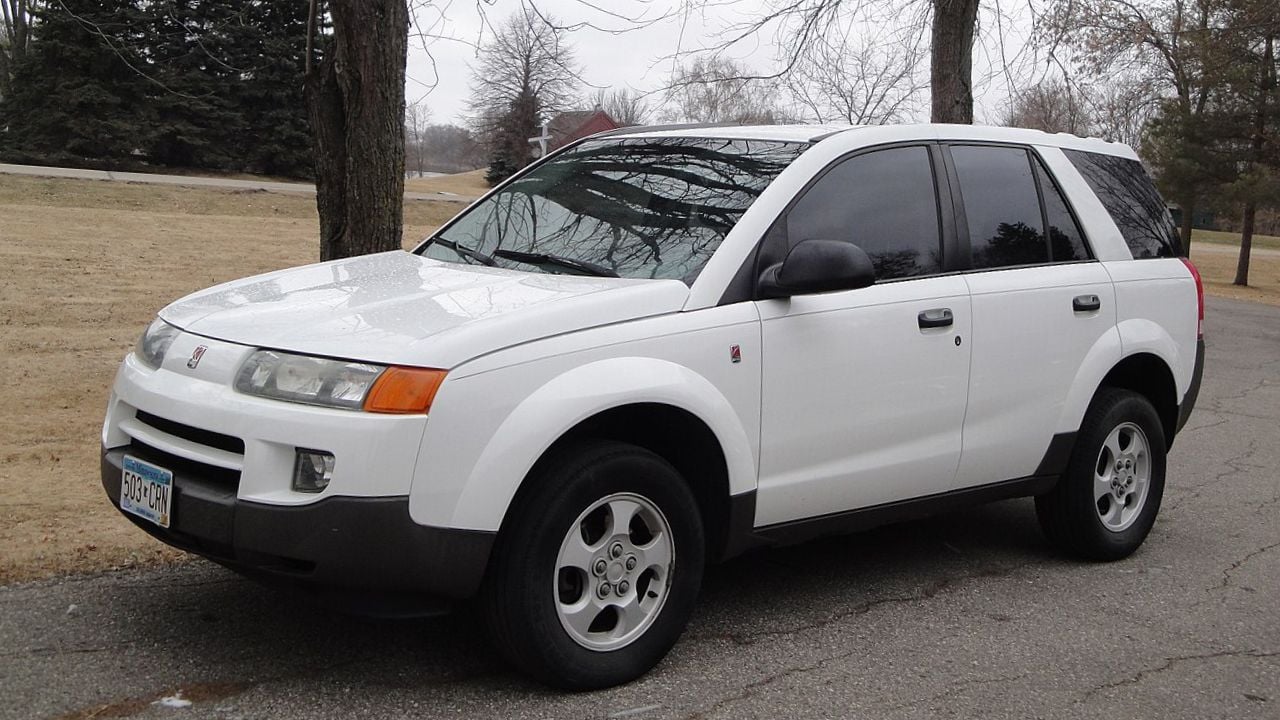
Saturn was established in 1985 as a GM initiative, with production beginning in 1990 and retail sales starting soon after with more fanfare than a space shuttle mission and promises bigger than Texas. GM swore this time would be different, no more badge engineering, no more dealer shenanigans, no more of the corporate BS that had been killing American car sales faster than rust kills Midwest winters.
The concept was brilliant: build a completely separate company, give it its own factory in Tennessee, implement no-haggle pricing, and focus on customer service so good it would make Japanese automakers weep with envy. Early Saturn buyers were almost evangelists who organized homecoming events at the Spring Hill factory like it was automotive Woodstock.
The original Saturn S-Series was genuinely innovative. Dent-resistant polymer body panels meant parking lot dings became someone else’s problem. The cars were reliable, efficient, and priced right. Saturn owners loved their cars so much that they formed actual communities, which in pre-internet America was about as organic as brand loyalty gets.
Then GM did what GM does best: they screwed it up. Instead of building on Saturn’s unique identity, they turned it into another generic GM division selling rebadged Opels and Chevrolets. The Ion replaced the S-Series and was so forgettable that it made vanilla seem exotic. The Vue SUV looked like it was designed by committee, a very uninspired committee.
By 2009, Saturn had gone from revolutionary upstart to just another struggling GM brand. When the company went through bankruptcy, Saturn got the axe, proving that even the best ideas can’t survive corporate incompetence. The brand that was supposed to save GM became just another casualty of GM’s inability to get out of its own way.
Mercury
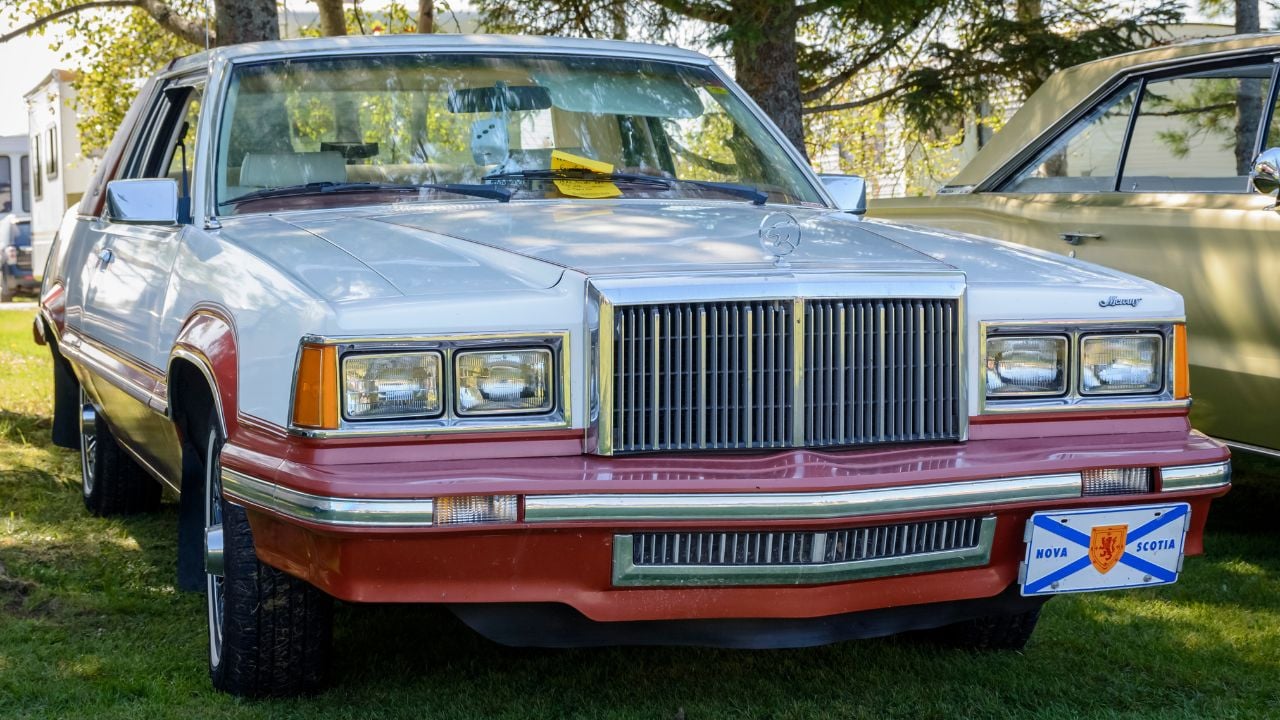
Mercury spent 72 years trying to answer a question nobody was asking: “What if we made a Ford more expensive but not as nice as a Lincoln?” Created in 1938 to fill the gap between Ford and Lincoln, Mercury was automotive middle management, always there, rarely exciting, and constantly wondering why nobody took them seriously.
In its early years, Mercury actually had some personality. The 1949 Mercury became a hot rod icon thanks to movies like “Rebel Without a Cause,” and the Cougar of the late 1960s was a legitimate muscle car that could run with the Mustang’s big brothers. The Marauder of the early 2000s showed flashes of brilliance, a full-size sedan with a 302-horsepower V8 that could embarrass European sports sedans while carrying four adults in comfort.
Mercury’s problem was an identity crisis on a corporate scale. Was it a luxury brand? A performance division? A value alternative? Ford couldn’t decide, so Mercury just sort of… existed. The Grand Marquis became the unofficial vehicle of taxi fleets and Crown Vic enthusiasts, while models like the Milan and Milan Hybrid were so generic they could have been sold as rental car specials.
The final nail came when Ford realized they could sell the same cars as Fords or Lincolns without the confusion of a third brand. Mercury died in 2011, and honestly, most people didn’t notice until they wondered where all the police cars went. It was perhaps the most Mercury thing ever, disappearing quietly without making much of a fuss.
The answer to their question: You fail.
Plymouth
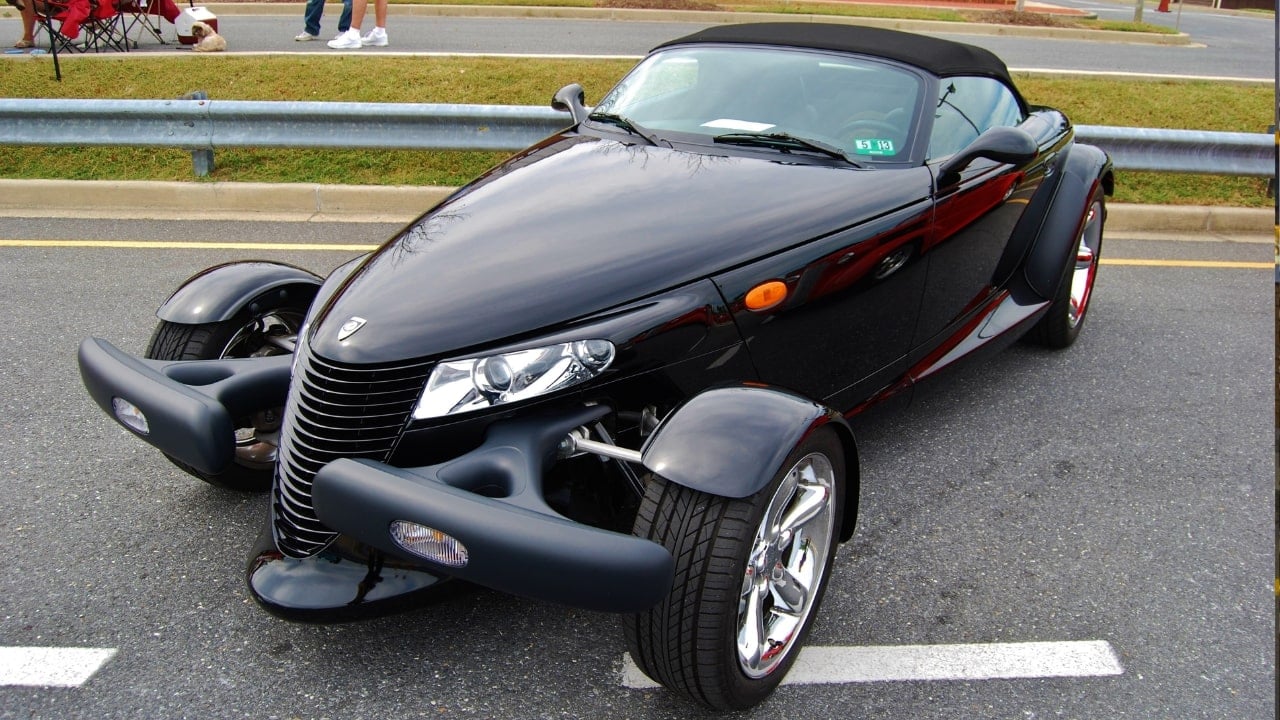
Plymouth was supposed to be Chrysler’s everyman brand, the automotive equivalent of a reliable friend who always showed up when you needed them. For decades, it worked. Plymouth gave America affordable transportation that wasn’t horrible, which in the automotive world is basically sainthood.
The brand’s muscle car credentials were impeccable, and the ‘Cuda and Road Runner were both fast and affordable, which meant regular folks could own genuine tire-shredding monsters. The 440 Six Pack engine was Chrysler’s way of saying, “Here’s 390 horsepower for the price of a sensible sedan.” The Superbird, with its ridiculous aerodynamic nose cone and towering rear wing, proved that Plymouth engineers had both talent and a sense of humor.
Plymouth’s real genius was in everyday cars that happened to be excellent. The Valiant was so reliable it made Honda nervous, and the Acclaim was a genuinely decent family sedan that nobody remembers because it did its job without drama, the automotive equivalent of a good referee.
The problem came in the 1990s when Chrysler started treating Plymouth like the automotive equivalent of a participation trophy. Instead of building on the brand’s reputation for honest value, they gave it rebadged Dodge models and called it a day. The Breeze, Neon, and Prowler (which was actually pretty cool but nobody bought) couldn’t save a brand that had lost its identity.
Chrysler pulled the plug in 2001, ending a 73-year run that started with promise and ended with a whimper. Today, Plymouth lives on mainly in classic car shows and the memories of people who remember when “value” meant something more than “cheap.”
Saab
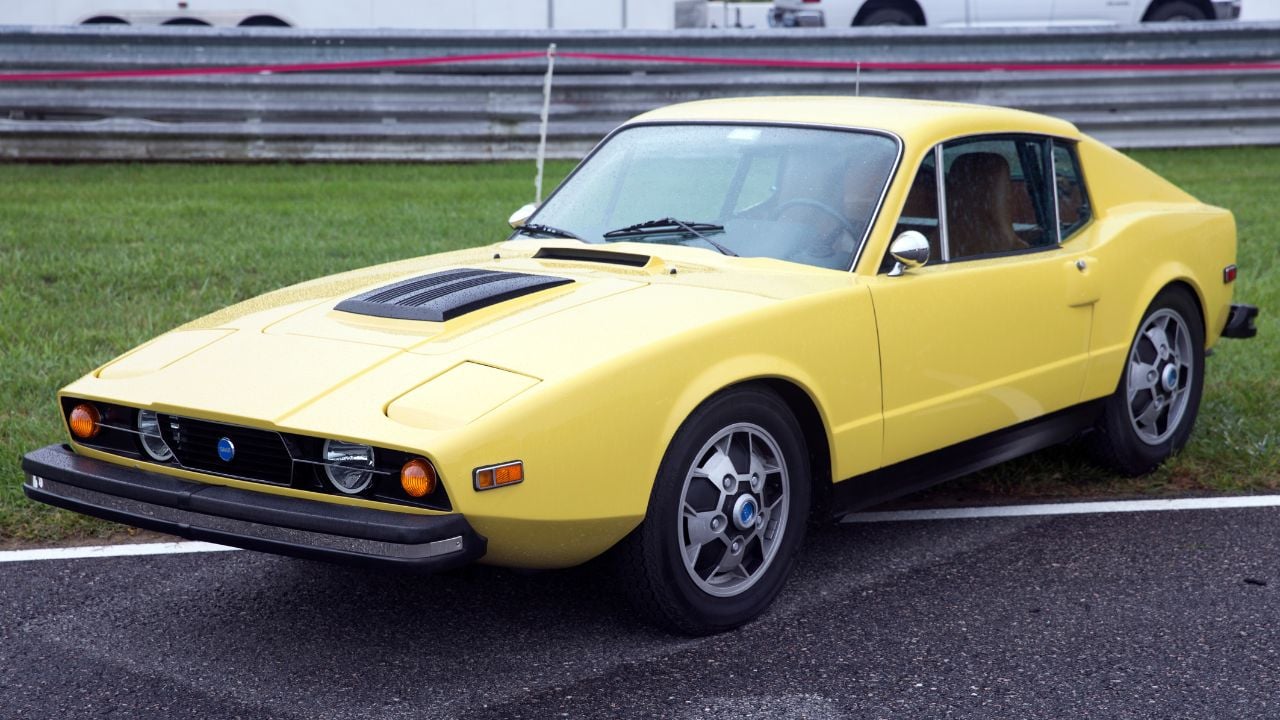
Saab’s story reads like a Scandinavian tragedy, brilliant engineers create something unique and wonderful, corporate overlords destroy everything good about it, company dies in a haze of bureaucratic incompetence and financial chaos. It’s basically Hamlet, but with turbochargers.
Starting as an aircraft company (Svenska Aeroplan Aktiebolaget, for those keeping track), Saab brought aviation thinking to automobiles. The result was cars that looked like nothing else on the road and were engineered with the kind of obsessive attention to detail that only comes from people who understand that wing failure isn’t just inconvenient, it’s fatal.
The Saab 900 was automotive perfection disguised as Swedish weirdness. Turbochargers before turbo was cool, hatchback practicality before SUVs ruined everything, and safety innovations that were decades ahead of regulations. The ignition switch was on the floor between the seats because Saab engineers figured that was the safest place for it. The fact that it drove American mechanics insane was just a bonus.
Saab owners were a cult. They understood that the cup holders were awkward because Swedish engineers prioritized structural integrity over beverage convenience. They appreciated that Saab interiors looked like aircraft cockpits because they basically were. They forgave the occasional electrical quirk because the cars were so fundamentally excellent at the important stuff.
GM bought 50% of Saab Automobile in 1989 and took full ownership in 2000 and began the systematic destruction of everything that made the brand special. Instead of recognizing that Saab’s weirdness was its strength, GM tried to make it normal. The 9-2X was a rebadged Subaru Impreza; which was actually a decent car, but it wasn’t a Saab. The 9-7X was a Chevrolet TrailBlazer in Swedish drag, which was about as convincing as a Vikings fan at Lambeau Field.
By the time GM sold Saab to Spyker in 2010, the damage was done. The brand declared bankruptcy in 2011, leaving behind a devoted fan base and proof that corporate executives can kill anything good if they try hard enough.
Hummer
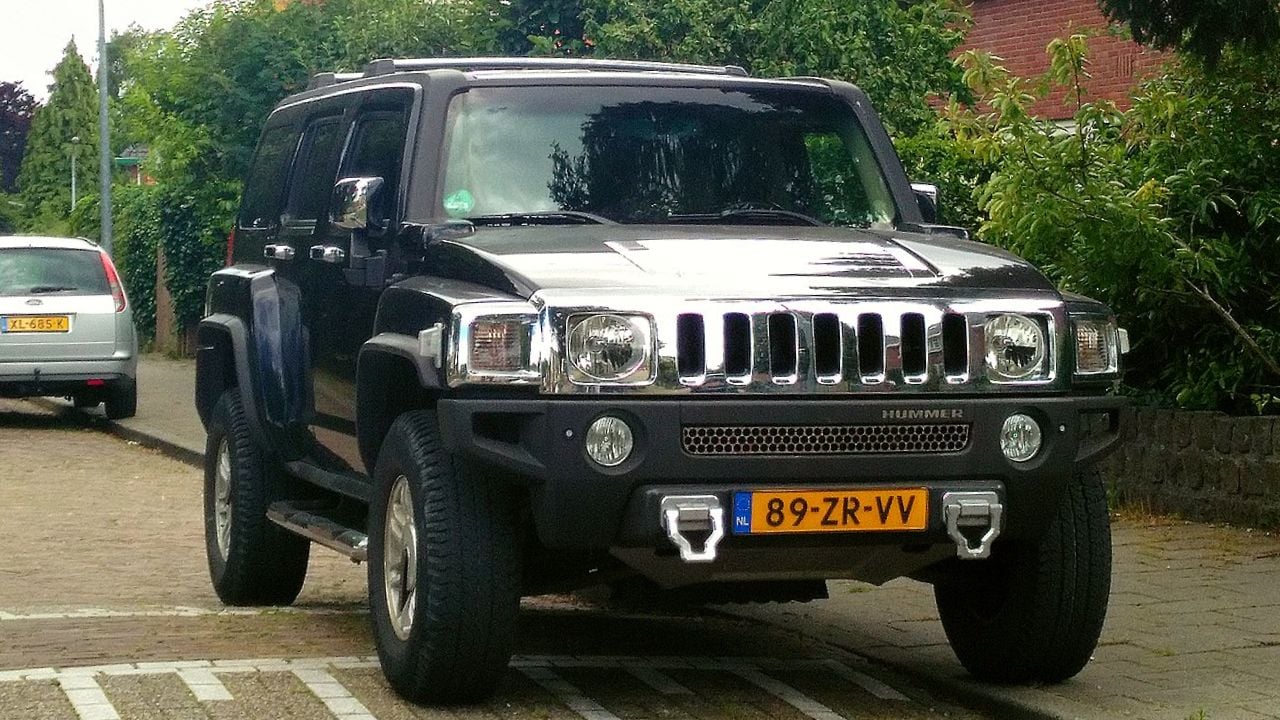
Hummer was automotive excess made manifest, a civilian vehicle so aggressively military-inspired that it made Jeep Wranglers look like golf carts. Born from the AM General HMMWV (High Mobility Multipurpose Wheeled Vehicle, or “Humvee” if you weren’t into military acronyms), Hummer was what happened when a truck was designed so wide it needed its own zip code and then nobody visited.
The original Hummer H1 was basically a military vehicle with air conditioning and better seats. It could ford about 30 inches of water, climb a 60% grade (about 31 degrees), and carry 2,000 pounds of cargo while getting fuel economy that made oil executives giddy. Buying an H1 was like buying a tank, impractical, expensive, and guaranteed to make every other vehicle on the road look like a toy.
The H2, introduced in 2002, was GM’s attempt to make Hummer slightly more civilized while maintaining its “urban assault vehicle” credentials. Built on a Chevrolet Tahoe chassis, it was still massive enough to block out the sun but civilized enough for soccer moms who wanted to intimidate other soccer moms. The H2 could tow a house but couldn’t fit in most garage spaces, a design philosophy that prioritized intimidation over practicality.
Then came the H3, which was Hummer’s attempt to go mainstream. Based on the Chevrolet Colorado pickup, it was smaller, more efficient, and completely missed the point of what made Hummer special. The Hummer was supposed to be wrapped in gold and put in rap videos or placed in front of a mansion in Beverly Hills. Or taking up three parking spaces at Target.
Rising fuel prices and environmental consciousness killed Hummer faster than a head-on collision with reality. When gas hit $4 a gallon, suddenly driving a vehicle that got 10 mpg on a good day seemed less like a lifestyle choice and more like financial suicide. GM discontinued the brand in 2010, though the name has returned as an electric GMC sub-brand, proving that even the most gas-guzzling brands can find redemption through electrification.
Oh, Hummer, TikTok influencers would have loved you.
DeSoto
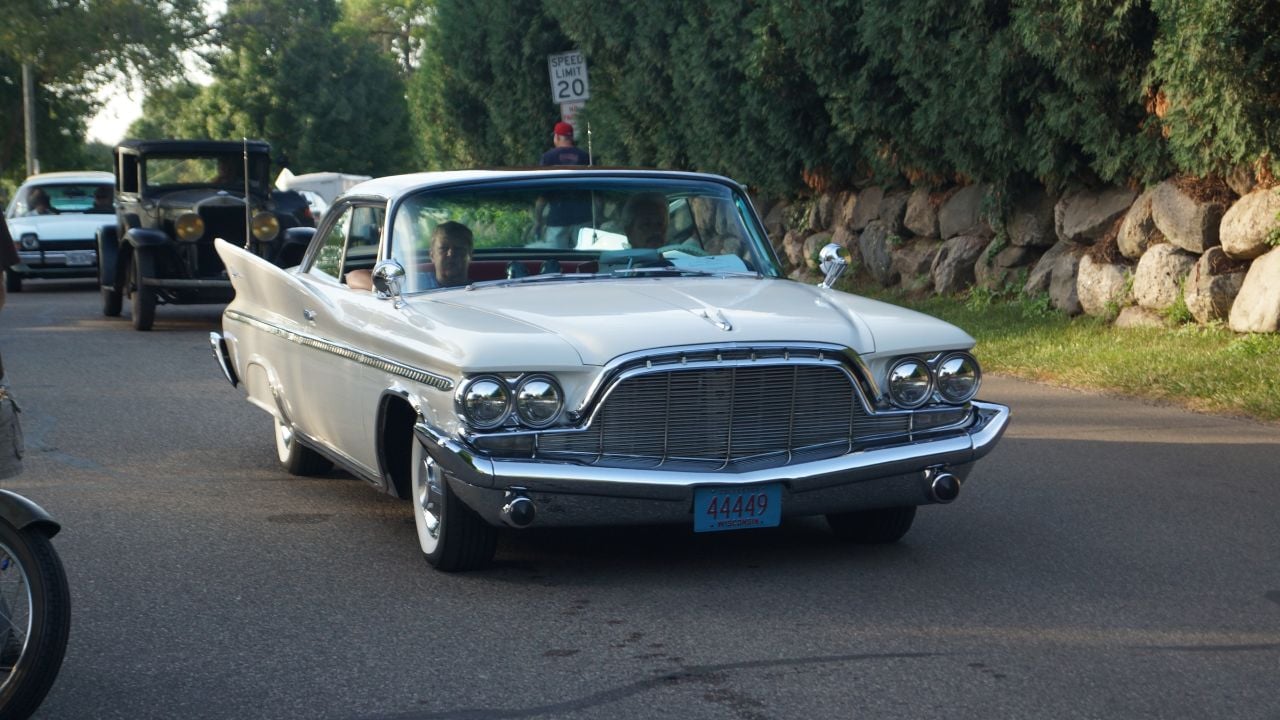
DeSoto’s story is what happens when you have great timing followed by spectacularly bad timing. Launched by Chrysler in 1928, right before the Great Depression, DeSoto somehow survived the economic apocalypse and thrived during the post-war boom. Then they managed to die during the most prosperous decade in American history, which takes a special kind of corporate talent.
Named after Spanish explorer Hernando de Soto (who probably would have preferred a different legacy), DeSoto was positioned as Chrysler’s “bridge” brand between Dodge and Chrysler. The cars were genuinely attractive, well-built, and reasonably priced, everything American buyers wanted in the 1930s, 1940s, and 1950s.
The DeSoto Adventurer was a legitimate muscle car before muscle cars were a thing. The 1956 Adventurer came with a 341 cu in DeSoto Hemi-family V8 rated at 320 hp; enough to embarrass most sports cars while carrying the whole family to church on Sunday. The Firedome and Fireflite models were stylish, powerful, and popular with buyers who wanted something nicer than a Dodge but couldn’t afford a Chrysler.
So what went wrong? Market consolidation, corporate indecision, and the cruel reality that American buyers didn’t need four brands doing essentially the same job. By the late 1950s, DeSoto was selling cars that were too similar to Dodge and Chrysler models to justify their existence. The 1961 DeSoto was almost identical to that year’s Chrysler, except it cost less and carried less prestige, not exactly a winning combination.
Chrysler pulled the plug in 1961 after 33 years, making DeSoto a fascinating footnote in automotive history. Today, DeSoto is remembered fondly by classic car enthusiasts who appreciate the brand’s brief moment of excellence before corporate logic killed it.
AMC (American Motors Corporation)

American Motors Corporation was the automotive equivalent of that scrappy underdog in sports movies, lots of heart, creative solutions, and a tendency to lose in spectacular fashion. Formed in 1954 from the merger of Nash and Hudson, AMC spent its entire existence trying to compete against the Big Three with roughly half their budget and twice their desperation.
What AMC lacked in resources, they made up for in creativity and sheer mindedness. The Rambler was economical when everyone else was building land yachts, the Gremlin was weird but functional, and the AMX was a genuine sports car that could embarrass Corvettes while costing thousands less. The Eagle was one of the first crossover SUVs, decades before anyone knew what a crossover SUV was.
AMC’s engineering was often brilliant, if unconventional. The Pacer was supposed to be powered by a rotary engine from General Motors, but when GM pulled out, AMC stuffed a traditional V6 into a body designed for a completely different powertrain. The result looked like a fishbowl on wheels but had more interior space than cars twice its size.
The problem was money: AMC never had enough of it. While GM, Ford, and Chrysler could afford to make mistakes and recover, every AMC misstep was potentially fatal. The Matador coupe was actually a decent car, but it looked like it was designed by someone who had heard about European sports cars but never actually seen one.
Dick Teague, AMC’s chief designer, was arguably one of the most talented stylists in automotive history. Working with budgets that wouldn’t cover lunch at GM, he created the Cherokee XJ (the template for every modern SUV), the Javelin (one of the best-looking muscle cars ever built), and the AMX (America’s only two-seat sports car besides the Corvette).
Renault bought a controlling stake in AMC in 1979, and the partnership produced cars like the Alliance and Encore that were decent by 1980s standards, but couldn’t save the company. Chrysler acquired AMC in 1987, mainly for the Jeep brand, and promptly killed everything else. Today, AMC is remembered as the company that proved good ideas and talented people aren’t always enough to survive in the automotive industry.
Studebaker
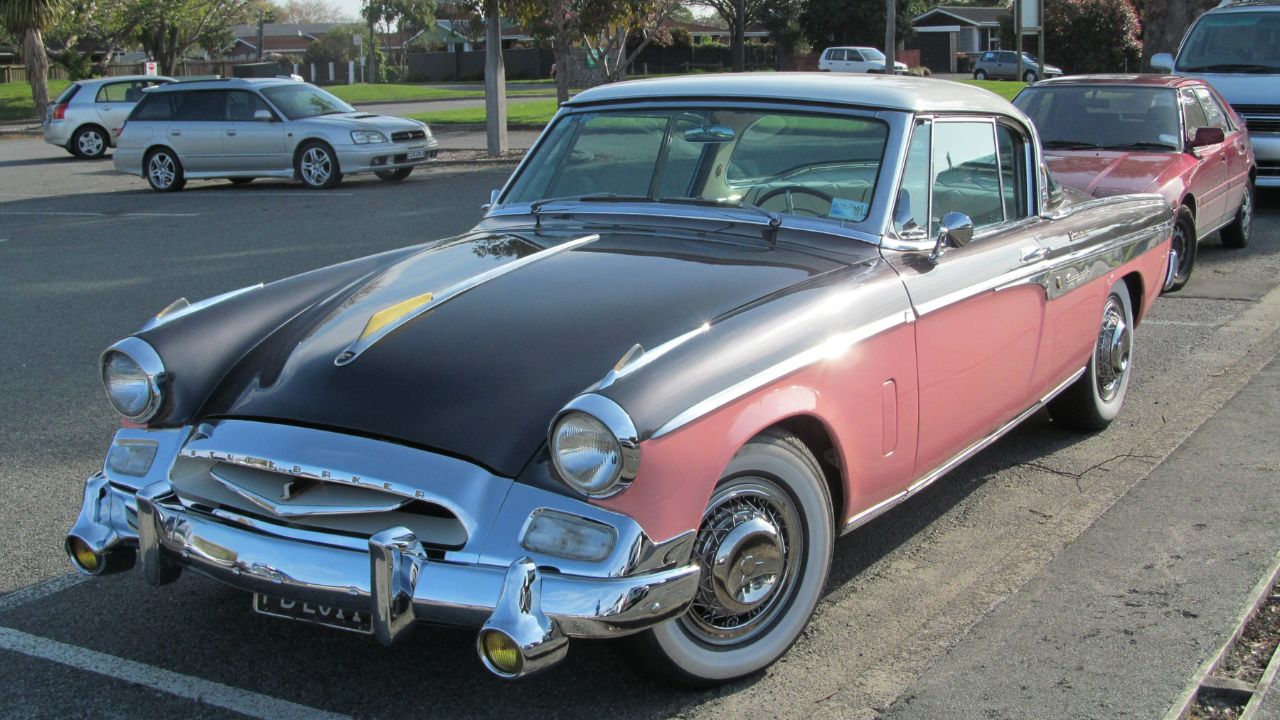
Studebaker’s automotive story spans nearly the entire history of the automobile, from the days when cars had to be hand-cranked to start to the muscle car era. The company started building wagons in 1852, transitioned to electric cars in 1902, and produced some of the most innovative automobiles in American history before finally giving up in 1966.
The 1953 Studebaker coupe, designed by Raymond Loewy, was so far ahead of its time that it still looks modern today. When other manufacturers were building chrome-encrusted monuments to excess, Studebaker created clean, elegant designs that emphasized function over flash. The Avanti, introduced in 1962, was a landmark American fiberglass-bodied performance coupe and set multiple land speed records at Bonneville.
Studebaker’s problem wasn’t talent or innovation, it was economics. As an independent manufacturer, they couldn’t achieve the economies of scale that allowed the Big Three to sell cars profitably. Every Studebaker cost more to build than equivalent Ford, Chevrolet, or Plymouth models, which meant they either had to charge more (making them harder to sell) or make less profit (making survival impossible).
The company’s final years were a masterclass in corporate desperation. Studebaker moved production to Canada in 1963, hoping lower labor costs would save them. They killed the beautiful Hawks and Larks, focusing on practical sedans that nobody particularly wanted. The final Studebaker, a 1966 Cruiser sedan, rolled off the Hamilton, Ontario assembly line on March 17, 1966, ending 114 years of American automotive history.
Today, Studebakers are prized by collectors who appreciate their unique designs and historical significance. The Avanti was so ahead of its time that new versions were built by various small manufacturers into the 2000s, proving that good design never goes out of style, even if the company that created it couldn’t survive to see it.
Packard
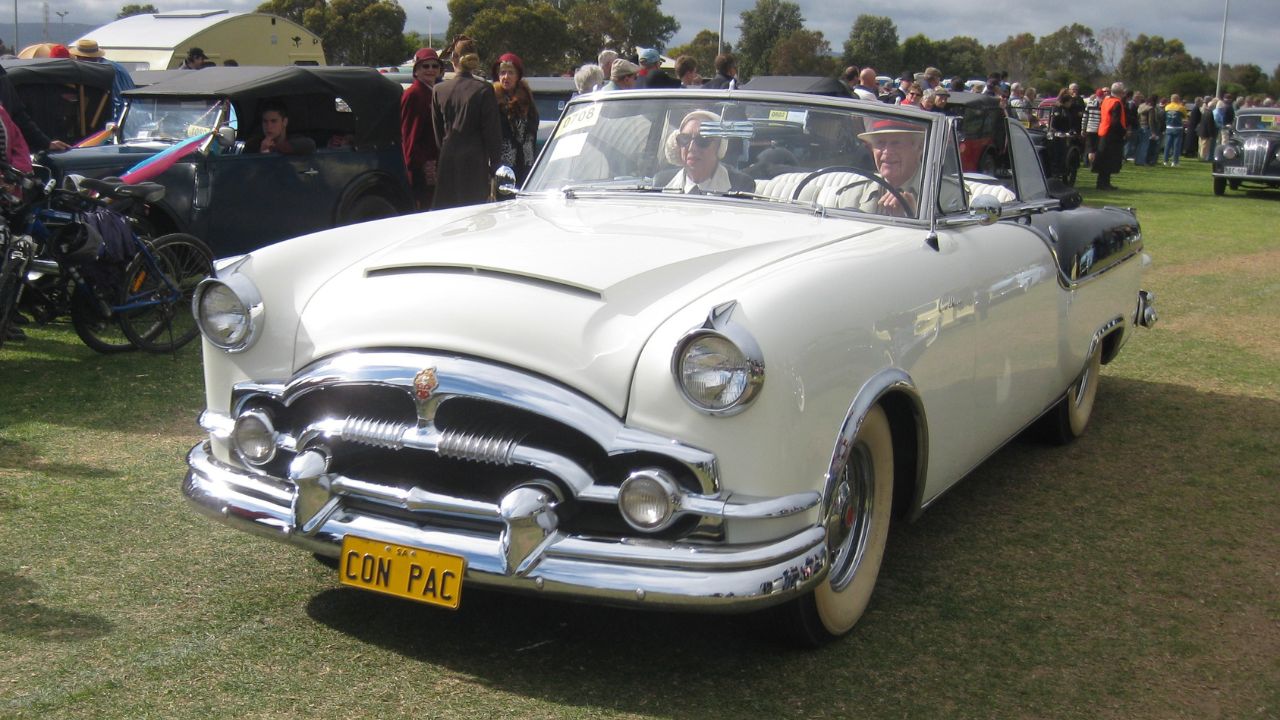
Packard was once America’s Rolls-Royce, the ultimate expression of automotive luxury and engineering excellence. From 1899 to 1958, Packard built cars for people who demanded the absolute best and had the money to get it. Their slogan, “Ask the Man Who Owns One,” wasn’t just marketing, it was a challenge to find anyone who wasn’t completely satisfied with their Packard.
Packard’s engineering was legendary. They pioneered the H-pattern manual transmission, developed some of the first successful automatic transmissions, and built engines that were so over-engineered they could run for hundreds of thousands of miles with minimal maintenance. The Twin Six of 1915 was America’s first production V12 engine, and it was so smooth that Packard used to demonstrate it by balancing a coin on edge on the running engine.
During World War II, Packard built Merlin engines for P-51 Mustang fighters under license from Rolls-Royce. The fact that the British trusted Packard to build their most advanced aircraft engine says everything about the company’s engineering capabilities.
Unfortunately, the post-war luxury market changed faster than Packard could adapt. Cadillac offered comparable luxury with General Motors’ economies of scale, making them less expensive to buy and easier to service. Lincoln had Ford’s resources behind them. Packard, as an independent manufacturer, couldn’t compete on price while maintaining their quality standards.
The desperate merger with Studebaker in 1954 was supposed to save both companies, but instead created a slow-motion disaster. The final Packards, built in 1957 and 1958, were heavily modified Studebakers that retained none of the engineering excellence that had made Packard special. It was like watching automotive royalty reduced to wearing hand-me-downs.
The last true Packard was the 1956 Caribbean convertible; a magnificent swan song for a company that had defined American luxury for nearly six decades. Today, classic Packards command respect and high prices at auctions, proof that true luxury never goes out of style, even if the companies that created it sometimes do. Should we still be asking the man who owns one, or is that offer, um, expired?
Scion

Scion was Toyota’s attempt to be cool, which is roughly like watching your accountant try to break dance, technically impressive but somehow deeply uncomfortable to witness. Launched in 2003 to attract younger buyers who found Toyota about as exciting as watching paint dry, Scion promised edgy designs, affordable prices, and a buying experience designed by people who actually understood what young car buyers wanted.
The original Scion xB was brilliantly weird; a rolling toaster that maximized interior space while looking like nothing else on the road. Young buyers loved the customization options, the surprisingly roomy interior, and the fact that it was different from everything their parents drove. The tC was a decent sport coupe that offered legitimate performance at Honda Civic prices.
For a few years, Scion actually worked. Young buyers bought them, customized them, and formed communities around them. The brand had personality and attracted exactly the demographic Toyota was targeting. It was like Toyota had figured out how to be cool without losing its reputation for reliability.
Then Toyota did what large corporations do when something works, they overthought it. I can relate, but I also don’t create cars for a reason. Later Scion models became increasingly generic, losing the weird charm that had made the brand special. The iQ was tiny to the point of uselessness, the iM was a rebadged European model that nobody particularly wanted, and the FR-S (which was actually an excellent sports car) was too expensive for the brand’s target demographic.
By 2016, Toyota realized it could sell the same cars as Toyotas without the complexity of a separate brand. Scion died after 13 years, with most of its models moving to the Toyota lineup. The experiment proved that even when you do everything right, corporate logic can still kill good ideas.
Daewoo
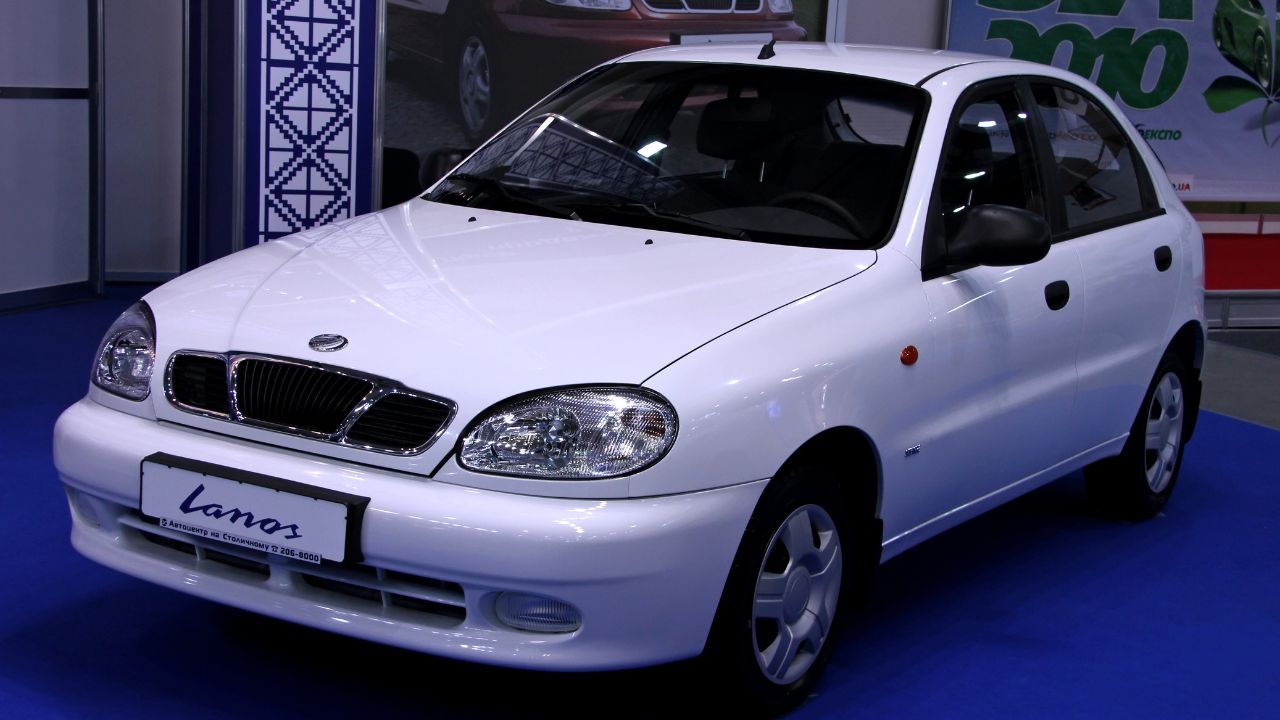
Daewoo entered the American market in 1999 with the kind of optimism usually reserved for people buying lottery tickets. Their pitch was simple: decent cars, rock-bottom prices, and warranties so generous they bordered on the ridiculous. For a brief moment, it almost worked.
The Daewoo Lanos, Nubira, and Leganza were perfectly adequate transportation that happened to be cheaper than almost everything else with four wheels and a warranty. They weren’t exciting, beautiful, or particularly well-built, but they were new cars that normal people could afford. In late-1990s America, that was enough to generate modest sales and cautious optimism.
The problem was that Daewoo’s parent company in Korea was falling apart faster than a house of cards in a hurricane. Financial irregularities, corruption scandals, and debt loads that would make a small country nervous meant that Daewoo’s American adventure was doomed before it started. When your parent company is busy collapsing, it’s hard to focus on building market share in distant countries.
General Motors swooped in during Daewoo’s death throes, acquiring the company’s assets and folding them into their global lineup. Some Daewoo designs lived on as Chevrolets in various markets, proving that the cars themselves weren’t the problem, it was everything else about the company.
Daewoo’s American experiment lasted less than three years, but it proved that there was a market for simple, affordable cars if someone could figure out how to build them profitably. Today, Daewoo is remembered mainly by people who bought one of their cars and were pleasantly surprised by how not-terrible it was.
Geo
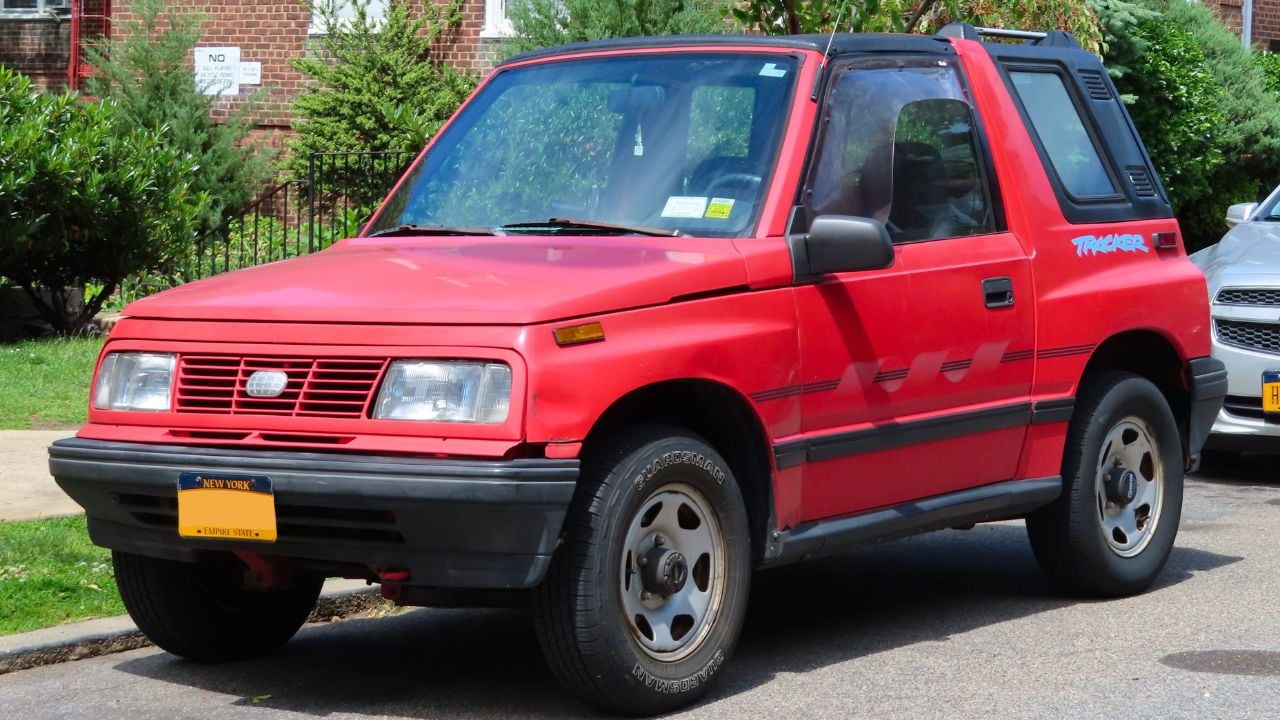
Geo was General Motors’ attempt to prove they could build small, efficient cars by… not actually building small, efficient cars. Instead, they partnered with Japanese manufacturers and slapped Geo badges on perfectly good Japanese cars, creating a brand that nobody understood or particularly wanted.
The Geo Metro was actually a Suzuki Swift, the Prizm was a Toyota Corolla built in California, and the Tracker was a Suzuki Sidekick with different badges. These were all decent cars that suffered from one major problem: they weren’t actually Geo cars, and everyone knew it.
The concept sorta made sense on paper. GM got access to proven small car designs without having to develop them, while their Japanese partners got access to GM’s dealer network and manufacturing capacity. American buyers got reliable, efficient transportation at competitive prices.
In reality, Geo was automotive catfishing, promising one thing and delivering another. Buyers who wanted a Toyota bought a Toyota. Buyers who wanted a Chevrolet bought a Chevrolet. Buyers who wanted a Geo… well, there weren’t many of those.
The Storm, based on the Isuzu Impulse, was actually a decent sports coupe that could have succeeded if anyone had known what it was. The Metro, despite being smaller than some shopping carts, was reliable transportation that sipped fuel like a hummingbird. The Tracker was a capable small SUV before anyone knew they wanted small SUVs.
But Geo never developed an identity beyond “cheap cars with weird badges,” and GM ended Geo in 1997 after about eight model years (1989–1997) of modest sales and widespread confusion. Most Geo models continued as Chevrolets, proving that the cars were fine, it was the branding that was the problem.
Eagle
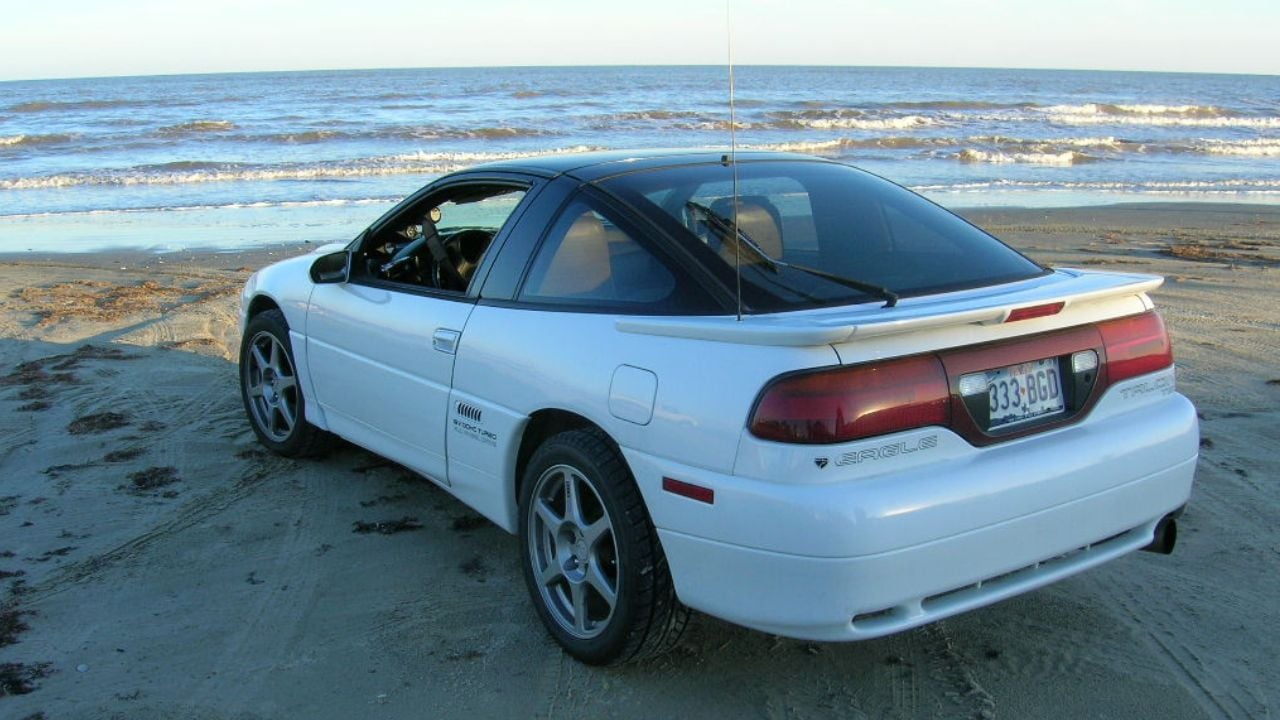
Eagle was what happened when Chrysler acquired American Motors Corporation and didn’t know what to do with all the leftover parts. Created in 1988, marketed through the 1998 model year, and discontinued in 1999, Eagle was Chrysler’s attempt to create a brand identity around all-wheel-drive capability and outdoor adventure. Basically, they wanted to be Subaru before Subaru was cool.
Eagle’s lineup was an eclectic mix of rebadged Mitsubishis, leftover AMC designs, and original Chrysler products that shared little beyond the Eagle badge. The Talon was actually an excellent sports car (being a rebadged Mitsubishi Eclipse), the Summit was reliable transportation (being a rebadged Mitsubishi Mirage), and the Vision was a perfectly adequate sedan that nobody particularly wanted.
The Eagle Premier, based on a Renault design that AMC had been developing, was probably the most “Eagle” of all Eagle models. It featured innovative engineering, attractive styling, and build quality that ranged from excellent to “what were they thinking?” depending on when it was built and who was assembling it that day.
Eagle’s real claim to fame was the wagon variants of their cars, which offered all-wheel-drive capability before SUVs made wagon buyers feel inadequate. The Eagle Summit Wagon could haul people and cargo in weather that would strand conventional cars, making it popular with outdoorsy types who needed something more practical than a pickup truck.
The problem with Eagle was the same problem that killed many automotive brands: lack of identity and focus. Were they a performance brand? An outdoor adventure brand? A value alternative? Chrysler never figured it out, and neither did car buyers. The brand limped along for a decade before Chrysler put it out of its misery in 1998.
Fisker Automotive
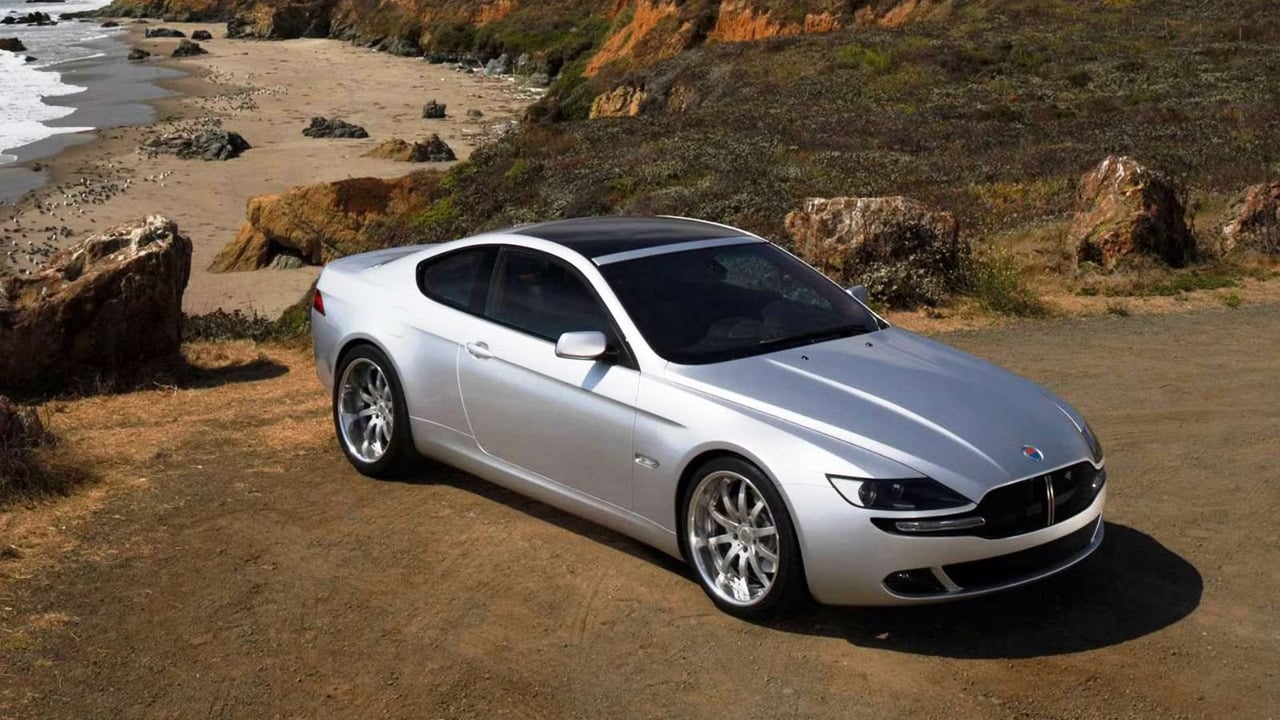
Fisker Automotive tried to revolutionize the luxury hybrid market without sufficient funding, manufacturing experience, or realistic expectations about how hard it is to build cars. I guess it was revolutionary if the goal was to show how to not make luxury cars. Founded by Henrik Fisker, a designer responsible for some genuinely beautiful automobiles, the company promised to build the world’s most desirable hybrid luxury sedan.
The Fisker Karma was genuinely stunning, a four-door coupe that looked like it had been designed by someone who understood both elegance and aerodynamics. The solar roof panel was a clever touch that provided just enough power to run the ventilation system, keeping the interior cool while parked. The plug-in hybrid drivetrain promised electric driving for daily commutes and gasoline backup for longer trips.
On paper, the Karma was everything a luxury hybrid should be: beautiful, innovative, and packed with technology. In reality, it was a cautionary tale about the difference between designing cars and manufacturing them. Quality control issues plagued early production, with problems ranging from minor electrical glitches to complete powertrain failures.
The company’s financial problems were even worse than its manufacturing issues. Building cars is expensive, and building them right is even more expensive. Fisker burned through investor money faster than their cars burned through warranty claims, and despite government loans and private investment, they couldn’t achieve the sales volumes necessary to survive.
Hurricane Sandy destroyed millions of dollars worth of inventory in 2012, and the company declared bankruptcy in 2013. The company remains a perfect example of how even the best ideas can fail if the execution doesn’t match the vision.
Datsun

Datsun’s story is unique among dead automotive brands because it didn’t die from failure, it died from success. The brand that introduced America to affordable, reliable Japanese cars became so successful that its parent company, Nissan, decided the Datsun name was holding them back from competing in the luxury market. Ugh, jealous much?
From the 1960s through the early 1980s, Datsun was synonymous with value and reliability. The 510 sedan was the thinking person’s alternative to Detroit’s offerings, smaller, more efficient, and surprisingly fun to drive. The 240Z was a revelation: a sports car that combined European styling with Japanese reliability at a price that made Porsche owners question their life choices.
Datsun’s success in America helped establish the reputation for Japanese automotive excellence that continues today. While American manufacturers were struggling with quality control and fuel efficiency, Datsun was building cars that started every morning, returned excellent fuel economy, and required minimal maintenance.
The 280ZX continued the Z-car tradition while adding comfort features that made long-distance driving pleasant. The pickup truck was basic transportation that could haul amazing amounts of cargo while lasting for hundreds of thousands of miles. The B210 was transportation distilled to its absolute essence, not pretty, not exciting, but incredibly practical and reliable.
But success created its own problems. As Japanese cars gained acceptance in America, Nissan wanted to compete in luxury segments where the Datsun name suggested economy rather than prestige. The transition to Nissan badging began in the early 1980s and was completed by 1986, ending a brand name that had become synonymous with Japanese automotive excellence.
Nissan revived Datsun for emerging markets (launching new models in 2013), announced phase-outs in some regions in 2019–2020, and confirmed the end of Datsun production in India in 2022, proving that some brands are better left as historical footnotes than disappointing revivals.
Looking Back, Driving Forward

These 17 brands represent more than just corporate casualties, they’re lessons in how quickly the automotive world can change and how even the most successful companies can lose their way. Some died because they couldn’t adapt to changing markets, others because they forgot what made them special in the first place.
The automotive graveyard teaches us that innovation without execution is worthless, that quality without marketing is insufficient, and that corporate overlords can kill anything good if they try hard enough. It also shows us that passionate engineers and designers can create automotive legends even when working with limited resources and impossible deadlines.
As we move into an era of electric vehicles, autonomous driving, and whatever other technological disruptions are heading our way, today’s dominant brands would do well to study these automotive obituaries. Tesla could become the next Studebaker if they can’t scale production efficiently. Traditional manufacturers could join Saab and Saturn if they can’t adapt to electrification quickly enough.
For those of us who love cars, these dead brands live on in classic car shows, restoration projects, and the occasional survivor spotted in traffic. They remind us that the automotive world has always been dynamic, unpredictable, and occasionally tragic. And sometimes, on a perfect Sunday afternoon with the garage door open and tools scattered across the workbench, that’s exactly what makes it so fascinating.
For some of us, we’d take these failed brands any day over the next EV SUV startup that prioritizes touchscreens over soul.