
Lincoln is facing a curious contradiction in early 2026. On paper, the brand is growing. In reality, its swelling inventory tells a more complicated story about demand, pricing, and product alignment.
In February 2026, Lincoln recorded a healthy 12 percent year over year sales increase in the United States, outperforming many rivals in a cooling market. Yet at the same time, it ended the month with the highest inventory levels of any brand, meaning that supply is outpacing actual retail demand.
This disconnect sits at the heart of the issue.
Industry analysts describe the current market as “bifurcated,” where certain segments are thriving while others are struggling with excess stock. Lincoln appears to be caught on the wrong side of that divide.
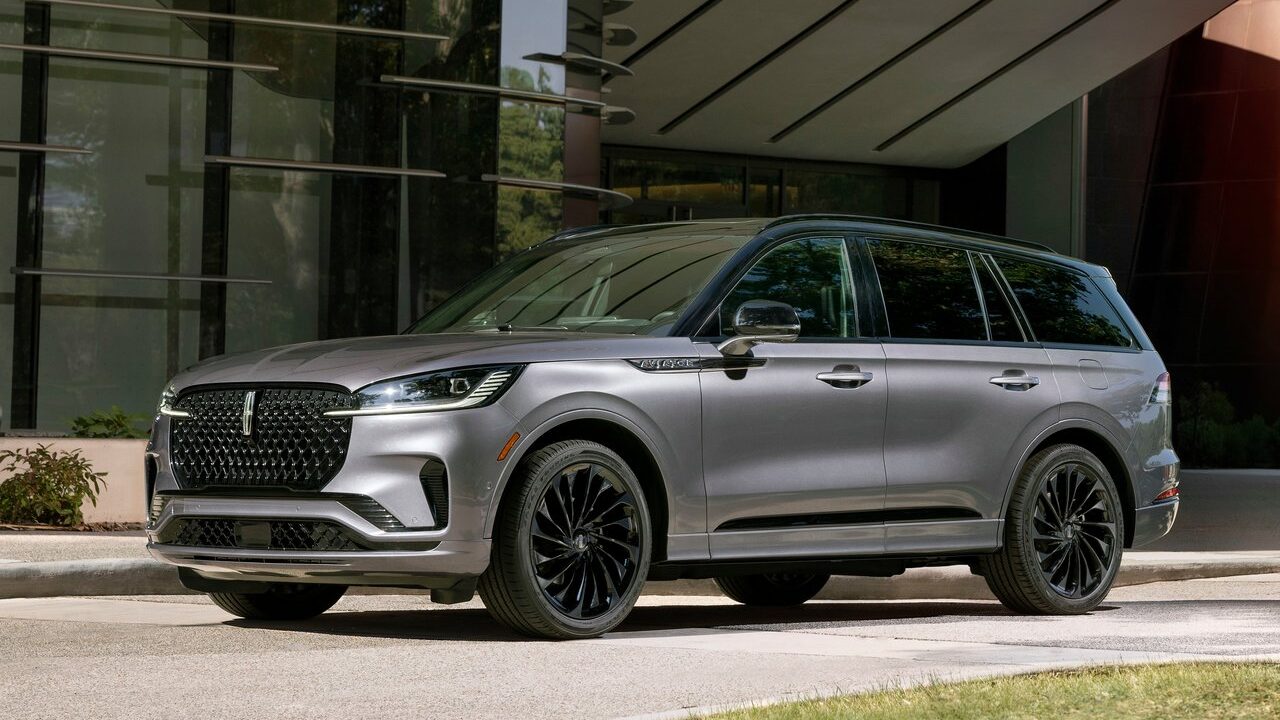
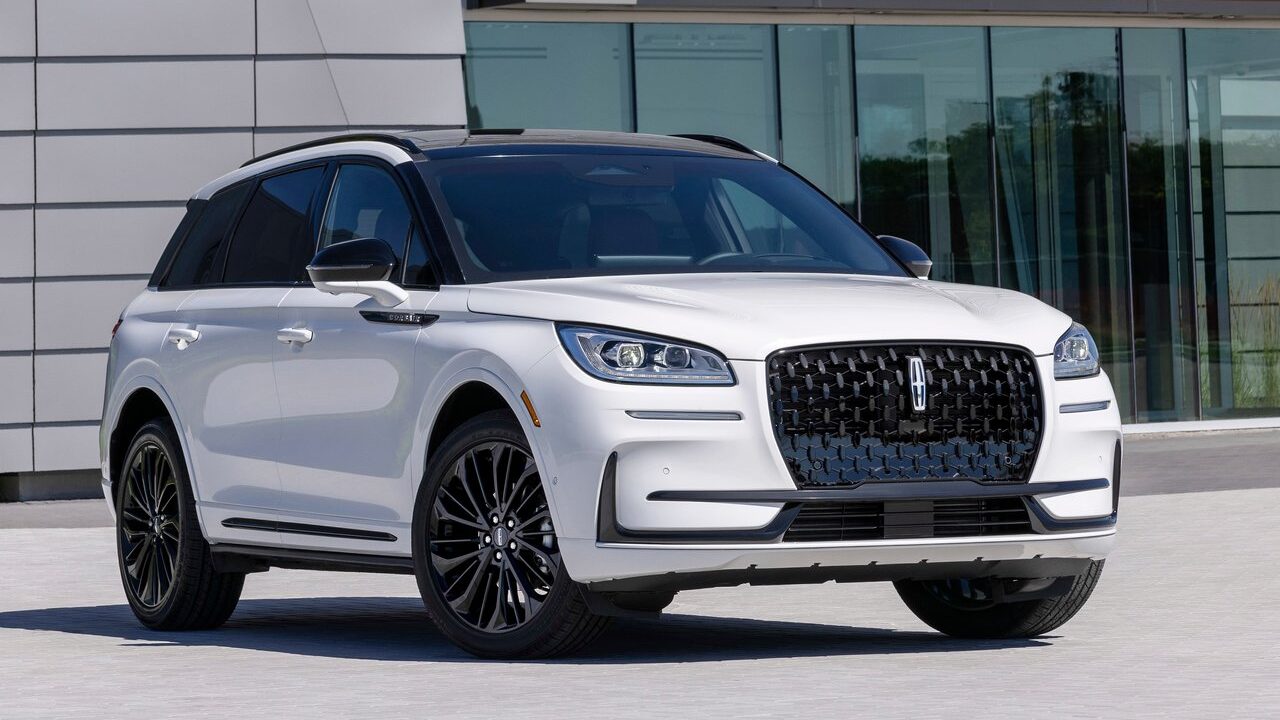
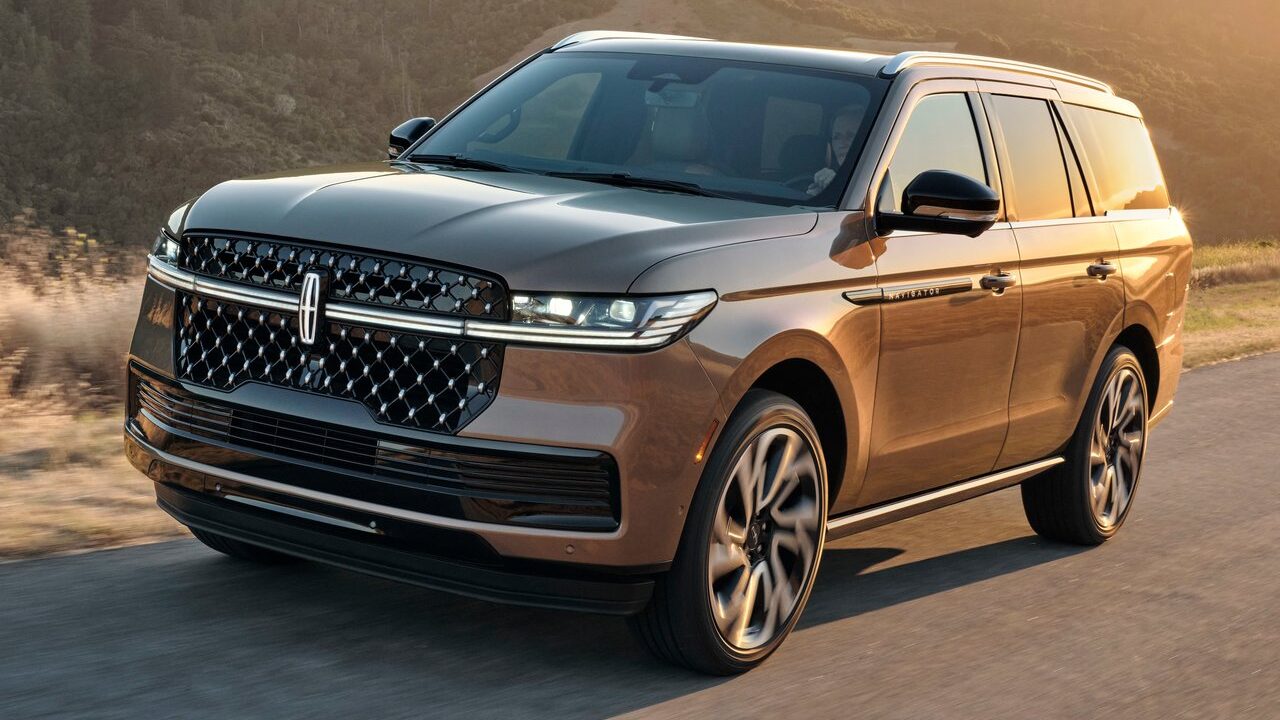
The brand’s lineup, heavily skewed toward premium SUVs like the Navigator, Aviator, Nautilus, and Corsair, places it squarely in higher price brackets where demand has become more fragile.
Why Inventory Is Piling Up
Affordability is a growing concern across the U.S. auto market. Average transaction prices are rising, interest rates remain relatively high, and electric vehicle (EV) incentives have faded into the rearview following the expiration of federal tax credits.
These factors are pushing buyers toward either more affordable mainstream vehicles or highly differentiated luxury offerings. The numbers suggest Lincoln, positioned in the middle of that spectrum, risks missing both ends.
Another key factor is production discipline. While some automakers have adjusted output to match demand, Lincoln appears to have contributed to a buildup of unsold vehicles on dealer lots by maintaining stronger production levels.
Still, high inventory does not necessarily mean weak sales, but it does indicate that vehicles are not moving quickly enough relative to supply.
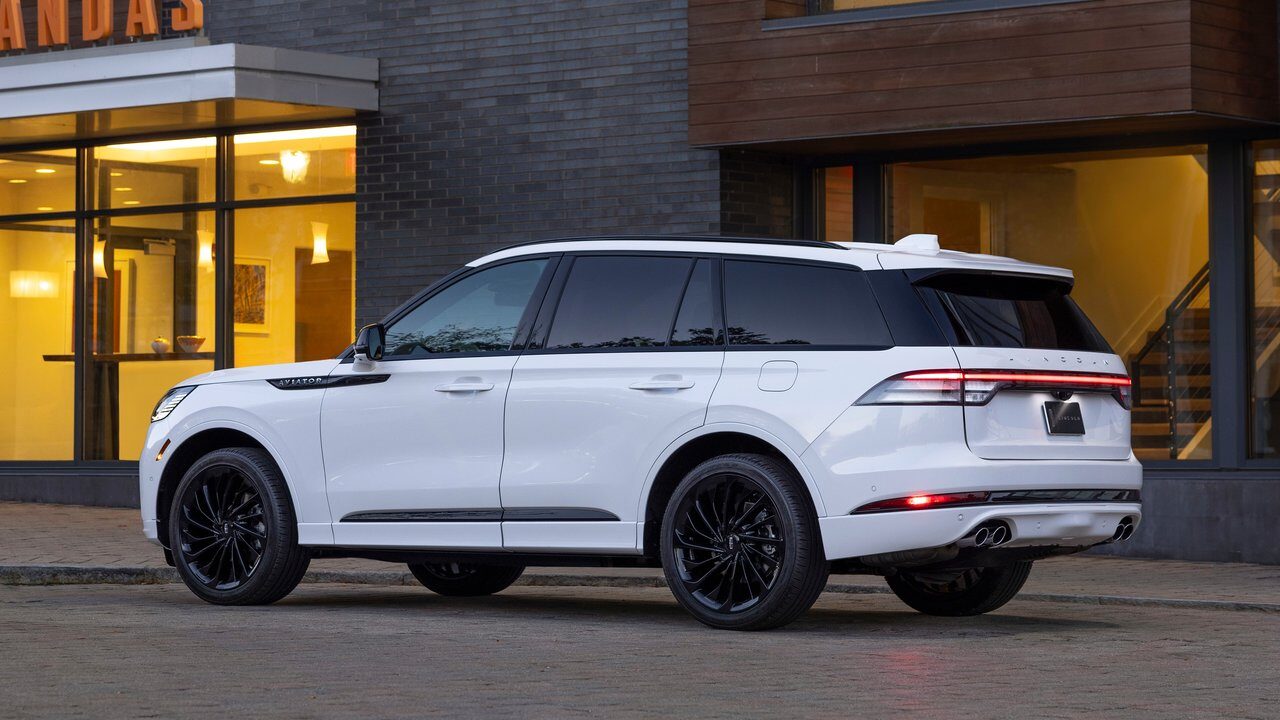
Product mix also plays a role. Lincoln’s recent growth has been driven largely by larger SUVs, with models like the Aviator and Navigator posting significant gains. However, this strength may not fully translate into sustained demand across the lineup.
Some models, such as the Nautilus, have shown only marginal growth, suggesting uneven appeal within the range.
The Broader Market Squeeze
At the same time, Ford Motor Company’s broader strategy is influencing Lincoln’s position. The automaker has gradually exited lower priced segments, discontinuing several smaller and more affordable models.
That shift leaves Lincoln without an accessible entry point for younger or price sensitive luxury buyers, further narrowing its audience.
The wider market context compounds the challenge. U.S. auto sales declined by about 3.8 percent in February, with retail demand falling even more sharply. Weather disruptions, economic uncertainty, and post-incentive EV softness have all contributed to slower showroom traffic.
In such an environment, brands with precise inventory alignment tend to perform better, while those with mismatches face mounting pressure.
For Lincoln, the issue is not a lack of interest but a question of calibration. Demand exists, as evidenced by its sales growth, but it is not evenly distributed across models, trims, and price points. Dealers are left holding more vehicles than the market can absorb at current conditions.
What Happens Now?
Looking ahead, the spring selling season will be critical. If demand does not accelerate, automakers with excess inventory may be forced to increase incentives or adjust production more aggressively.
In simple terms, it’s not that Lincoln isn’t selling. It’s that the brand is producing and stocking more than the market currently wants, in segments that are becoming increasingly sensitive to price and economic pressure.
Until supply and demand fall back into balance, the Lincoln’s inventory problem is likely to remain, even if its sales figures tell a more optimistic story.
Sources: CarPro, Ford Authority