Getting hit from behind at a red light is already a terrible Tuesday. But for Omaha resident Al Hall, the collision at 108th and Maple Street was just the opening act of a three-part disaster nobody asked to be a part of.
Hall was sitting still, minding his own business, when another driver plowed into the back of his car and sent him sliding into the middle of the intersection. Not exactly the afternoon he had planned. With a passenger and his dog in the car, the situation could have been a lot worse, and for a moment, it seemed like things might actually go smoothly from there.
They did not.
When 911 Says “Best of Luck Out There”
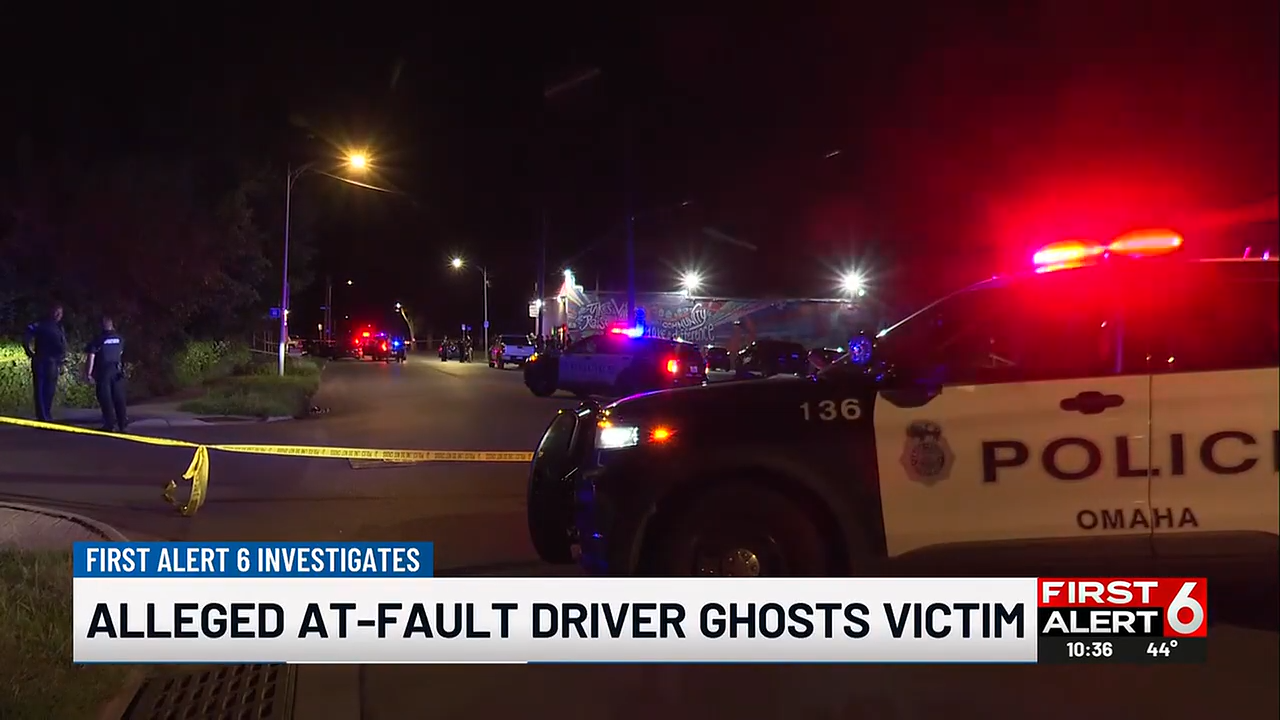
After being struck from behind and pushed into the intersection, Hall did what any reasonable person would do: he called 911. What he got back was essentially a shrug. Officers told him they were too busy to respond and directed him to file a report online, since no one was injured.
To be fair, Omaha Police Officer Michael Pecha explained the policy makes sense from a resource standpoint. Minor fender-benders where cars are out of traffic and drivers are cooperating don’t require a police presence, freeing up officers for higher-priority calls. Reasonable? Sure. Satisfying when someone just smashed your bumper? Absolutely not.
So Hall and the at-fault driver did the responsible thing: they exchanged insurance information. Clean, simple, done. Except…
That Insurance Card Was About as Valid as a Crayon Driver’s License
The other driver handed over what appeared to be legitimate proof of insurance. It even showed coverage extending into July. Problem was, she had apparently stopped paying her premiums back in February or March, meaning the policy was about as active as a car with no engine.
Hall received notice from the insurance company that no valid coverage could be located. And when he tried calling the other driver directly to sort things out? Her number was blocked.
Here’s where it gets slightly less grim: Omaha Police confirmed that even a month after an accident, if someone lied about their insurance status, drivers can call the telephone reporting service. That information gets passed to the traffic unit, and citations can still be issued. So the story isn’t necessarily over.
Hall, who had a passenger and his dog in the car at the time (both unharmed, thankfully), now faces roughly $2,000 out of pocket between his deductible and depreciation. He’s hoping an OPD traffic investigator will be a little harder to send to voicemail than he was.