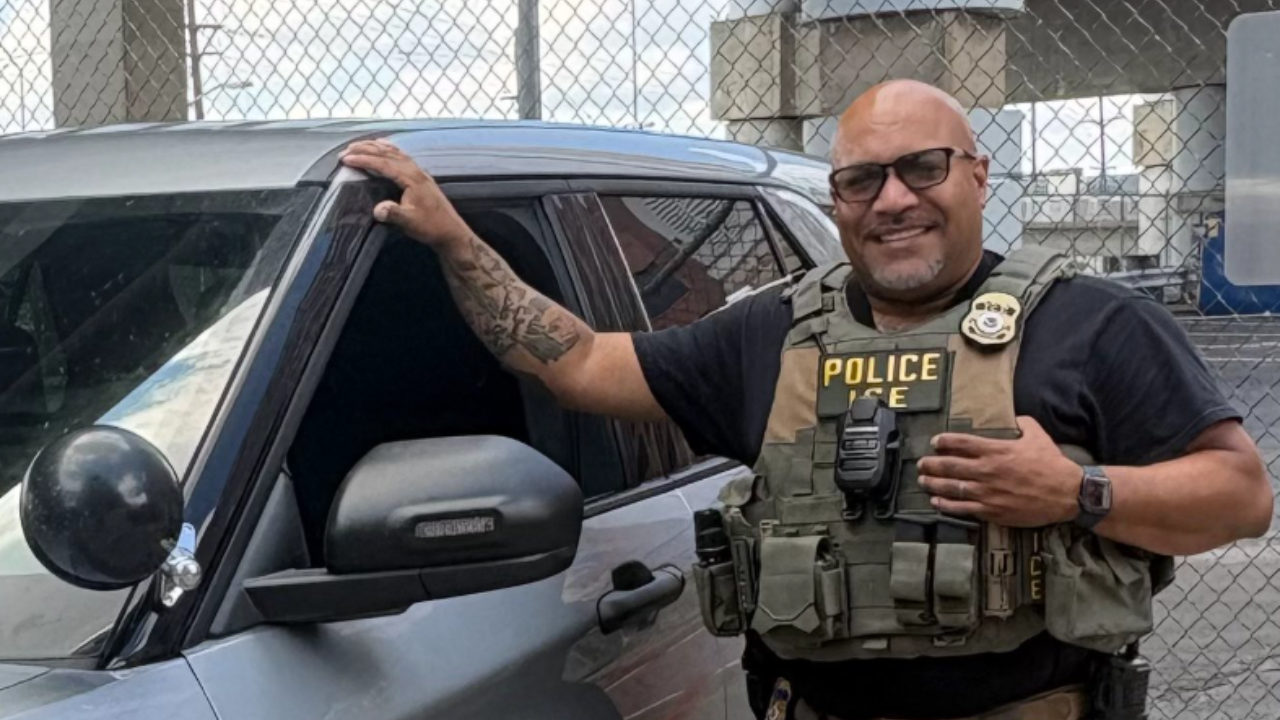
Most of us have driven past a fender bender and thought “glad that’s not me,” then kept right on going. Curtland Sawyer did the opposite. On July 11, the ICE law enforcement officer was headed home after his shift at the St. Louis, Missouri Sub-Office when he came up on a collision between a passenger vehicle and a tractor-trailer just outside Festus, Missouri. Instead of driving by, he pulled over, reported Just the News.
What he found was serious. One of the drivers was bleeding heavily, and every minute mattered. Sawyer didn’t wait for backup or an ambulance to sort things out. He got to work immediately, applying a tourniquet to the driver’s arm to stop the bleeding before it became life-threatening.
He stayed on scene the whole time, keeping the injured driver stable until EMTs arrived to take over. It’s the kind of moment that plays out in seconds but can be the difference between a tragic outcome and a driver going home to their family that night.
The Department of Homeland Security highlighted the rescue this week, with Acting Assistant Secretary Lauren Bis calling Sawyer a hero for his actions. It’s a good reminder that behind badges and job titles, there are just people who happen to be in the right place with the right training when it counts.
A Tractor-Trailer Crash With a Better Ending
Curtland Sawyer, one of our BEST OF THE BEST @ICEgov law enforcement officers, was driving when he saw a two car collision.
He immediately pulled over and began providing lifesaving medical care to one of the drivers, applying a tourniquet to his bleeding arm.
Thanks to… https://t.co/sNYXKH8KZE pic.twitter.com/fv8sB8Ldp8
— Homeland Security (@DHSgov) July 14, 2026
Crashes involving big rigs are no joke. The size and weight difference alone can turn what might be a fender bender between two sedans into something much worse. Details on exactly how the collision occurred haven’t been widely released, but the outcome for the injured driver improved dramatically thanks to someone stopping to help within that critical window right after impact.
If you’ve ever taken a basic first aid class, you probably remember the instructor hammering home how much a tourniquet, applied correctly and fast, can matter in a bleeding emergency. It’s not glamorous. It’s not complicated. But it works, and Sawyer’s quick use of one appears to have made the real difference here.
Not the First Time This Year
According to DHS, this isn’t an isolated incident. The agency says its officers have stepped in for a handful of emergency rescues recently, including a swimming pool save in Florida and a rollover crash in Milwaukee.
Whether you view any of that as newsworthy pattern or just coincidence of enough officers being on the road at the right times, the common thread is the same: someone saw a person in trouble and didn’t keep driving.
The Takeaway for the Rest of Us
You don’t need a badge to carry a basic first aid kit in your trunk or know how to apply a tourniquet. It’s a five-minute skill that YouTube can teach you, and one day it might matter a lot more than knowing how to change a tire.
Sawyer happened to have the training and the instinct to use it. The driver he helped is doing better tonight because of it.