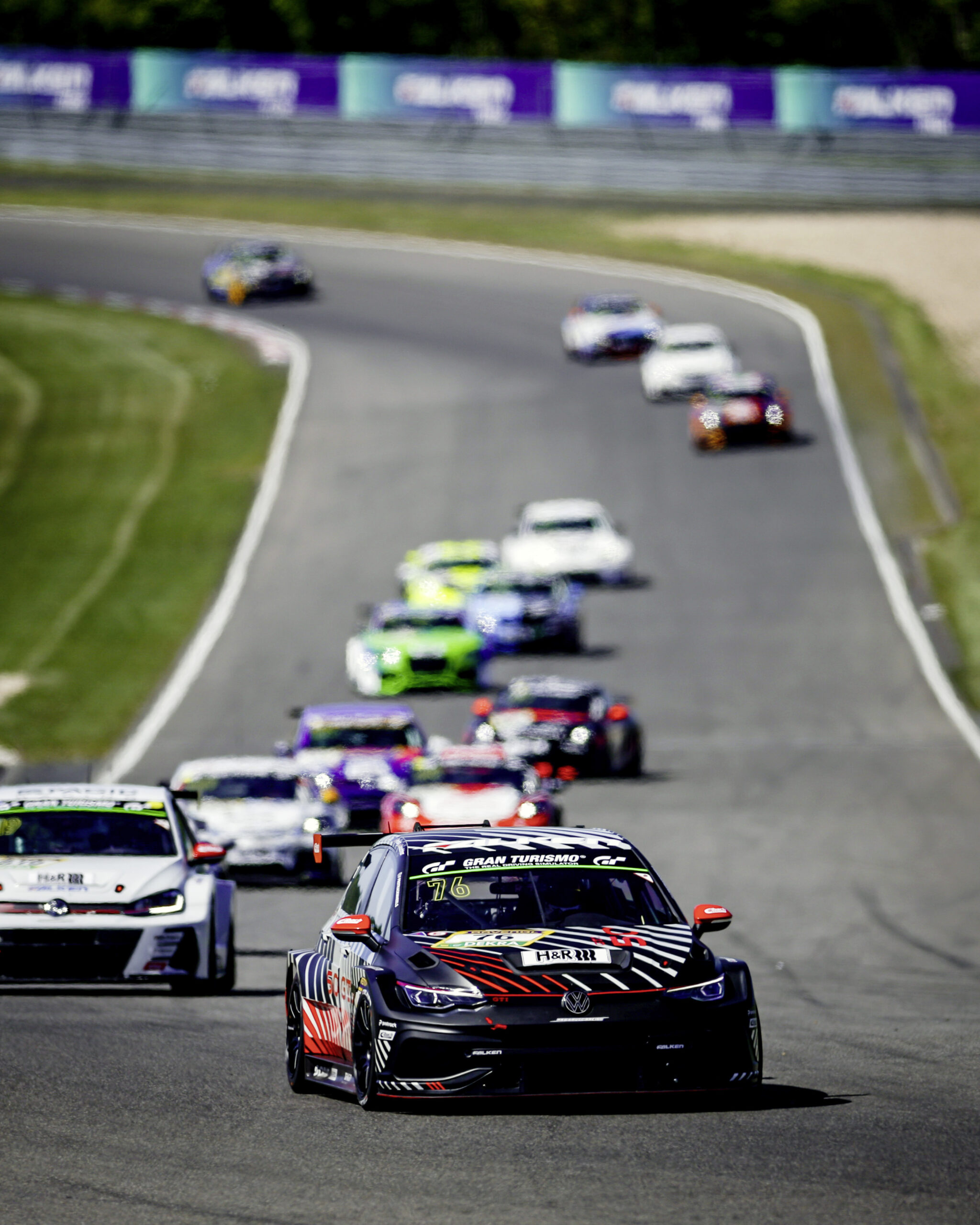
There’s something almost mystical about the way car enthusiasts talk about the Nürburgring. Mention “the Ring” in any automotive circle, and you’ll see eyes light up with a mixture of reverence and terror.
But why has this German racetrack become the ultimate proving ground for performance cars, and what keeps drawing manufacturers and drivers back to its unforgiving tarmac?
Born From Racing Royalty
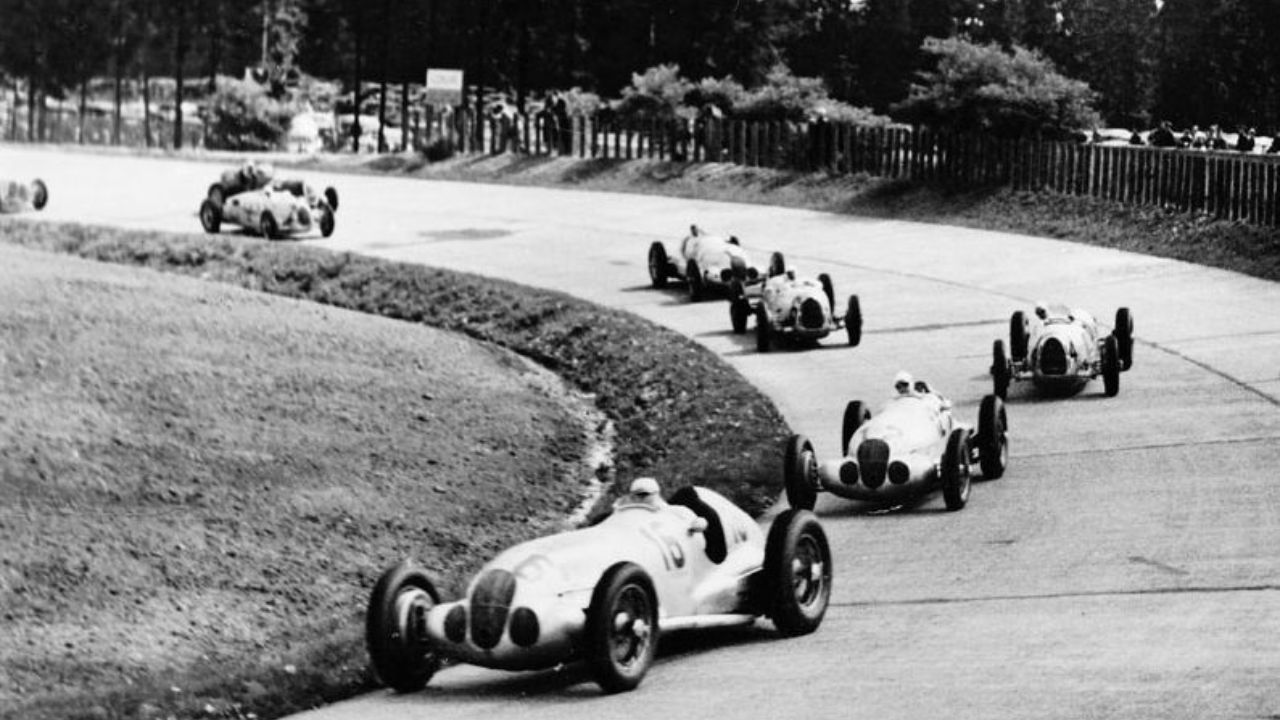
The Nürburgring wasn’t just another track when it opened in 1927: it was designed to be the ultimate test of both man and machine. Built in Germany’s Eifel Mountains, the original Nordschleife (North Loop) stretched about 14 miles (roughly 22.8 km) through forested terrain, featuring well over 150 corners depending on how they’re counted that followed the natural contours of the landscape.
From day one, it was clear this wasn’t going to be your typical oval or even a conventional road course.
The Green Hell Gets Its Name

Jackie Stewart, the three-time Formula 1 world champion, coined the track’s most famous nickname: “The Green Hell.” He wasn’t being dramatic: he used it to sum up the Nordschleife’s brutal mix of length, speed, limited runoff, and unpredictable Eifel weather.
The nickname stuck because it perfectly captured the track’s dual nature: breathtakingly beautiful yet utterly merciless to those who don’t respect it.
Where Legends Were Made and Broken
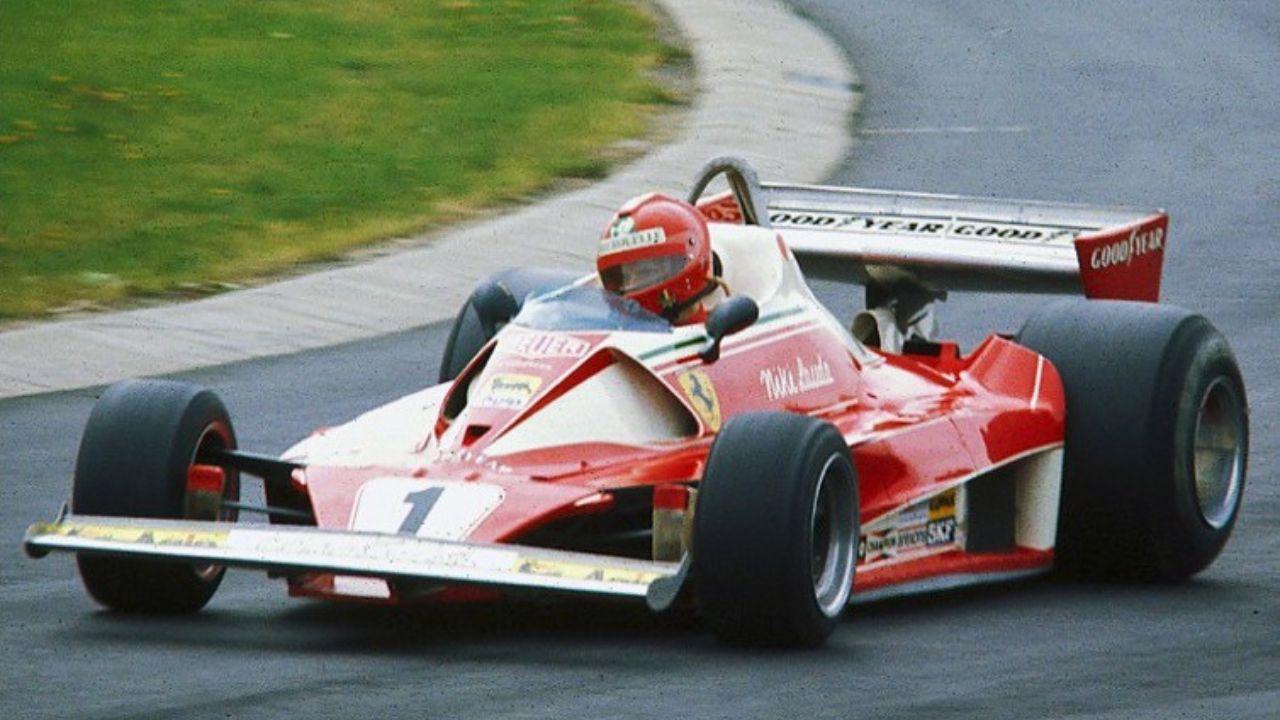
The Nürburgring’s reputation was forged during the golden age of motorsport, when drivers like Stirling Moss, Juan Manuel Fangio, and later Niki Lauda battled both each other and the track itself.
Lauda’s near-fatal crash in 1976 marked the end of Formula 1’s relationship with the Nordschleife, but it only added to the track’s mystique. The message was clear: only the very best could truly master this place.
The Democratization of Speed

What makes the Nürburgring special today isn’t just its racing history: it’s accessibility. Unlike most famous circuits, the Nordschleife opens to the public during designated times, allowing anyone with a road-legal car and some euros to experience what professional drivers face.
This democratic approach means your neighbor could theoretically set a lap time on the same track where racing legends once competed.
The Ultimate Marketing Tool

Automakers quickly realized that a fast Nürburgring lap time was worth more than any advertising campaign. When a manufacturer claims their car set a new record at the Ring, it’s not just bragging, it’s proof that the vehicle can handle the most demanding conditions imaginable.
The track tests everything: power, handling, braking, aerodynamics, and durability, all in one 20.832 km (12.944-mile) package. (current length of the track)
It’s Not About The Horsepower

What separates the Nürburgring from other tracks is its ability to expose weaknesses that might never surface elsewhere. A car might dominate on a smooth, predictable circuit but fall apart when faced with the Ring’s elevation changes, blind crests, and surface irregularities.
This is why lap times here carry such weight: they represent a comprehensive evaluation rather than a single performance metric.
The YouTube Effect

The rise of social media transformed the Nürburgring from an insider’s obsession into a global phenomenon. Suddenly, anyone could watch onboard videos of record-breaking laps or spectacular crashes from the comfort of their couch.
This visibility created a new generation of enthusiasts who might never visit Germany but still understand why a sub-seven-minute lap time matters.
Engineering Validation in the Real World

For automotive engineers, the Nürburgring serves as the ultimate real-world laboratory. Computer simulations and controlled testing can only go so far — the Ring provides conditions that simply can’t be replicated anywhere else.
When a car survives and thrives at the Nürburgring, engineers know they’ve created something truly capable of handling whatever drivers might throw at it.
The Modern Arms Race

Today’s Nürburgring lap time battles have become increasingly sophisticated, with manufacturers spending millions to shave seconds off their times. Electric vehicles are now joining the fray, proving that the track’s relevance extends beyond traditional combustion engines.
Each new record doesn’t just represent bragging rights: it pushes the entire industry forward in terms of technology and performance.
The Enduring Appeal

The Nürburgring’s obsession endures because it represents something increasingly rare in our sanitized, safety-regulated world: authentic challenge. In an era where many racing circuits have been modified for safety and spectacle, the Nordschleife still retains its fundamental layout and character, even after decades of safety and surface changes from its dangerous, demanding origins. It’s a place where marketing claims meet reality, where engineering prowess is truly tested, and where the romance of motorsport’s golden age lives on.
Whether you’re a casual car enthusiast or an extreme track devotee, the Nürburgring continues to matter because it asks the fundamental question that drives all automotive passion: how fast can you really go? And more importantly, do you have what it takes to find out?