
Cruise lines are still pulling in fresh faces, and the jump is large enough to matter. CLIA’s 2025 State of the Cruise Industry report says 31 percent of people who sailed in the past two years were new to cruising, up from 27 percent in 2023 and 24 percent in 2019.
That trend helps explain why beginner guides now sit front and center on major cruise-line websites. A lot of travelers are trying this format for the first time, and many are learning the same lessons at once.
The best advice is less glamorous than the brochures. State Department guidance, CDC advice, and cruise-line planning pages keep circling back to the same basics: choose the route before the hardware, carry stronger documents than the bare minimum, finish check-in steps early, reserve popular add-ons ahead of departure, and prepare for seasickness or stomach issues before the ship leaves port.
None of that sounds flashy. It does, however, make a debut sailing much easier to enjoy.
1. Pick the Route and Trip Length Before You Obsess Over the Ship

Royal Caribbean’s first-time planning guide puts the decision order in plain language: start with where you want to go, then ask how long you can realistically get away, and only then compare ships. That is smart because a quick Bahamas loop, an Alaska week, and a Mediterranean sampler deliver completely different rhythms.
The prettiest vessel in the world will not fix an itinerary that does not suit your schedule or energy level. Fancy deck features look great in photos, but they should come after the map makes sense.
The same guide treats ship choice as the third major step, after destination and duration. That is useful framing for first-time cruisers, because some people want a giant floating resort with nonstop activity, while others would rather have a calmer base with fewer decisions.
Planning gets easier once you know whether the priority is beach time, scenery, port-heavy days, or quiet evenings.
2. Handle Documents Early, and Bring More Than the Minimum
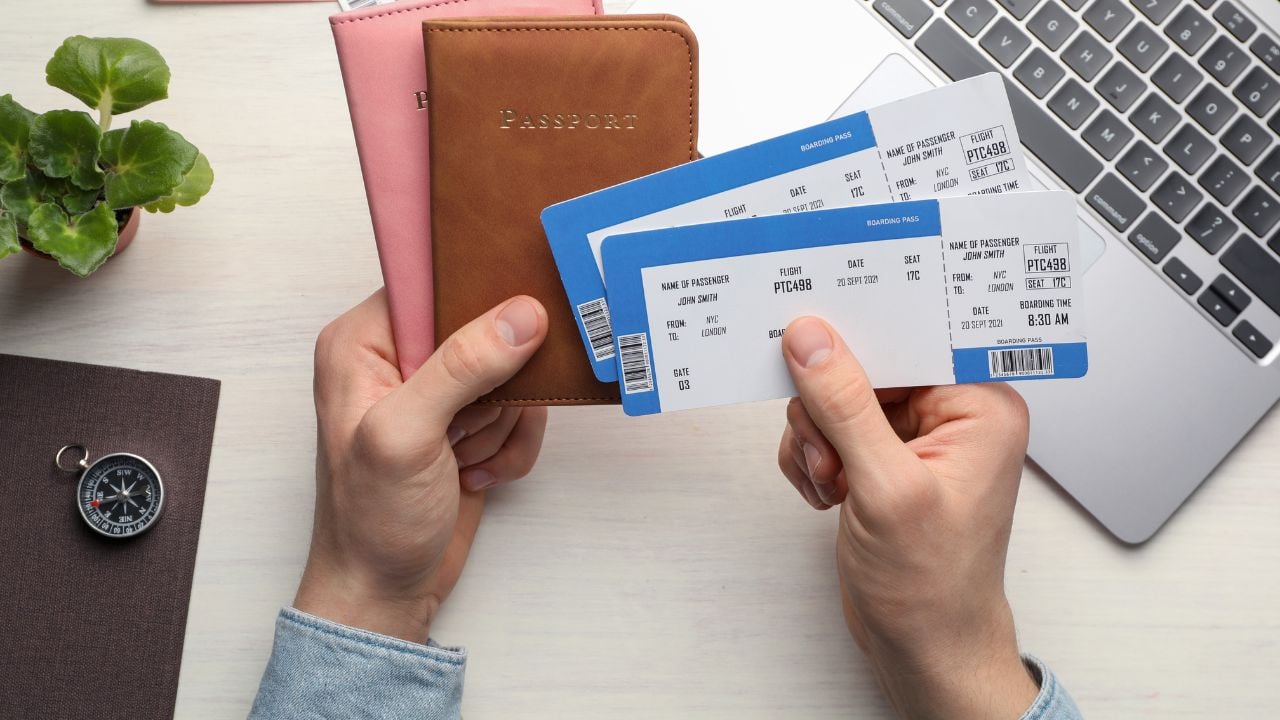
For U.S. travelers, the State Department strongly recommends a passport book even when a line does not strictly require one. Its guidance says you may need that booklet to fly home after an emergency, and it also urges passengers to check entry rules, visa requirements, blank-page needs, and expiration dates well before departure.
The agency specifically advises that the document be valid for at least six months beyond travel dates. That is the kind of detail people often remember only after a problem comes up.
Cruise lines echo that warning in practical language. Princess says the name in your OceanReady profile should match your passport exactly, and NCL says guests may be denied boarding without proper documentation at check-in.
Paperwork is not the fun part of planning, but it is the part that can ruin embarkation morning the fastest.
3. Learn What the Fare Covers Before Extras Start Stacking Up

A lot of newcomers assume every meal, every drink, and every activity is folded into the headline price. Royal Caribbean’s guide to what is included says many dining venues, shows, live music, parties, pools, and activities are part of the fare, which is good news for people trying to keep spending under control.
Princess adds another useful warning, noting that a 20% service charge is automatically added to optional purchases such as drinks and specialty dining. That means it is worth understanding what is already being charged before you start adding extras out of habit.
The add-on list can still grow quickly once planning begins. Royal Caribbean promotes booking excursions early, while NCL says specialty dining, spa treatments, and shore excursions can all be reserved before departure.
Beginners usually do better when they treat the planner portal like a second invoice instead of a harmless browse.
4. Finish Online Check-in and Reserve Popular Things Before Embarkation Day
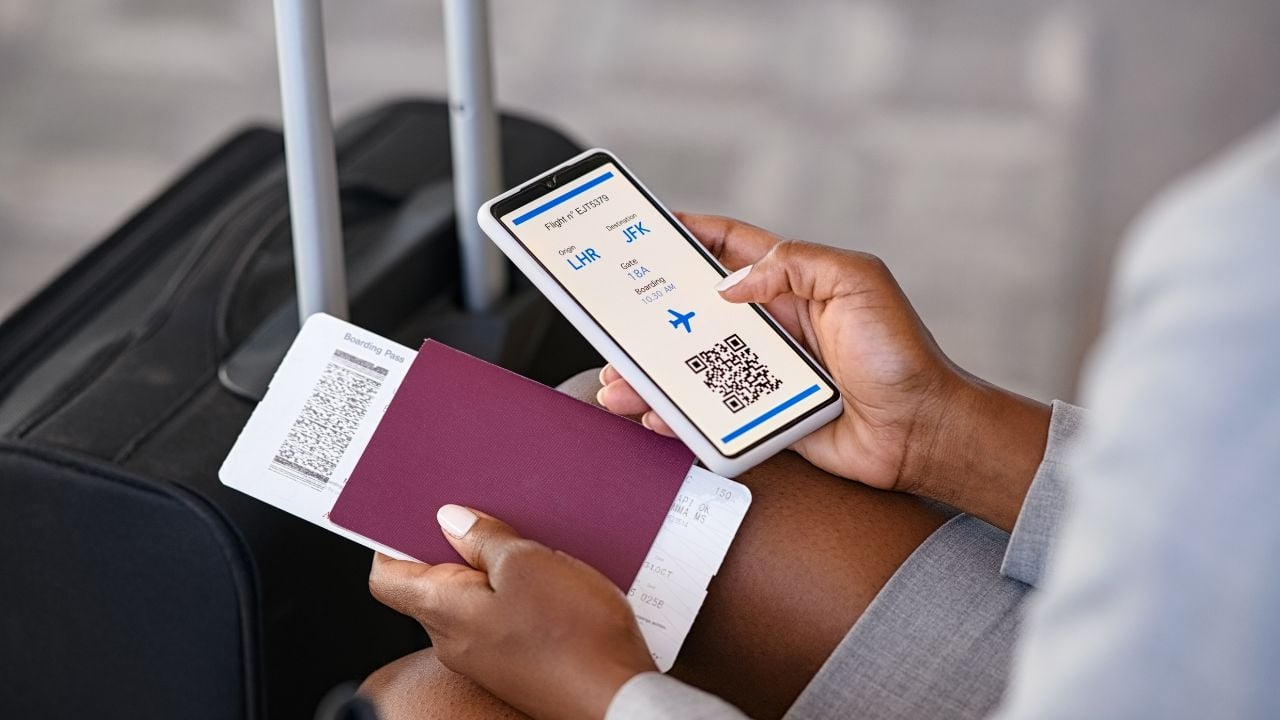
Terminal stress usually starts long before anyone sees the gangway. Princess says completing OceanReady steps in advance can speed check-in, while Royal Caribbean’s check-in guidance lists the document, payment, and personal details guests need to finish online.
NCL likewise tells guests to provide personal, passport, and travel information during online check-in and reserve a port arrival time before sailing. Boring prep work at home is usually better than last-minute scrambling at the port.
Port-day planning deserves the same urgency. Royal Caribbean says popular excursions can sell out fast, and NCL says dining, spa, and shore excursions can be booked online or in its app before departure.
Waiting until you are already on board can leave you choosing from leftovers. People remember the beach club, glacier tour, or food walk they wanted, not the backup they settled for.
5. Prepare for Seasickness, Germs, and Small Health Problems Before They Find You
CDC’s cruise travel page is blunt about the less photogenic side of life at sea. It warns that gastrointestinal illness, including norovirus-linked outbreaks, has been reported and advises washing hands with soap and water before eating and after bathroom visits or touching commonly handled surfaces such as stair railings.
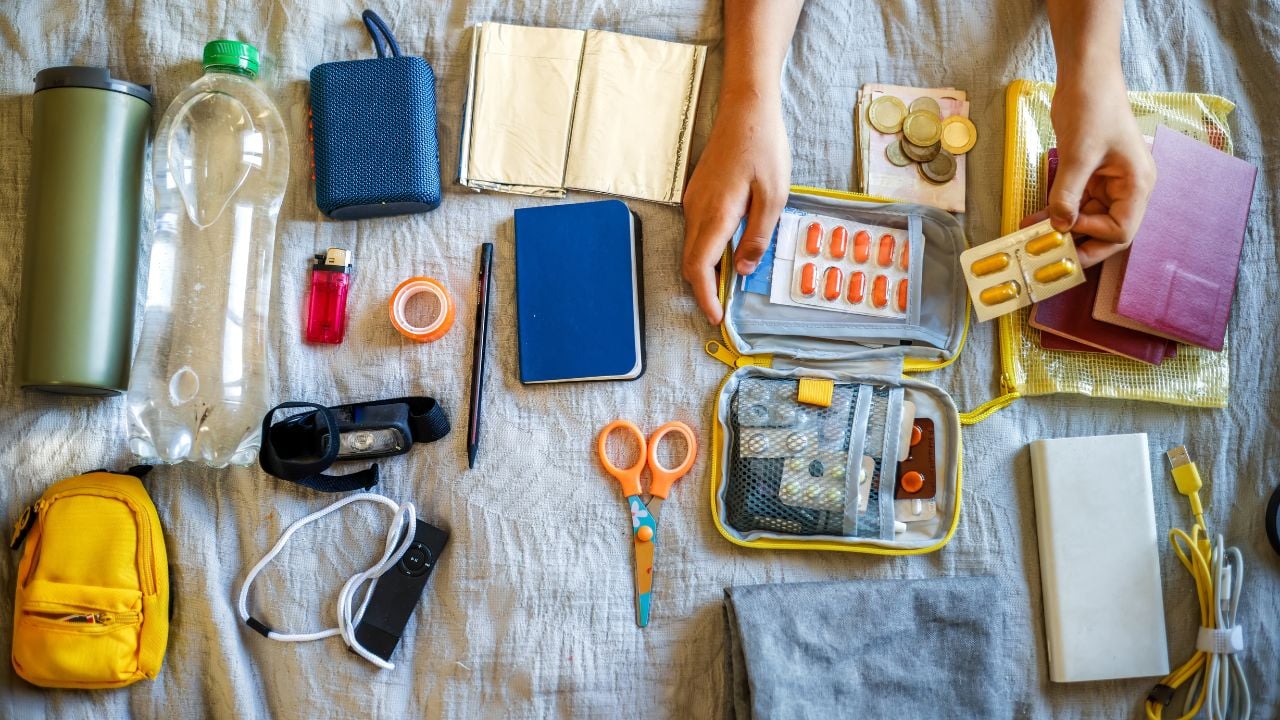
The same page says travelers who know they are prone to motion sickness should speak with a healthcare provider about medicine before departure. Those are not glamorous tips, but they are some of the highest-value ones on the list.
CDC’s Yellow Book guidance on motion sickness says being sleep-deprived can make it worse, and that alcohol and smoking can increase symptoms. CDC also says looking at the horizon, staying hydrated, and eating small amounts may help.
The same Yellow Book notes that medication works best when taken before symptoms start, not after nausea has already taken over. A first sailing usually goes much more smoothly when travelers plan for comfort with the same seriousness they apply to cabin photos and sunset selfies.