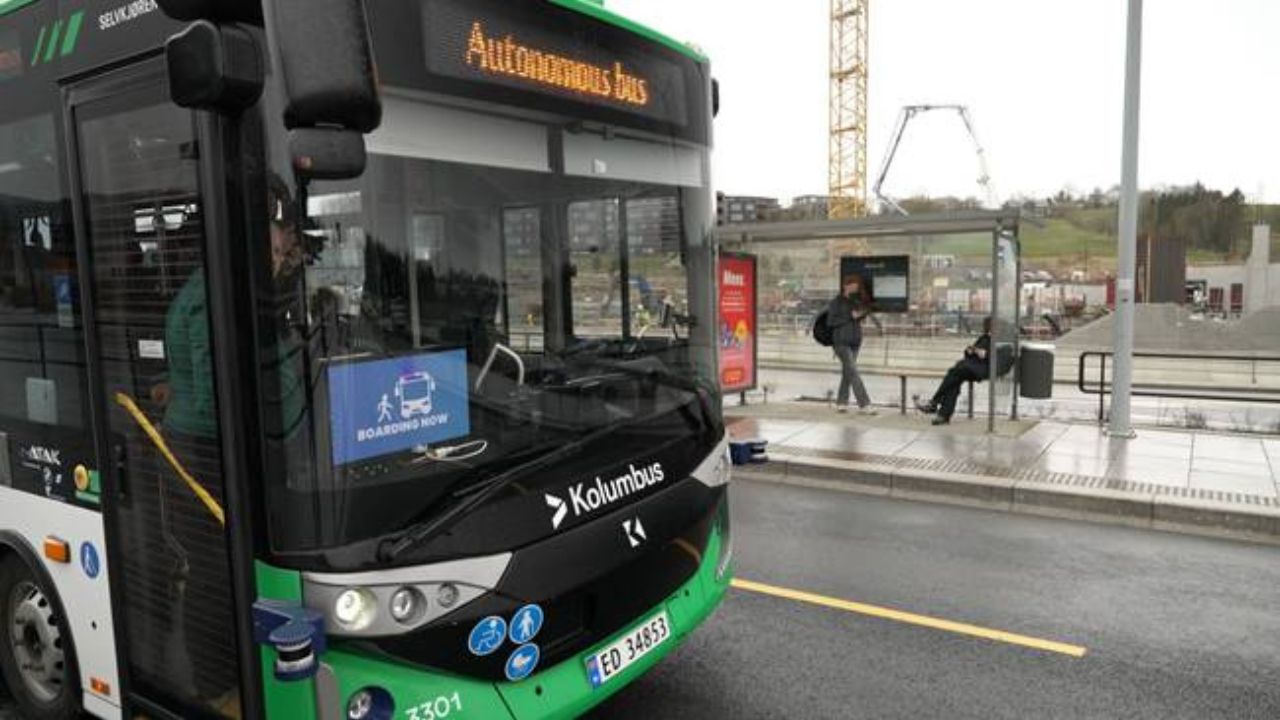

A quiet transit experiment in a coastal Norwegian city just blew a hole in one of the biggest contradictions in the global autonomy debate.
In Stavanger, public transport authority Kolumbus has been cleared to run a fully driverless bus in regular traffic.
No human behind the wheel. No safety operator sitting there as a backup. Just software, sensors, and a remote operations system watching from afar.
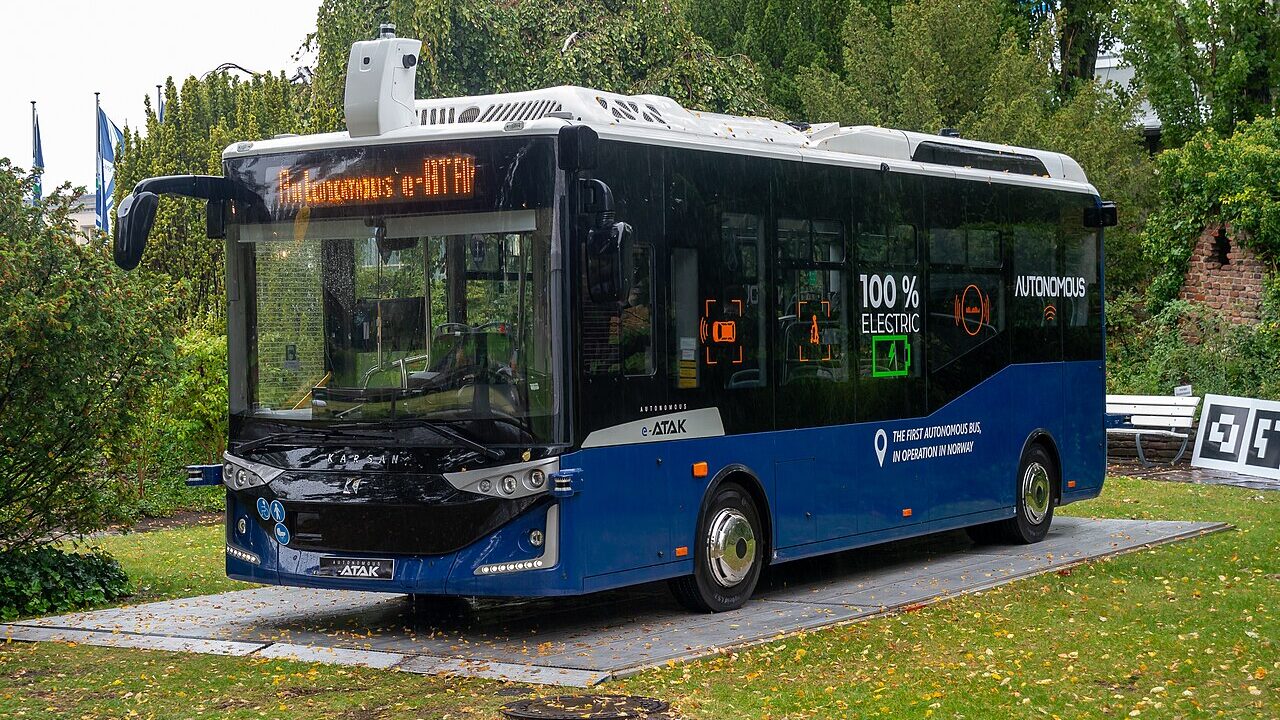
Meet the Karsan Autonomous e-ATAK midsize bus, operated by Kolumbus and Vy. It is automated by ADASTEC’s autonomous driving software and managed through Applied Autonomy’s xFlow fleet management system.
It has been integrated into Stavanger’s public transport network since 2024, after pilot deployments starting in 2022.
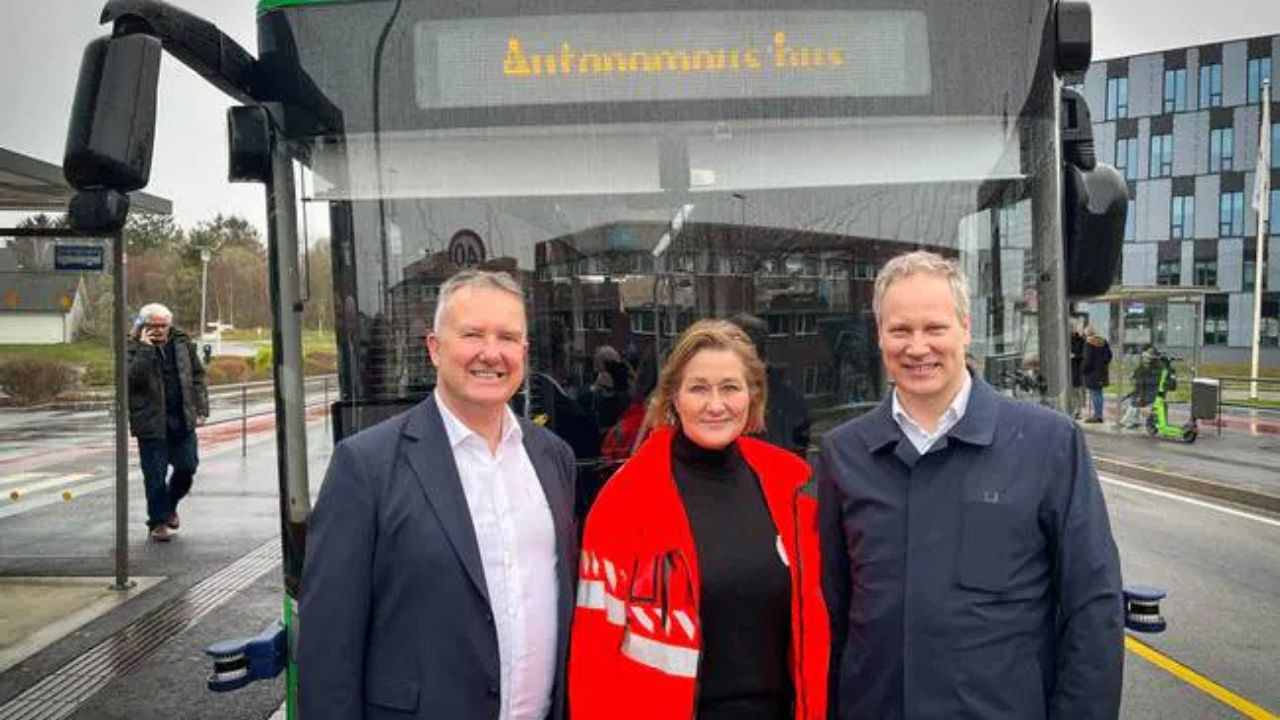
It’s important to emphasize the setting: This isn’t a closed campus shuttle creeping along at walking speed.
This bus has already spent years navigating real streets filled with pedestrians, cyclists, roundabouts, and unpredictable city traffic. It handles lane changes, traffic lights, and mixed urban chaos, all while carrying paying passengers.
And here is where things get interesting for anyone paying attention to the U.S. auto industry.
The American Paradox: Same Tech, Different Rules
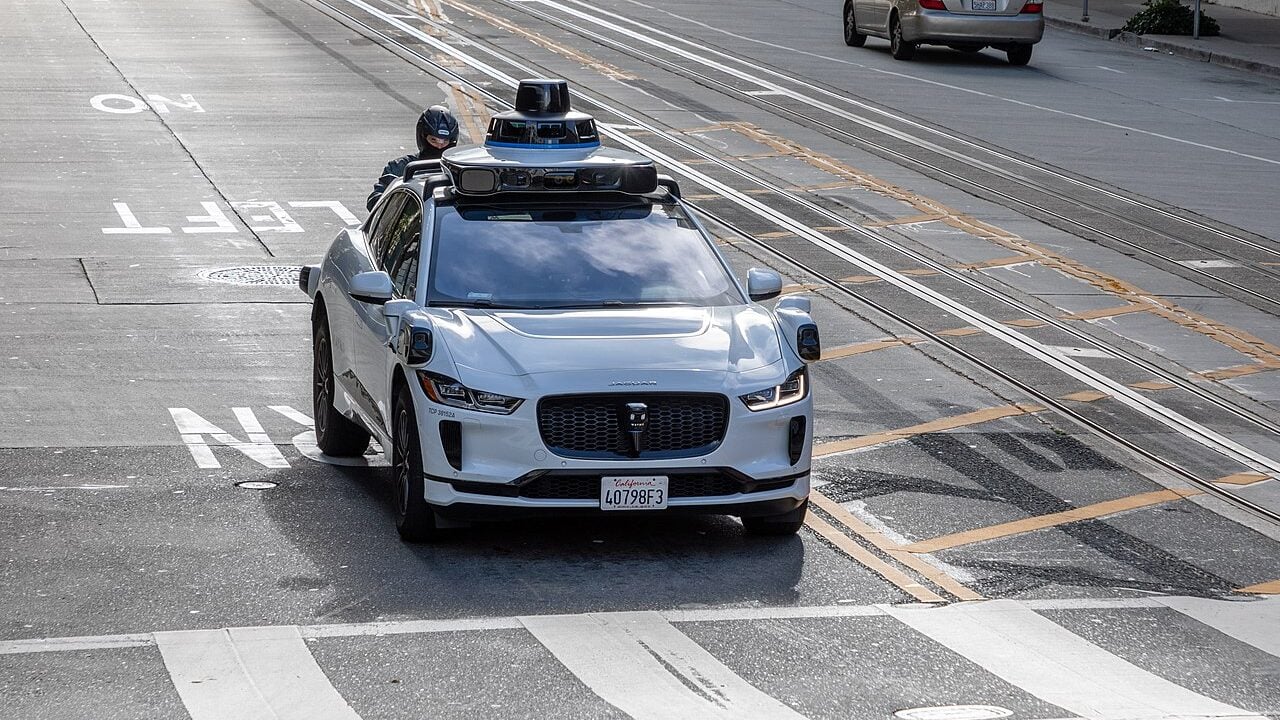
Because in America, cars equipped with similar or even more advanced sensing stacks are still legally treated like supervised learners, and rightfully so.
Even the most capable driver-assist and autonomous systems often require a human sitting in the driver’s seat, hands ready, eyes forward, legally responsible. Meanwhile, a full-size city bus in Norway is being trusted to operate without anyone behind the wheel at all.
Same core idea. Very different rules.
The e-ATAK bus in Stavanger runs on a Level 4 autonomous system, meaning it can handle driving tasks within a defined environment without human intervention. It is Europe’s first Level 4 bus in regular traffic.
It uses LiDAR, radar, and cameras to build a detailed picture of its surroundings, detecting objects with centimeter-level precision and reacting in real time.
A centralized platform monitors operations remotely, allowing a human to oversee multiple vehicles at once instead of sitting inside one.
If that sounds familiar, it should. That is the same architectural philosophy behind many autonomous car programs already being tested or deployed in parts of the United States.
So why does one get a green light to go fully driverless while the other is still treated like it needs supervision?
Why the Usual Explanation Falls Short
The usual answer is complexity. Regulators argue that scaling autonomy across millions of privately owned cars is harder than managing a small fleet of buses on fixed routes. That is fair, up to a point. A bus route is predictable. A personal car can go anywhere.
But that explanation starts to fall apart when you look closer.
This Norwegian bus runs through dense urban streets, deals with real human behavior, and has already expanded from simple routes to more challenging ones involving higher speeds and complex traffic patterns. No special infrastructure was required.
In other words, it is proving the exact thing regulators say they are waiting to see.
Meanwhile, U.S. policy often treats autonomy as if it must be perfect everywhere before it can be trusted anywhere, and rightly so.
That mismatch, though, creates a strange double standard.
A city bus carrying dozens of passengers can operate without a driver in one country, while a privately owned car with similar perception and decision-making capabilities must still be babysat in another.
It makes you wonder if this safety is really the issue; or is it about regulatory philosophy lagging behind the technology?
Meanwhile, Tesla Is the King of Norway — But FSD? Not So Fast
In case you’re wondering, yes, Tesla is officially sold in Norway; in fact, it is one of the country’s top-selling brands.
Despite Norway being one of the most open markets for the disruptive Chinese EVs in Europe, with brands like BYD, MG, XPeng, and NIO already capturing a significant market share, Tesla is the natural king there, a country where over 90% of passenger vehicles sold in recent years were electric.
The American electric brand is so popular there that, in 2025, it broke the all-time record for most cars registered in a single year, surpassing Volkswagen’s previous record with 26,649 registrations.
That said, Tesla has applied for permission to roll out its Full Self-Driving (FSD) software in Norway, but regulators have only allowed limited supervised testing so far, not full deployment.
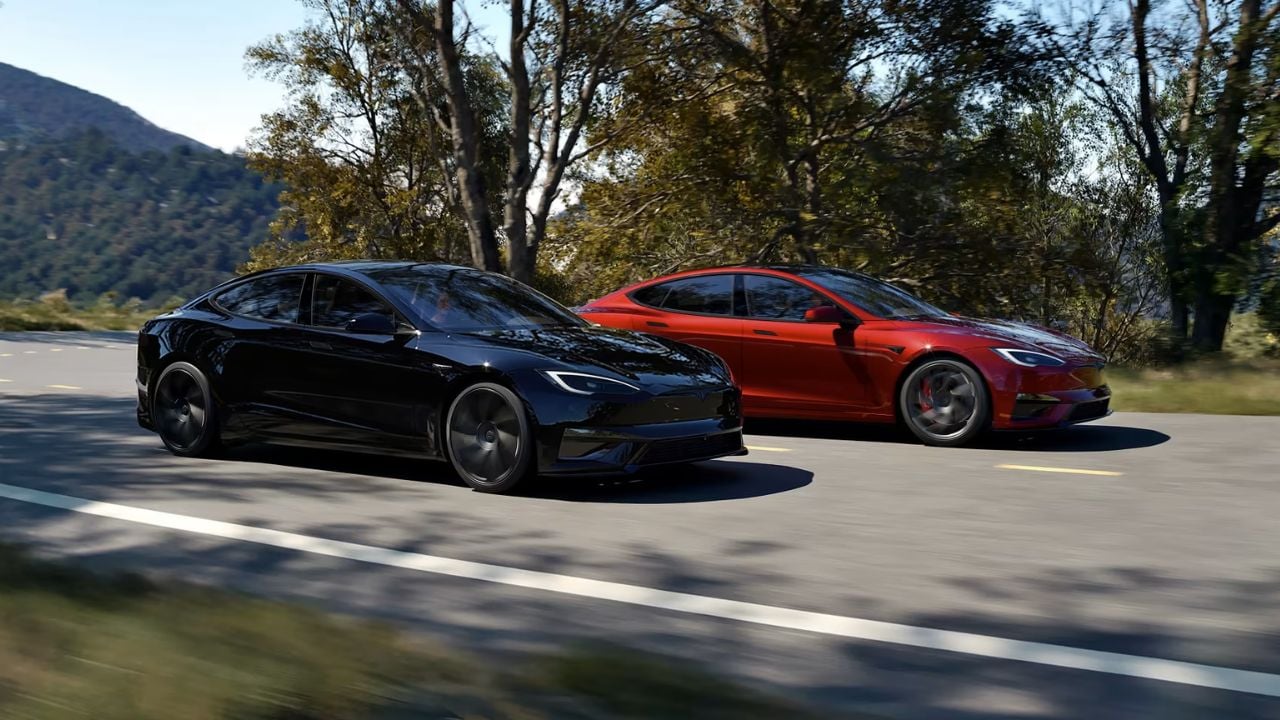
In April 2025, Tesla obtained a two-year exemption from UNECE autonomy regulations, allowing FSD Supervised testing on public roads in Norway. This approval was limited to employees and test vehicles, not general customers.
In fact, the Norwegian Public Roads Administration (SVV) has taken a rather cautious stance compared to, for example, the Netherlands, which granted national approval. Norway requires Tesla to prove winter safety performance under Nordic conditions before broader rollout.
Meanwhile, FSD approval is under reviiew at the EU level under Article 39 of the EU Type Approval Regulation. Norway is participating in this process, meaning full consumer rollout depends on EU-wide harmonization.
Is the Bus Tech Actually Better? Not Exactly.
Perhaps, the bus in Stavanger has superior autonomy tech?
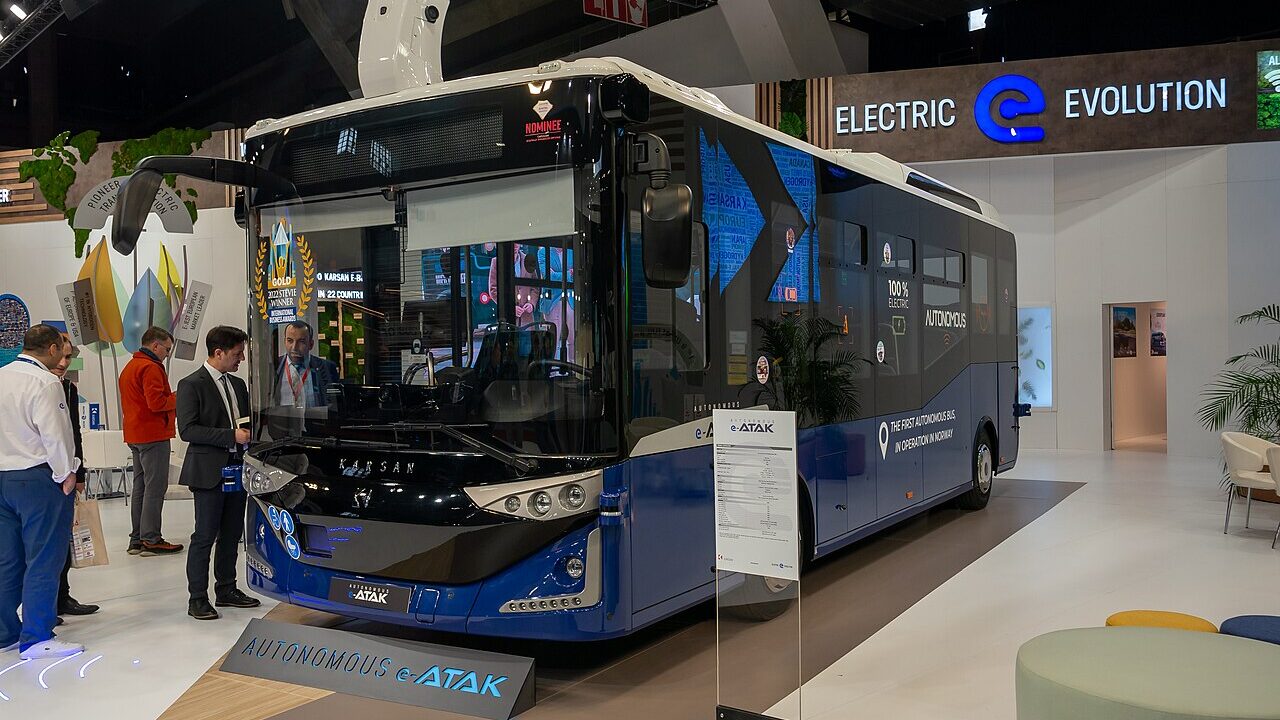
Not necessarily. A Level 4 bus in Stavanger doesn’t automatically mean it has “better” technology than Tesla’s FSD.
Autonomy levels describe use cases, not raw capability. The bus operates in a tightly defined domain—fixed routes, geofenced areas, monitored remotely—so regulators can certify it as Level 4.
Tesla’s FSD, by contrast, aims for broad consumer use across unpredictable environments, which makes regulators classify it as Level 2–3 despite its sophistication. In short, the bus is Level 4 because its scope is narrow and controlled, while Tesla’s system is broader but legally constrained.
The takeaway: While Norway allows a fully driverless bus in Stavanger, Tesla’s FSD faces stricter scrutiny, highlighting the difference between regulated public transit autonomy and private car autonomy.
The Cultural Layer Regulators Don’t Talk About
There is also a cultural layer at play here.
Public transit systems are often given more leeway to experiment because they operate within structured frameworks. Automakers, on the other hand, face a patchwork of state and federal rules, liability concerns, and public scrutiny that can slow deployment to a crawl.
But from a purely technical standpoint, the gap is getting harder to justify.
If a heavy, passenger-loaded bus can navigate real-world traffic without a human driver in Stavanger, it challenges the assumption that cars using similar systems are not ready for the same level of trust.
And that is the part the automotive world cannot ignore.
How the fuck is this allowed but a small car with Supervised self driving isn’t? https://t.co/id7E2cFaGV
— Rob Grieves 🇦🇺 (@RobGrieves) April 17, 2026
Because this is no longer about whether autonomous driving works but about who gets to decide when it is allowed to work without a human safety net.
Right now, Norway’s Karsan Autonomous e-ATAK bus probably proves the answer depends less on the technology and more on where you are standing.
Sources: Not a Tesla App, TeslaNorth.com, fsdtracker.eu