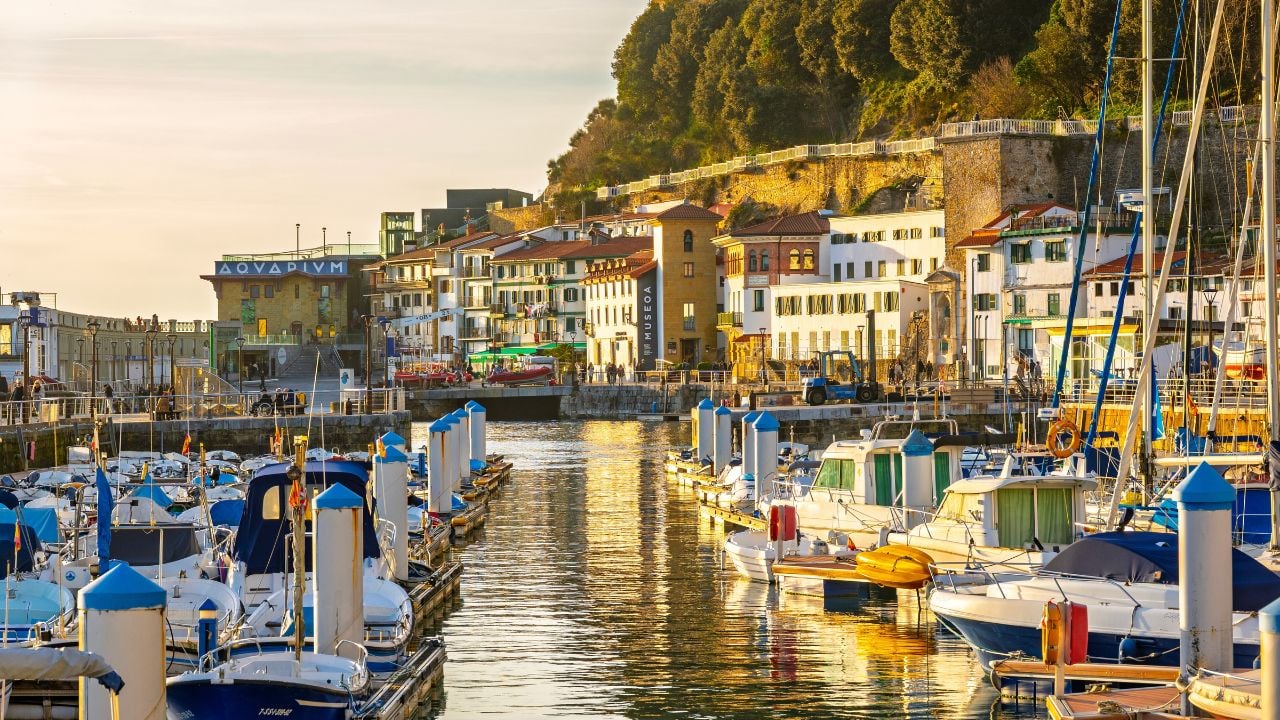
Northern Spain rewards travelers who prefer rhythm over rush. Atlantic air, walkable old quarters, and short hops by rail or bus make it easy to stay put while still feeling like the trip is moving. Many of the best moments come from simple routines: a market stop, a long lunch, then a coastal promenade at golden hour. Plan for weather shifts, because the same coastline can look calm at noon and dramatic by late afternoon.
A strong approach is “one base, many small wins.” Choose a home city for a few nights, add one day trip every other day, and leave blank space for mood and conditions. Plan one paid highlight, then balance it with free scenery so the budget and the pace stay steady. Shoulder season dates often bring quieter streets while restaurants and museums remain fully open, especially in cities with a year-round local rhythm.
1. San Sebastián
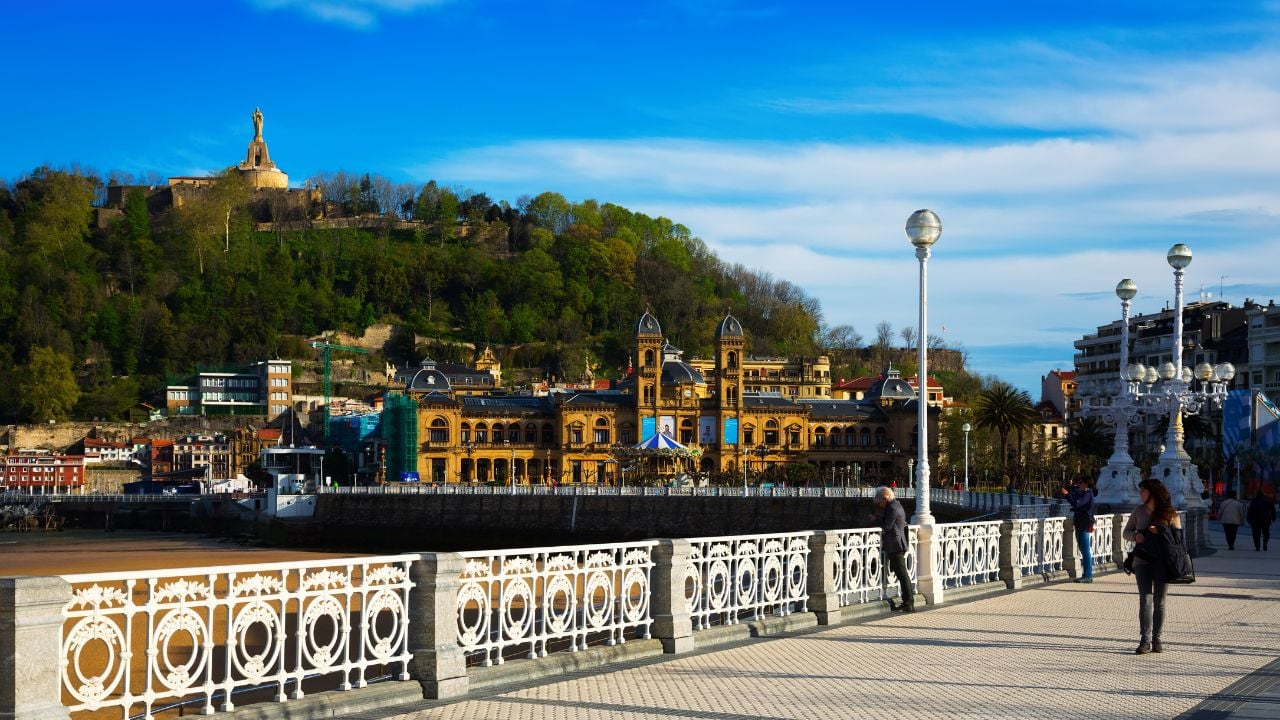
San Sebastián is built around a bay that feels like a natural amphitheater, so a walk can count as the main attraction. The official tourism site notes La Concha’s white sand stretches about 1,500 meters, which turns an ordinary evening into a scenic loop. Compact streets nearby make it easy to drift from sea views to the old town without needing a car. Keep the schedule light and let the city’s shoreline set the tempo.
Pintxos culture is most enjoyable when treated like a casual crawl rather than a marathon meal. Order one small bite, pause, then move on instead of stacking a giant tab at a single counter. Go earlier for a calmer vibe, then return later for one final stop when the bars glow and the streets feel cinematic. For photos, mix one wide bay shot with tighter details like skewers, plates, and hands reaching across a crowded counter.
2. Zumaia
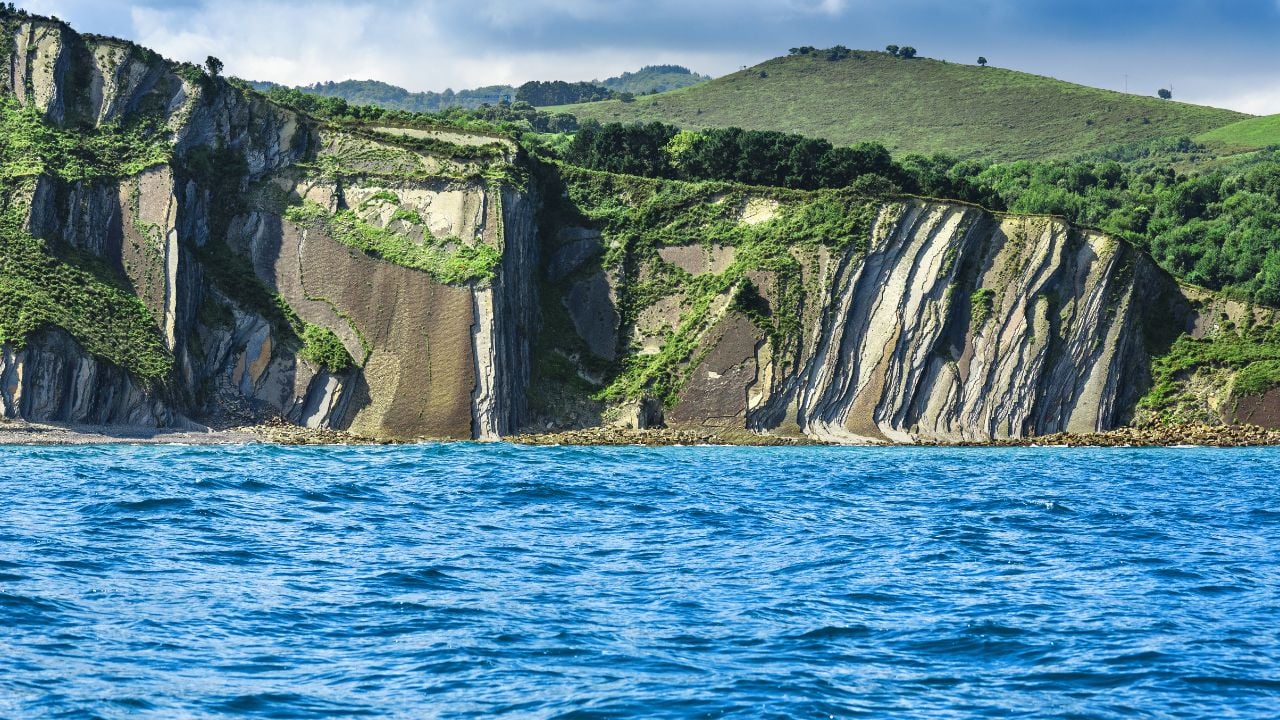
Zumaia delivers big coastal drama in a small package, especially along the flysch cliffs near Itzurun. The Basque Coast Geopark says it has been a UNESCO Global Geopark since 2015, which signals real scientific and cultural value, not a social media trend. The layered rock formations read like a natural timeline, and the scenery changes fast as light and water shift. A simple cliff path can feel like a headline experience without any ticket.
Tides change the look of the shoreline, so timing matters more than ticking boxes. Pack a bakery picnic, follow a marked trail, then slow down and watch the sea do its work. Stick to safe viewpoints and respect signage, since coastal edges can be unpredictable when wind picks up. For visuals, aim for one frame that shows the full sweep of layers, then add a human-scale shot with a lone walker for perspective.
3. Bilbao
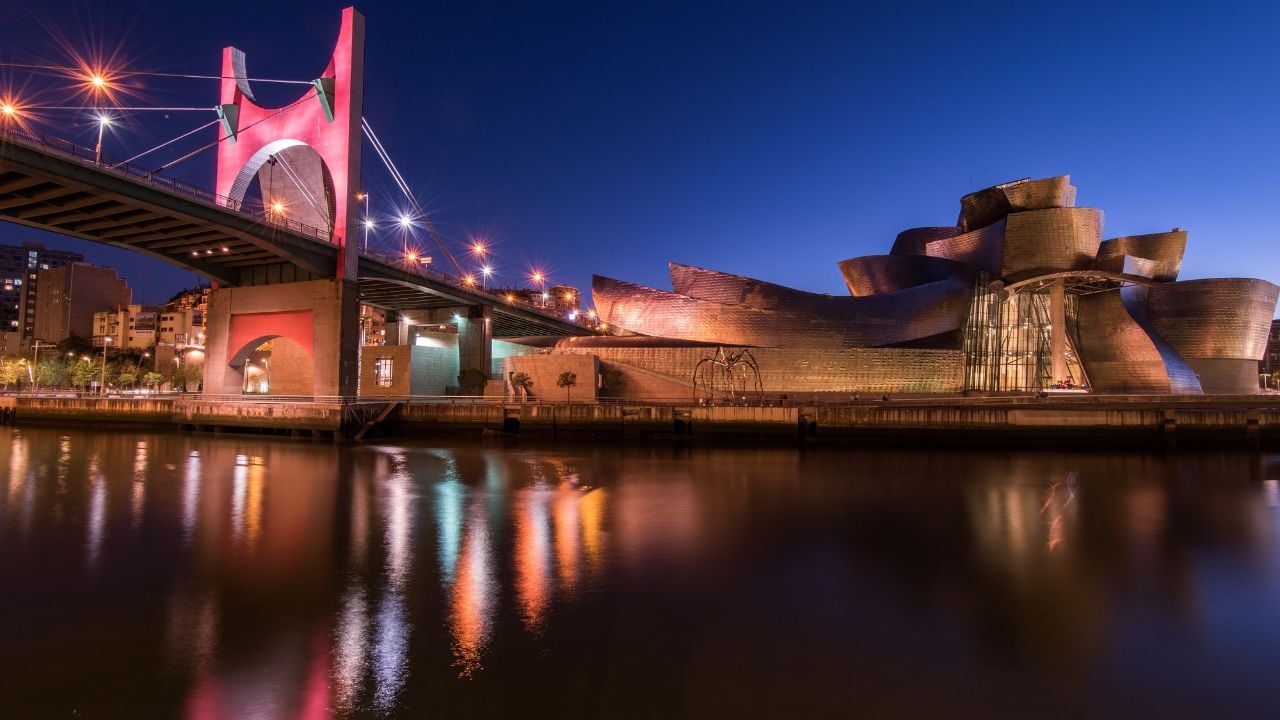
Bilbao is ideal for slow travel because neighborhoods provide the entertainment. Casco Viejo’s lanes, small plazas, and riverside routes create a full day without constant ticket lines. The river corridor links older streets to contemporary design in a way that feels effortless on foot. Build the day around wandering, and let meals become the anchors instead of attractions.
The Guggenheim is the famous anchor, and the museum’s own materials state it opened to the public on October 19, 1997. Visit in one focused block, then decompress with a long stroll beside the Nervión and a relaxed dinner. Keep the rest of the day flexible so the museum does not turn into a race against the clock. For images, pair one clean exterior architecture angle with street-level scenes in the evening, when the city feels most alive.
4. Laguardia
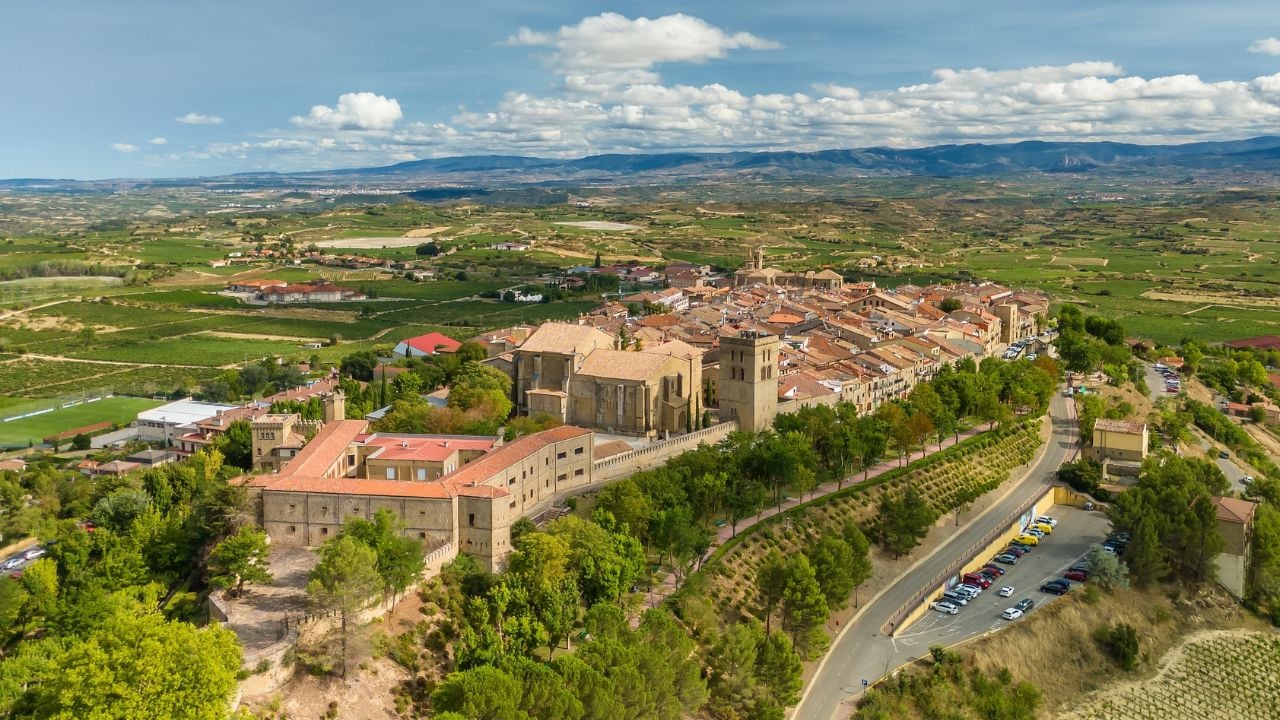
Laguardia is a hilltop town in Rioja Alavesa where the tempo naturally drops. Stone lanes, vineyard panoramas, and small viewpoints make it feel designed for lingering. It works well for travelers who want wine country without resort energy or heavy logistics. Even a short visit can feel full when the plan is just a slow walk, one tasting, and a long meal.
Staying overnight changes everything, because evenings and early mornings are when the place feels most intimate. Wine visits can inflate a day quickly, so pick one cellar experience rather than hopping across several. A slow lunch paired with a short sunset walk often lands better than an overstuffed tasting schedule. For photography, focus on repeating patterns like vine rows and stone textures, then add close details such as barrels, corks, and local produce. (If you want a single official-style “overview” link here, this Spain tourism route page includes Laguardia as a key stop: Rioja Alavesa Wine Route.)
5. Santander
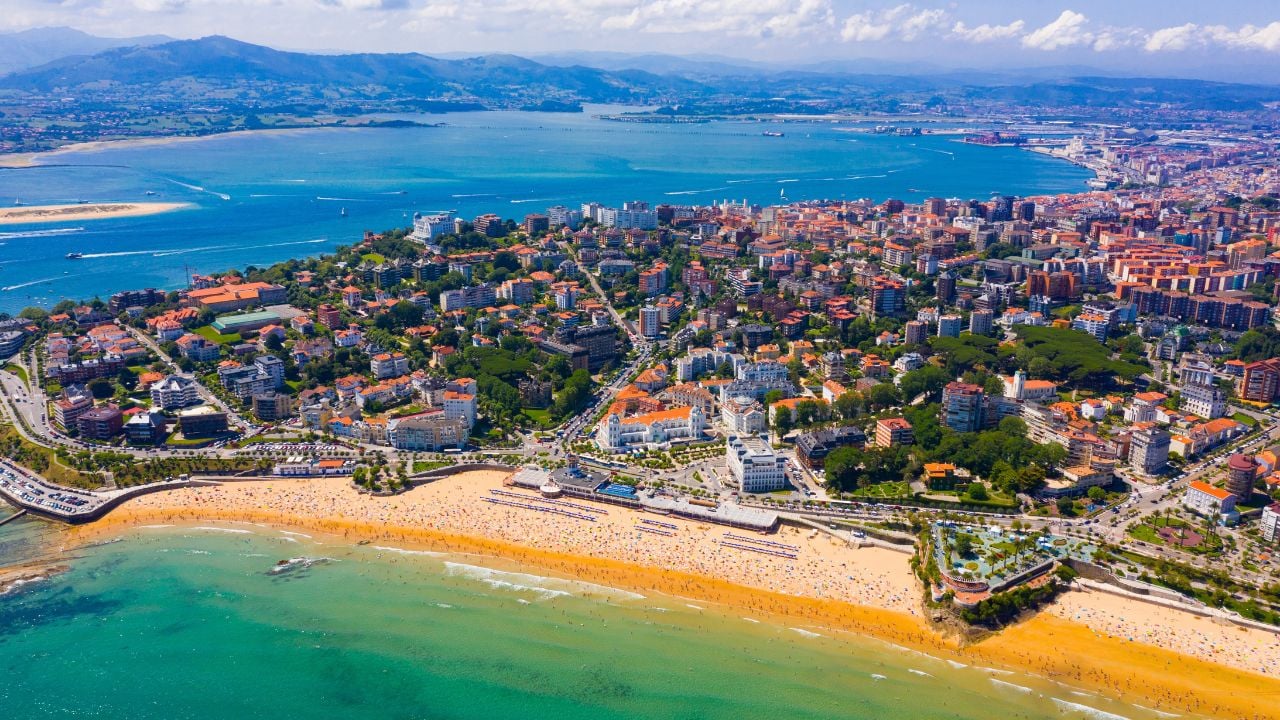
Santander offers city comforts with a coastline that stays within easy reach. Santander’s official tourism site describes the Magdalena Peninsula park as a 24.5-hectare area that surrounds Bikini Beach and Magdalena Beach, which helps explain why it can feel spacious even near town. This is a good base for travelers who want a relaxed shoreline without giving up urban convenience.
A good day here starts with a long shoreline walk, shifts to a fixed-price lunch, then returns to the water for late light. Keep costs controlled by choosing seafood that locals eat regularly rather than importing “special occasion” menus. Build in a quiet hour on a bench or promenade, because this city rewards doing less, not more. Photo ideas: greenery against the sea, plus a calm beach frame when the light softens and the crowds thin.
6. Potes
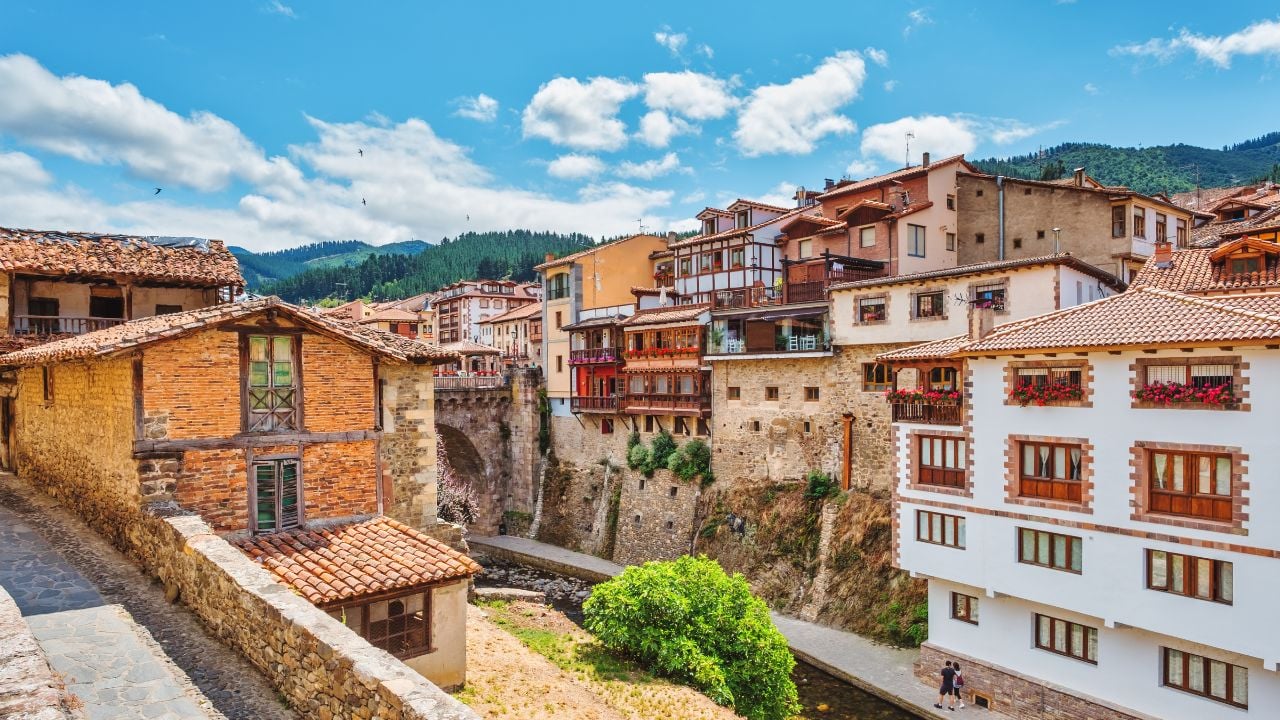
Potes sits in the hills as a gateway to the Picos de Europa region, offering a strong change of scenery after coastal days. The town center is small and walkable, with bridges and stone buildings that suit slow wandering and frequent café pauses. Nearby drives are short yet scenic, so the journey itself becomes part of the experience. This is the kind of place where a single viewpoint can carry the day.
Cantabria’s official tourism site lists Potes as one of the region’s standout historic towns, which fits its “slow pace” energy perfectly. For context on why the nearby mountains matter historically, Asturias tourism notes that Spain created the Montaña de Covadonga National Park on July 22, 1918—widely cited as the first national park in Spain and the origin story behind today’s Picos de Europa National Park area. Keep plans simple: one trail or lookout, then return for a relaxed evening meal and a quiet night. Start early if you want emptier paths, then let the afternoon slow down naturally.
7. Oviedo
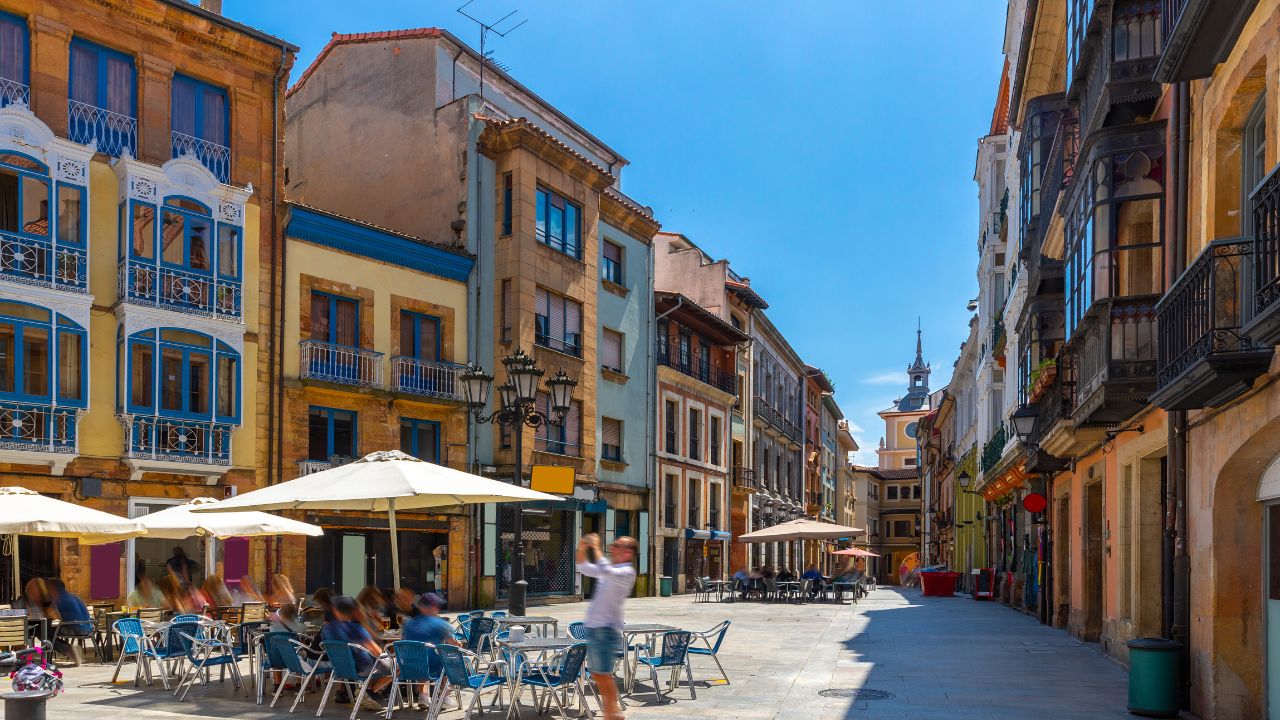
Oviedo works as a polished, calm base between the coast and the mountains. The old quarter encourages wandering without a map, and the café culture supports long pauses rather than hurried check-ins. Museums, churches, and shops sit close enough to connect on foot, which keeps the day smooth and low-stress. It is a place where a light schedule still feels full.
UNESCO added Asturian cider culture to its Representative List in 2024, which matters because the pour and the social ritual are central to the tradition. Choose one sidrería, order something straightforward, and let the room’s rhythm set the pace. Treat it like a slow evening, not a performance, and the tradition makes sense on its own. Photo idea: a cider pour captured mid-air, paired with a quiet street scene under warm lights.
8. Gijón
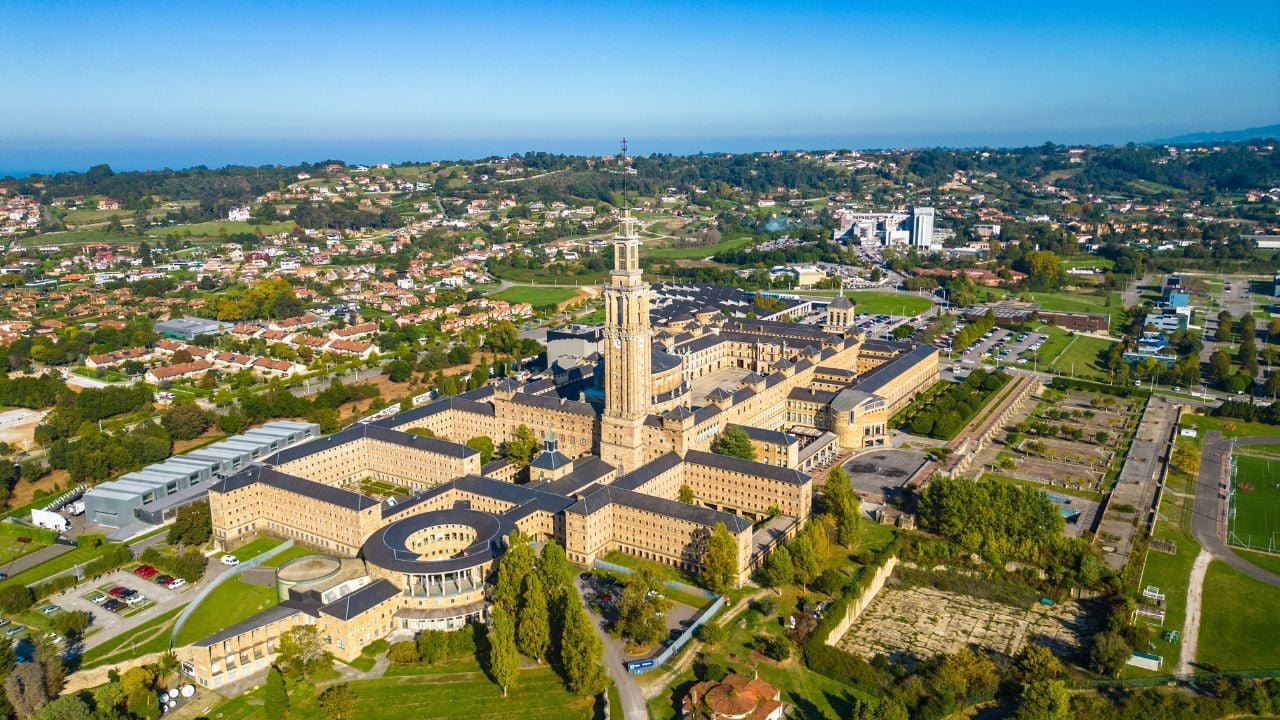
Gijón feels saltier and more casual than a museum-first destination, which fits an easy pace perfectly. Cimavilla, the older quarter, offers short climbs and long views that reward stopping often. Beaches sit right alongside the city fabric, so seaside time does not require complicated logistics. Plan the day around walking, and let the coastline provide the structure.
Eating well here is simple when approached as one solid meal plus smaller snacks across the day. Finish with a harbor walk at dusk, when the atmosphere calms and the light turns cinematic. Weekdays usually feel more relaxed, while festival weekends can compress space and spike prices. For visuals, combine a wide coastal panorama with candid street details from Cimavilla’s lanes, like doors, balconies, and café scenes.