
The 2026 Nissan Leaf hasn’t exactly had a triumphant debut. Before most people have had a chance to see one in the wild, Nissan has quietly filed a recall with the National Highway Traffic Safety Administration (NHTSA) for 51 of the brand-new electric vehicles over a high-voltage battery defect that could lead to overheating and, yes, fire. For a car that runs on a battery, having a potentially combustible battery is a bit of a rough start.
The recall is small in number, but the concern is serious. According to Nissan’s report to the NHTSA, the high-voltage battery in affected vehicles may contain internal damage capable of causing a short circuit within the battery module. Nobody wants a short circuit in their EV. Nobody wants a short circuit in anything, really, but especially not in the thing powering a 4,000-pound vehicle you’re sitting inside.
To be fair, no injuries, accidents, or warranty claims have been tied to this recall so far, and Nissan is already moving quickly to get ahead of the situation. The company is reaching out directly to affected owners, offering rental cars in the meantime, and aiming to have a proper fix available by July. So while the headline sounds alarming, the real-world story is more like a very cautious, proactive “let’s handle this before anything actually happens.”
What’s Actually Going Wrong Inside the Battery
Nissan’s investigation is still ongoing, but preliminary findings point to a manufacturing defect at the supplier level. Specifically, engineers believe there is damage to the edges of the battery cell cathode material. In plain English: the part inside the battery responsible for conducting electricity may have been nicked or bent during production, which can cause it to fold over on itself.
When cathode material folds, it can create contact points that shouldn’t exist, and that’s where the short circuit risk comes in. A short circuit in a high-voltage EV battery generates heat, and enough heat can lead to a fire. Nissan has not confirmed the exact supplier involved, but the company says it is actively working with them to develop a remedy.
This is the kind of defect that doesn’t announce itself. There are no warning lights guaranteed to flash, no dramatic symptoms before things could potentially go sideways. That’s exactly why Nissan is taking the step of telling affected owners not to charge their vehicles and to park them outdoors, away from structures, until the fix is ready.
What Nissan Is Telling 2026 Leaf Owners Right Now
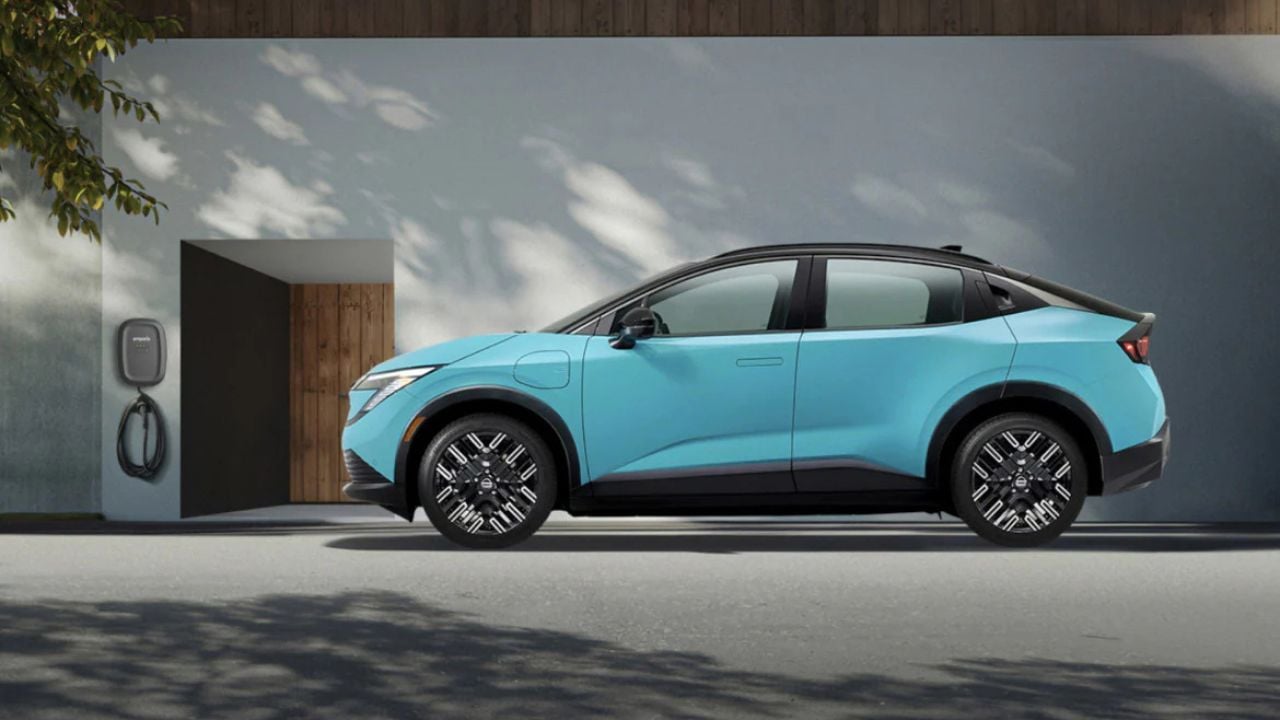
If you somehow already own a 2026 Leaf and are reading this in a mild panic, here is what Nissan wants you to do: stop charging it and park it outside away from your garage, your house, and anything else you’d prefer to keep intact. Nissan’s consumer affairs team is contacting affected owners by phone directly with these instructions.
The company is also providing rental vehicles to affected owners at no cost while they wait for the repair, which is currently expected to be available in July 2025. That’s a reasonable goodwill gesture, especially for a vehicle that was supposed to represent a fresh start for the Leaf nameplate.
The 2026 Leaf is a relaunch of sorts for one of the longest-running mass-market EVs in history. The original Leaf helped normalize electric cars for everyday drivers back when the idea of plugging in your commuter vehicle still felt futuristic. Launching the new generation with a fire-risk recall is not exactly the triumphant return Nissan had in mind.
How to Check If Your Vehicle Has an Open Recall
Only 51 vehicles are included in this recall, which makes it one of the smaller ones you’ll see. But recalls happen constantly across every brand and every segment of the market, often affecting vehicles years after purchase. Millions of cars are under open recalls at any given time, and many owners never find out.
The easiest way to check your own vehicle is to look it up using your Vehicle Identification Number, or VIN. You can also search by license plate or simply by year, make, and model. Checking takes about 30 seconds and could save you a much more complicated conversation down the road.
If you’re a 2026 Leaf owner and haven’t heard from Nissan yet, don’t wait around. The company says outreach is happening by phone, but staying informed on your own timeline is always the smarter move.