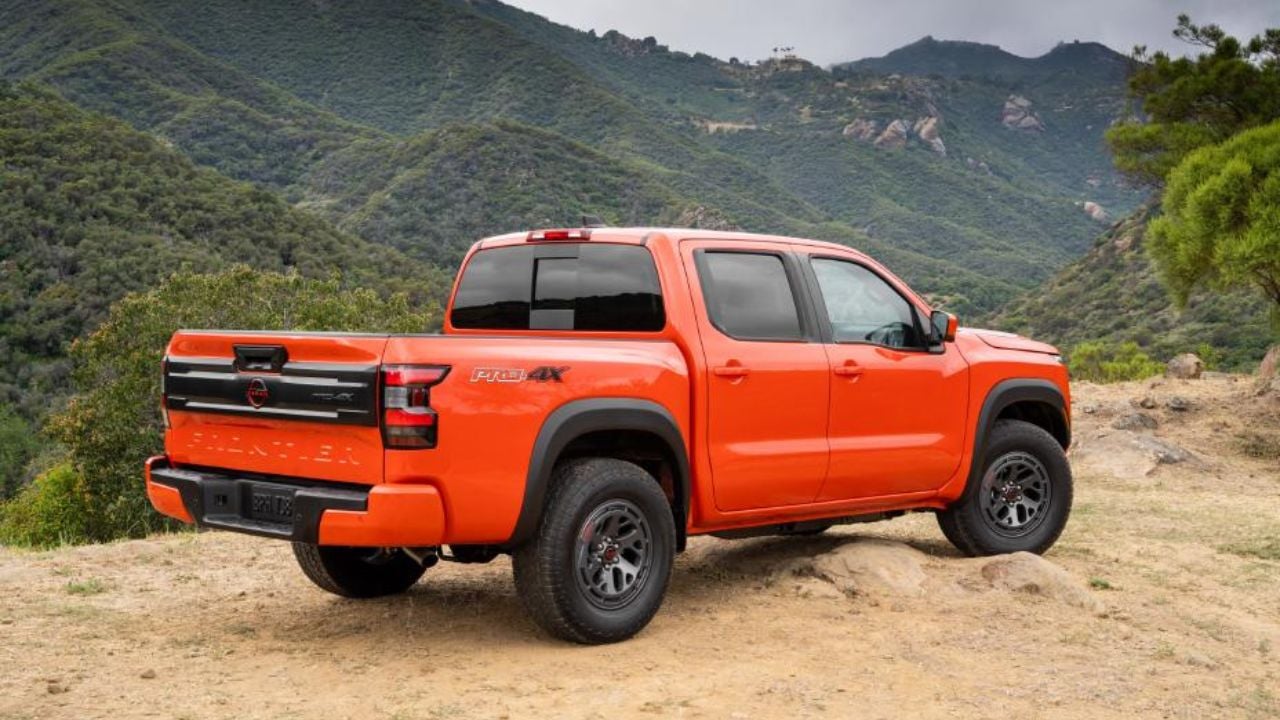
Out of nowhere, truck tailgates have become one of the most competitive battlegrounds in the industry.
What used to be a simple drop-down panel is now packed with steps, split openings, and clever storage tricks.
Nissan, however, might be taking things in a completely different direction.
Because this new idea doesn’t just add features, it rethinks how a tailgate actually works.
This Isn’t Another Fold-And-Split Design
Most modern “multi-function” tailgates rely on hinges and folding sections.
You’ve seen it on trucks like the Chevrolet Silverado 1500 and Ram 1500, where panels flip, swing, and drop into different positions.
Nissan’s patent throws that playbook straight out of the window.
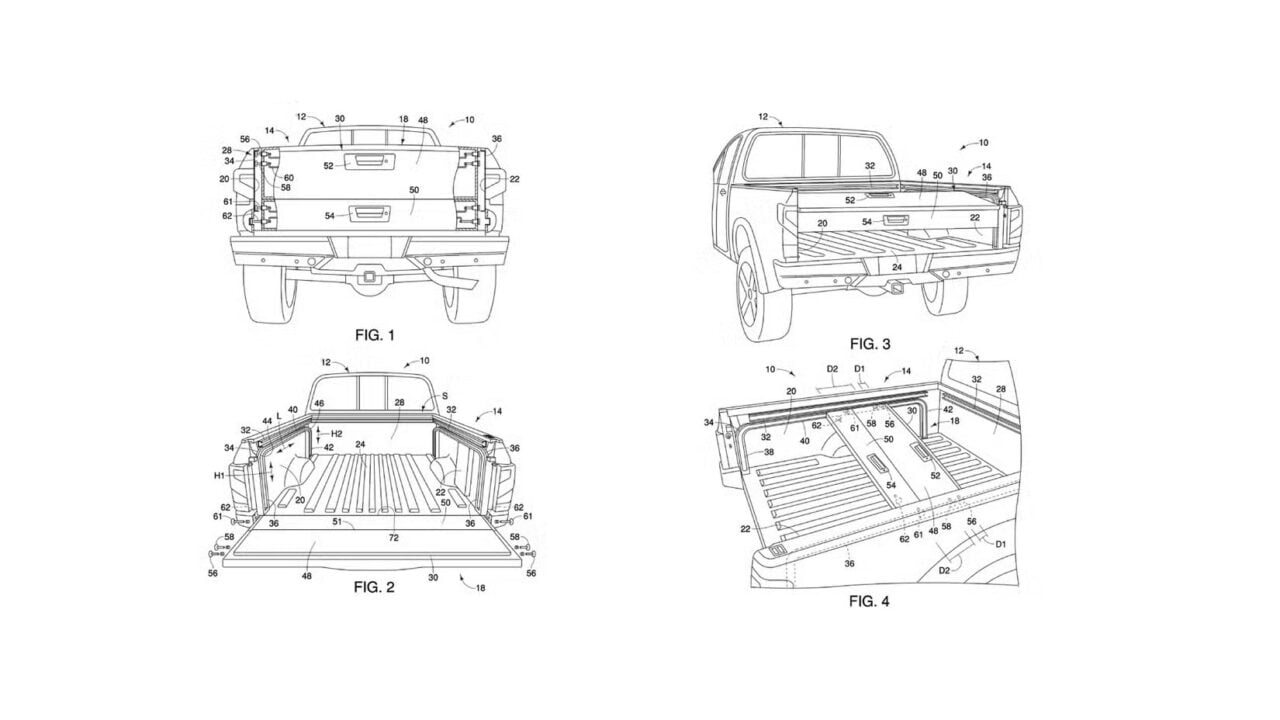
Instead of folding, the tailgate is split into two panels that slide along guided rails.
Think of it less like a door, and more like a controlled track system that lets you position each section exactly where you need it.
Why This Could Actually Be Useful
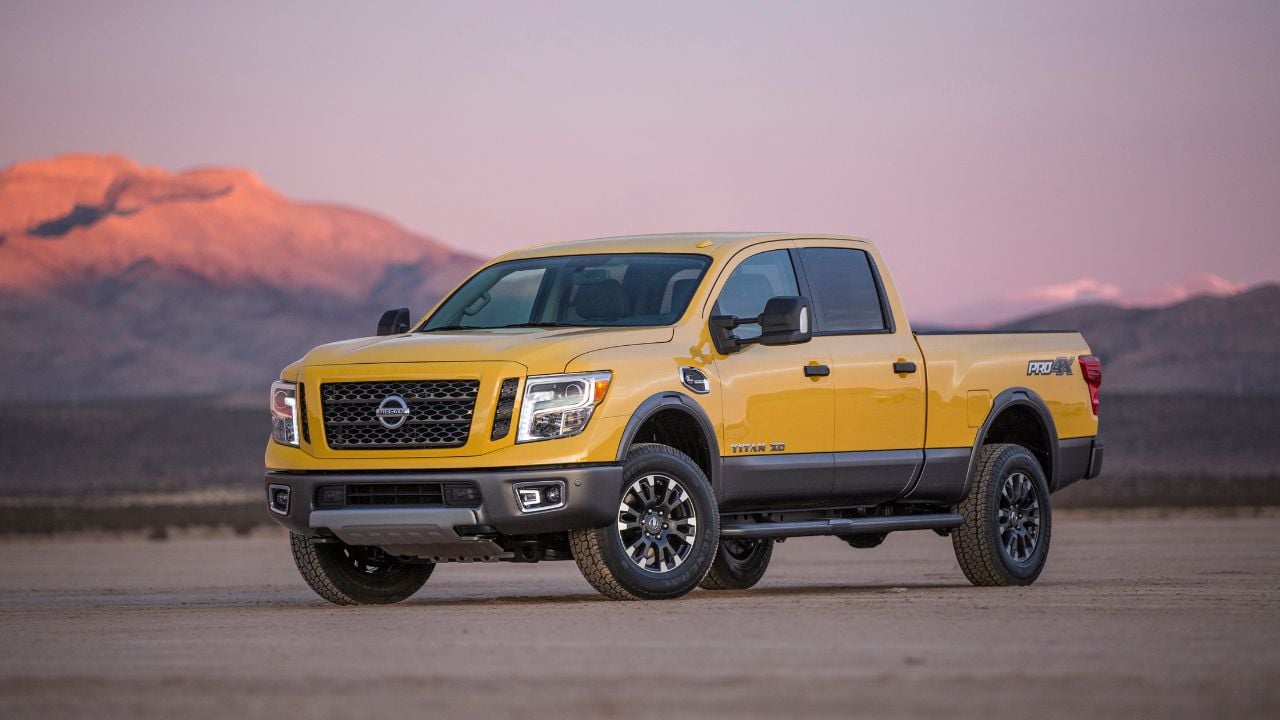
This isn’t just engineering for the sake of it, as the sliding design could solve one of the most annoying real-world truck problems: awkward cargo.
Imagine carrying long items like lumber or pipes. Normally, you’d have to drop the entire tailgate, leaving everything else in the bed exposed and unsecured.
With this setup, you could partially open the tailgate, letting longer items stick out while keeping the rest of the bed closed. It’s a small change, but one that could make a big difference for people who actually use their trucks for work.
Where Could We See It?
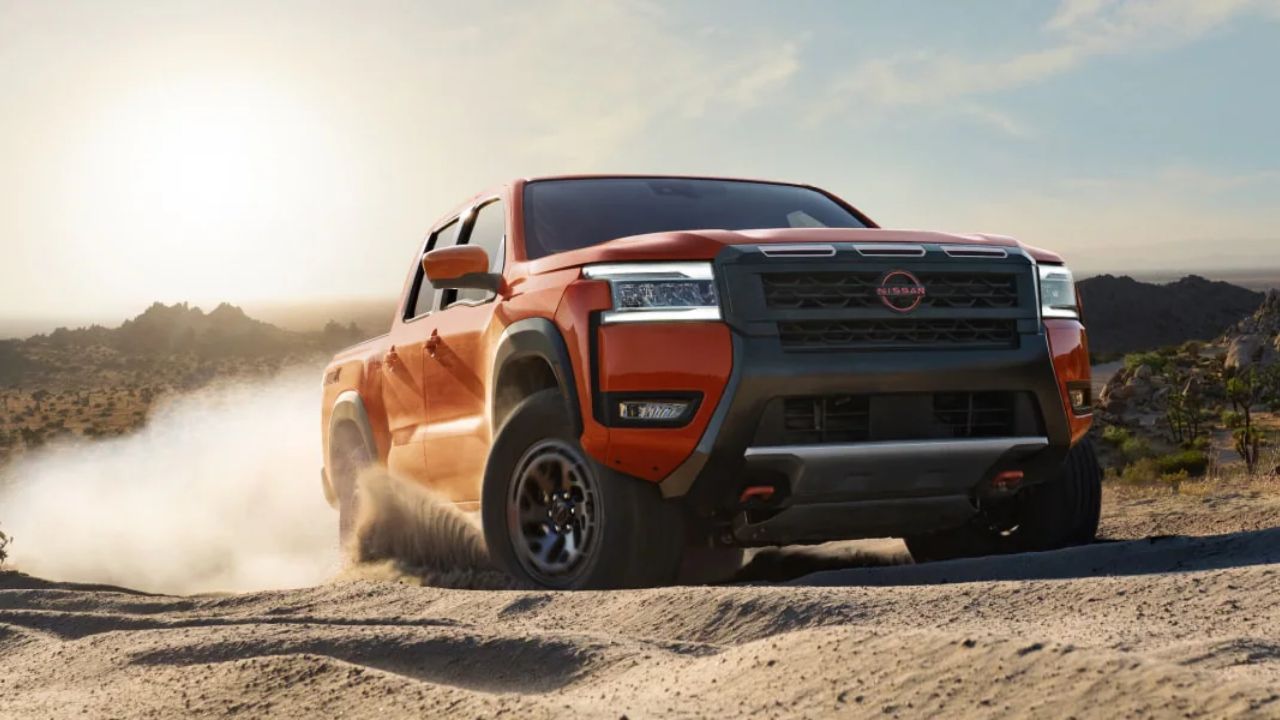
Right now, it’s just a patent, but it lines up with Nissan’s broader plans to expand its truck and SUV lineup.
The most obvious candidate would be the next-generation Nissan Frontier, especially if it moves to a new body-on-frame platform.
There’s also talk of future rugged SUVs and even lifestyle-focused pickups that could benefit from something like this.
A Different Kind Of Innovation
What makes this interesting is how simple the idea is. There are no screens or software, just a mechanical rethink of something every truck already has.
At a time when most innovation is digital, that’s actually refreshing.
Whether it makes production or not is another story, but it proves there’s still room to improve even the most basic parts of a vehicle.