
Tesla’s autonomous driving technology is facing fresh scrutiny from federal safety regulators following allegations that its Robotaxis exceeded posted speed limits in active school zones. The National Highway Traffic Safety Administration (NHTSA) opened a formal defect petition review on October 9, 2026.
The inquiry concerns 2026 Tesla Model Y Robotaxis and Cybercabs operating with their Automated Driving Systems (ADS) engaged. The petition alleges that the vehicles exceeded posted speed limits while school-zone restrictions were active.
The allegations were submitted to NHTSA on September 23, accompanied by three links to video footage that the petitioner claims support the complaint. Federal officials are now examining the evidence to determine whether further investigation is warranted.
Importantly, the opening of a defect petition review does not establish that Tesla’s vehicles violated traffic laws or contain a safety defect. Regulators must first decide whether the allegations justify a full investigation.
Federal Regulators Are Reviewing The Evidence
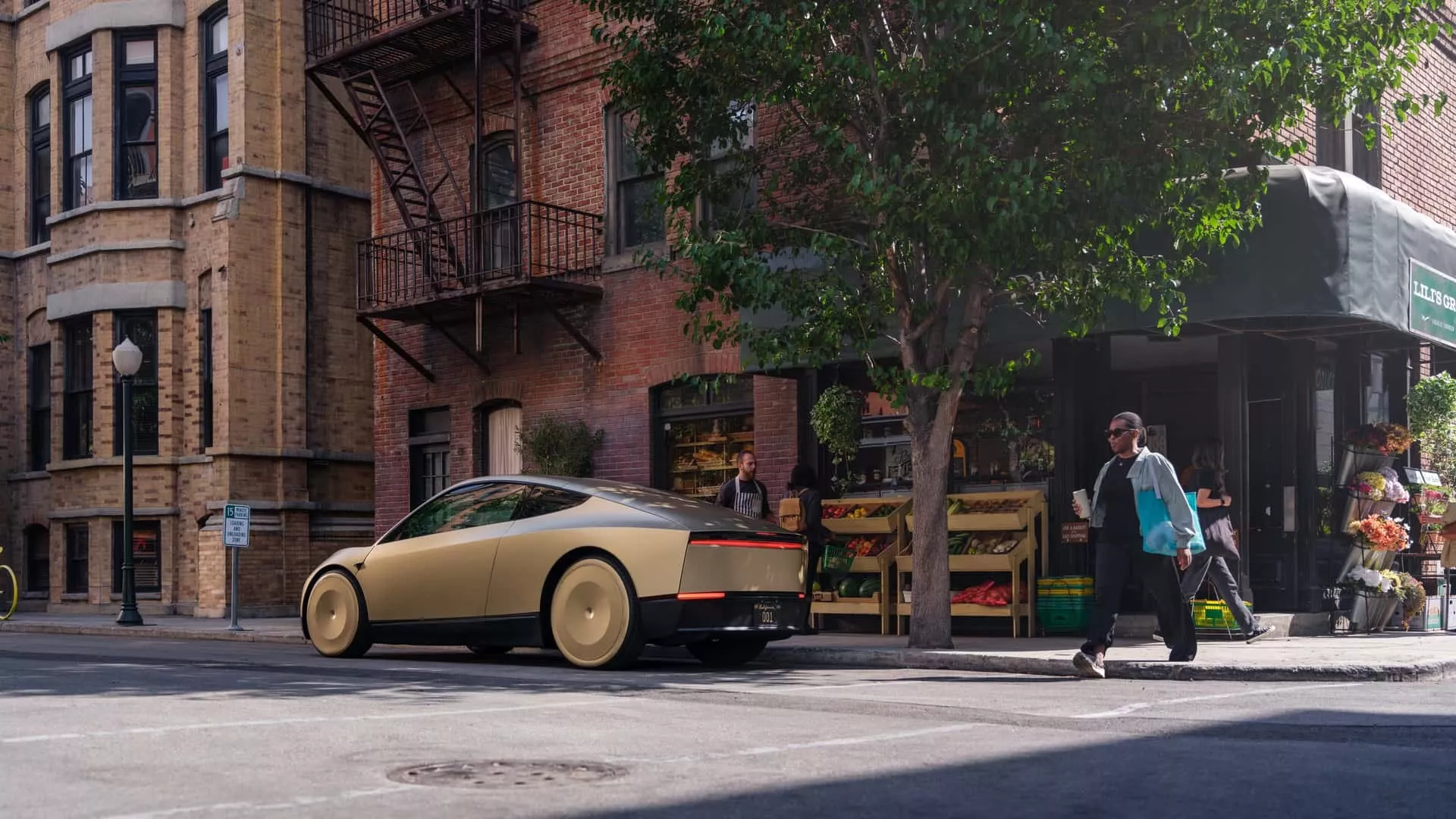
NHTSA’s Office of Defects Investigation has assigned the case action number DP26010, covering both the Model Y Robotaxi and the purpose-built Cybercab. The agency identifies the reported issue as autonomous vehicles exceeding posted speed limits while school-zone restrictions are active.
The review centers on the behavior of Tesla’s automated driving software rather than conventional mechanical components. NHTSA has not yet announced its findings or determined whether a more extensive safety investigation is necessary.
Tesla’s Autonomous Driving Technology Faces More Scrutiny
The latest inquiry adds to regulatory attention surrounding Tesla’s autonomous vehicle ambitions. The company has previously faced questions about the driving behavior of its Robotaxi vehicles, including reports of unexpected maneuvers during early demonstrations.
The Cybercab has also attracted attention because its proposed design eliminates traditional driving controls, including a steering wheel and pedals. Such vehicles raise additional questions about compliance with existing federal vehicle safety standards.
What Happens Next?
NHTSA will evaluate the petition and supporting footage before deciding whether to grant or deny the request for a formal defect investigation. The agency has not announced a deadline for that decision.
School zones present a challenge for automated driving systems because speed limits can change depending on the time of day and whether restrictions are active. How reliably Tesla’s technology recognizes and responds to those conditions will be central to the allegations under review.